
It was the dawn of January 2025, and a restless energy stirred within me. Work had been exhilarating -truly rewarding – but the relentless pace of the past few months left my mind yearning for a change of scenery. I count myself incredibly fortunate to have a family who not only understands my passions but celebrates them. As a gesture of gratitude, they gift me an annual passport to adventure: a chance to slip away on my own and immerse myself in new cultures and flavours. This cherished tradition began in 2013 with a soul-stirring journey to Puglia, and each year since, it has become my way to recharge, reflect, and rediscover the world – and myself.
In the early hours of September 8, 2023, the tranquil mountain communities near Dar Tassa were shaken to their core by Morocco’s most powerful earthquake in over a century. Centered in Al-Haouz province, this magnitude 6.9 quake unleashed violent tremors that tore through the High Atlas, toppling centuries-old homes and flattening entire villages nestled along rugged slopes.
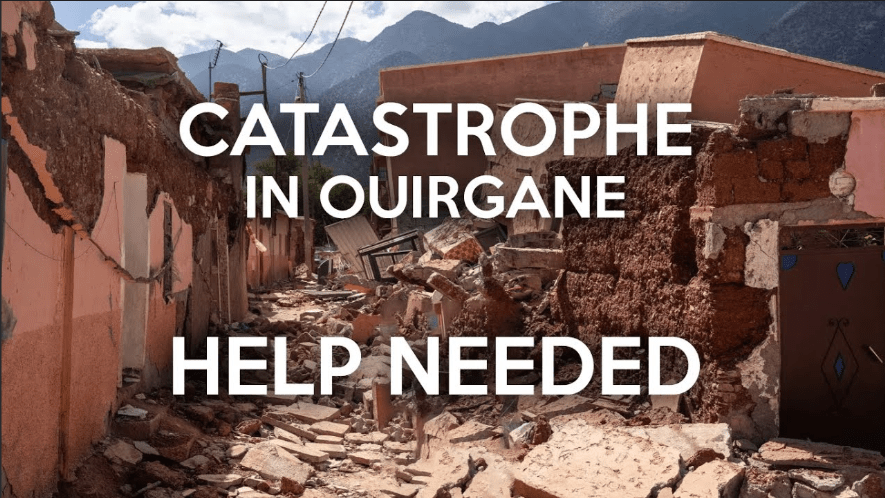
The devastation was profound: roads became impassable, isolating survivors and delaying the arrival of aid, while families – many of whom depended on livestock and small-scale tourism, were left to sift through rubble in search of loved ones and remnants of their lives. In these remote valleys, where poverty and resilience intertwine, the earthquake’s scars run deep, marking a tragedy that will shape the region’s future for generations. There were at least 30 deaths in the village of Tassaouirgane, my 1st stop on my next food and culture trip.
I usually take great pride in crafting my own journey – my last adventure to Venice was a labour of love that unfolded over more than a year of meticulous planning. This time, however, I didn’t have the luxury of endless months; I was determined to set out in May or June. After hours of scouring the internet, a handful of enticing options emerged. Morocco had already captured my imagination based on a previous trip, but finding someone I could trust to meet my exacting standards was another matter entirely. I pour not just money, but precious vacation time and anticipation into these escapes, so choosing the right partner was essential. In the end, my decision hinged on responsiveness and intuition – who replied swiftly, and who truly understood what I was seeking?
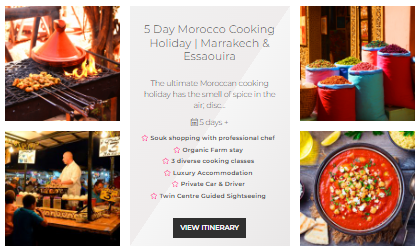
So Morocco are a small, independent UK registered ‘Moroccan’ Holiday company providing high-quality, private tours of Morocco. Looking through the itineraries I found the kind of ‘vibe’ I was looking for so I quickly fired off an email to see what could be done within my budget, the response was impressive both in speed and content.
By mid January the contract was sealed, a few emails, a couple of adjustments and the itinerary was set. I booked my flights to make sure that I could get to Morocco and back, and now had a 5 day two centre trip, with my own driver (actually two), and the continued services of one Amanda (Chef/Guide), and wow, was she something extra extra special as all will become clear. The trip aligned with the end of Eid al-Adha.
Eid al-Adha, the Festival of Sacrifice, is a radiant celebration of faith, compassion, and unity observed by Muslims worldwide. Marking the culmination of the Hajj pilgrimage, it honours Prophet Ibrahim’s devotion and willingness to sacrifice, reminding us of the virtues of selflessness and gratitude. Families gather in joy, sharing festive meals and acts of charity, weaving together tradition and togetherness in a spirit of peace and generosity.
Linda, the owner of So Morocco also has a couple of other Morocco focussed businesses, Walking with Nomads and My Nomadic Kitchen each of their experiences promises a truly unique “off-grid” adventure, either venturing into the Sahara, or new food learning opportunities, from comprehensive showcase meal lessons to quick spice mix demos and snack preparations for your next picnic lunch. Experience the authenticity of Moroccan cooking by preparing meals over hot coals, savouring the flavours in their most natural state. .
The range of options is wonderfully diverse—spanning different locations, budgets, durations, and activities – yet every journey is designed to be sustainable in nature and gentle in its impact. Whether you find yourself living alongside nomadic tribes, learning from rural craftspeople, connecting with remote cooperatives, or engaging with pioneering professionals, environmental conservation remains at the heart of every trip. The impact is multi-layered, nurturing Morocco’s delicate natural heritage with genuine respect and care.

I’d be honoured to introduce you to Haj Brahim our host for the 1st evening, owner of Dar Tassa. The title “Haj” (also spelled “Hajj” or “El-Haj”) in the name Haj Brahim is a mark of deep respect in many Muslim cultures, including Morocco, signifying that Brahim has completed the sacred pilgrimage to Mecca – one of the Five Pillars of Islam and a profound spiritual achievement. Adding “Haj” before a name honours both religious devotion and community esteem.
After the pilgrimage, men are called “Haj” and women “Hajja,” followed by their given name. The name “Brahim” is the Arabic form of Abraham, a revered prophet in Islam, Judaism, and Christianity, symbolizing faith and devotion. Thus, “Haj Brahim” means “Abraham, who has performed the Hajj,” reflecting both spiritual accomplishment and a name rich in tradition. He was a beautiful kind soul that had spent 30 years in the UK, and had a brilliant sense of humour.
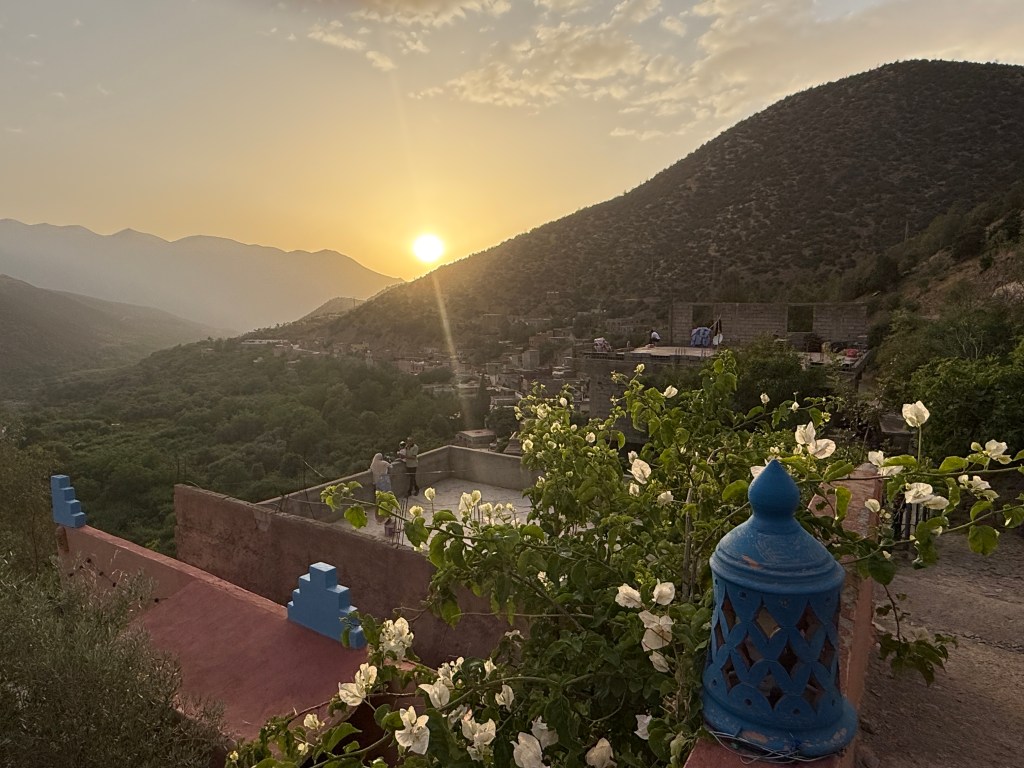
Nestled in a tranquil corner of Toubkal National Park, just over an hour from Marrakech, Dar Tassa is an eco-friendly mountain retreat whose name – “The Home of Motherly Love” – captures the warmth and welcome that awaits every guest.
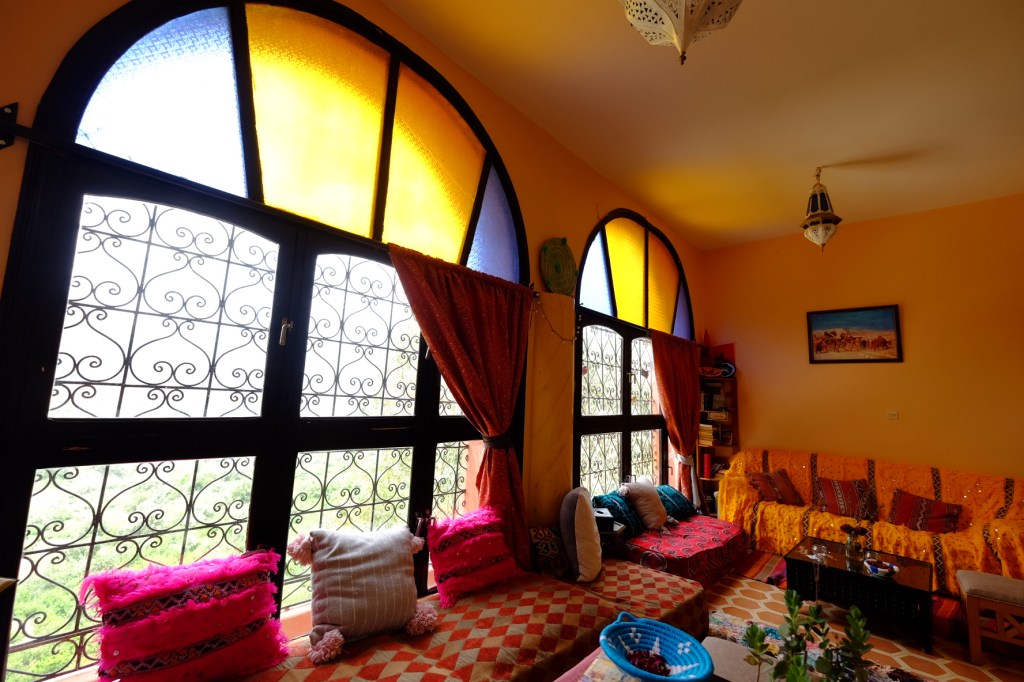
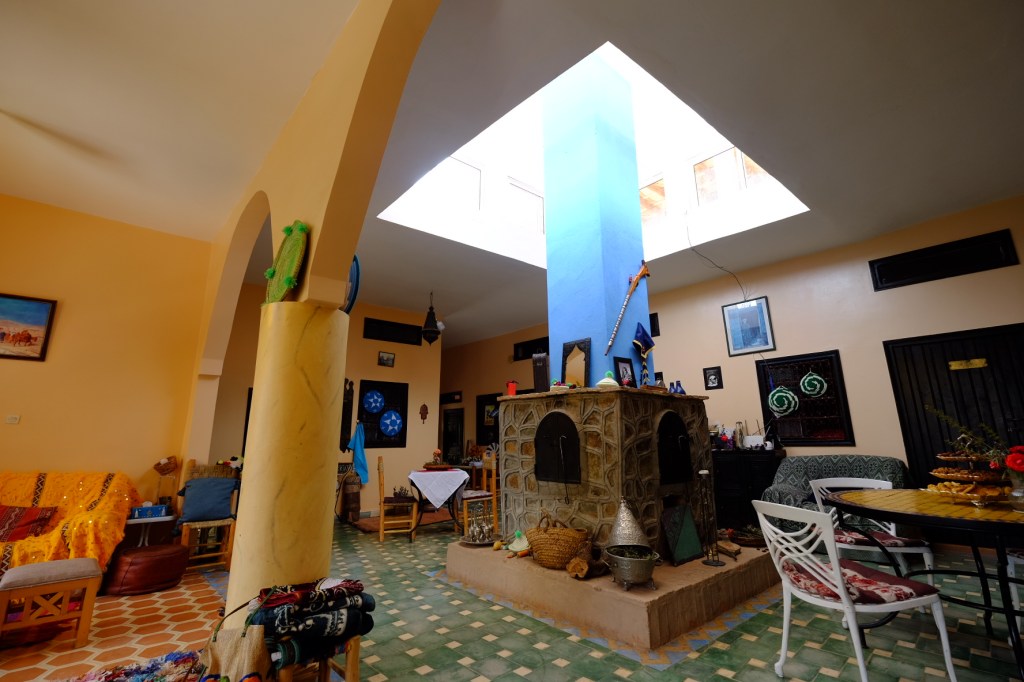
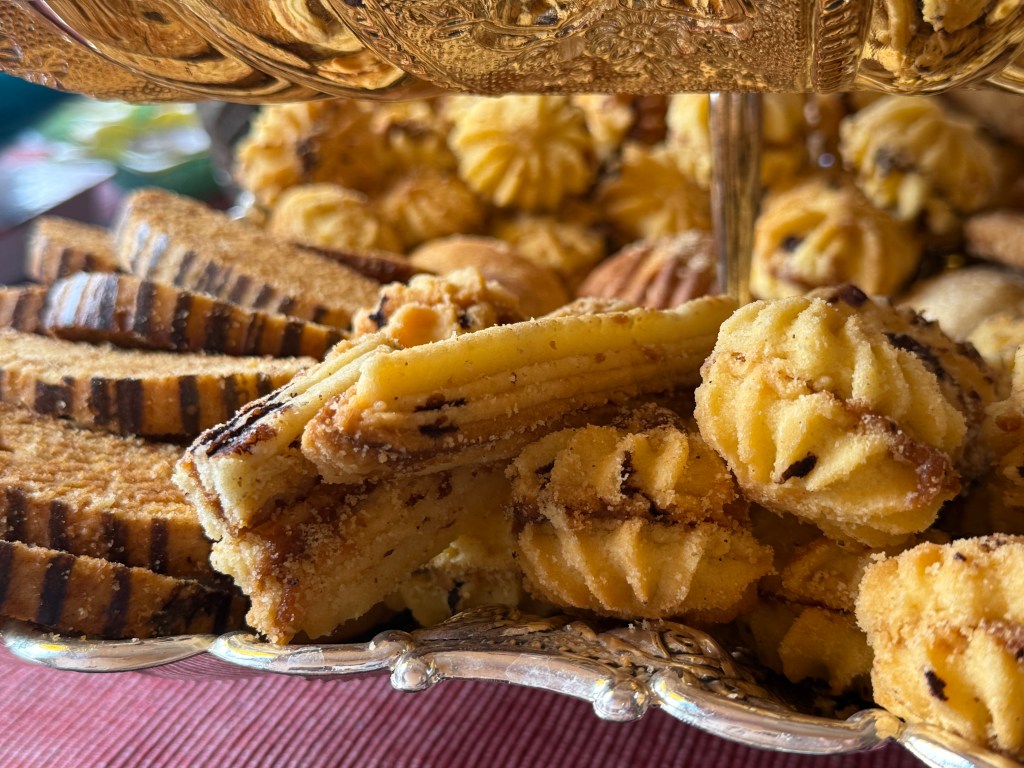
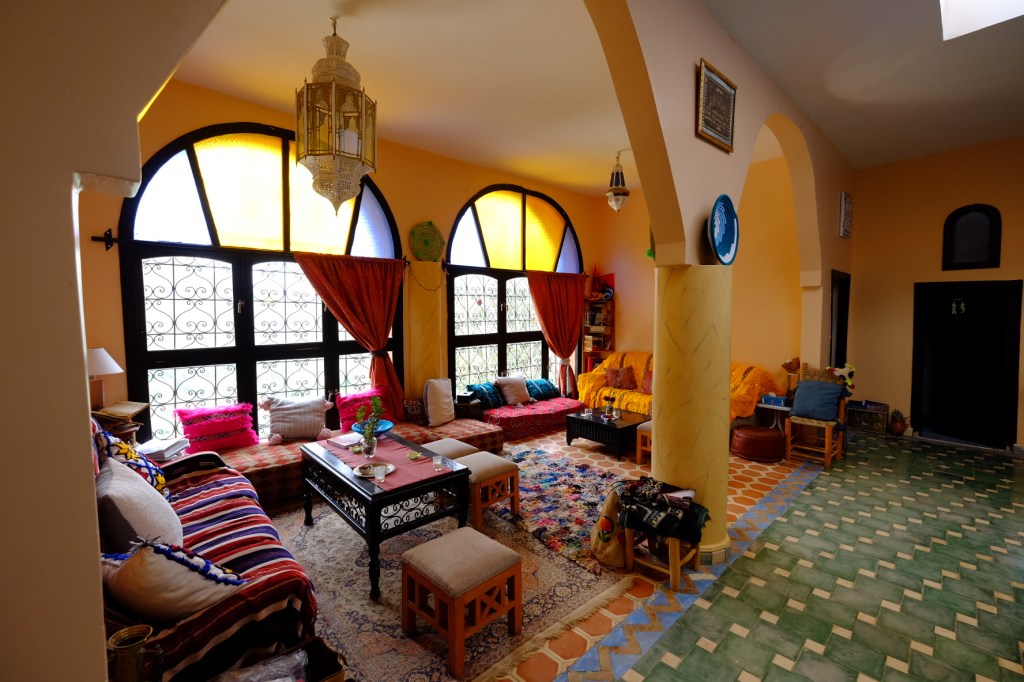
Framed by soaring Atlas peaks and wild, unspoiled nature, this charming guesthouse offers a haven from city life, blending modern comforts with the timeless hospitality of the Berber people. Floor-to-ceiling windows flood the interiors with light and breath-taking mountain views, while the soothing fountain at its heart invites quiet reflection. Whether you seek gentle strolls through the valley, exhilarating alpine adventures, or simply a peaceful terrace to savour traditional Moroccan cuisine, Dar Tassa is a doorway to both relaxation and discover – a place where “marhaba” is not just a greeting, but a way of life.
As we arrived, Haj Brahim greeted us with a warm smile and a gesture steeped in tradition “hleb b tmar” (حليب بالتمر) or “halib bil tmar”- a glass of cool, creamy milk accompanied by plump, sweet dates. This simple offering, cherished by the Amazigh as a symbol of welcome and blessing, was his way of sharing both hospitality and heritage. In that gentle moment, the spirit of the mountains and the generosity of their people were beautifully, deliciously revealed.
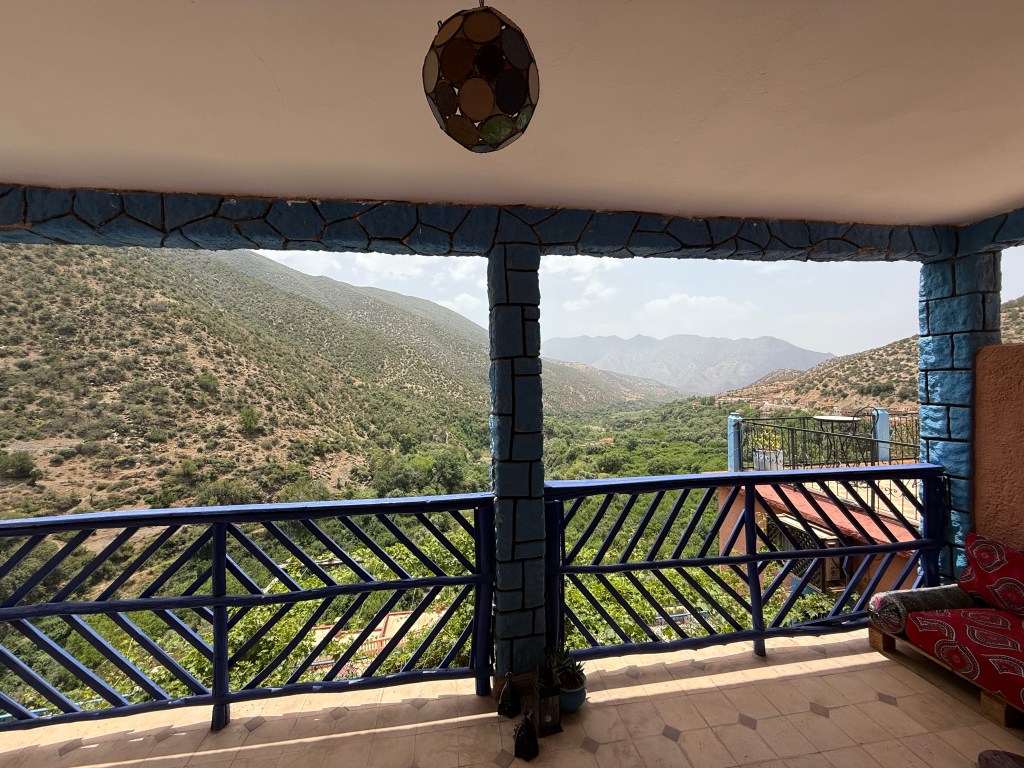
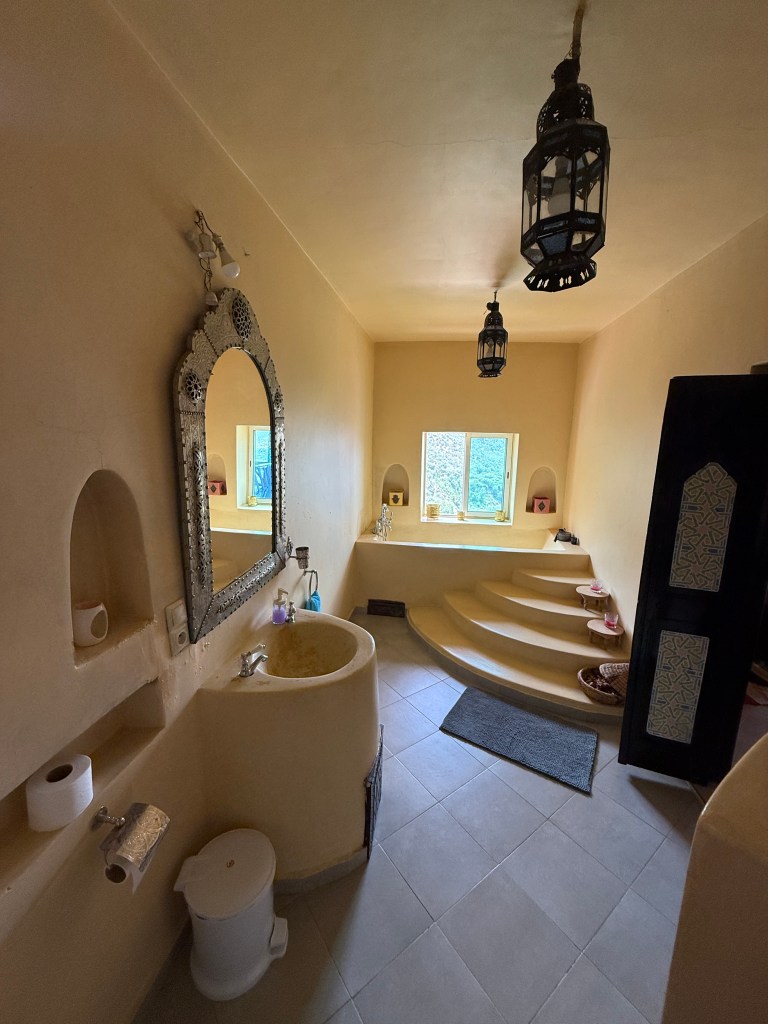
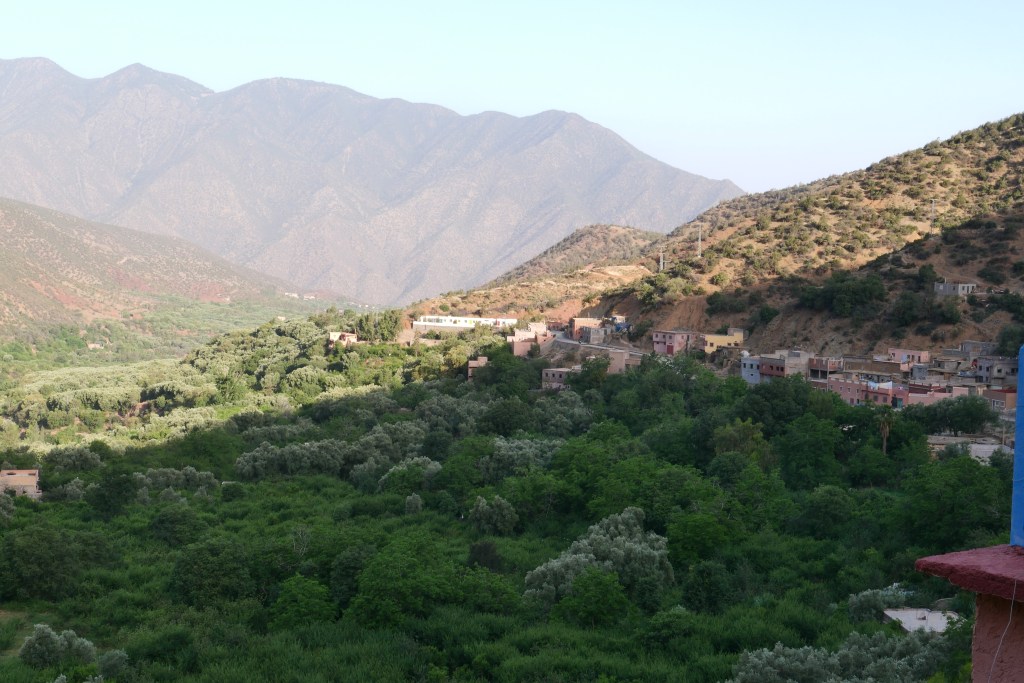

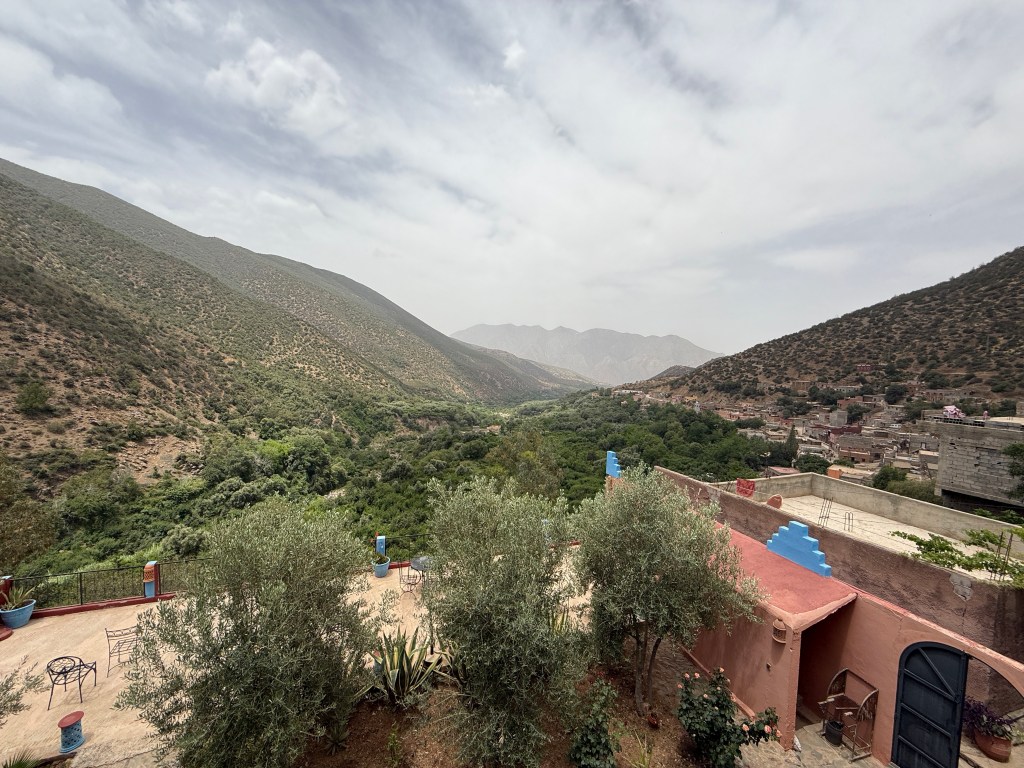
I was shown to my room – Studio Toukbal – the finest suite available, boasting a breath-taking view that swept down the valley, a panorama so stunning it felt almost otherworldly. After a delicious lunch – one so memorable I forgot to photograph it in my eagerness for the adventures ahead – I began my afternoon with a captivating demonstration: the art of crafting a unique, traditional bread.
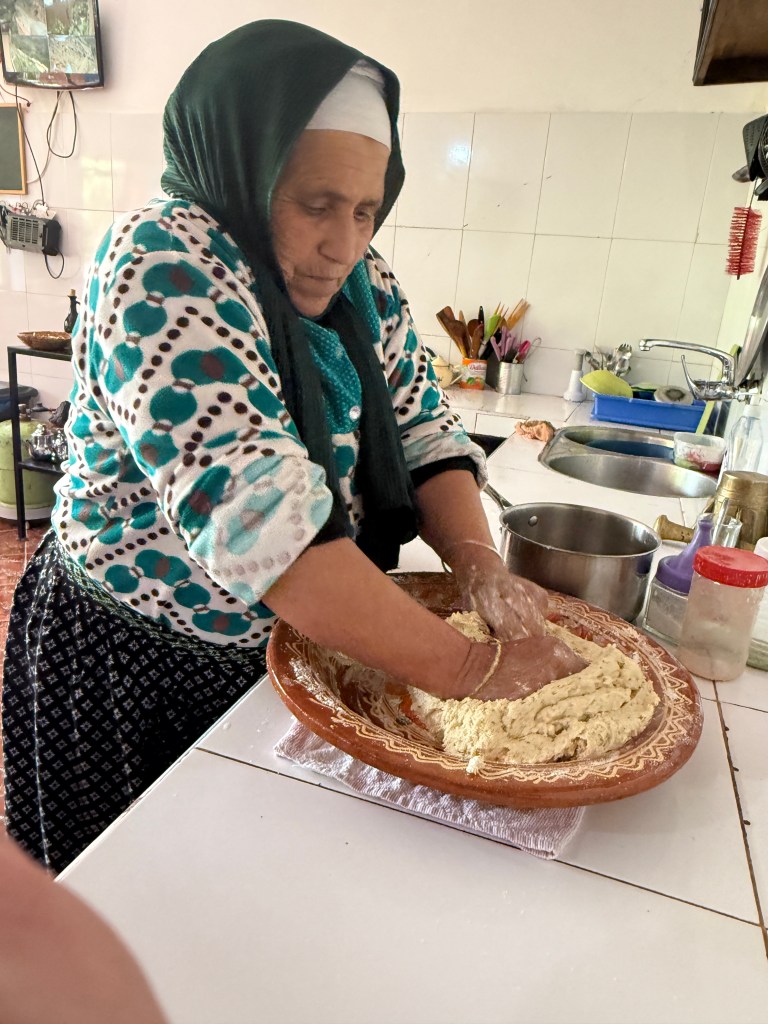

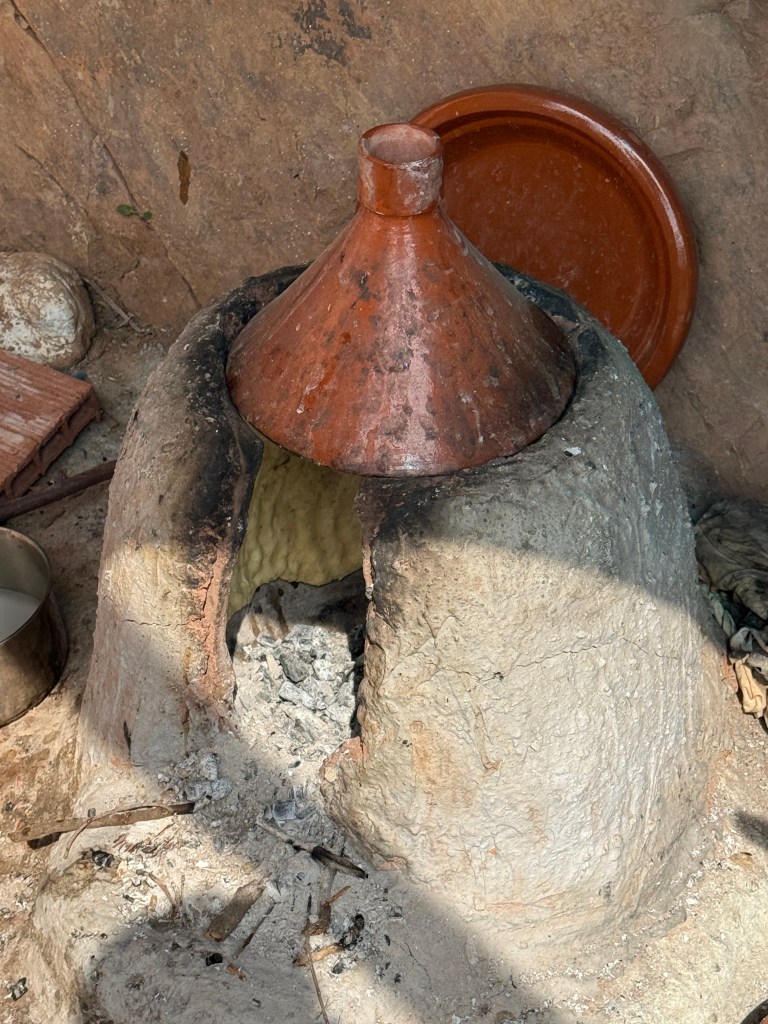
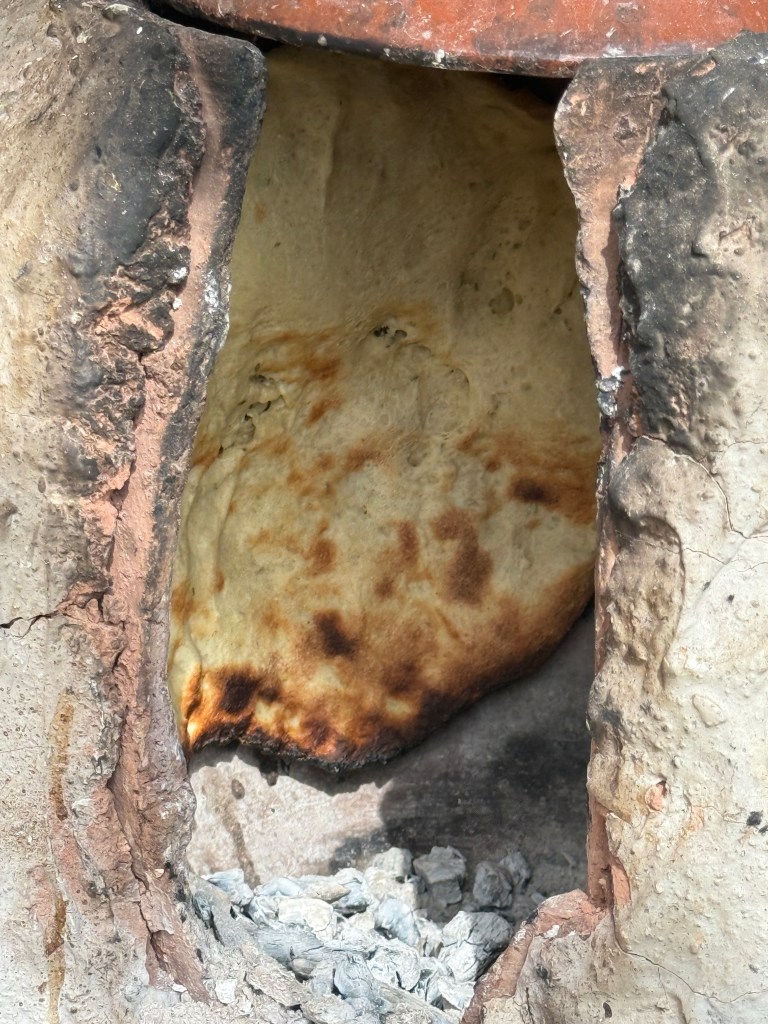
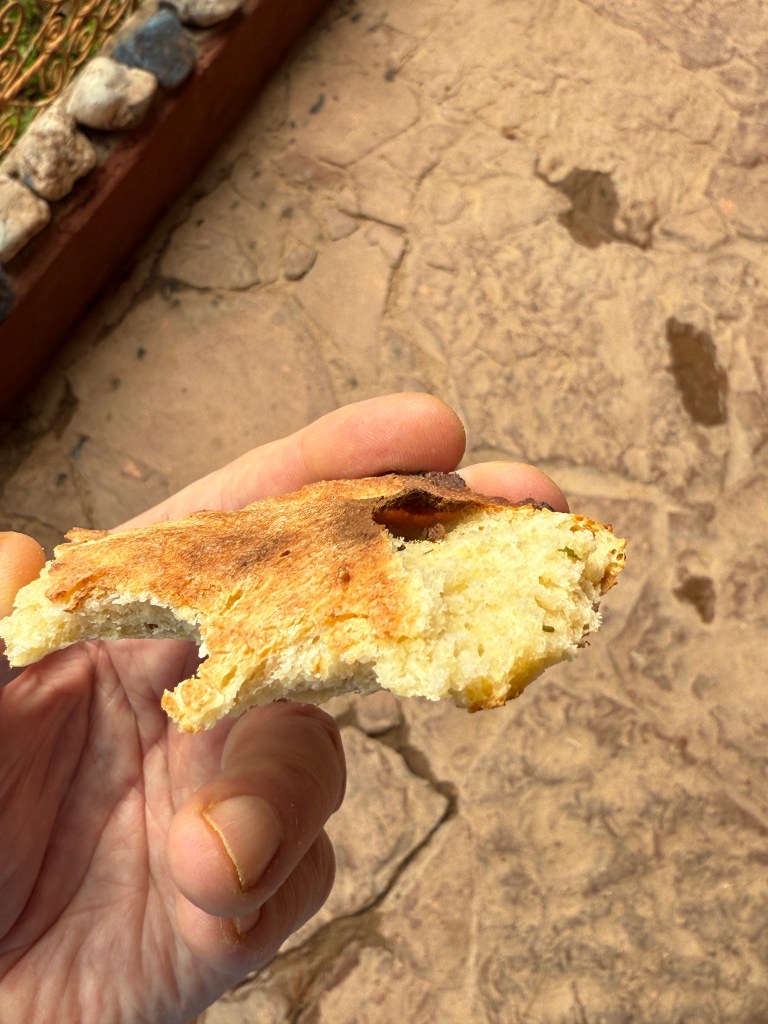
In the High Atlas Mountains, the Amazigh – Morocco’s indigenous Berber people – bake their beloved ‘tanort’ bread in a clay wood-fired oven called a ‘takat’. This rustic flat round loaf, enriched with aromatic fennel seeds, is a hallmark of Amazigh hospitality. The name “Amazigh” means “free people,” and their bread, with its golden crust and fragrant, smoky flavour, beautifully embodies the warmth and enduring spirit of their mountain culture. It was delicious.
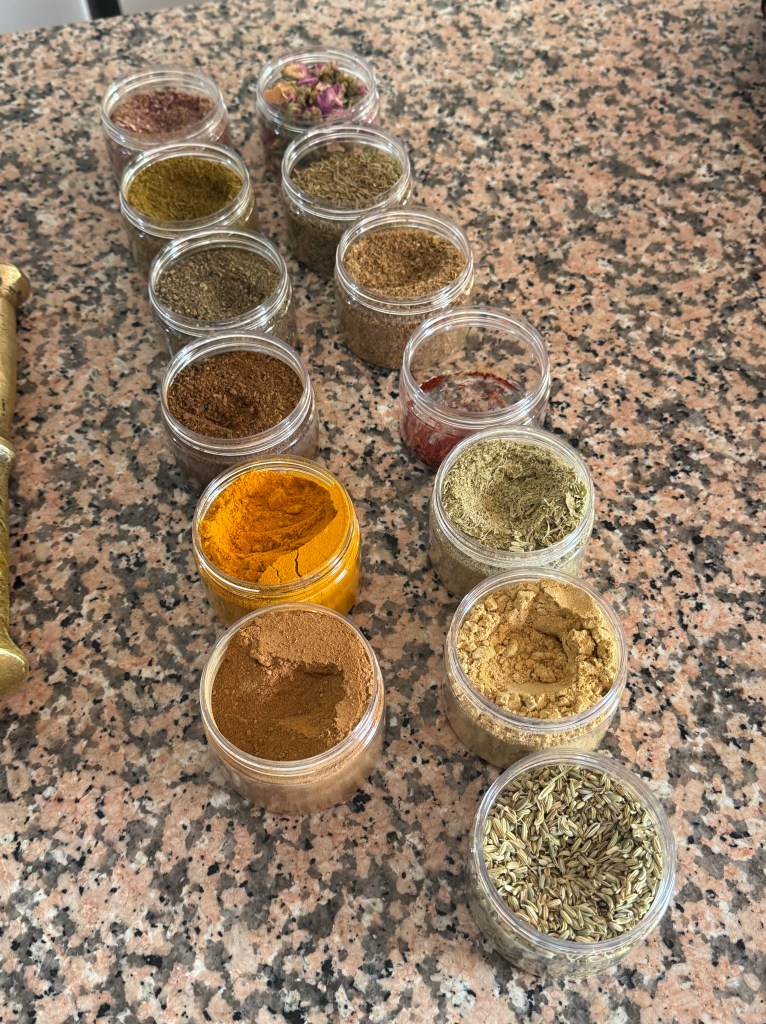
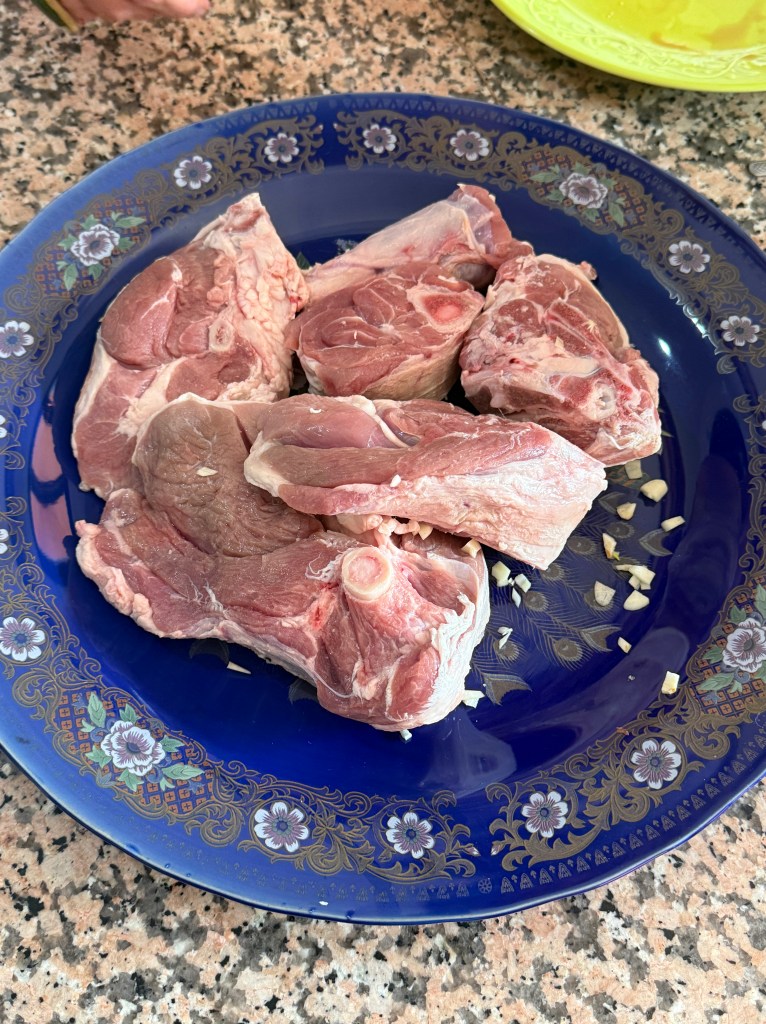


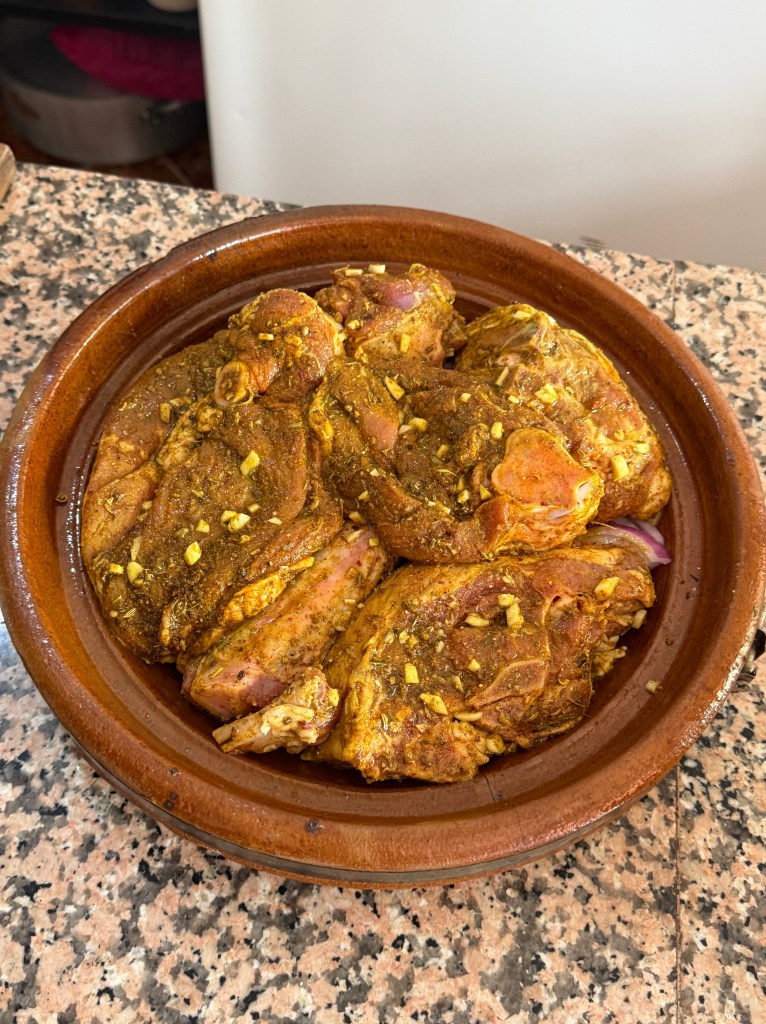
Amanda, the extremely gifted New Zealand chef who has called Morocco home for over twenty-three years, welcomed me into the Dar Tassa kitchen in Tassaouirgane with genuine warmth and expertise. Against the backdrop of the Atlas foothills, she showed me how to craft a goat tagine, using her own homemade, organic ras el hanout – a fragrant blend of rose petals and mountain spices.
As the tagine started to simmer, Amanda’s stories of embracing Amazigh traditions and sustainable living mingled with the rich aromas, making the experience a true celebration of Moroccan heritage and her remarkable culinary journey. It was 16:23 when we started the cooking process, placing the Tagine on its stand, known as a majmar (مِجْمَر) which in Moroccan Arabic literally means a brazier or charcoal burner.

As the Tagine simmered gently, filling the air with the promise of rich, layered flavours, Haj Brahim invited us to stroll through the village -a place marked by both the scars of the 2023 earthquake and the resilience of its people. Wandering the quiet paths, we witnessed not only the visible traces of destruction but also the heartfelt efforts to rebuild and restore the community’s spirit. On this poignant afternoon, at the close of the Muslim festival, I hesitated to take lots of photographs, sensing that no image could truly convey the emotional weight of what we experienced. Some moments, I realized, are best preserved in memory, where their true significance quietly endures. The image above vividly reveals the volcanic past, with the distinctive shapes of ancient molten rock visible near the centre at the top.
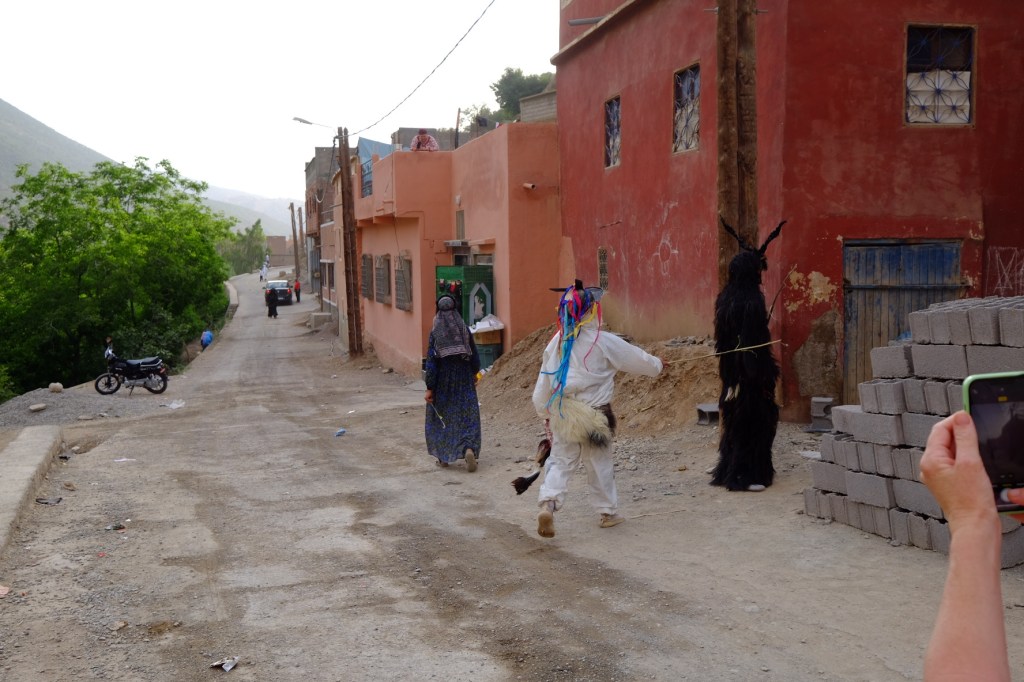
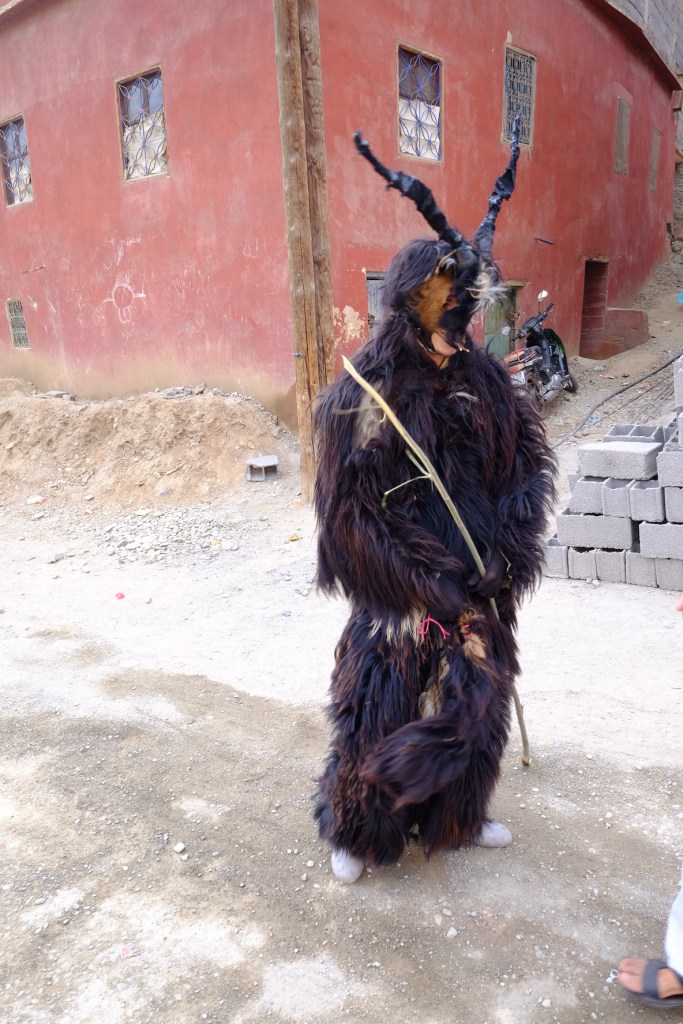
Bejloud, also known as Boujloud or Bilmawen, is a vibrant Amazigh (Berber) festival celebrated in Morocco after Eid al-Adha. Participants, often young men, dress in the pelts of sheep or goats sacrificed for Eid, don masks or paint their faces, and parade through the streets with music, dance, and playful antics. Sometimes called “Morocco’s Halloween,” Bejloud has roots in pre-Islamic rituals celebrating nature’s cycles and the balance of good and evil. The festival blends theatrical performance, social commentary, and communal blessing, as those in costume interact with the crowd, believed to ward off evil spirits and bring good fortune. Today, Bejloud remains a cherished tradition, uniting communities in joy and connecting them to Morocco’s rich cultural heritage.

As we wandered through Tassaourigane, we were greeted with warmth at every turn – villagers celebrating, children laughing and fleeing the playful ‘men with horns’, and joy filling the streets. Out of respect, I took just one photograph, with our host’s permission, capturing a home that had in some way, only just weathered the 2023 earthquake.

Soon, a local youth leader and his brothers, known to our host, beckoned us in for coffee. We followed them into a simple home with visible cracks, fixed with mortar, where we sat together on a large open terrace soaking in the setting sun behind us, and taking in the genuine hospitality of these humble, kind-hearted people, a memorable experience never to forget.
It was time to carry on the walk, our Tagine was cooking and we still had some places to see. I am going to leave the afternoon in the air, the village of Ouirgane is beautiful, and at the start of the Jebel Toukbal trail, I subsequently discovered a close friend, an artist had stayed there, in the same Dar Tassa in 2009.
Just as we were about to gather around the table and savour our Tagine, a sense of anticipation filled the air. The security cameras flickered to life, revealing lights weaving their way along the path. From the terrace, we glimpsed flashlights bobbing in the darkness, heard voices approaching, and caught the distant, hypnotic beat of a drum. Haj Brahim turned to us with a smile and asked if we would welcome visitors. With eager hearts, we agreed—and in that moment, we were graced with the magic of Bejloud. Before our eyes, the ancient celebration unfolded: vibrant costumes, rhythmic drumming, and spirited dancing transformed the night into a living tapestry of tradition. The hand-beaten drums echoed through the air, drawing us into the heart of Moroccan culture. It was a truly unforgettable experience, a rare and wonderful gift that connected us to the soul of the community.

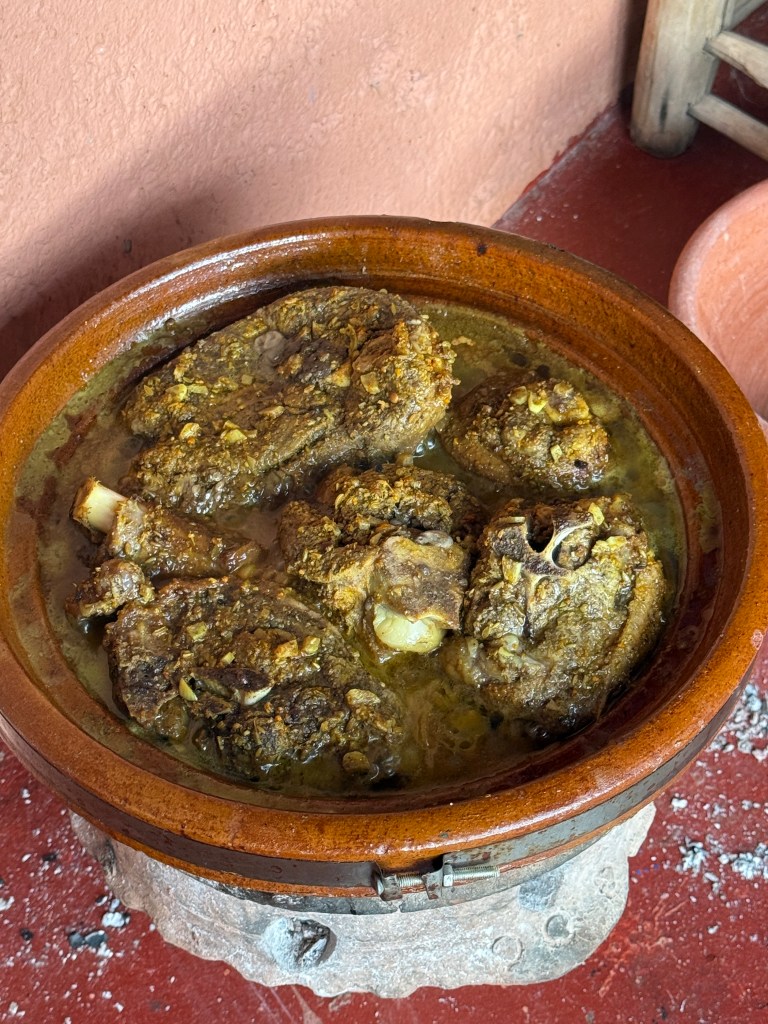
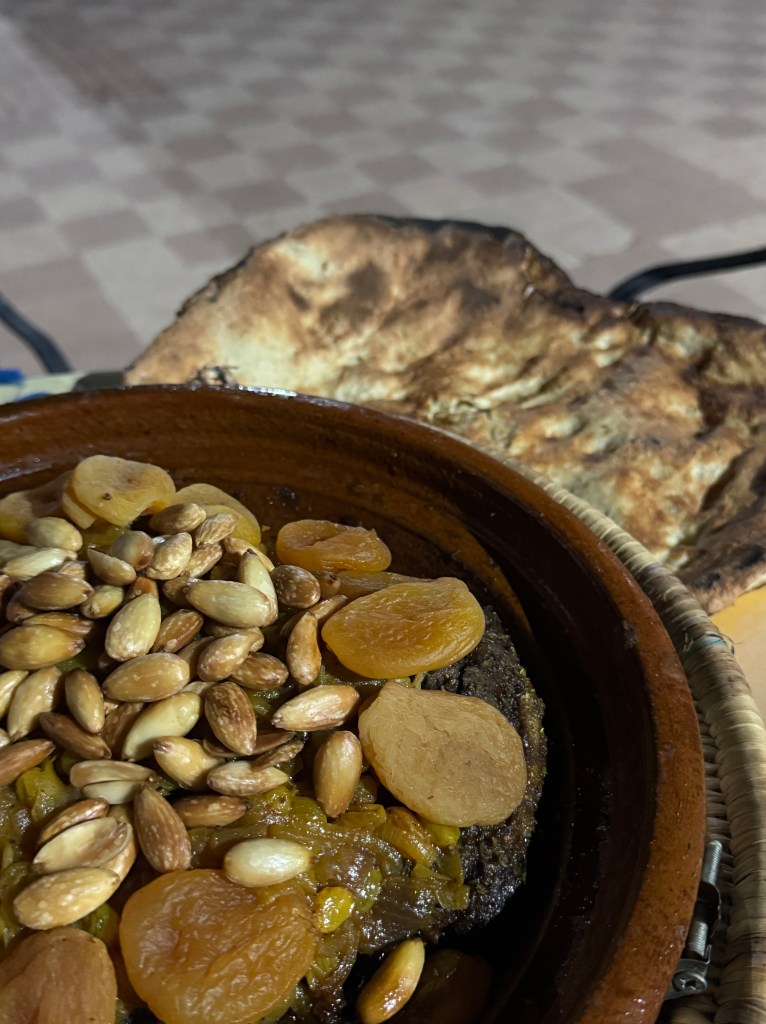
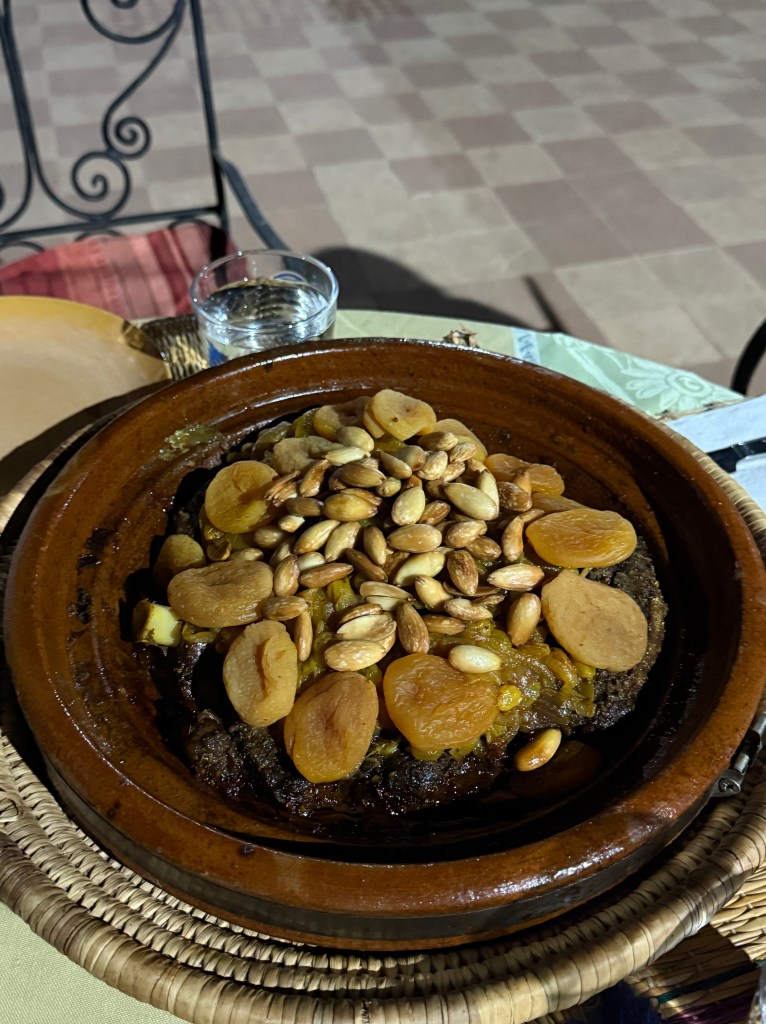
As our newfound friends melted into the night, their laughter and the distant pulse of Bejloud drums lingering on the breeze, a gentle calm settled over us. It was time to gather and savour the Goat Tagine, which had been quietly simmering since 16:23, its rich aroma weaving through the air like a promise. After five and a half hours, the meat was impossibly tender, yielding at the slightest touch. By the soft glow of evening, the three of us shared the meal in the timeless tradition – no knives or forks, only the crisp, smoky tafernout bread to cradle each fragrant morsel. The food was exquisite, but it was the moment itself – bathed in warmth, tradition, and quiet wonder – that made it truly magical.
……………………………………Until next time…………………………..L8ers
 Julian Rolfe