Cooking With The Amazing Valentina Harris At Richard Bertinets’ Cookery School

We had just returned home from an unforgettable family adventure in Tunisia, joined by our son and his childhood best friend. Throughout our stay, Tunisian hospitality enveloped us, and we delighted in extraordinary local cuisine while soaking up the golden North African sunlight. During the trip, I broke from our routine for a day and spent treasured hours with a local family, wandering through vibrant markets and discovering the art of preparing traditional dishes – the experience offered a genuine glimpse into everyday Tunisian life. Free from work distractions after removing all notifications from my phone, I fully savoured these moments with loved ones.

Back at home, an intriguing email awaited in my personal inbox, gently signalling my return from the warmth and vibrancy of Tunisia to familiar surroundings.

On Tuesday, September 16, 2025, 1:17 pm, The Bertinet Kitchen <bertinet@bertinet.com> wrote:

Hello 

We do hope you are well.

We have places available on the following fantastic class and we wondered if you would like to join us:- 

Regional Italian Cooking – A Day in Sicily with Valentina Harris Saturday 20th September 10am 

Here are some details about the course:-

Throughout this course, Valentina will share her extensive knowledge and passion for Italian cooking, guiding you through a variety of authentic recipes that showcase the unique flavours and ingredients from the largest Mediterranean island of Sicily.

You can expect to delight in dishes along with Valentina’s impressive knowledge and anecdotes in this hands on cooking class with the best of Italian produce to the fore.  The menu is based around a traditional Italian feast with antipasto, primi, secondi, contorno and dolce, with dishes including zuppetta di cozze (little mussel soup), zucca in agrodolce alla Siciliana (sweet and sour Sicilian pumpkin), scaloppine al marsala and a gelato alla nocciola with hazelnut meringues.

This course promises to enhance your culinary skills and inspire your love for Italian cuisine. You will emerge armed with knowledge, recipes, skill, and plenty of tips for cooking an array of delectable Italian dishes.

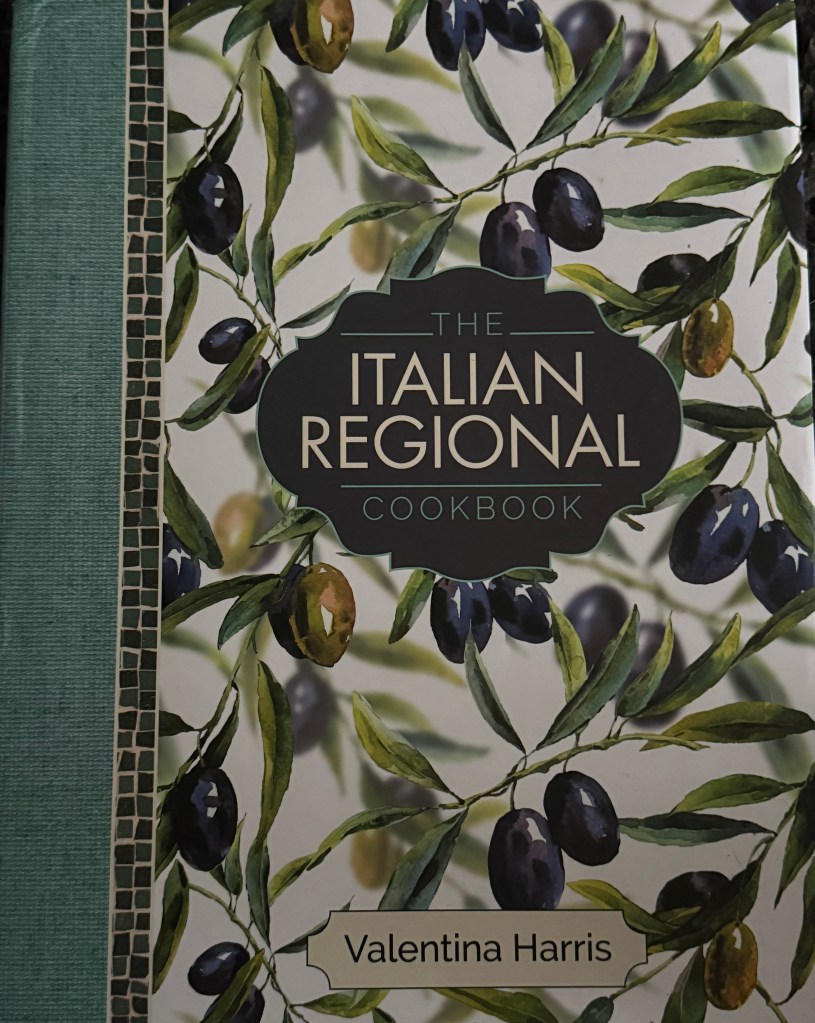
Valentina is our regular Italian tutor and has taught at the Kitchen for many years. She is a noted and much loved authority on Italian cooking and author of over 60 books on Italian cookery including Pasta Galore and Italian Regional Cooking, a culinary tour of Italy.  She appears regularly on TV, including her own series Italian Regional Cookery.
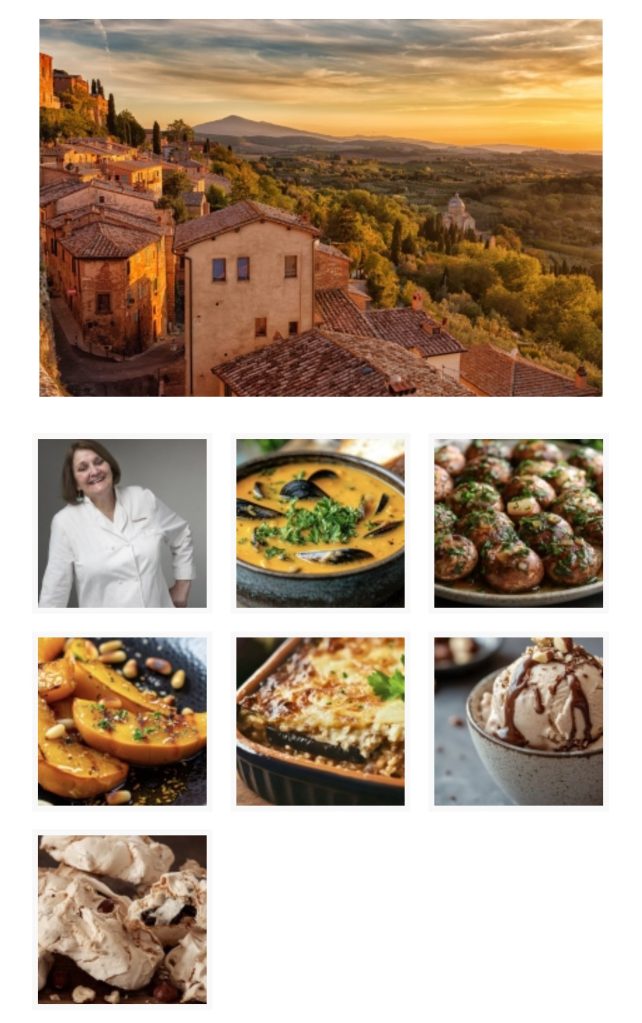
What a stroke of luck – the email arrived on Tuesday afternoon, and the cookery class was set for that Saturday at Richard Bertinet’s renowned school in Bath. Over time, courses at The Bertinet Kitchen have provided me with opportunities to learn from a diverse line-up of acclaimed chefs, each bringing their own unique approach and expertise.

My connection with Richard was further deepened at Kitchen on the Edge of the World in Norway in 2023, where he was among the many talented professionals leading workshops and inspiring fellow participants. Experiences like these – whether in Bath or on distant shores – have broadened my appreciation for food, learning, and the sense of community that comes from sharing it all together.
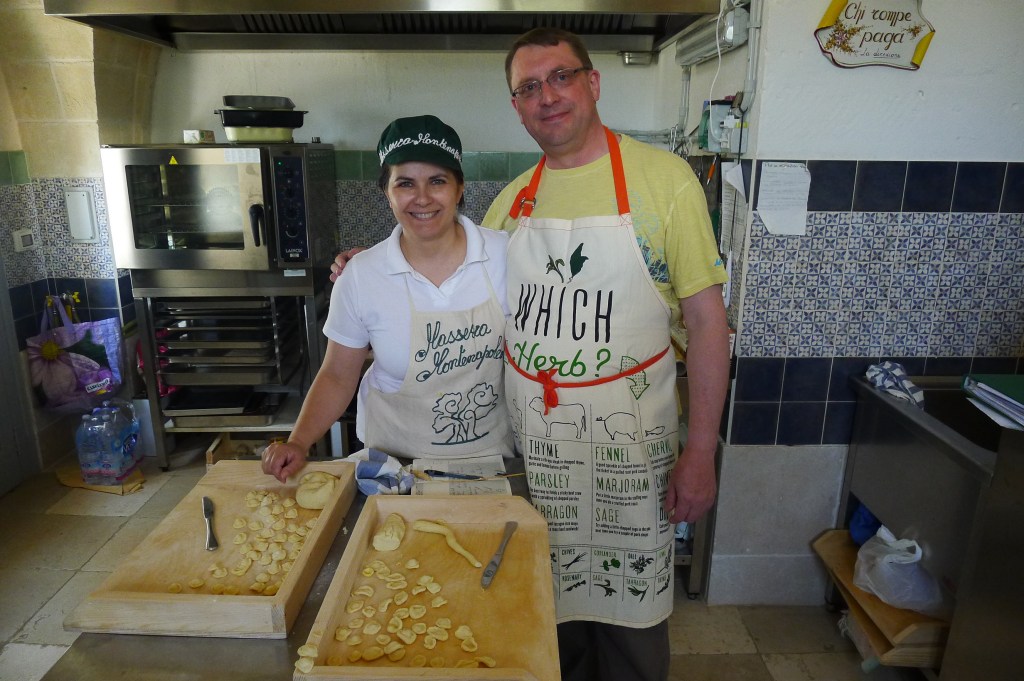
Italian food has always held a special place in my heart – especially the soulful, regional dishes that define each area beyond just pizza, unless I’m lucky enough to be dining in Italy itself, in Naples, the Pizza’s traditional home. My first true overseas cooking adventure took me to captivating Puglia in 2013, where I stayed for a week, at the enchanting organic farm Masseria Montenapoleone.

There, days unfolded amidst the beauty of the olive groves and historic stone walls, exploring the time-honoured rhythms of Italian family life. I rolled my own pasta under the guidance of my passionate host, visited local artisans crafting mozzarella, burrata, and ricotta using centuries-old techniques, and witnessed the pride that goes into every bottle of olive oil.

Each meal we prepared or ate – whether in the kitchen, at a sun-dappled table, or during lively market outings – became an invitation to share in traditions that are equal parts hospitality, flavour, and joy. The experience not only deepened my appreciation for Puglian cuisine but also left me with memories as rich and enduring as the land itself.

Sicilian cuisine was not familiar to me, so the opportunity to spend time with an expert was not to be missed, I quickly responded with a ‘yes please’.
Stepping through the doors of The Bertinet Kitchen for my eleventh visit, I felt the familiar excitement settle in. Upstairs, the inviting shop brimmed with beautiful kitchen tools. books and artisan treats, while downstairs the school buzzed with energy, ready for a new day of learning.

Jen, the ever-enthusiastic head of the kitchen team, had orchestrated every detail with ease, and Valentina was there to greet us with her signature warmth and expertise. The kitchen itself – bright, fully equipped, and set for discovery – welcomed each guest with an array of refreshments, including Richard’s legendary homemade bread and preserves, a testament to the school’s love of real food and hospitality.

As I introduced myself to the group I’d be spending the day with, there was a sense of camaraderie from the outset, everyone united by a shared anticipation for learning, laughter, and unforgettable flavours. Each visit somehow feels even more special than the last
Valentina Harris welcomed us with her trademark warmth and a storyteller’s flair – qualities honed over decades as one of Britain’s true ambassadors for authentic Italian cuisine. With roots tracing back to the Sforza dynasty of Milan and a childhood steeped in the flavours and rituals of her Anglo-Italian family,

Valentina truly embodies the living spirit of Italy at the table. Her deep respect for tradition is matched by extraordinary expertise, evident in her authorship of more than 50 acclaimed books covering the rich tapestry of Italian cooking. As a chef, educator, and broadcaster, she has left an indelible mark on food lovers across the world.
Beyond her impressive career in food media and teaching, Valentina has played an important role in empowering women in the culinary professions. The London chapter of Les Dames d’Escoffier – an international philanthropic organization dedicated to supporting women in food, beverage, and hospitality – was launched by Dame Sue Carter with essential contributions from Valentina and Marianne Fitzpatrick (Lumb) in 2010. Through her work with the chapter, Valentina continues to foster professional growth and camaraderie, mentoring culinary talent and celebrating the achievements of women in the industry.

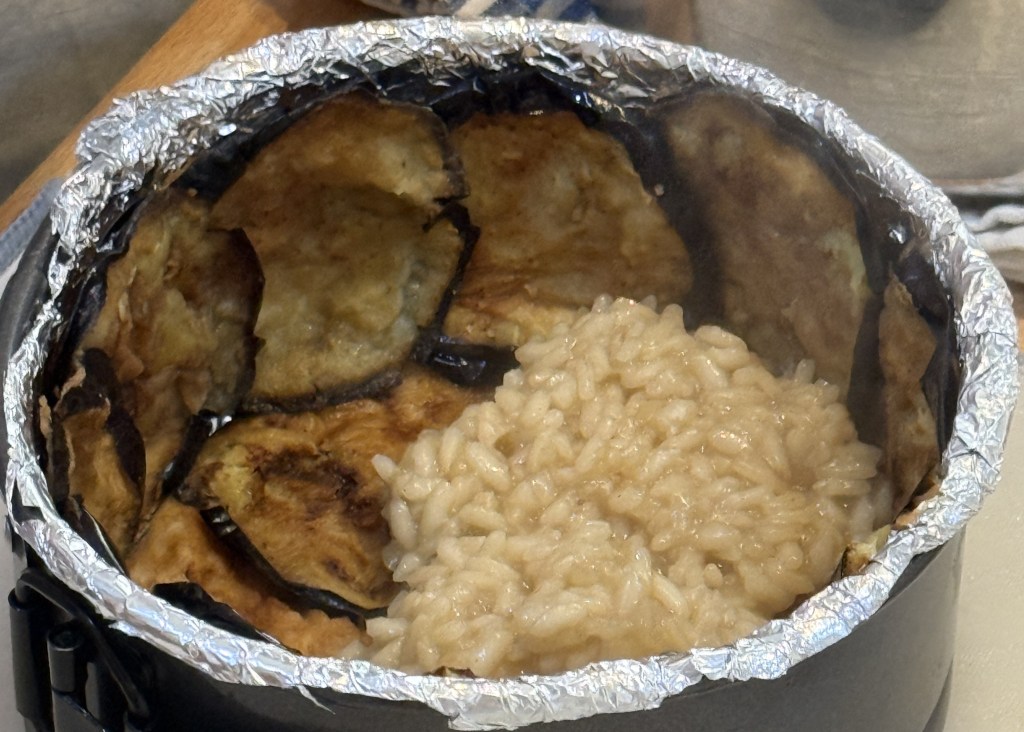
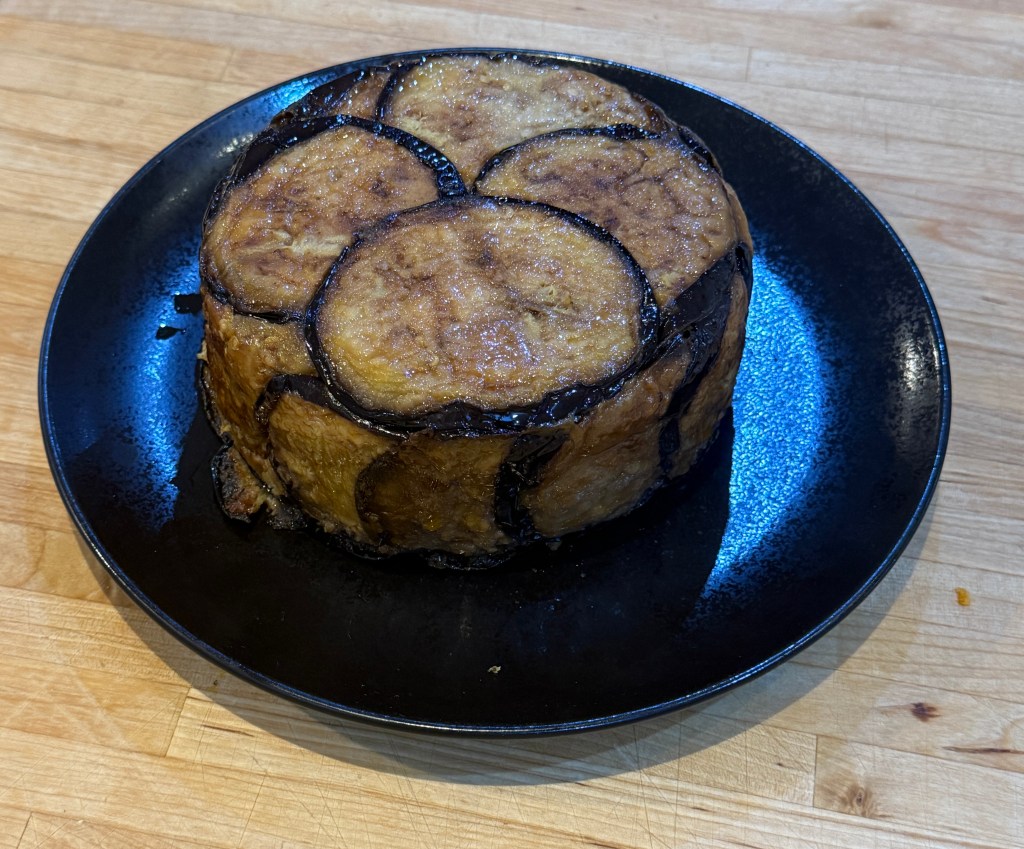
During our Sicilian cookery day, Valentina’s guidance transformed a hands-on class into a memorable exploration of regional cuisine. She led us through a heartfelt menu celebrating the flavours of Sicily: Zuppetta di Cozze, a delicate little mussel soup; crisp Polpette di Funghi; fiery L’Arrabbiata; sweet-and-sour Zucca in Agrodolce; and comforting Riso e Melanzane alla Palermitana. The meal finished with cloud-like Spumette di Nocciola and silky hazelnut gelato. Each explanation brought Italian hospitality to life, turning recipes into living acts of memory, generosity, and shared celebration.
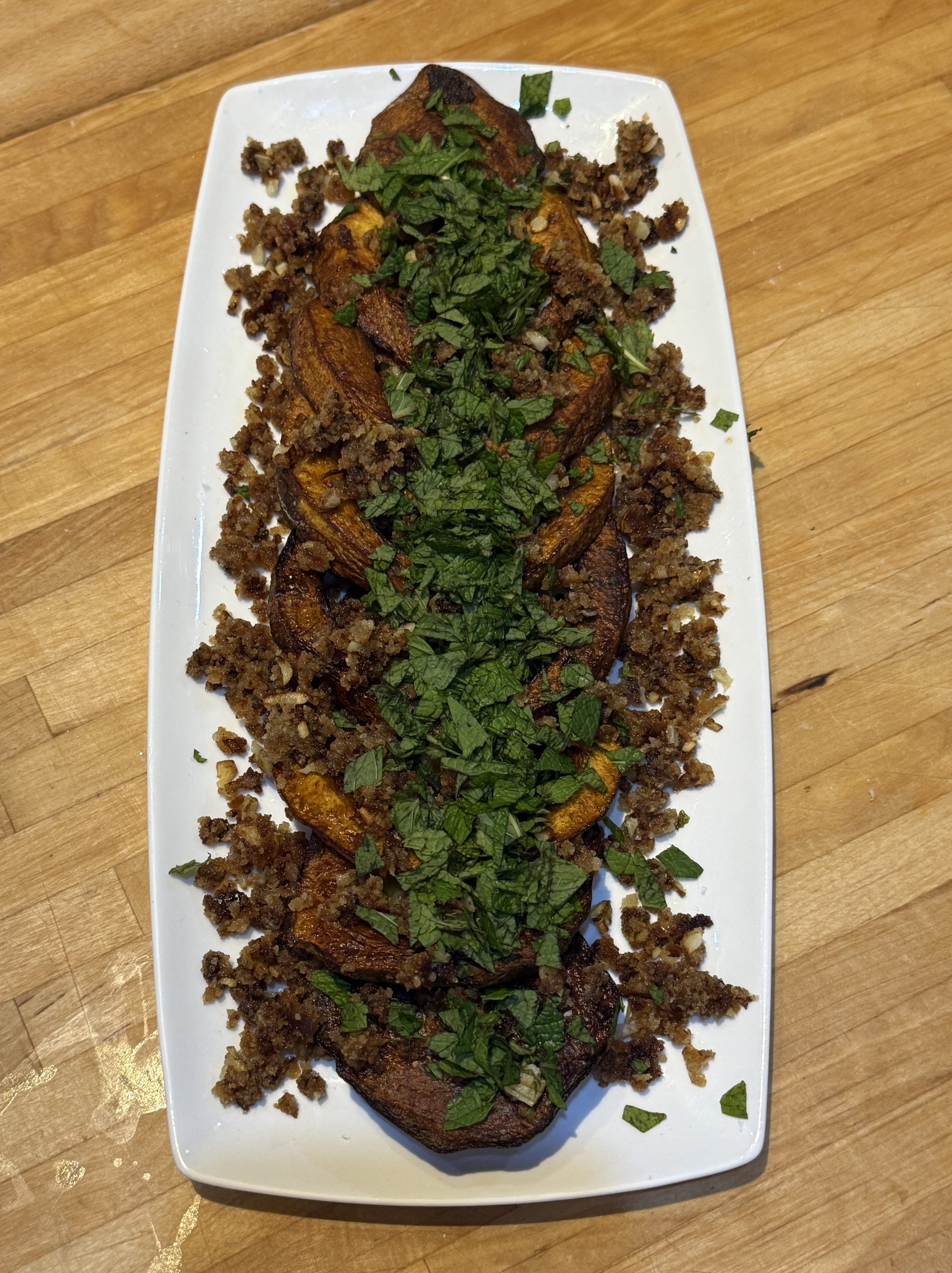
A day spent at The Bertinet Kitchen is always a joy, but this occasion was exceptional in both flavour and fellowship. Valentina Harris brought every recipe to life, weaving together stories from her rich culinary heritage with practical lessons and approachable expertise. The array of Sicilian dishes we prepared showcased the inventive contrasts and traditions of the region – nowhere more striking than the pairing of fiery L’Arrabbiata with the sweet-and-sour Zucca in Agrodolce.

The Riso e Melanzane alla Palermitana was a genuine highlight – a harmonious layering of silky aubergine, tender rice, vibrant tomato sauce and melting cheese. Each bite offered a blend of savoury depth, subtle sweetness, and creamy richness, the ingredients melding together to create a dish that was both comforting and bursting with flavour. Its appeal lay in the balance of texture and taste: the smoky aubergine and bright tomato perfectly complemented by the indulgent cheese and fragrant rice – a celebration of Sicilian home cooking at its most delicious.
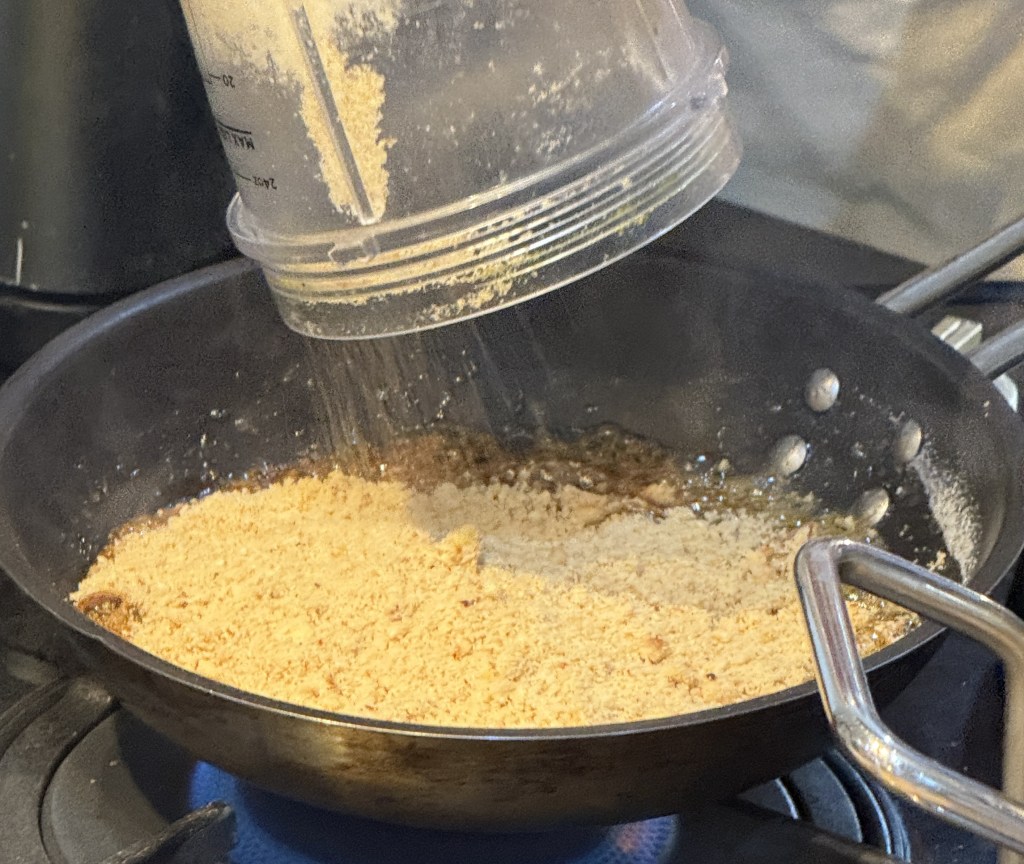
After those vibrant, savoury courses, dessert was an event in itself: Valentina led us through crafting spumette di nocciola – light hazelnut meringues – and a silky hazelnut gelato made by toasting hazelnuts, making a praline with caramel and the nuts, cooling, and then blitzing before adding to a velvety crème anglaise base. The roasty sweetness of the gelato, paired with the delicate meringues, closed the meal with pure Sicilian spirit and unmistakable finesse.

The entire experience was a reminder of the thoughtful environment Richard Bertinet and his team foster at the school: a place where learning is hands-on, the ingredients shine, and every dish becomes a celebration of skill and community. Sharing the table over such memorable fare, with laughter and conversation flowing (and plenty of matching wine), gave the day lasting resonance.

As I look ahead to next month’s adventure at Rick Stein’s Cookery School in Padstow, the lessons and inspiration gathered from this brilliant Sicilian feast at Bertinet’s will travel with me – reinforcing just how rewarding it is to cook, taste, and learn in great company.

………………………………….Until next time L8ers………………………………..

نهار زين طيبنا مع عايلة تونسية في سوسة A Beautiful Day Cooking With a Tunisian Family in Sousse

I rose before dawn, the gentle promise of a Tuesday awakening, the fourth day of my fifth journey to Tunisia – a country whose sun-drenched memories began for me on my twenty-first birthday. While others celebrated with fleeting parties and the haze of hangovers, I chose a week wrapped in the golden warmth of 27 to 30 degrees, wandering timeless corridors beneath El Jem’s ancient arches and tracing cinematic dreams at the Star Wars set at Matmata. There’s a quiet magic here; each return only deepens my fascination for this mystical country.

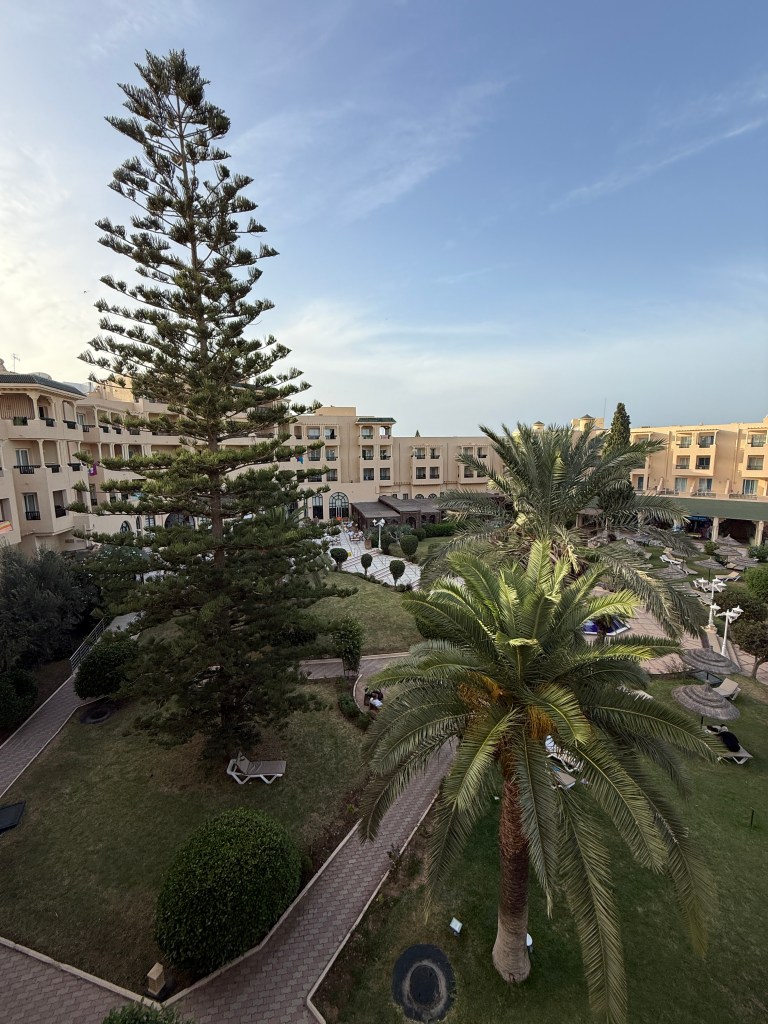
Our hotel was north of Port El Kantaoui, the port had just been completed the 1st time I travelled here nearly 40 years ago, we were staying in Sousse, but visited the port on one of our days out.

Port El Kantaoui, just north of Sousse, stands as one of Tunisia’s most ambitious tourism projects—a meticulously planned resort born from a vision to transform the nation’s appeal for international visitors. Inspired by the allure of Western Mediterranean marinas, its creation in the late 1970s drew on chic Moorish design and an artificial harbour as the centrepiece, instantly setting it apart from the more traditional hospitality found in Sousse’s city centre.

Before Port El Kantaoui, Sousse’s hotels primarily catered to classic beachgoers and travellers eager to soak up local sights, but this integrated resort marked a turning point—ushering in an era of luxury, modern amenities, and a distinctively European flavour in Tunisian tourism. The impact on the region has been profound: not only did it redefine the local hotel scene and create thousands of new tourism jobs, but it also established Sousse as a year-round destination for package holidays and marina lifestyles.

Today, Port El Kantaoui’s elegant streets and bustling quays continue to attract visitors seeking a fusion of North African warmth and Mediterranean sophistication.

I was welcomed by the delightful Nabil at 09:30, with booking and communication made effortless thanks to Tunisian Flavour – a true pleasure from start to finish. My culinary day was private, just for me, although there’s always the option to join a group if that suits your style. As someone whose enthusiasm sometimes overflows, I cherish the chance to immerse myself in tours or classes alone, allowing me to absorb every moment.

After parking, and before we entered the storied lanes of the Medina, I was invited to select the day’s menu from a dazzling list of thirty Tunisian dishes. The decision set the tone for our adventure. Among the offerings was Tajine Malsouka – a much-loved treasure of Tunisian cuisine, reminiscent of a quiche but wrapped in delicate malsouka pastry, crisped to golden perfection and filled with a savoury mixture of chicken, lamb, eggs, cheese, and fresh herbs. Another tempting choice was Nwasser, a cherished Tunisian pasta delicately cut into tiny squares, steamed until perfectly tender, and often served beneath a blanket of succulent chicken in rich tomato sauce, with chickpeas and vibrant vegetables woven through. That lingering moment of selecting my dishes before entering the Medina set a gentle rhythm for the day – one shaped by flavour, tradition, and the warmth of shared experience.

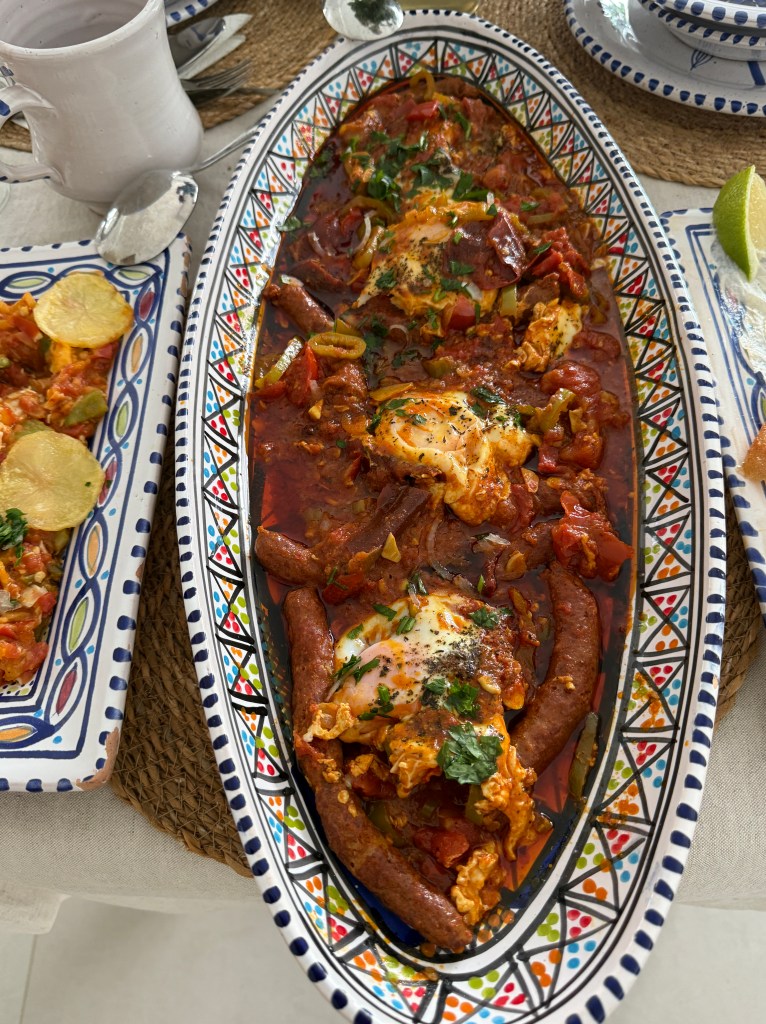
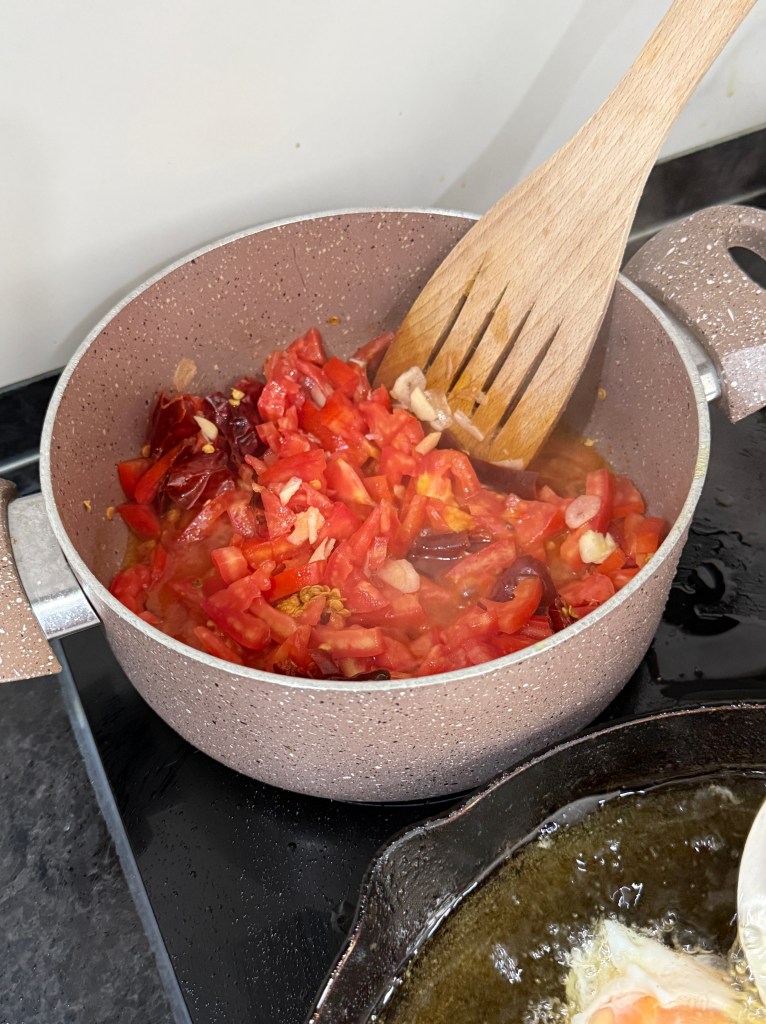
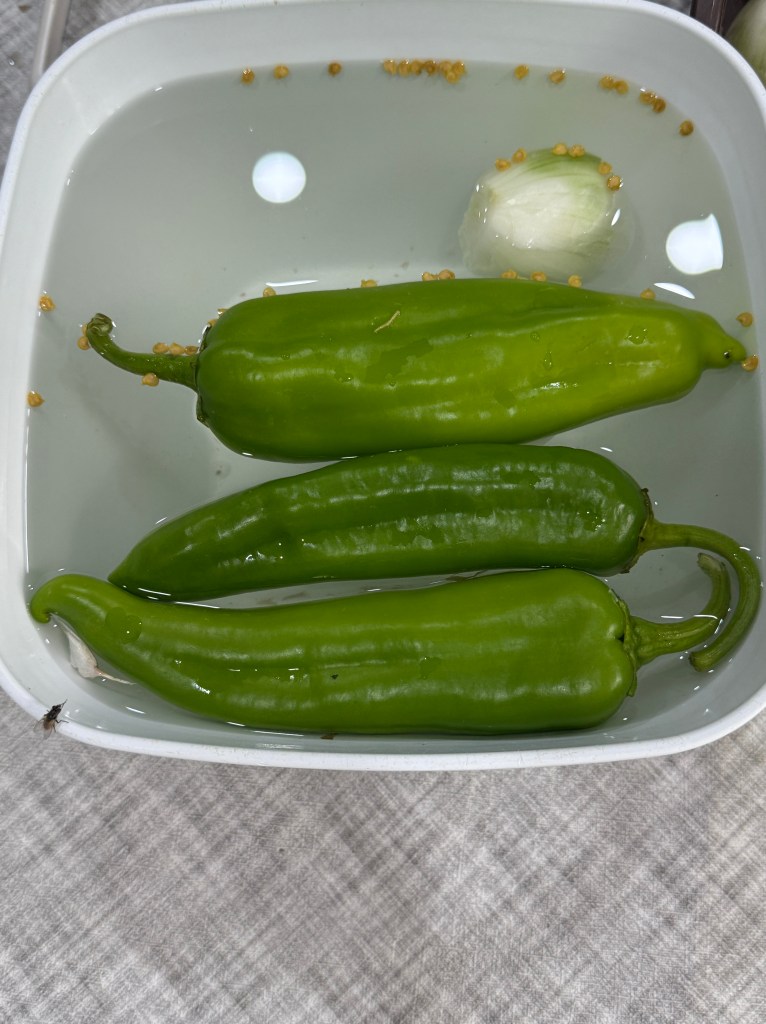
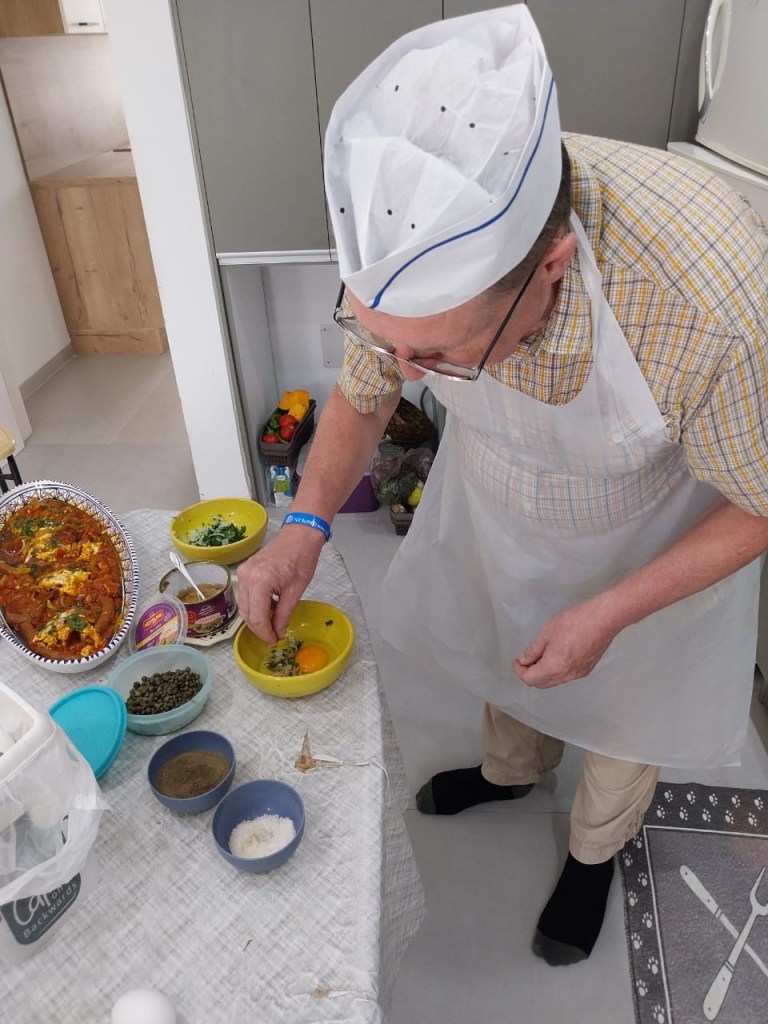
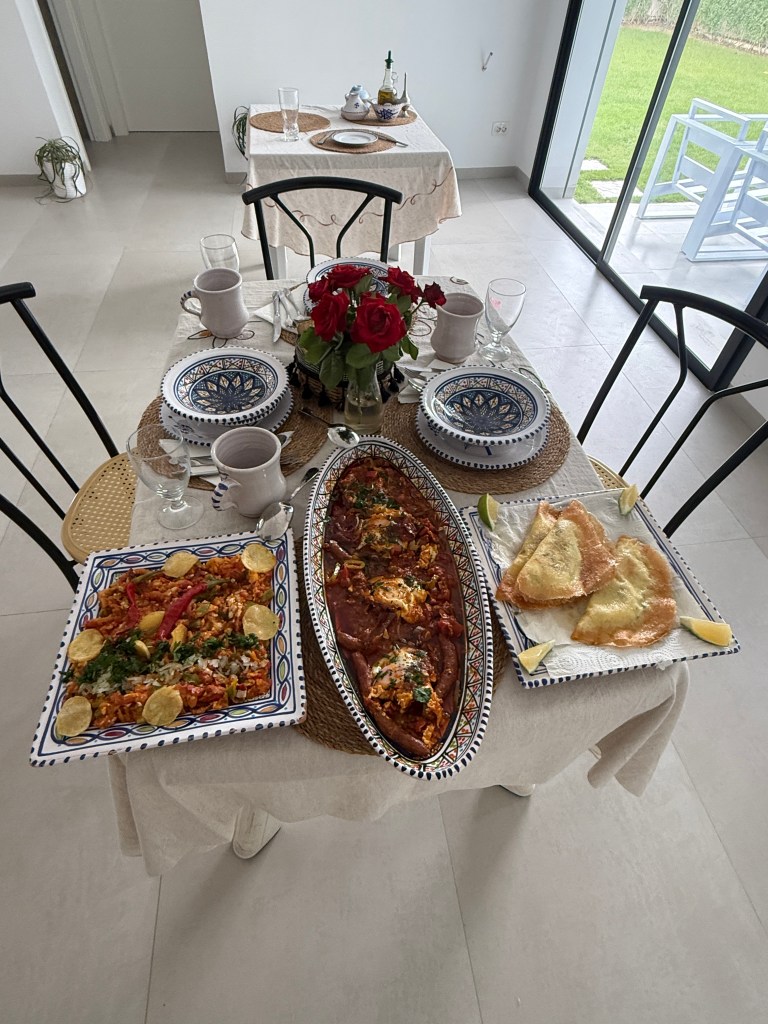
My menu reflected my longing for authenticity. Ojja was to be the star: beloved in Tunisia, this dish features eggs gently poached in a fiery tomato sauce, with green peppers, onions, and plenty of harissa. Most famously paired with merguez sausages, ojja brings together the hearty notes of cumin, paprika, and garlic, bubbling away until perfect for scooping up with crusty bread – a true celebration of Tunisian home cooking.

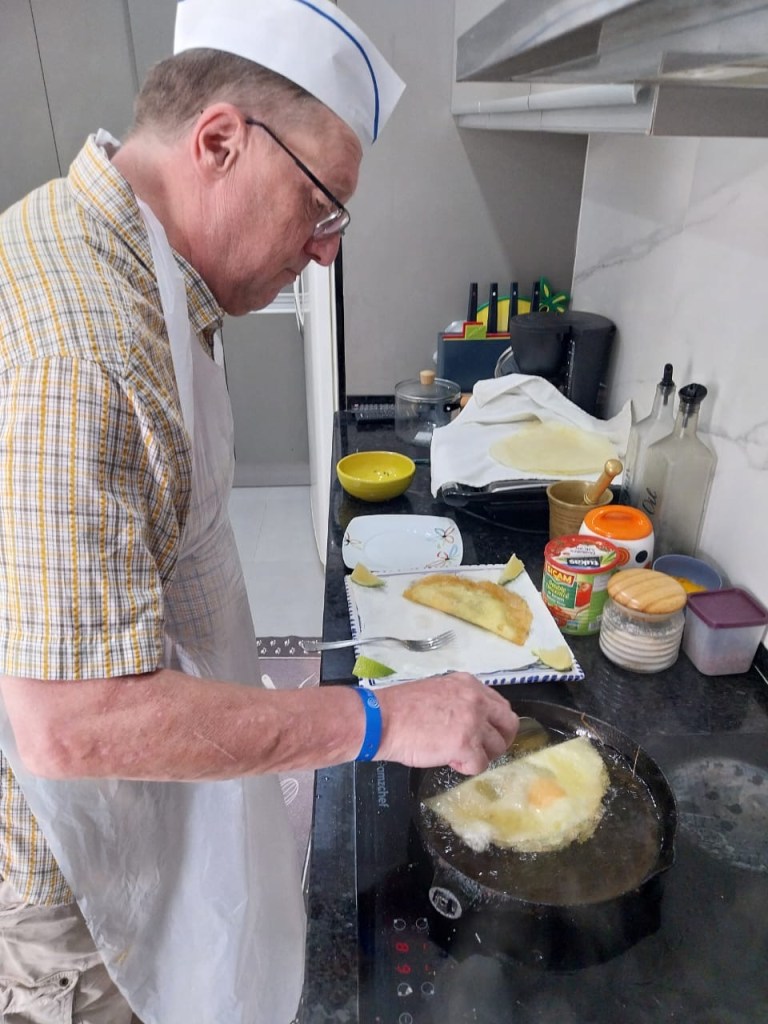
And because I couldn’t resist, I shared my fondness for brik, the iconic crispy treat I once saw Keith Floyd cook on TV at the El Jem amphitheatre – Nabil kindly offered to show me how to make it a special extra.

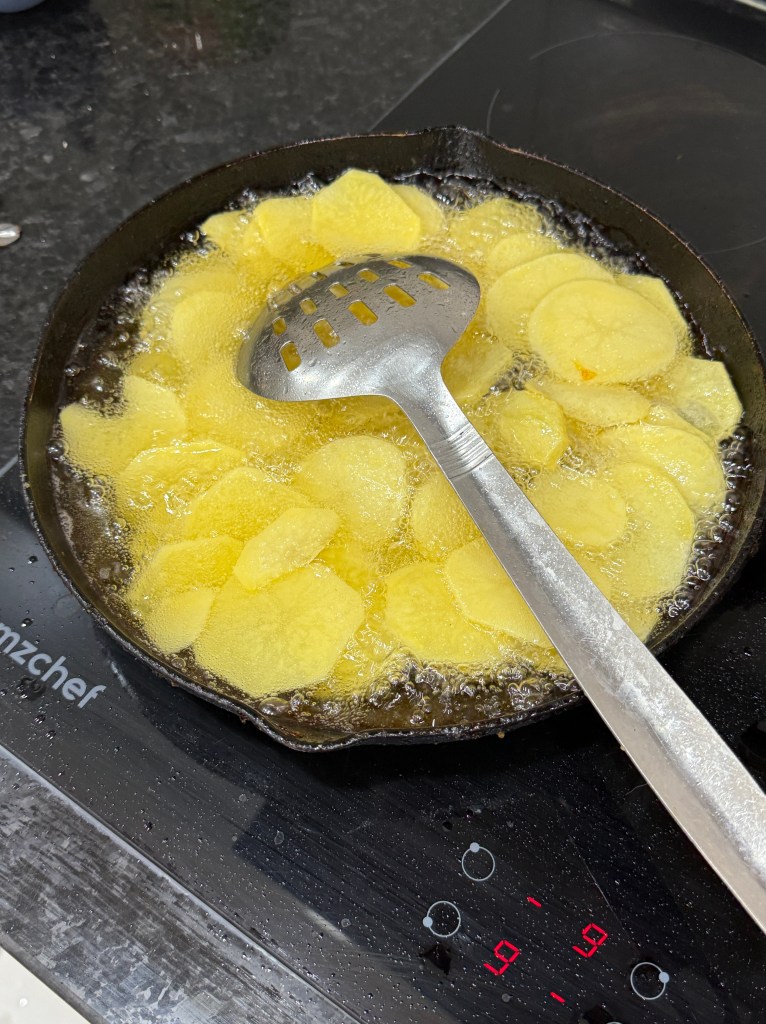
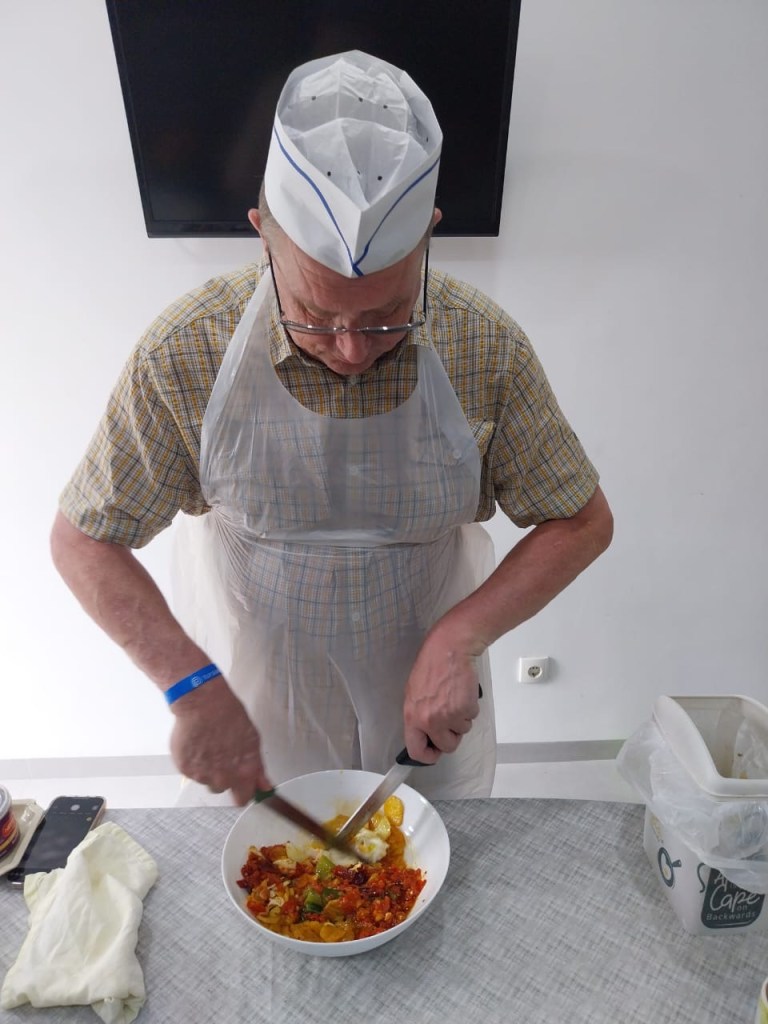
For my second choice, I selected Kafteji: a classic Tunisian street food where fried potatoes, tomatoes, peppers, pumpkin, and sometimes zucchini are chopped together, mixed with eggs, and seasoned with cumin, coriander, and a touch of harissa. Served with warm bread, Kafteji is both rustic and comforting – a staple of Tunisian kitchens and snack bars, enjoyed any time of day and loved for its bold, colourful flavours.

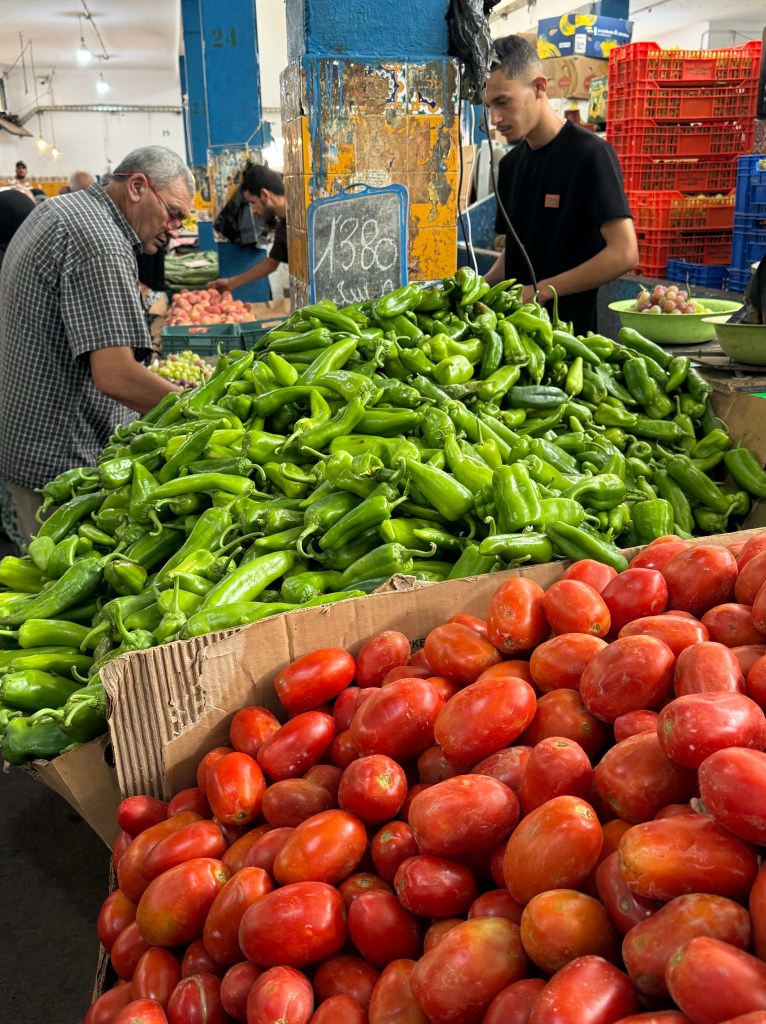
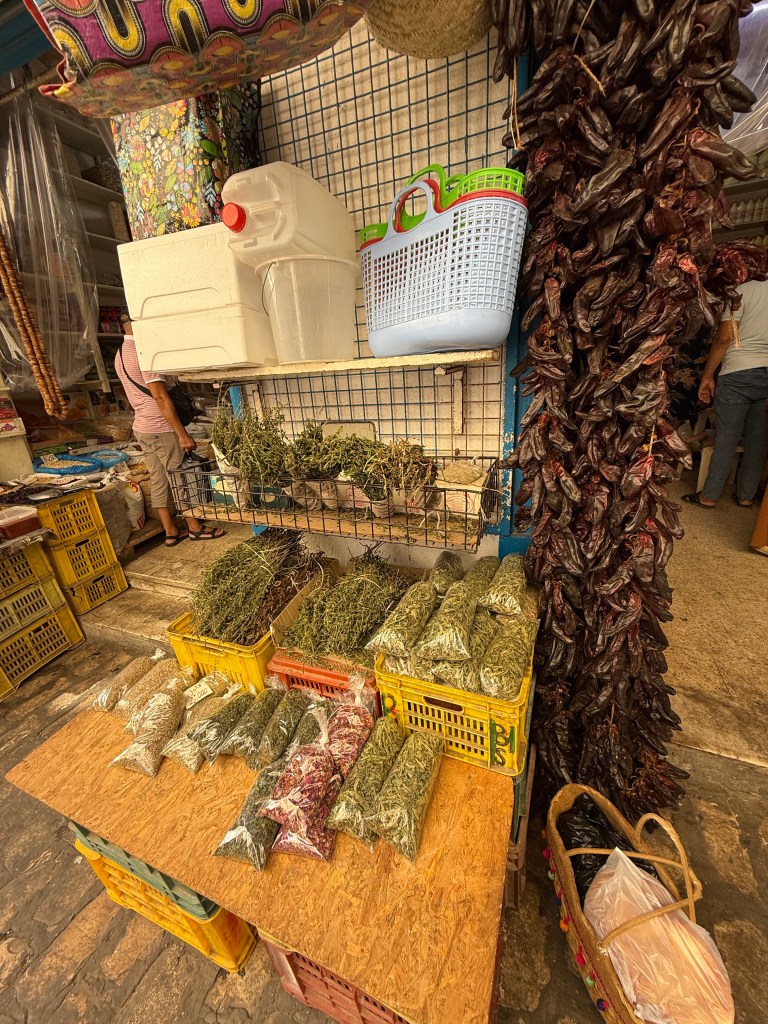
The shopping trip into the heart of the Medina was nothing short of epic. Stepping into a world alive with colour and scent, I found myself surrounded by piles of freshest herbs – dill, mint, coriander, parsley – each leaf and sprig bursting with promise and flavour. Much like my adventures through the hidden corners of Morocco, I purposefully wandered beyond the tourist trail with Nabil to where real life unfolded: bustling market stalls, vendors calling with pride, the air thick with the fragrance of earth and spice.

Shopping where locals shop, I revelled in the ritual of tasting, smelling, and with Nabil, carefully selecting ingredients, seeking only the most vibrant and perfect for the dishes ahead. There is an undeniable thrill to browsing food markets – each stall a feast for the senses, every display telling a story. Familiar greens mingled with new discoveries, the market’s energy and abundance filling me with delight. It was just brilliant, the kind of experience that cooks up lifelong memories alongside the day’s recipes.

If there is one ingredient that always seems more vibrant and irresistible when travelling, it’s the tomato. Abroad, their sun-ripened sweetness and fragrance surpass anything I’ve tasted at home – I simply cannot get enough. During my stay at the hotel, juicy, crimson tomatoes found their way onto my plate at least twice a day, an essential centrepiece in salads bursting with authentic flavour – so unlike the pale, bland offerings I’ve grown used to back in the U.K.

The market was overflowing with them: plump and glistening, heaped in glorious abundance, the scent hanging thick in the air. Each tomato promised the taste of sunshine and earth, a simple perfection that felt almost impossible to capture outside these travels.

We continued our journey through the winding alleys of the Medina, stopping at vibrant market stalls to gather the day’s essential ingredients. Each pause brought another burst of colour and aroma – bright herbs, fresh vegetables, spices so fragrant they lingered in the air. The rhythm of local life pulsed around us, every purchase infused with intention and excitement for the cooking to come.

After the market, we retraced our steps to the car, our bags now heavy with promise. Yet the adventure wasn’t done: on the way to Nabil’s home, we visited a delightful series of specialist shops, each one a treasure trove in its own right. There, we picked up freshly made harissa, fiery and aromatic, plump merguez sausages, and glistening olives. These final, carefully chosen ingredients would tie the meal together, their flavours echoing the spirit of Tunisia – generous, bold, and unforgettable.

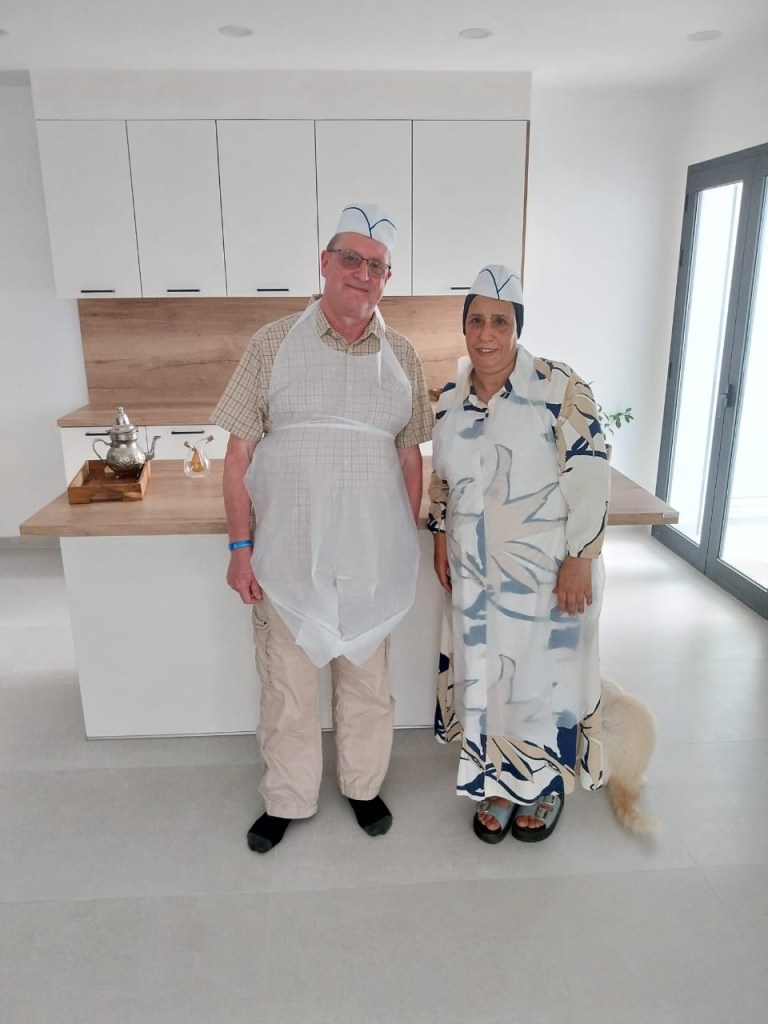
After a short drive, we arrived at Nabil’s family home where I was introduced to his wife and professional chef Nisaf, my guide for the cooking lessons to follow – the home was a tranquil oasis enveloped in greenery and the gentle shade of leafy trees. The house exuded a cool serenity, with its inviting patio and comfortable chairs set out to savour the softness of the Tunisian breeze. The sheltered garden offered a quiet escape, promising a sense of peace and familial warmth.

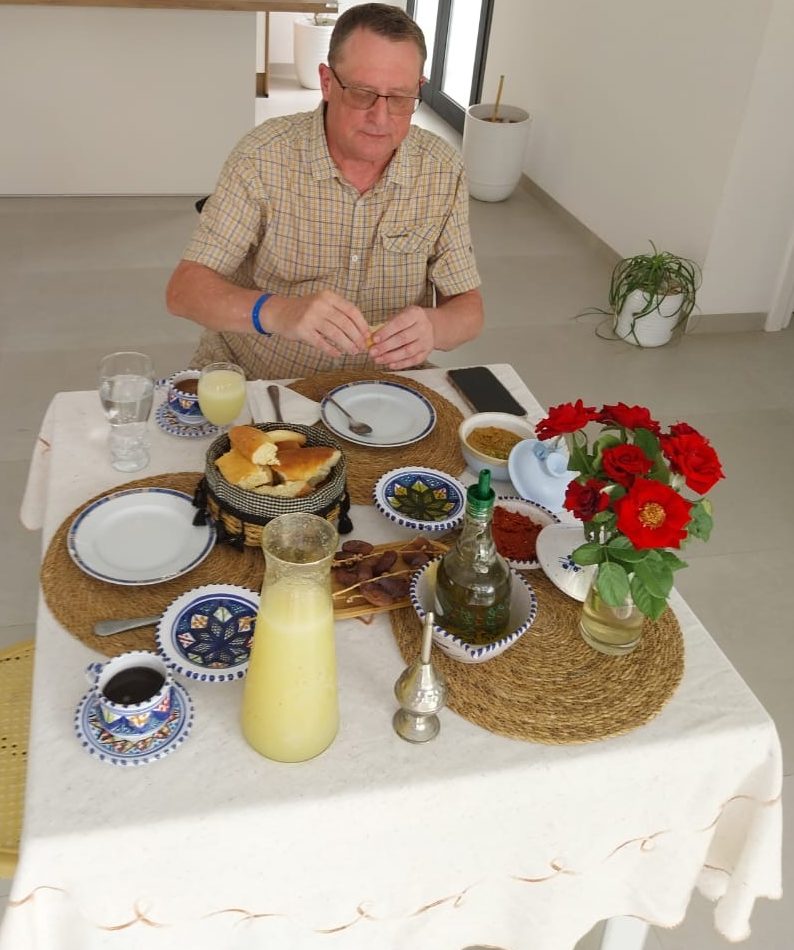
Stepping inside, I was welcomed not as a guest, but as a long-awaited member of the household – greeted by genuine smiles and a hospitality that felt deeply rooted in Tunisian tradition. A table was thoughtfully being prepared with refreshments, an offering that was both generous and heart warming. In this private sanctuary, I felt a true sense of privilege, as if I were rediscovering distant family after many seasons apart.

Bread and deep green extra virgin olive oil graced the table – did you know Tunisia’s olive groves span nearly a third of the country and place it among the world’s top five producers. Renowned for organic, flavourful oils like Chemlali and Chetoui, Tunisia’s harvest is largely exported and garners global acclaim, its reputation now standing proudly beside Spain, Italy, and Turkey.

Alongside were figs and bssisa – a beloved Tunisian staple made from roasted grains and legumes, ground and blended with spices, then enriched with olive oil or milk into a nourishing paste or drink. Steeped in tradition and family ritual, bssisa embodies the essence of Tunisian hospitality, uniting generations through its wholesome flavours and generous spirit. Harissa was there too, the ever-present, fiery chilli paste crafted from sun-dried peppers, garlic, olive oil, and aromatic spices – a condiment that captures the vibrant soul of Tunisian cuisine. Completing the spread, coffee gently scented with rose petal essence offered fragrant, delicious comfort.

The spacious family kitchen was ready for an afternoon of discovery. Here, I was welcomed into the secrets of time-honoured Tunisian cooking, sharing those cherished moments that make one feel utterly at home, if only for a sweet, fleeting afternoon—the anticipation humming with the promise of unforgettable memories.

So, back to my menu, Ojja, Kafteji and Brik, a selection of dishes unknown to me (with the exception of Brik. Nisaf was going to show me how to create this traditional Tunisian dishes and I was excited to learn some new techniques.

Ojja

Ojja is a deeply traditional Tunisian dish with humble roots in home kitchens, reflecting the fusion of Berber, Arab, and Mediterranean culinary influences over centuries. Its signature mix of eggs, tomato, peppers, harissa, and spicy merguez sausage embodies the bold flavours of Tunisia, while adaptations vary regionally and by family. The dish is regarded as a cornerstone of authentic Tunisian comfort food, celebrated for its ability to adapt and unite diverse tastes and ingredients.

Kafteji

Kafteji, now a Tunisian staple found in street stalls and home kitchens, began as a creative way to use available vegetables – potatoes, peppers, tomatoes, pumpkin—chopped and fried, mixed with eggs, and spiced generously. Its preparation style, where all ingredients are diced and mixed, is reflected in its name, derived from the Arabic for “chopped”. While some elements may echo Mediterranean and even Turkish traditions, kafteji’s evolution and widespread popularity are distinctly Tunisian, symbolizing hospitality, creativity, and the communal pleasures of everyday meals.

Brik

Brik’s origins are a tapestry of influences: its ultra-thin pastry (warqa or malsouka) and fried fillings likely evolved from Turkish börek – introduced via the Ottoman Empire – while the classic runny egg filling may owe its presence to Andalusian Jews who arrived in Tunisia after the 15th-century expulsion from Spain. Over centuries, brik became a uniquely Tunisian delicacy, made with potato, egg, seafood, or meat, and featured at holidays, Ramadan, and festive gatherings. Its enduring appeal lies in Tunisia’s layering of culinary traditions, each bite echoing the country’s role as a crossroads of Mediterranean culture.

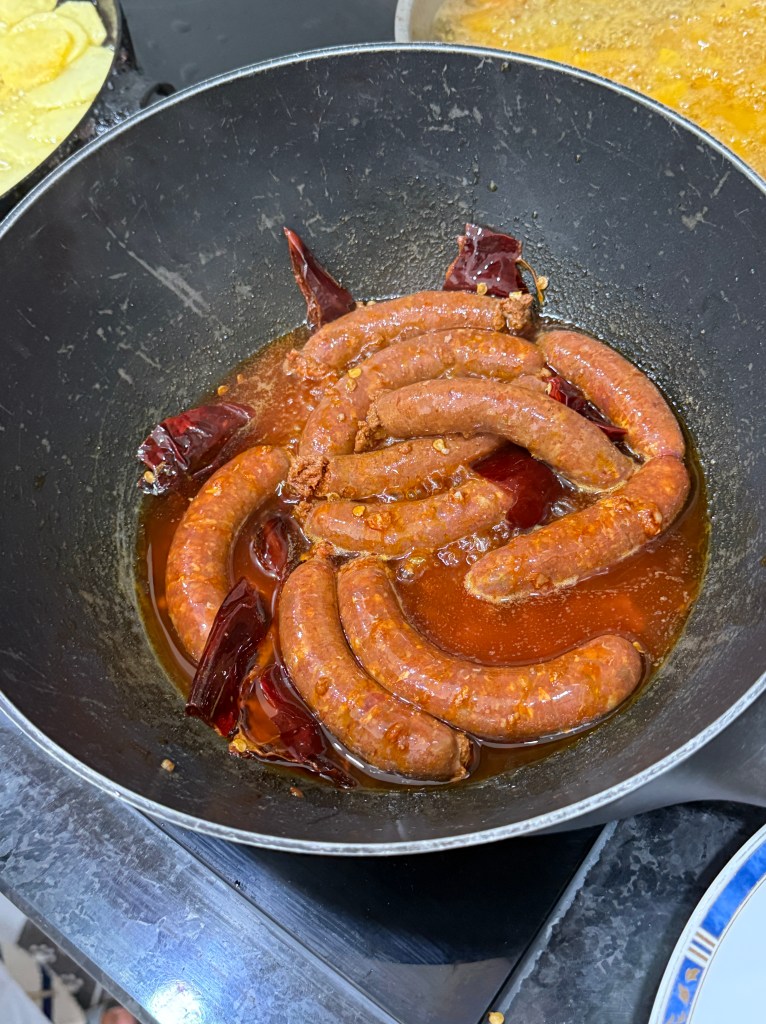
The artistry of Tunisian cooking reveals itself dish by dish, beginning with the bold flavors of ojja. The process starts by pricking merguez sausages with a fork and cooking them separately with some chopped dried chilli, allowing their spicy oils to seep out and deepen their flavour as they brown. Once done, the sausages are set aside, their aromatic fat reserved.

In the same pan, onions and garlic gently sauté in olive oil, joined by chopped green peppers that brighten and sweeten as they cook. Tomatoes and harissa follow, mingling with cumin and coriander until a rich, fiery sauce develops. The browned merguez rounds, glistening with their own juices, are folded back in, and finally eggs are cracked into the bubbling sauce, their whites barely set, yolks golden and just runny. Scooped up with fresh bread, ojja embodies the heart of a Tunisian gathering.

Moving across the kitchen, the creation of kafteji is a celebration of color and texture. Potatoes and squash are sliced thin and fried separately, each piece taking on a golden, crisped edge. Peppers and chilies are fried in turn, then all the vegetables come together in a medley on a broad platter. Fried eggs are then laid across the surface and everything is cut into enticing strips, mingling vegetable and egg in a fragrant jumble. This dish, which is always served for sharing – is wholesome, rustic, full of sunshine and very tasty.

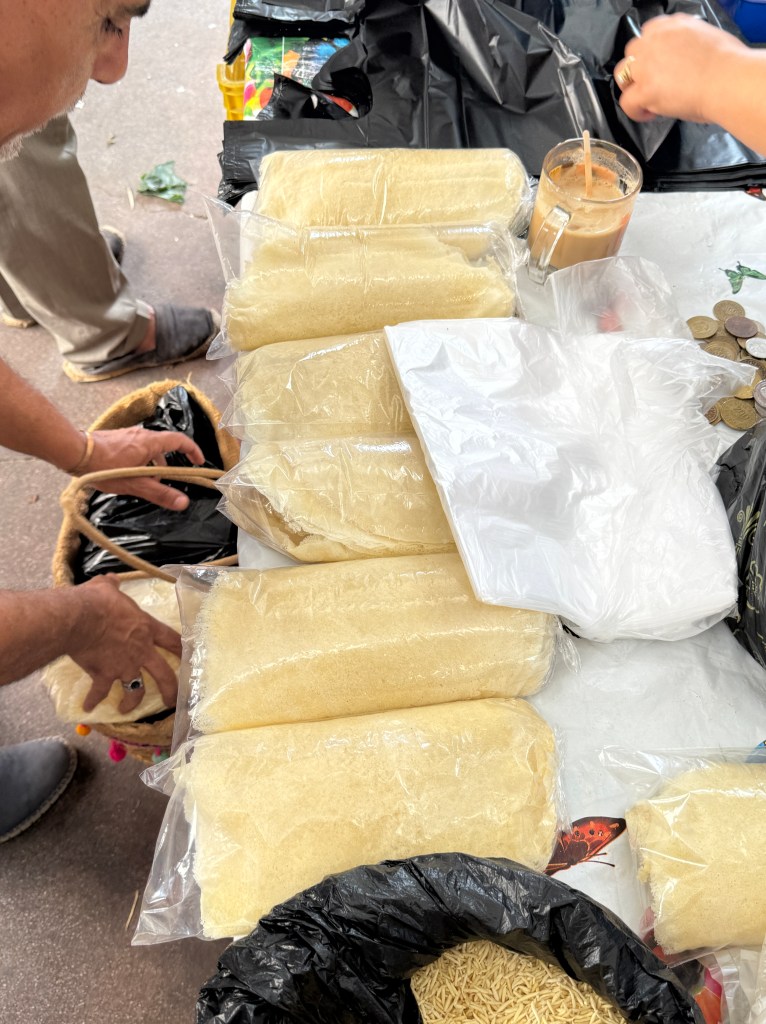
Brik provides the theatrical finale. Each delicate sheet of pastry (malsouka, which we purchased freshly made at the Medina) is filled with a little seasoned tuna placed at its centre, some Tuna. chopped Parsley and a little chopped Onion along with the freshest egg available. The pastry is folded to envelop its filling, with quick, sure hands, and lowered carefully into shimmering hot oil. In just moments, the brik crisps and blisters to a golden finish, the egg inside barely set with a runny yolk. Served immediately, with a wedge of lemon ( and for me Harissa, I love the stuff), brik is crisp yet delicate, a Tunisian delight both sumptuous and fleeting – capturing the very soul of the country’s spirited home cooking.

We drank from traditional white and blue Tunisian terracotta mugs – slightly porous and beautifully handcrafted. The clay kept our drinks deliciously cool, even in the midday warmth, each sip a simple pleasure that echoed centuries of Tunisian craftsmanship and refreshment.

Nisaf was nothing short of magical – a chef imbued with talent and generosity, guiding each step with a graceful confidence that made every new technique feel within reach. With Nabil’s able hands and his effortless translation between languages, learning was transformed into pure delight; culinary secrets became stories, and the kitchen itself pulsed with laughter and the easy rhythm of shared discovery. As we finally sat down to savour the feast we’d created, each bite shimmered with the flavours of Tunisia, rich with memory and promise. I left the table not only filled with the most delicious food, but also with a new treasury of knowledge and inspiration – thirty genuine recipes tucked eagerly into my bag, ready to carry the vibrance of Tunisian cuisine into my own kitchen, time and time again.

After I arrived back to the U.K. I was invited to join a Sicilian Cookery Session at Richard Bertinets Cookery School in Bath which I will be writing about soon.

………………………………. Until Next Time…………………….. L8ers

From Golden Maakouda to Ocean’s Bounty, and Couscous Steeped in Time: Savouring the Soul of Essaouira – (Day 3)

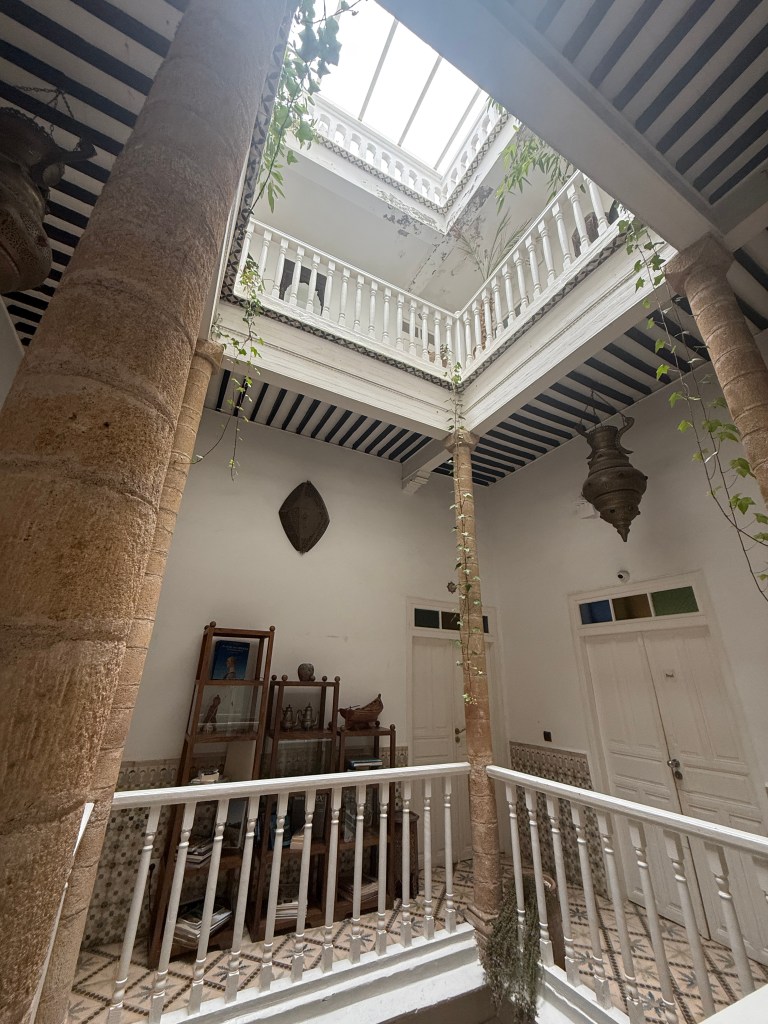
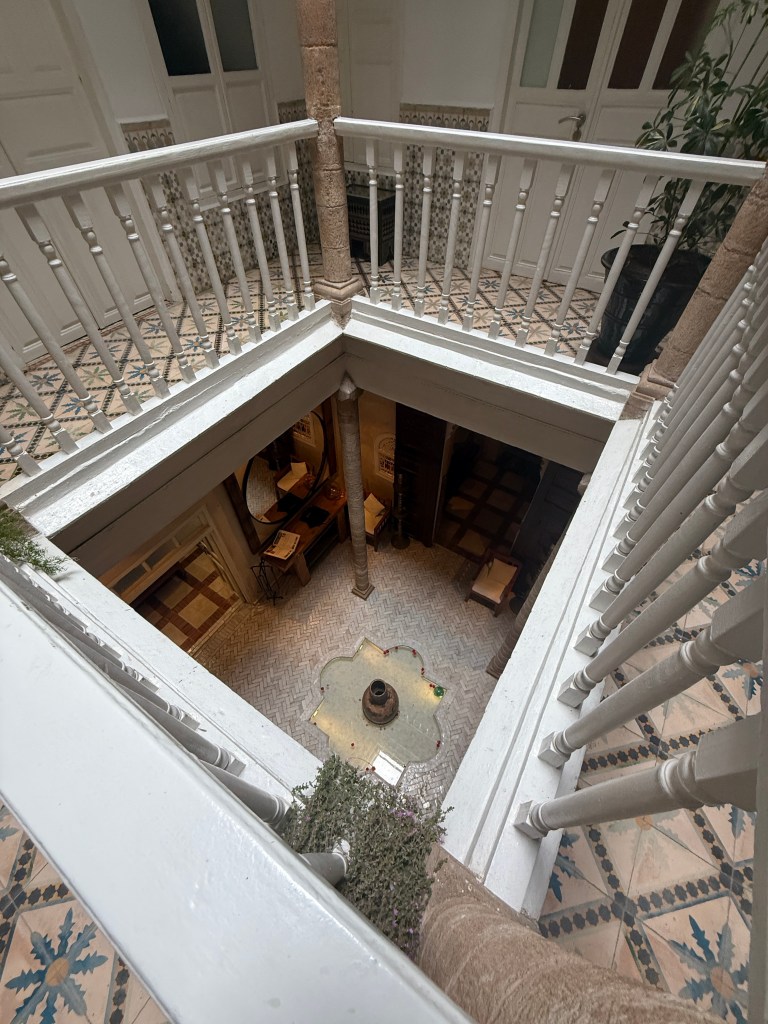
I’d arrived in Essaouira the afternoon before, the Atlantic breeze ushering me through the medina’s winding lanes. My carossa – the quiet, determined man with his battered two-wheeled cart struggled to find Riad Malaika, its entrance hidden deep within a shadowed alley where not even the afternoon sun could reach. After a few wrong turns, some good-natured directions from locals, and a laugh at our shared confusion, we finally found the heavy wooden door. The riad welcomed me with its cool, tranquil courtyard, a secret oasis in the heart of the city.

Later, as dusk settled over Essaouira, I found myself alone at Butterfly Space. The hum of conversation and the clatter of cutlery were a gentle backdrop to my solitary meal, a plate of something vibrant and local, each bite a quiet celebration of arrival. The flavours lingered, weaving themselves into my first memories of the city.

That night, the riad wrapped me in its calm, the world outside fading into silence behind ancient walls.

At first light, the stillness was broken by a wild chorus of seagulls wheeling above the rooftops, their cries echoing through the medina and tugging me from sleep. Essaouira was waking, and so was I, drawn from dreams by the restless energy of the Atlantic and the city’s salt air. It was Monday, I think, though Morocco has a way of making days blur together. A new day had begun, one filled with promise, the memory of a solitary feast, and the wild, joyful chorus of seagulls overhead.

Breakfast was a delight, a celebration of Moroccan hospitality, almost too generous for the modest table. Jewel-like dried fruits and nuts waited beneath a glass-topped container, inviting discovery with every lift of the lid.

There was fresh bread, still warm and fragrant, perfect for scooping up the star of the morning: Amlou, that magical blend of roasted almonds, golden argan oil, and honey, rich and nutty, its flavour lingering long after each bite.

A single slice of crispy French toast, likely cut from a baguette, added a subtle sweetness and crunch, a golden accent among the morning’s offerings.

A variant of traditional Harcha, the rustic semolina cake, brought a tender, savoury note, its edges just crisp enough to satisfy. A glass of fresh fruit juice, vibrant and cool, stood alongside a beautifully prepared fruit salad, each piece glistening as if kissed by the morning sun.

Black tea, deep and fragrant, was served simply in a cup, its warmth and aroma a gentle comfort, mingling with the scents of homemade jam and honey from tiny pots nearby. A one-egg omelette completed the spread, a quiet companion to the abundance around it, and a reminder that simplicity can be its own luxury.

It was a breakfast to savour slowly, each element a note in a harmonious Moroccan morning, welcoming, generous, and filled with the promise of the day ahead.

As I carried my case down to reception, a gentle summons awaited me, Amanda, my guide and chef, and our driver had just arrived at the city’s edge. The hotel’s own carossa expertly appeared, his two-wheeled cart gliding through the labyrinthine corridors of the medina with a grace born of years navigating these ancient stones. We emerged at the medina’s threshold, where our new driver, Adil, greeted us with a beaming smile; kind, gentle, and unfailingly polite, his calm presence a welcome anchor amid the lively swirl of Moroccan traffic, which always seems to dance somewhere between chaos and choreography.

With my bags stowed in the 4×4, Amanda and I slipped back into the medina’s embrace, eager to explore its secrets and gather fresh produce for the day’s adventures. The morning air was alive with possibility as we wandered between sunlit alleys and cool shadows, pausing to admire the vibrant displays of local shops.

Our first stop, the legendary Pâtisserie Driss, was shuttered for Eid al-Adha, the sweet scent of celebration lingering in the air even as the doors remained closed. Undeterred, we wandered on and soon discovered Pâtisserie Boujemaa, its windows brimming with confections that sparkled like jewels in the morning light.

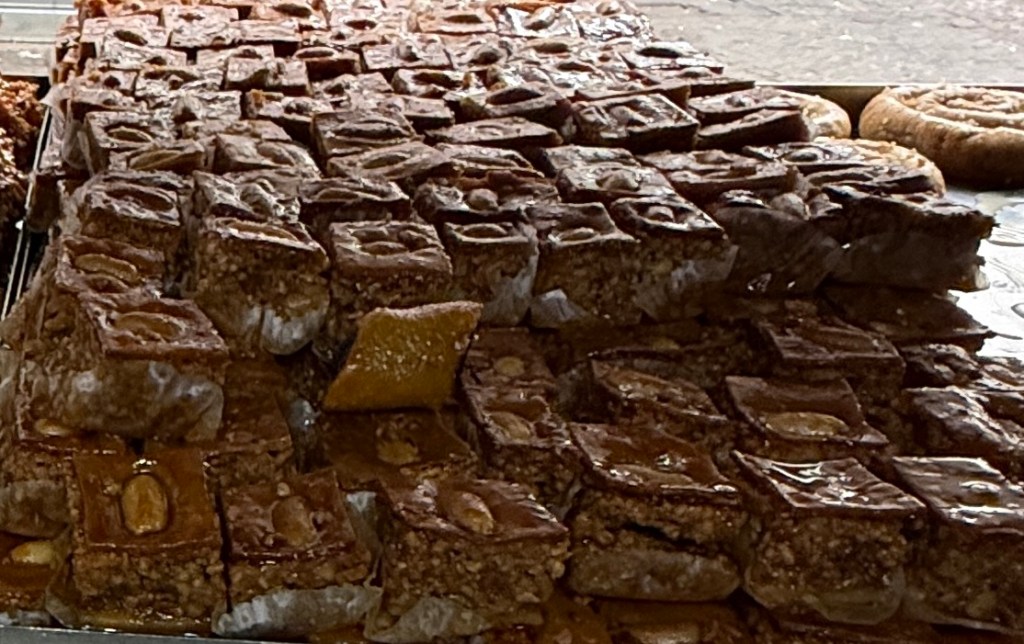
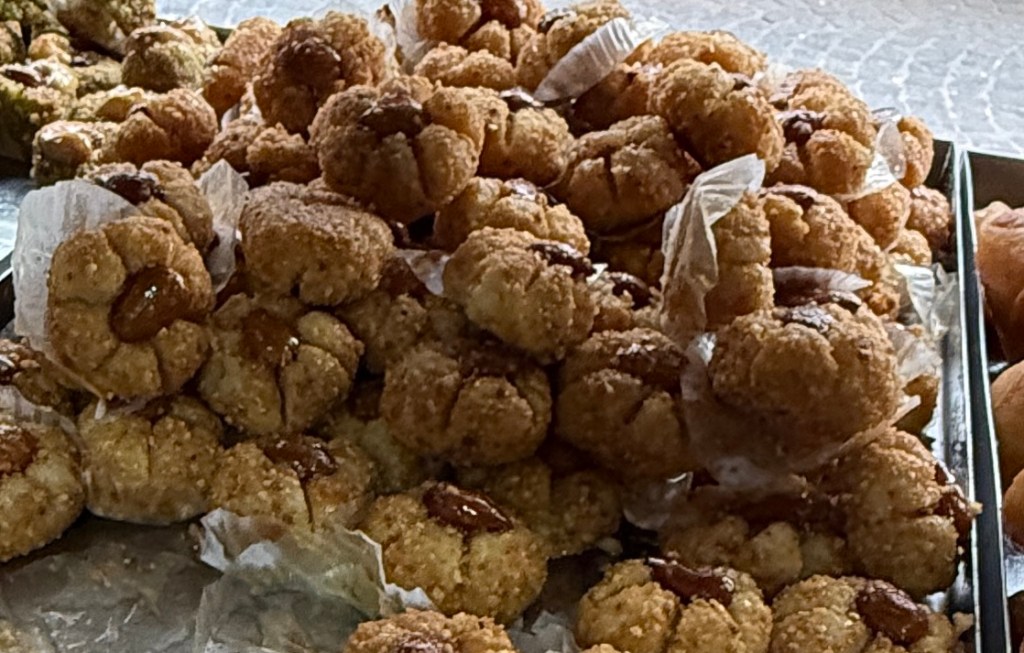
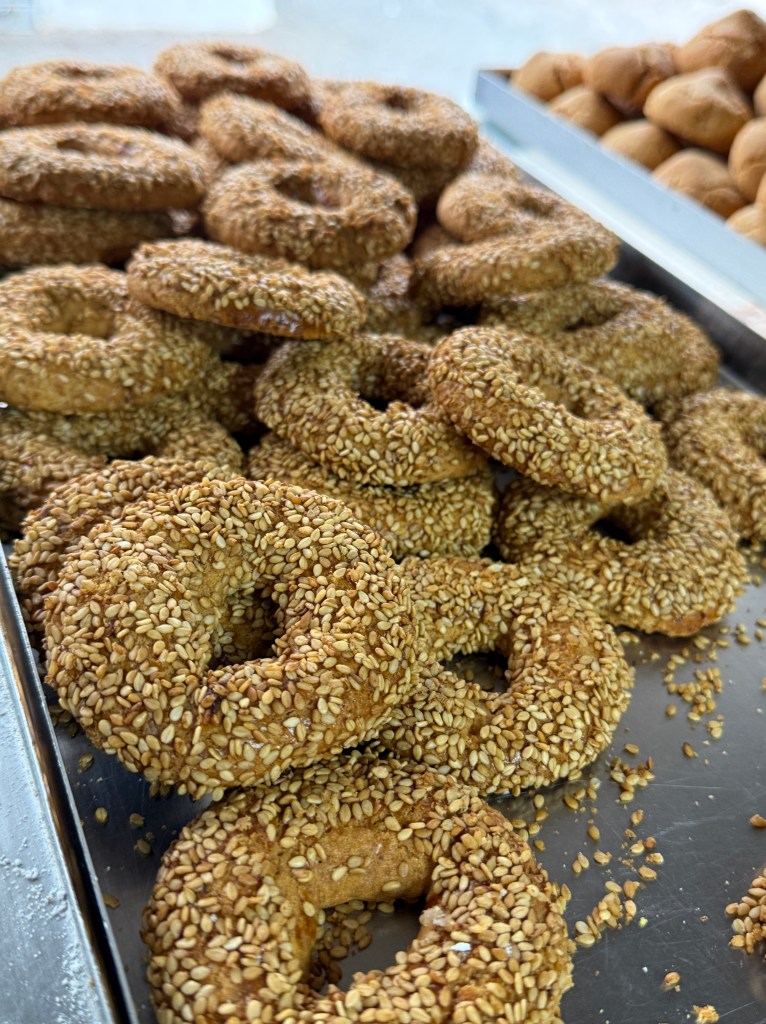
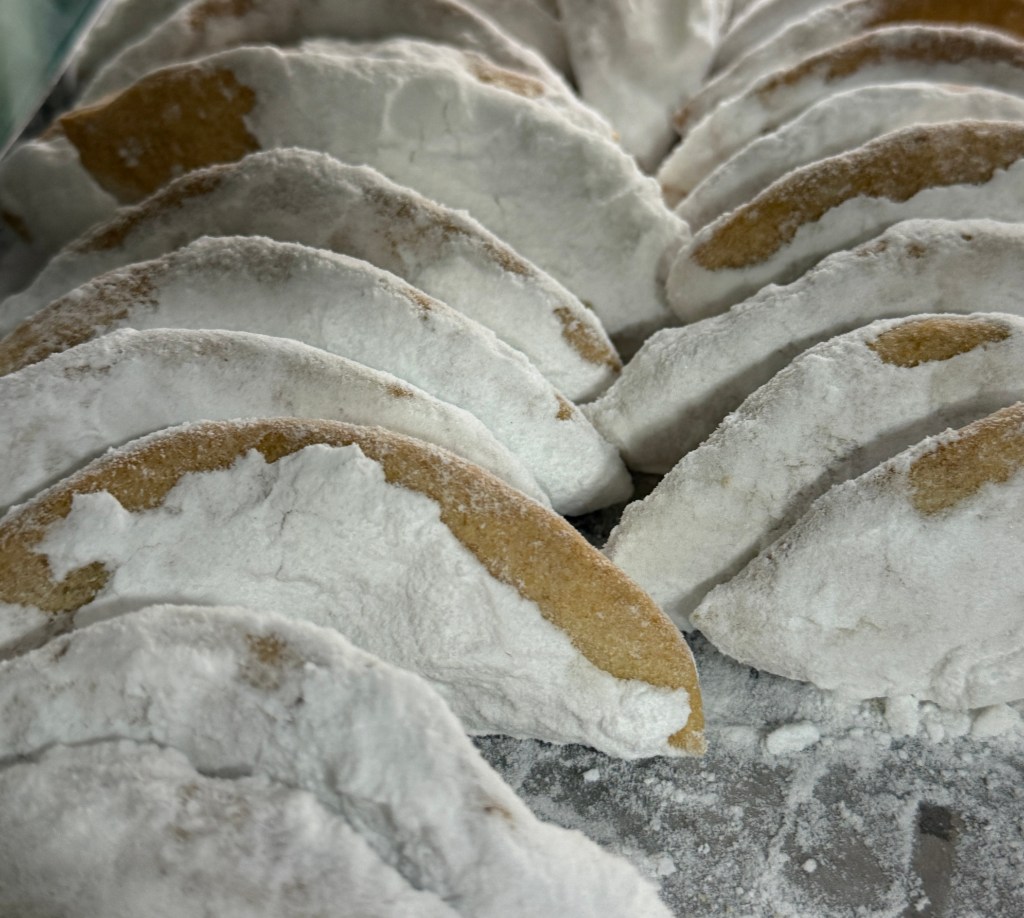
Stepping inside felt like entering a world of Moroccan enchantment, orange blossom and honey perfuming the air, trays laden with cornes de gazelle, glossy chebakia, crumbly ghoriba, and crisp briouats. Each pastry was a testament to Morocco’s centuries-old tradition of hospitality and artistry. For just 150 dirhams, we left with a full kilogram of these sweet treasures, each bite a celebration in itself, some sweet treats for rest of the week.

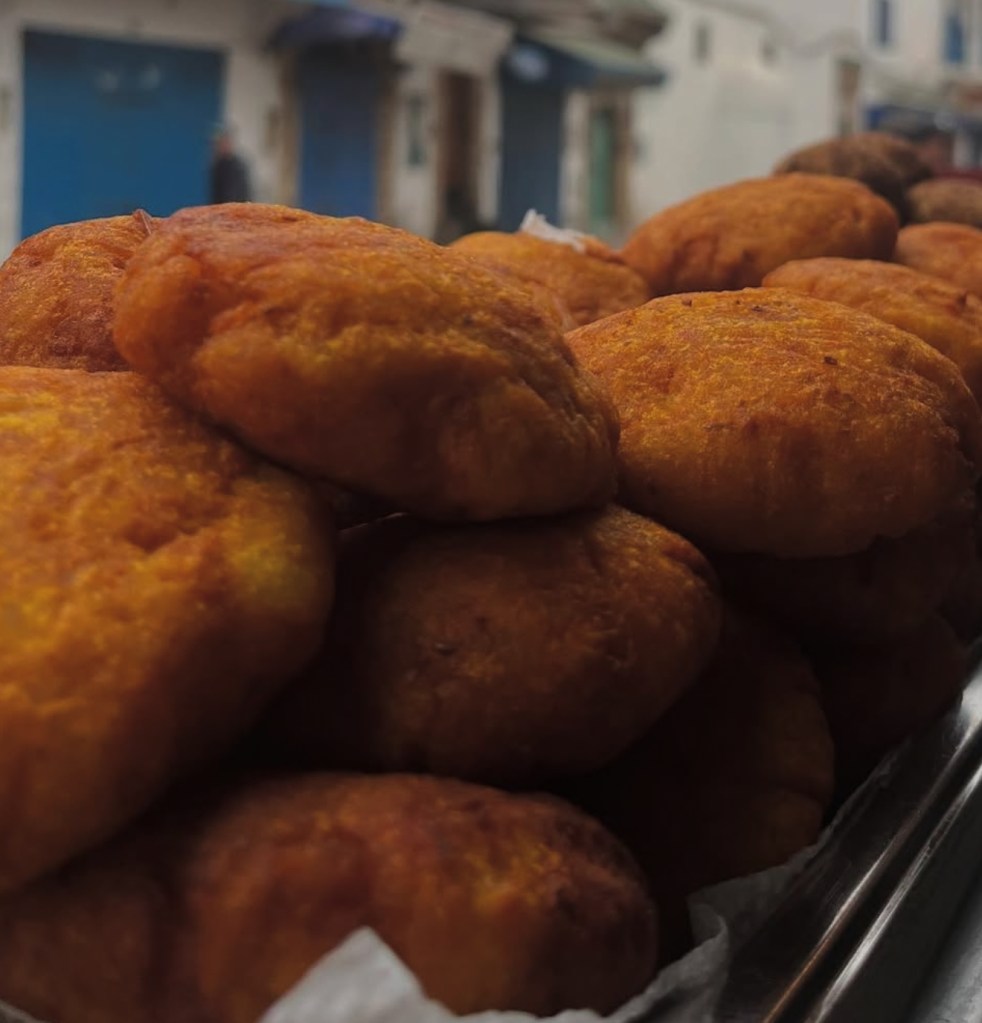
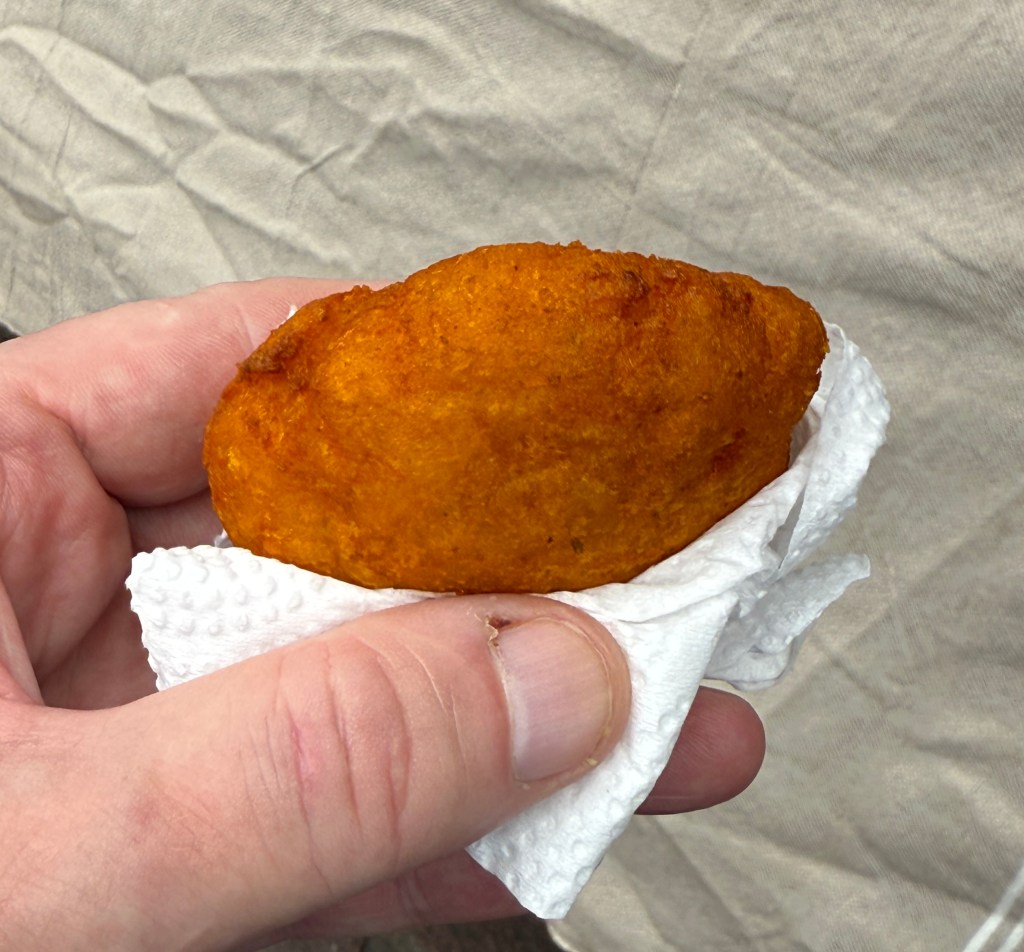
We wound our way through the medina’s twisting corridors until we reached one of the main thoroughfares, where our first snack stop awaited: maakouda. We enjoyed them just as they were, fresh from the fryer, golden and crisp, with no need for accompaniments. Eaten plain, the gentle warmth of turmeric and cumin took centre stage, allowing the comforting flavours of these humble potato fritters to truly shine. There’s a special charm in the simplicity of Moroccan street food, and with each bite of maakouda, we tasted that perfect balance of spice and tradition.

Shopping in Morocco is a true adventure for the senses. Here, the focus is on flavour rather than flawless appearance; tomatoes, courgettes, and carrots may not look perfect, but their taste is unbeatable. We delved deep into the medina, venturing into bustling corners where few travellers stray, on a mission to gather ingredients for our culinary explorations. This was a foodie holiday, after all, and Amanda, an exceptionally talented chef, was eager to discover every hidden gem. In one shop, chickens clustered together in a large open box, a scene both fascinating and distinctly local. The vegetable stalls were overflowing with vibrant produce, and we selected earthy beetroots for a trout cure back at the villa, along with fresh courgettes and carrots for the couscous we’d prepare later. Wandering through these tucked-away markets was both fun and eye-opening, the abundance of vegetables, the lively atmosphere, and the remarkably low prices all added to the magic of our Moroccan shopping adventure.

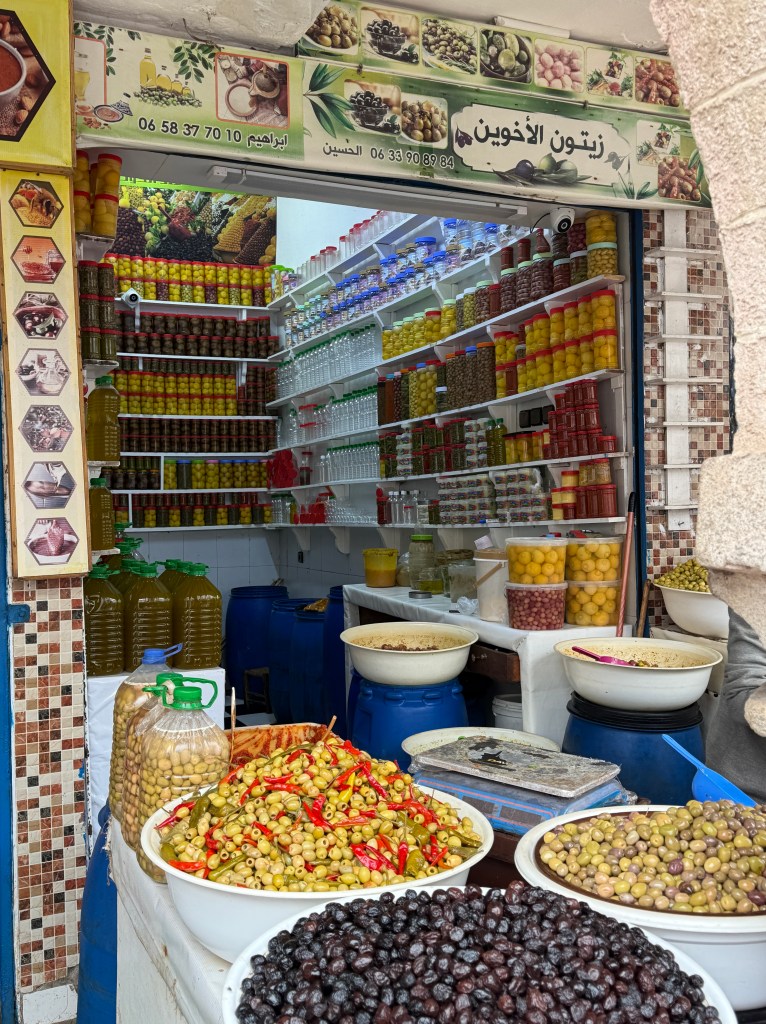
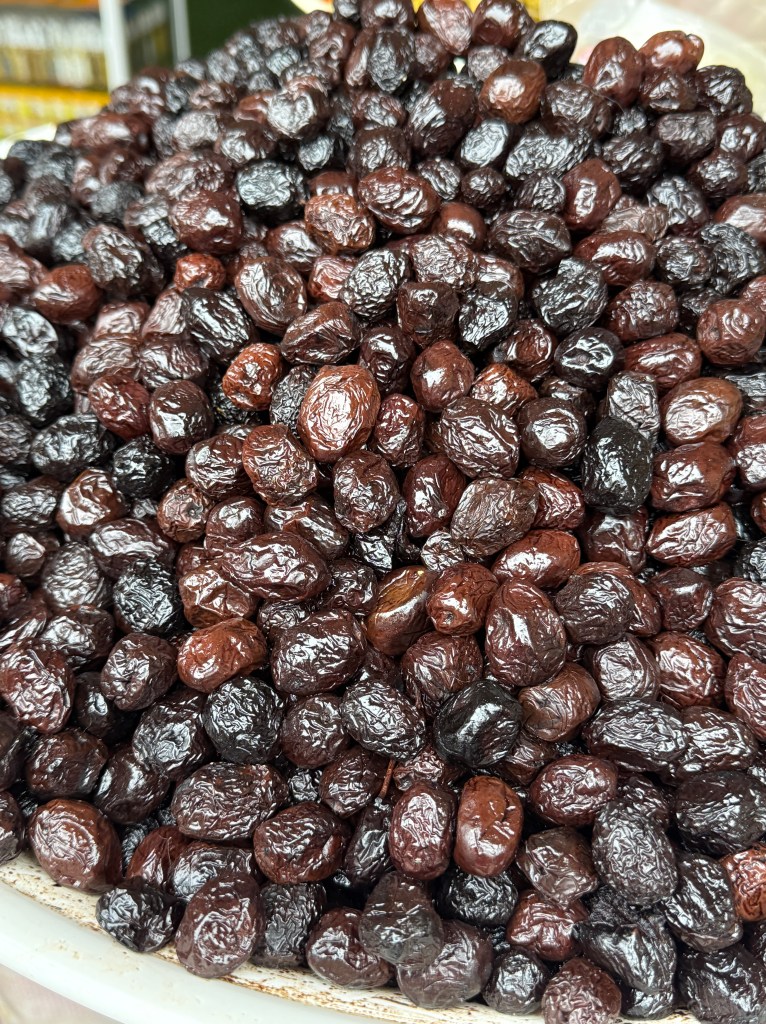
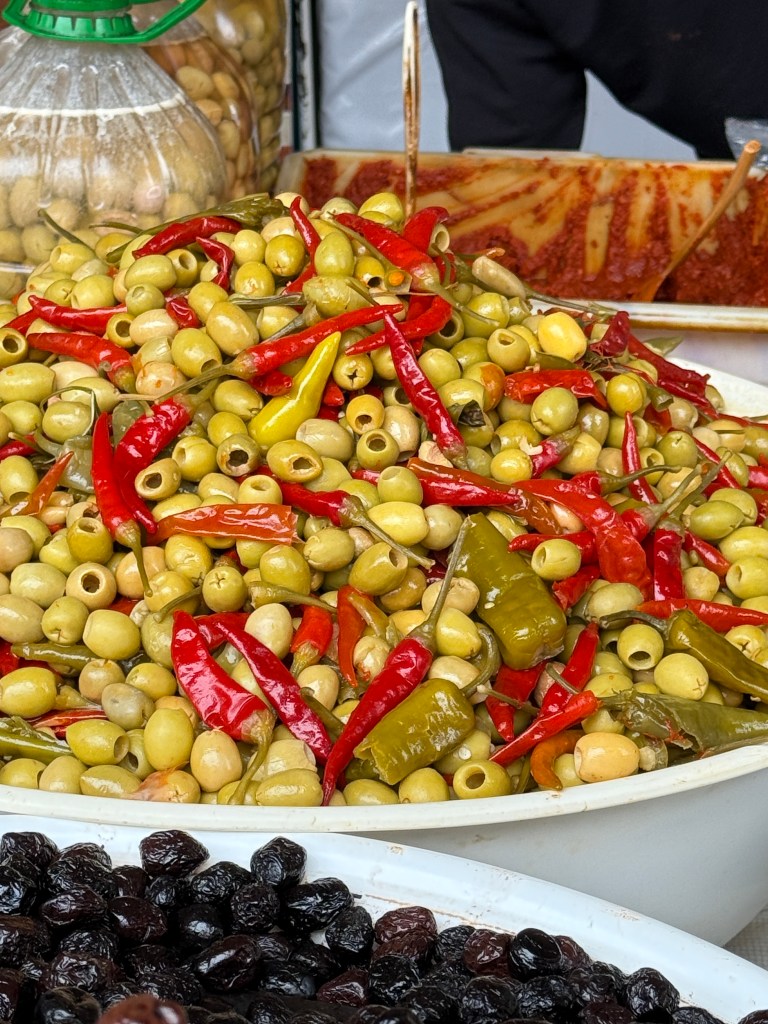
We settled in for a good half hour over a glass of steaming mint tea at a tiny café nestled beside a lively market stall, where great tubs of glossy olives in every shade of green and purple caught our eye. The stall was a paradise for any food lover; mounds of spicy green and red harissa, generous portions of rich, aromatic khlii (Moroccan preserved lamb), and an ever-changing parade of locals stopping by for their daily essentials.

As we lingered over our sweet atay b’naanaa, the air alive with the mingled scents of herbs and spices, we soaked in the vibrant scene. For anyone curious, atay b’naanaa simply means “mint tea” in Moroccan Arabic – atay is tea, and naanaa is mint, so there’s no banana involved, just a fragrant blend of green tea, fresh spearmint, and sugar. Here, at the heart of the medina, surrounded by the raw ingredients of Moroccan cuisine, each sip of tea felt like a celebration, a leisurely pause and a perfect window into daily life before our next culinary adventure.

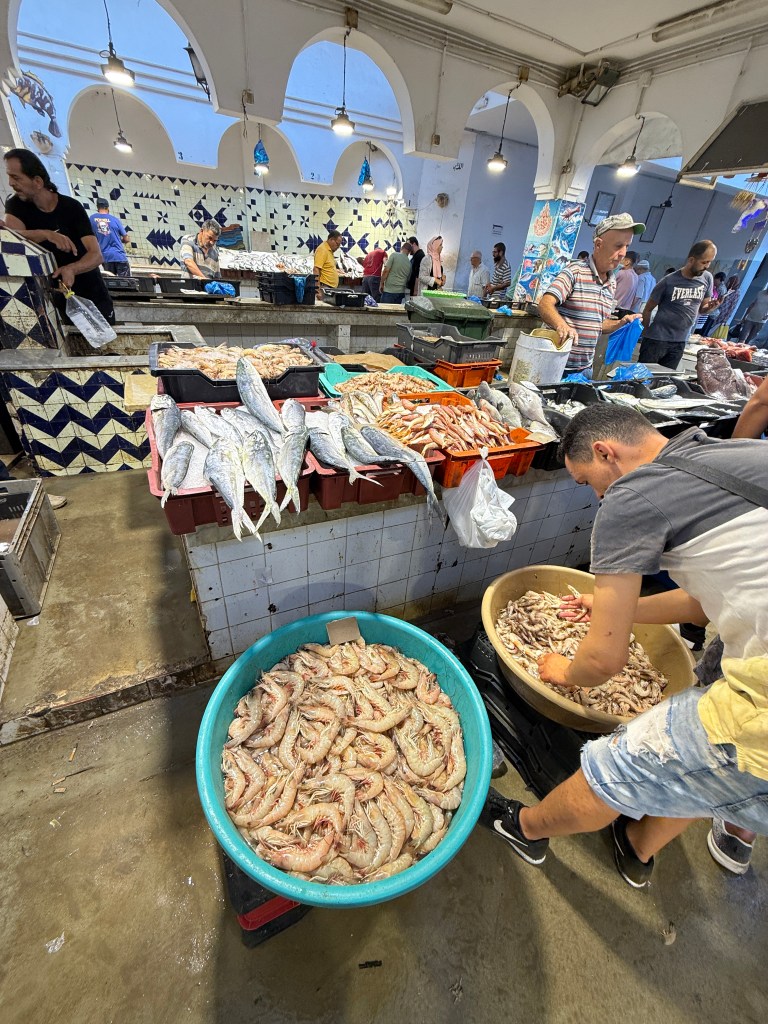
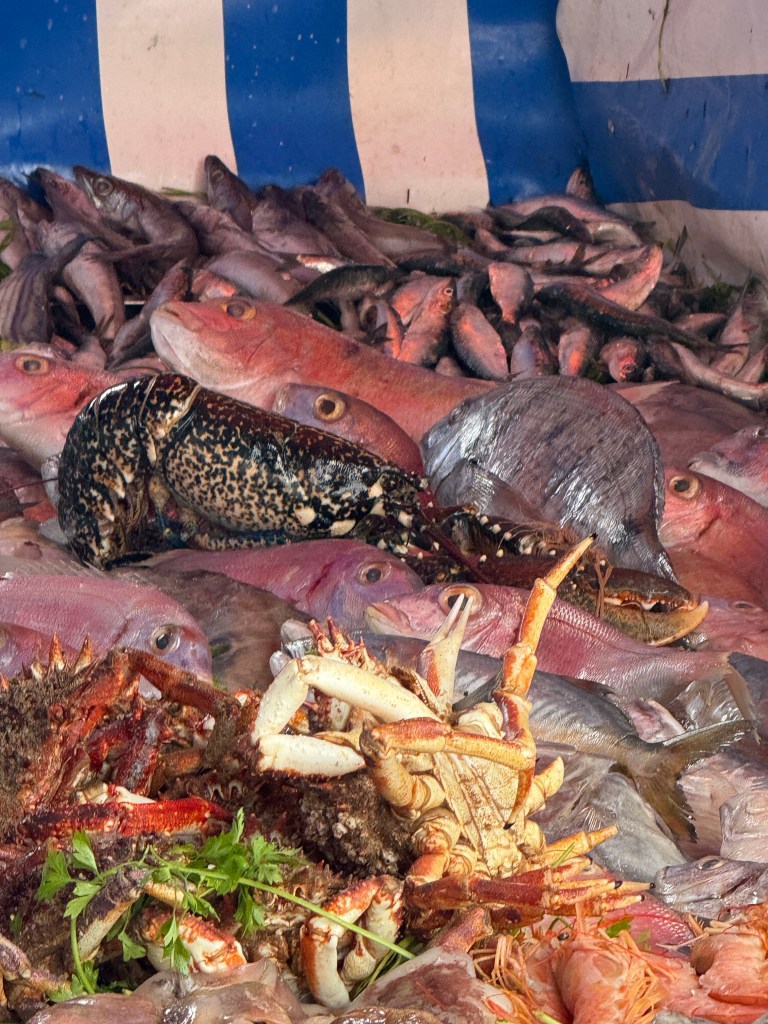
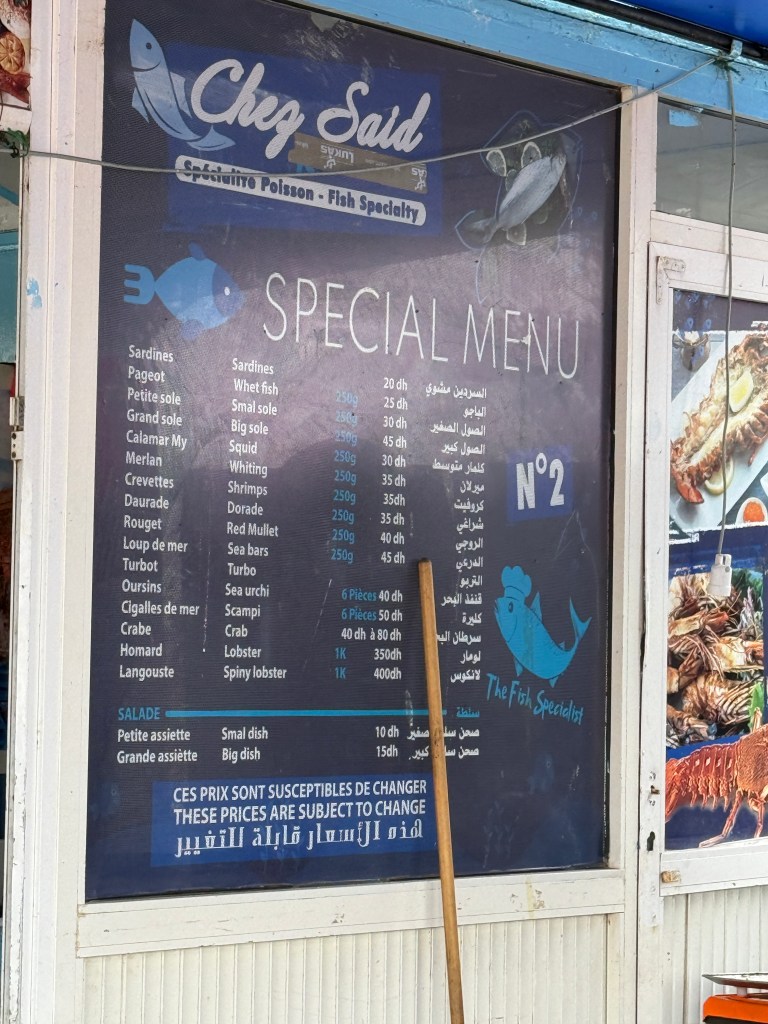
After the excitement of selecting fresh fish and prawns from the morning’s catch and savouring them perfectly grilled over charcoal, we spent a wonderful few hours exploring the medina’s winding alleys. The markets brimmed with vibrancy, tubs overflowing with glossy olives, heaps of fiery harissa, and generous servings of khlii, all set to the backdrop of everyday Moroccan bustle. Laden with ingredients and inspired by the sights and scents around us, we set off for our next destination: La Fromagerie, an artisan goat’s cheese maker, where we hoped to discover yet another delicious facet of Morocco’s culinary heritage.

Leaving the bustle of Essaouira behind, we set out on a scenic 13-mile journey along the N8, turning onto the R301 as the landscape unfurled before us. Hidden well back from the road, La Fromagerie emerged like a serene oasis—so peaceful that the distant hum of traffic vanished completely. The air was fragrant with blooms from lush gardens, and vibrant flowers framed the entrance, setting the tone for what felt like a secret retreat.

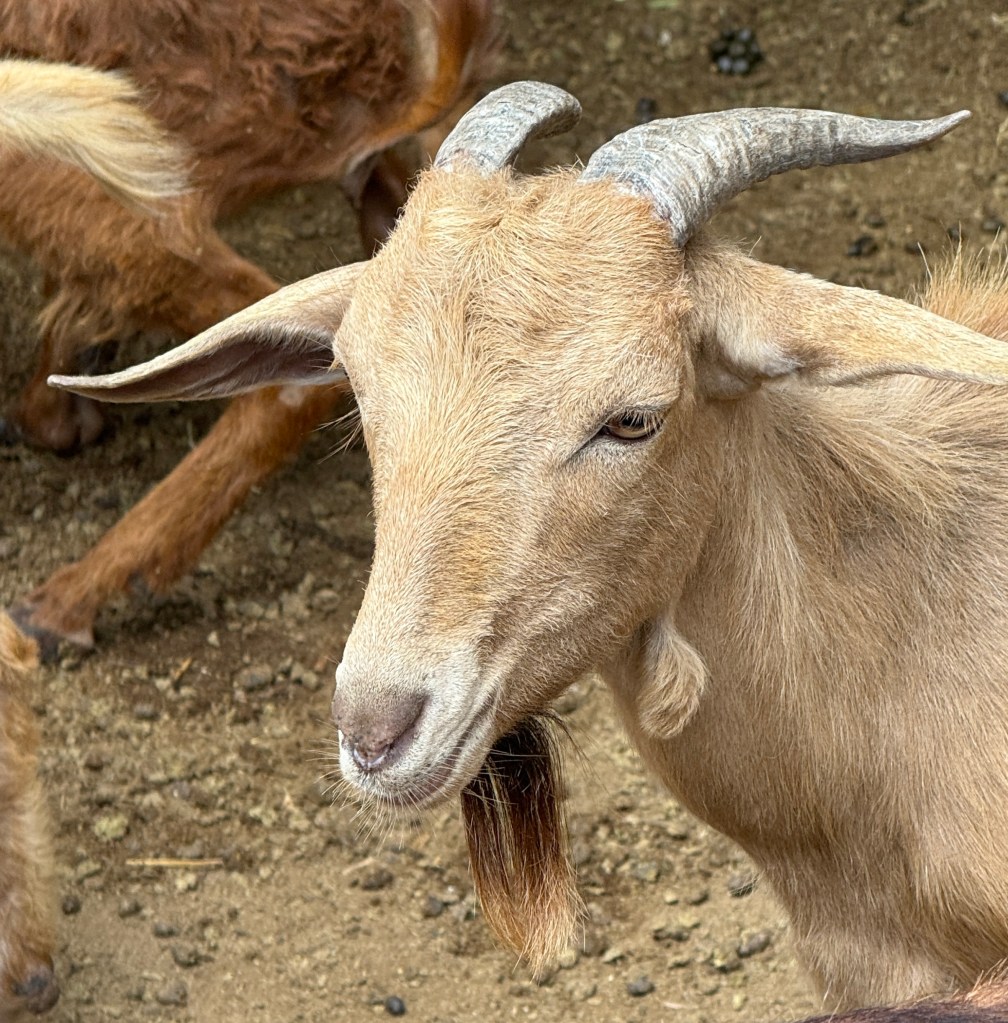
We were welcomed with a fascinating tour of the goat cheese production unit, where the day’s fresh milk was being transformed into creamy rounds of artisan cheese. The resident goats, content and curious, grazed nearby, while chickens scratched in the shade, supplying eggs for the kitchen. It was a beautiful glimpse into the rhythms of living off the land—a place where sustainability and tradition go hand in hand.

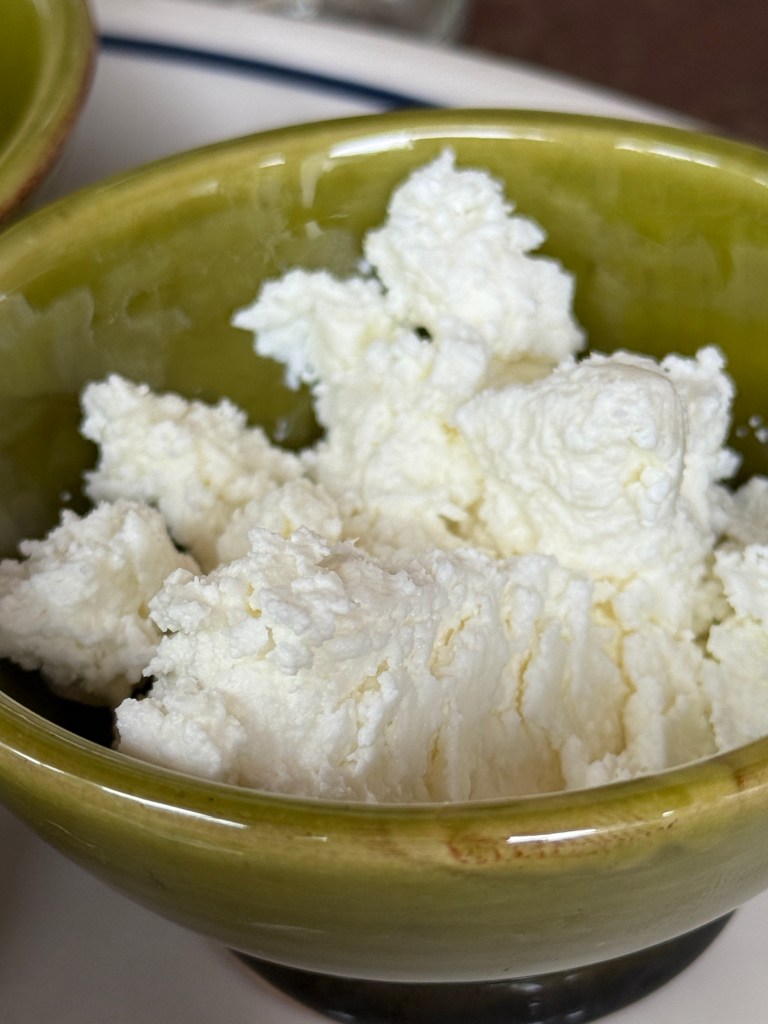
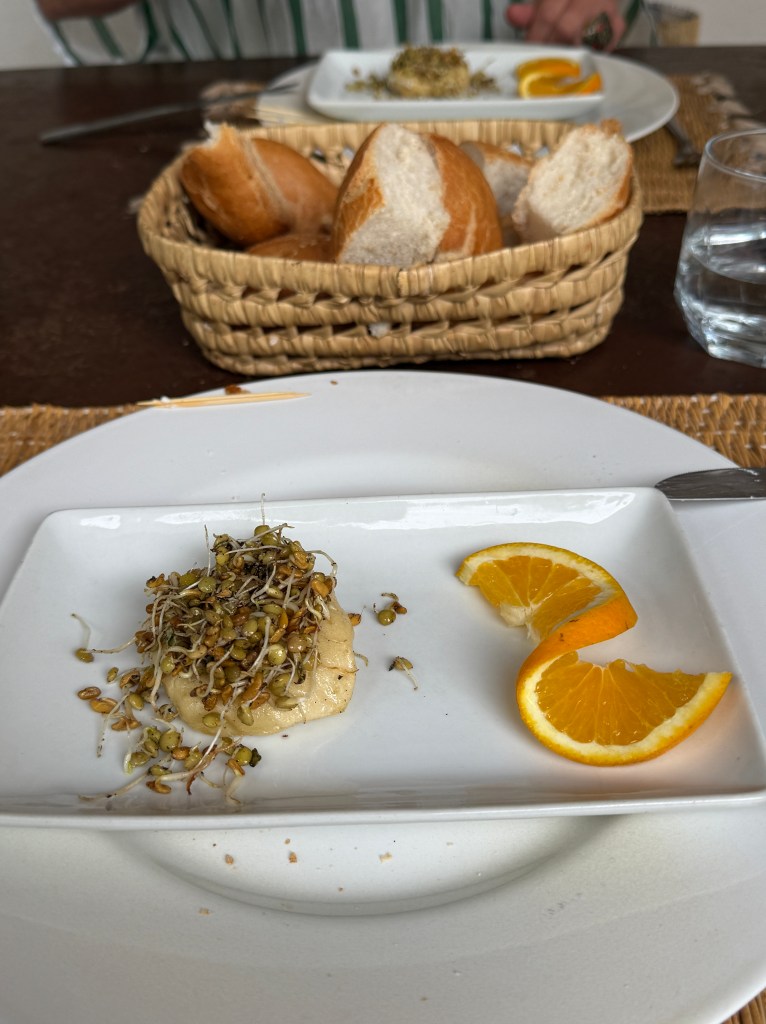
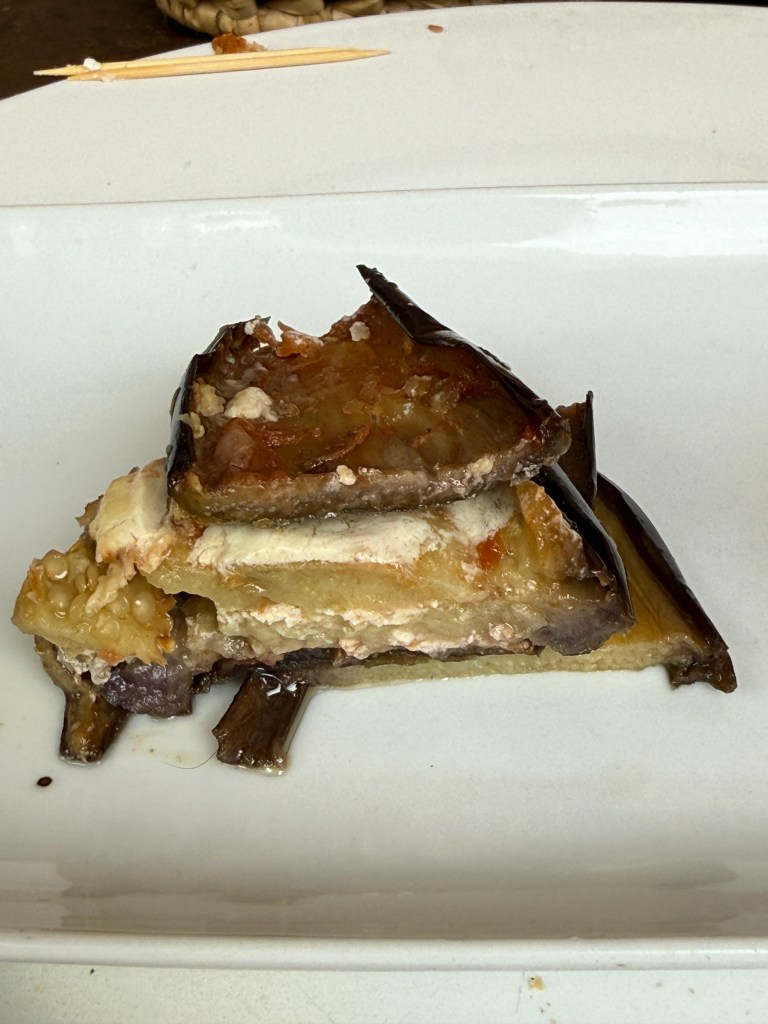
The meal at La Fromagerie was a true celebration of local flavours and craftsmanship. We began with a tasting of goat’s cheeses at varying stages of maturity, each one offering its own subtle character and creamy tang. Next came a delightful starter: a round of grilled cheese, its molten centre wrapped in a delicate bread crust and crowned with a tangle of sprouting pulses, simple yet utterly irresistible. Layers of silky aubergine followed, perfectly cooked and infused with just a whisper of tomato and chilli, each bite a harmonious balance of earthiness and warmth. To finish, we savoured ‘lamb mechoui‘, tender, succulent, and deeply flavourful, a dish that lingered long in the memory. Every course was a testament to the art of rustic Moroccan cooking, and together they made for a lunch that was nothing short of perfect.

For those tempted to linger, La Fromagerie also offers charming rooms for an overnight stay, inviting guests to fully immerse themselves in this tranquil corner of rural Morocco.

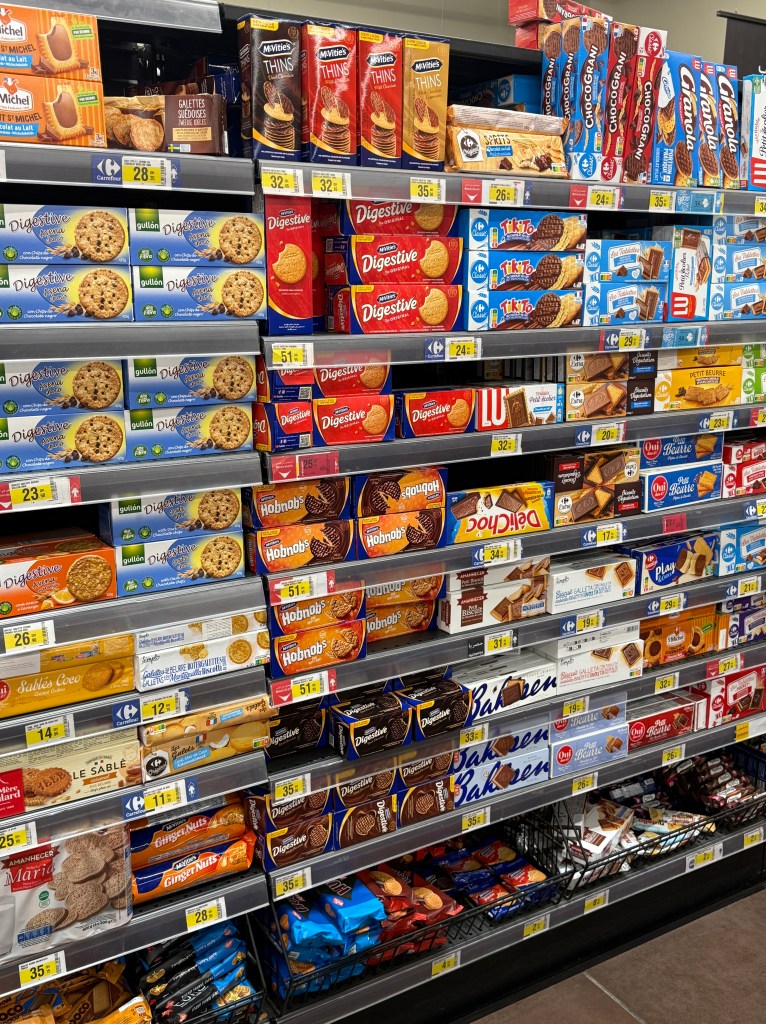
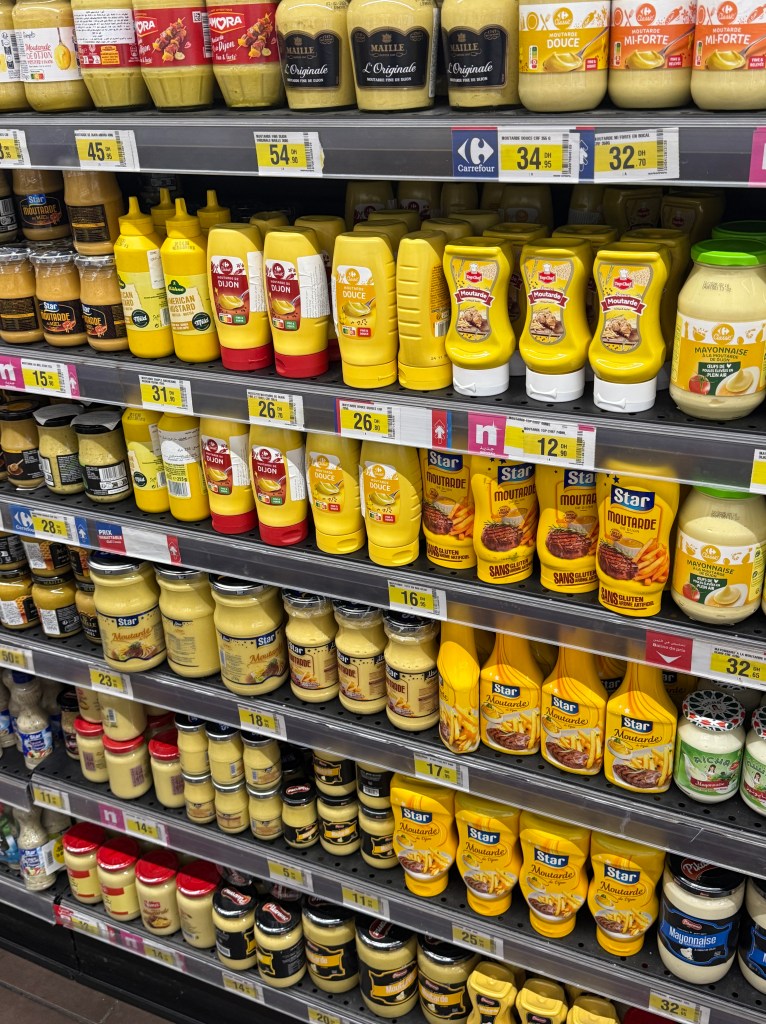
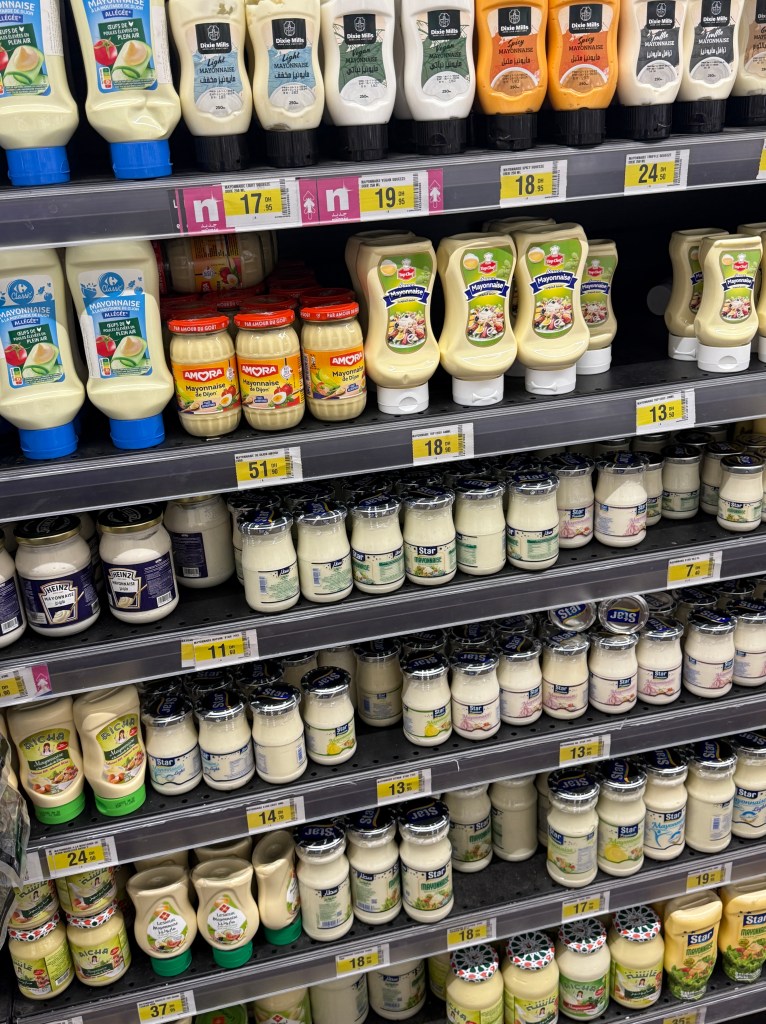
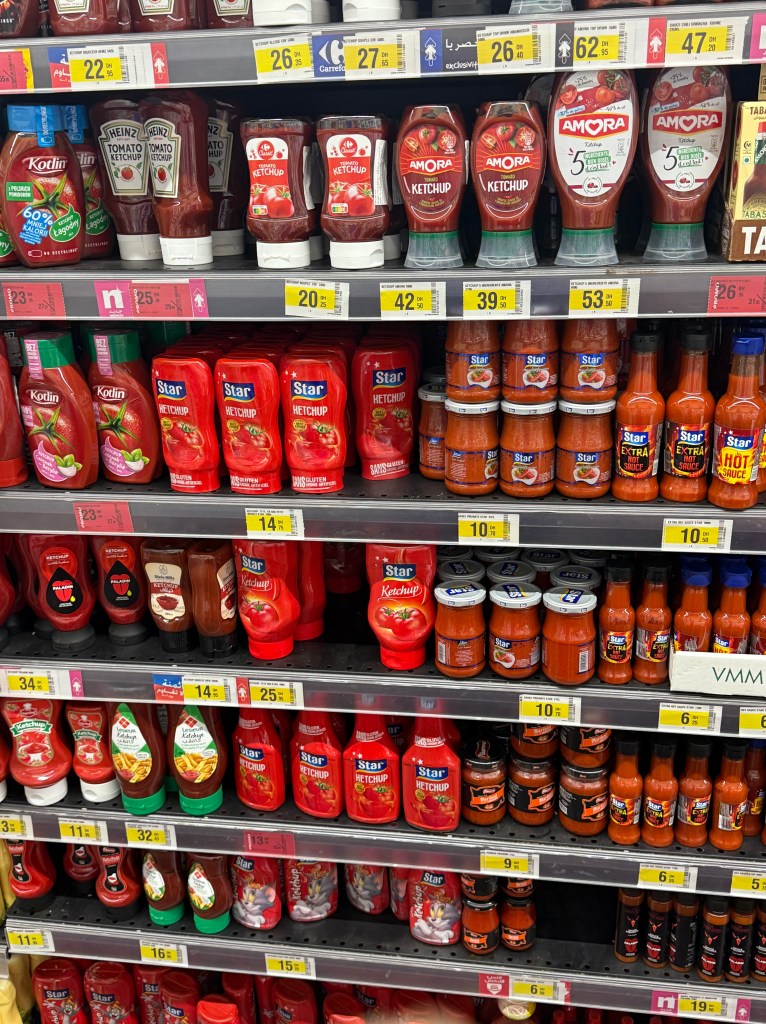
On our way to Amanda’s villa, we couldn’t resist a stop at Carrefour, a ritual I love when traveling. There’s something fascinating about wandering foreign supermarket aisles, comparing the range of products and prices to those back home. Carrefour’s shelves were stocked with a surprising array of international treats and local staples.

The alcohol section was particularly impressive, boasting a wide selection of beers, wines, and spirits, a reminder of Morocco’s cosmopolitan side. Imported goods, as expected, came at a premium; seeing familiar British biscuits and condiments with their price tags in dirhams was both amusing and eye-opening. The meat counter, however, was nearly bare, a quiet testament to Eid Al-Adha, when families gather and butchers take a holiday. Only a few spicy Merguez sausages remained, hinting at the usual bustle of the market. Visiting a Moroccan hypermarket like Carrefour is more than just shopping, it’s a cultural experience, revealing the rhythms of daily life and the interplay between tradition and modernity.

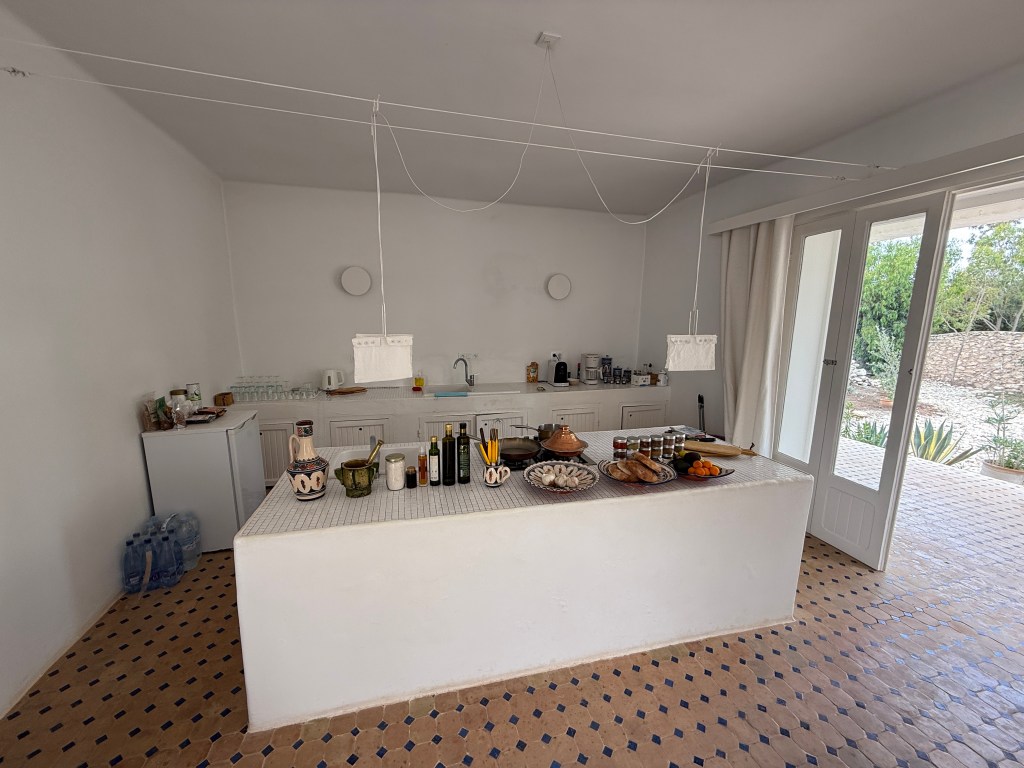
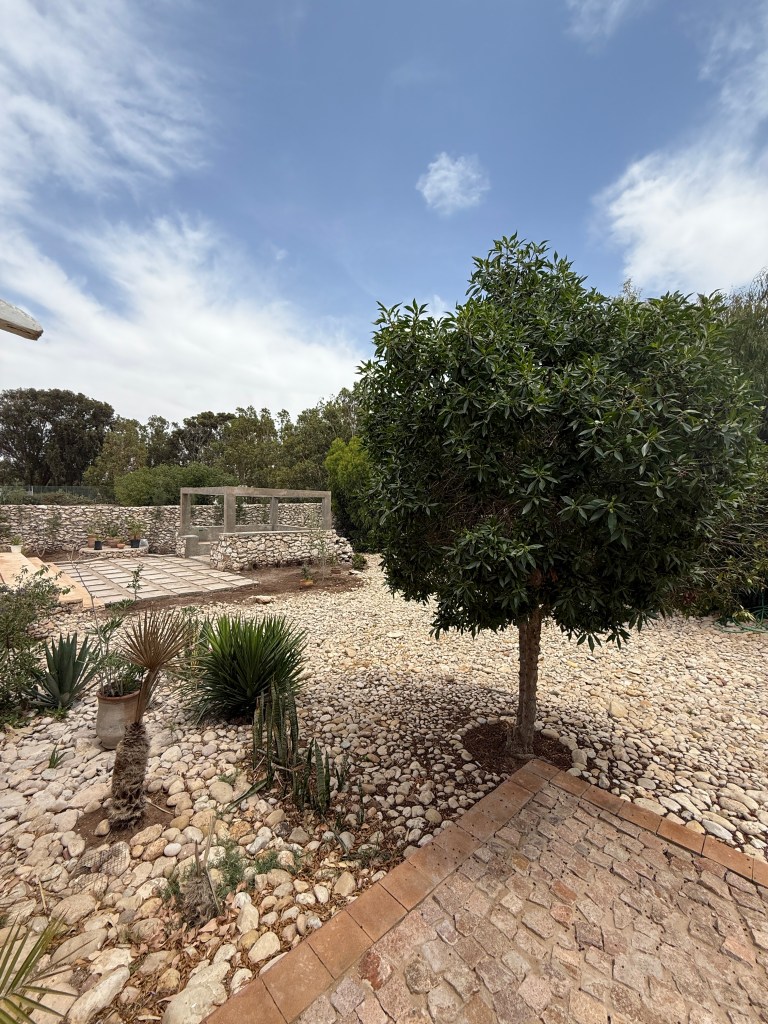
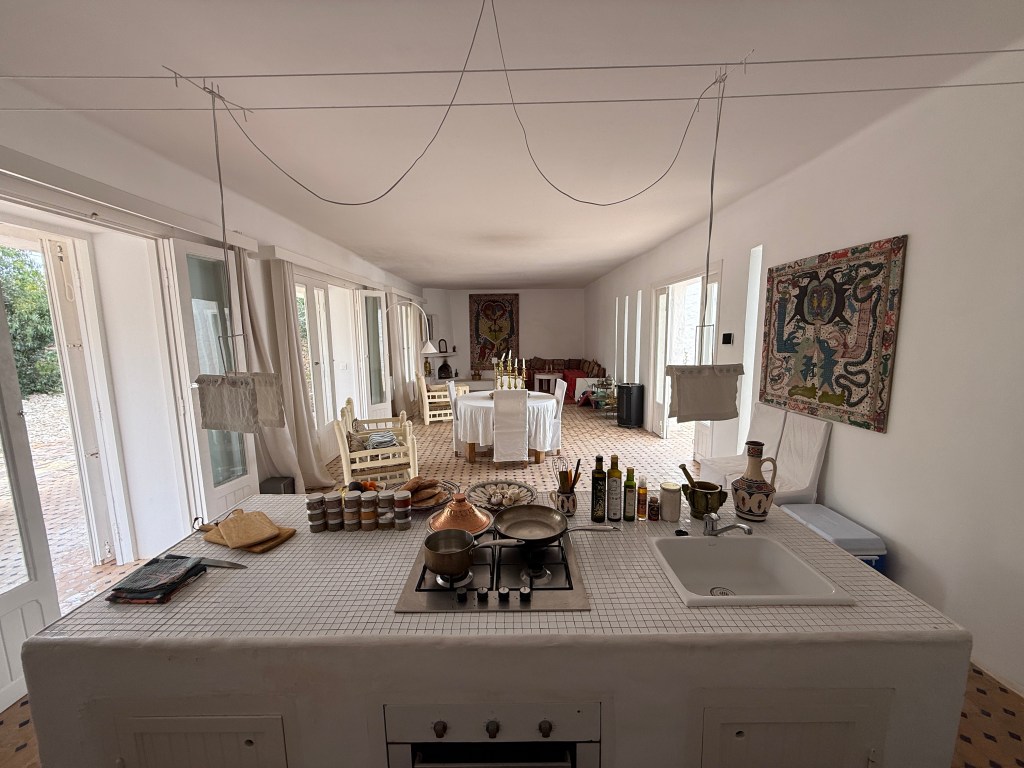
Our home base for days three to five was Amanda’s beautiful villa outside Essaouira, a whitewashed haven with an airy, open-plan design that struck the perfect balance between light and cool comfort. The spacious kitchen, complete with a generous cooking top and ample prep space, was a dream for any food lover. Outside, a welcoming dining area invited us to linger over meals in the fresh air, while the thoughtful architecture let sunlight pour in without letting the heat intrude. It was the ideal setting for my first Moroccan cooking lesson: couscous, a true labour of love.

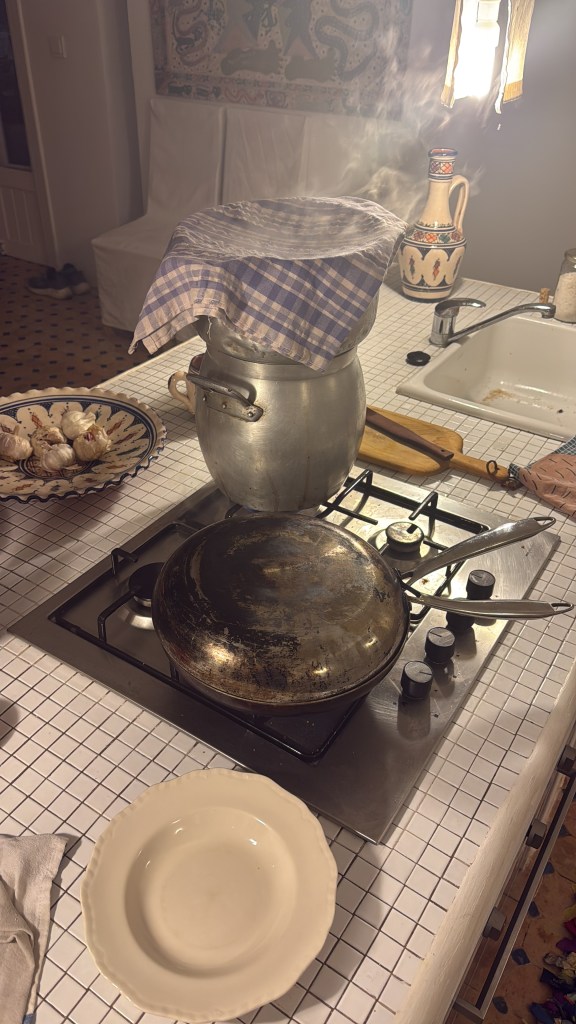
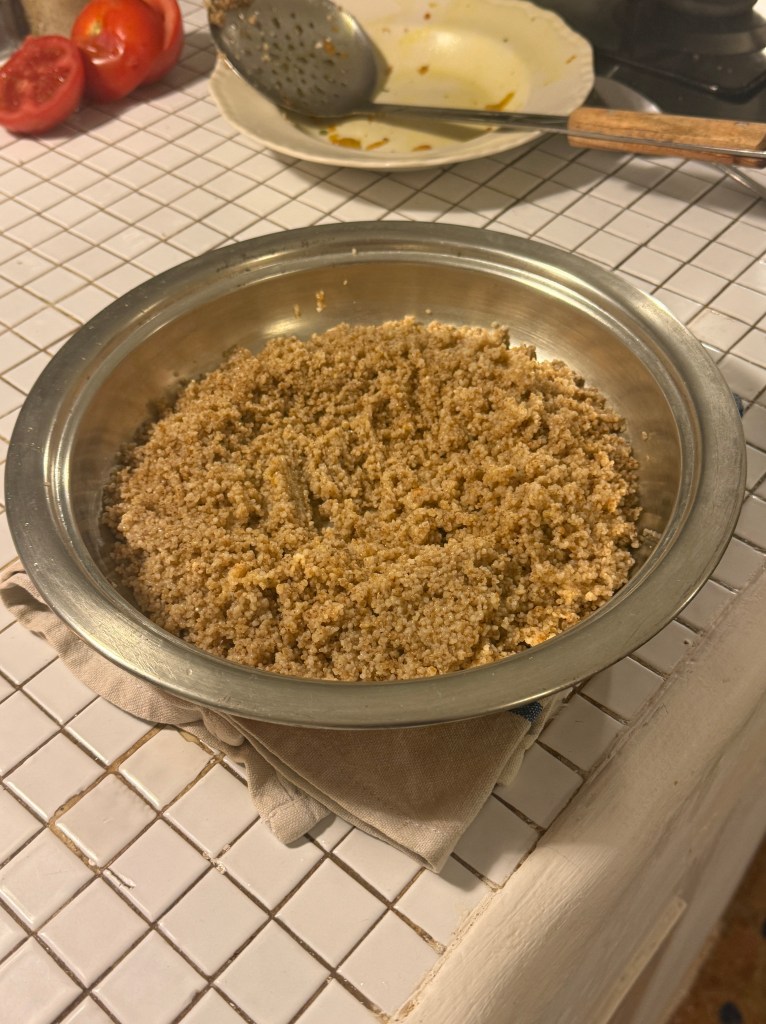
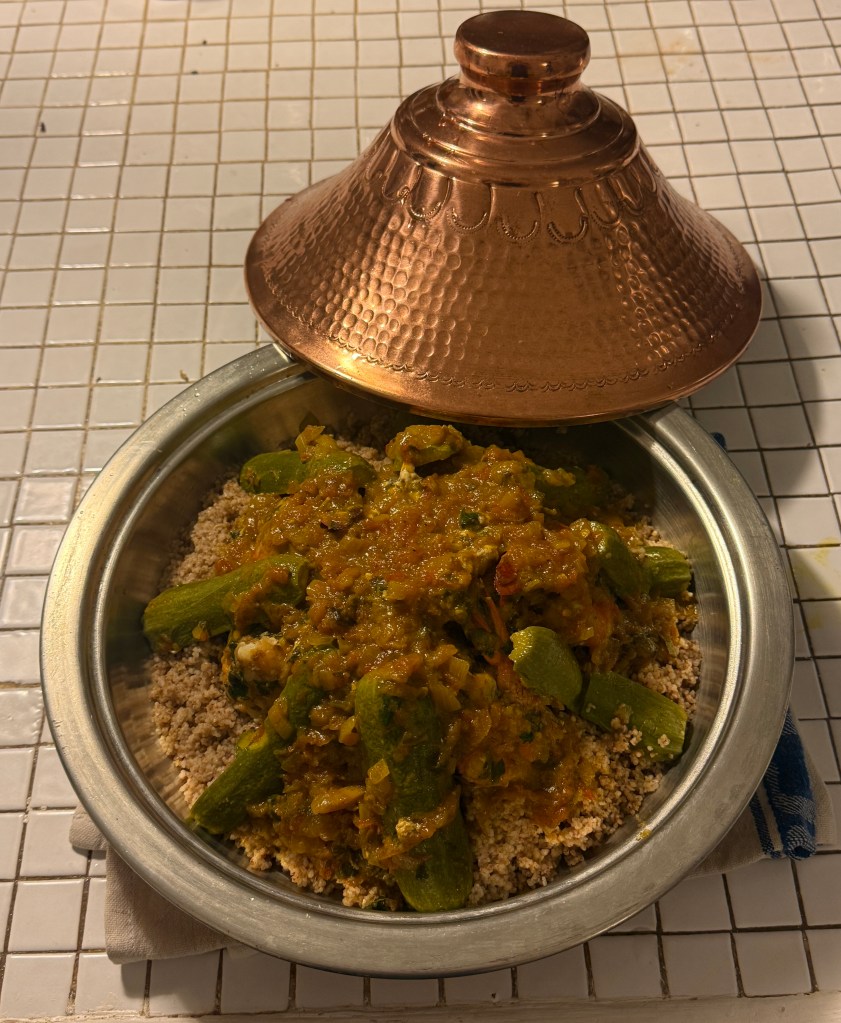
Preparing traditional Moroccan couscous with organic, coarse, dark grains is a soulful ritual, steeped in centuries of culinary tradition. It all begins in a wide, shallow gsaa bowl, where the couscous is gently sprinkled with water, a pinch of salt, and a golden drizzle of olive oil. With practiced, gentle hands, the grains are softly rubbed and rolled, their earthy aroma rising as each one is lovingly coated and separated. After a patient rest, the couscous is heaped into the top of a couscoussier, where it steams above a bubbling pot of homemade broth, fragrant with onions, garlic, and a medley of aromatics, perhaps a pinch of saffron or Ras el Hanout. Once the steam has worked its magic, the couscous is tipped out, allowed to cool just enough, and then gently hand rubbed again, breaking up clumps and coaxing the grains to lightness.

This meditative cycle of steaming and gentle hand rubbing is repeated three times, each round drawing out the couscous’s tender, fluffy character without ever becoming sticky. No further water is added after the first step; it is the steam, the touch, and the patience that transform the grains. For the final steaming, we nestled quartered courgettes into the simmering broth, letting their subtle sweetness and fresh green flavor infuse the steam and mingle with the couscous above. When the grains were finally ready, we finished them with a generous knob of butter, folding it through so every grain glistened and carried just a hint of richness.

To serve, we spooned over the meltingly soft onions and vegetables from the broth, then crowned the couscous with golden pieces of fried monkfish, their delicate flavour providing a wonderful contrast to the subtle, fragrant grains. The result was a dish that felt deeply rooted in Moroccan tradition, yet uniquely our own, capturing the spirit of hospitality and the joy of sharing something truly special at the table.

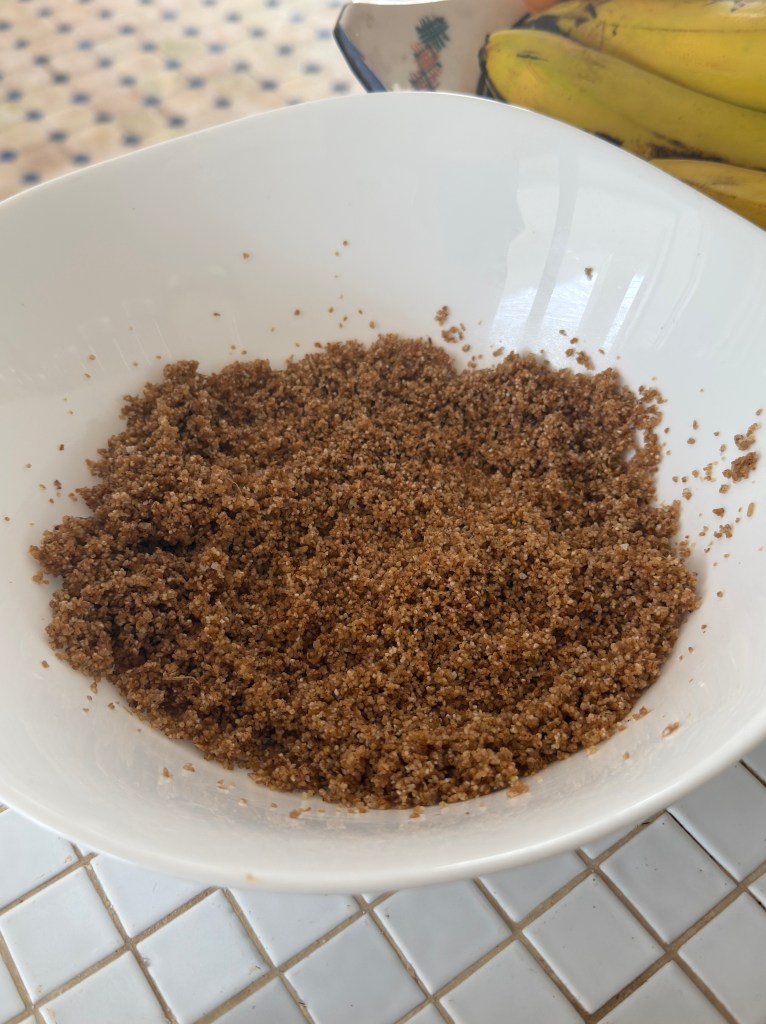
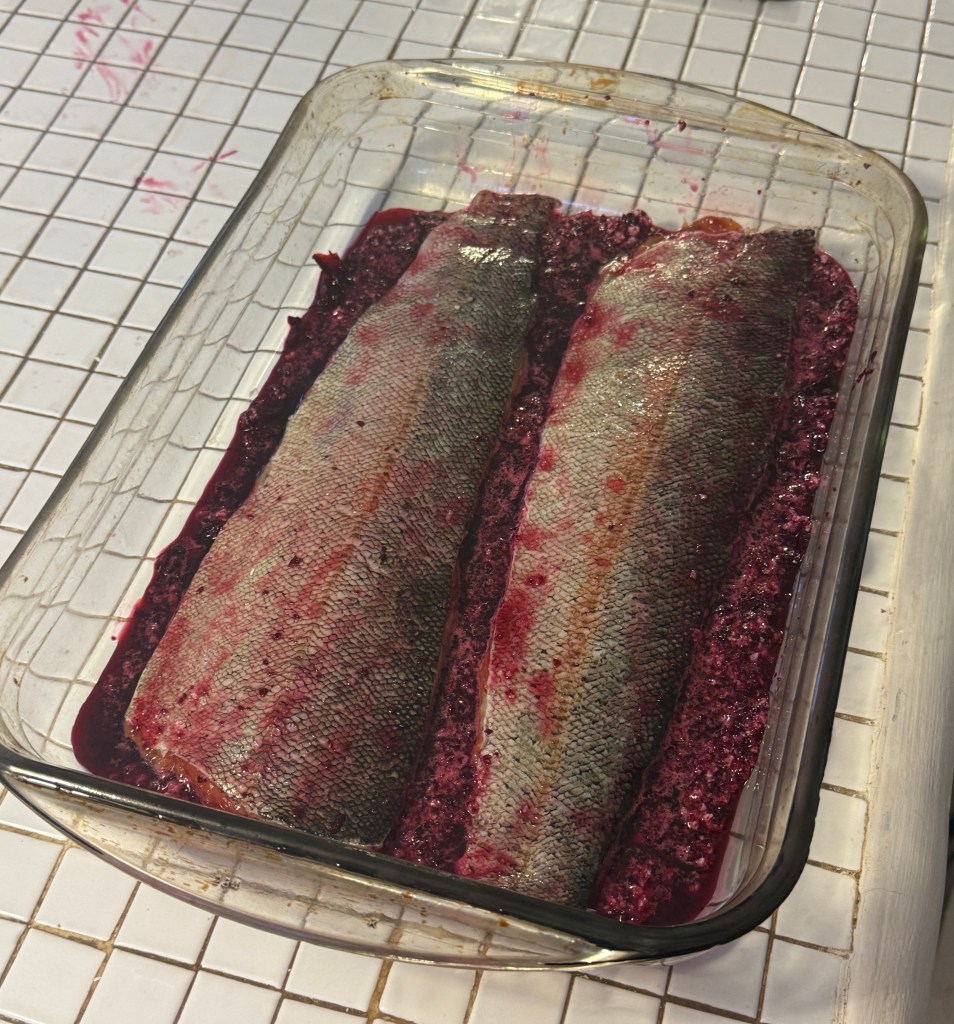
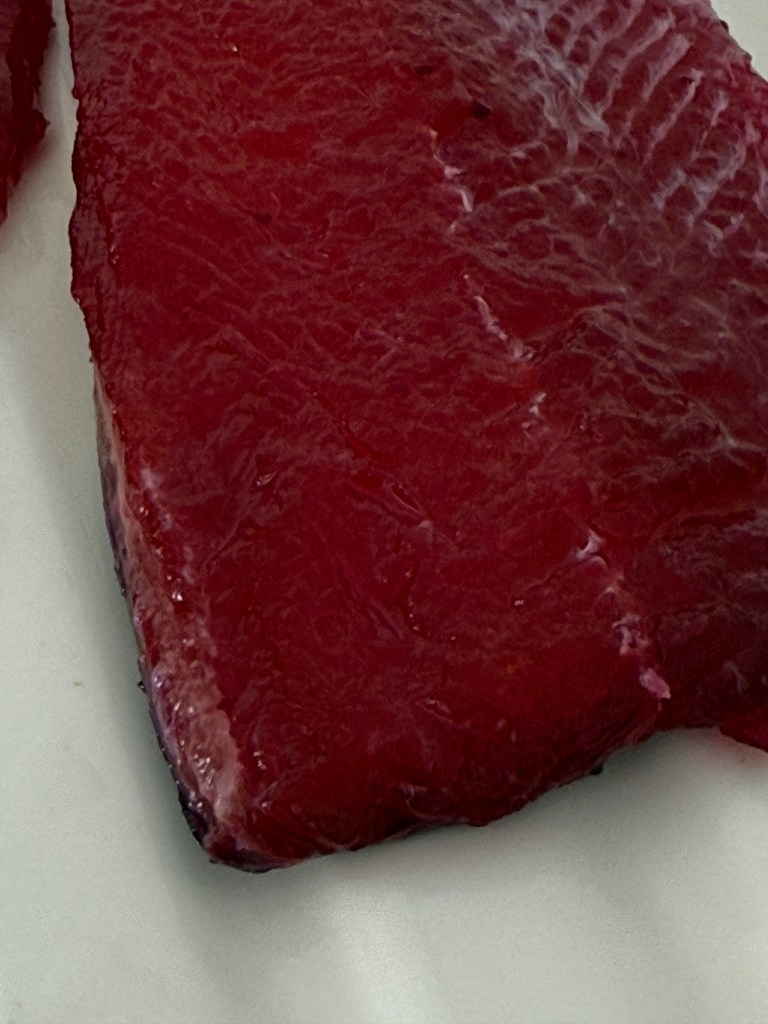
Whilst the couscous was going through its patient, time-honoured ritual, we turned our attention to another culinary experiment I’d long wanted to try: beetroot-cured trout. Earlier that day in Essaouira, we’d picked up some earthy, jewel-toned beetroots, their deep colour promising both flavour and drama. With a quick blitz in the blender, we combined the beetroot with equal measures of salt and sugar, creating a vivid, fragrant cure. We nestled the trout fillets flesh-side down in this mixture, ensuring every surface was in contact with the cure, and left them to work their magic overnight. By the following day, after a gentle rinse to remove the excess salt, we’d have slices of beautifully cured trout, vibrant in colour and delicately seasoned. There’s a special satisfaction in weaving new ideas into a tapestry of tradition, and this little project felt like the perfect companion to our day of slow, soulful cooking.

At last, it was time to sit down and savour the fruits of our labour. Glancing at the timestamps on my photos, I realised we had started at 17:57 and finished at 22:20, a full 4 hours and 23 minutes devoted to creating what was, without a doubt, the tastiest couscous I have ever eaten. The subtle lessons learned along the way were priceless: no shortcuts, no quick-cook grains, just patience, gentle hands, and respect for tradition. The result was light, fluffy, and full of flavour, healthy, satisfying, and a fitting finale to another long day of Moroccan adventure. There’s a special kind of joy in sharing a meal that has been crafted with care, and this couscous was a true celebration of time well spent.

Shukran bzaaf ʿla had nhar zwin, Allah yʿtik sseha ya Chef Amanda!

…………………………….Until next time………………….. L8ers……………………………..