From Farm to Table and Gallery to Gift—A Moroccan Day of Indulgence and Inspiration (Day 5)

I awoke and blinked into the golden Moroccan light, hardly believing it was already Wednesday, the last full day in Essaouira. Since stepping off the plane the previous Saturday, the world I’d left behind had melted away: work, customers, endless problem-solving, even the distant rumblings of the world economy, all had faded into irrelevance. This journey had done its magic, untangling the knots of daily life and filling the space with colour, flavour, and discovery.

Each sunrise brought new marvels, and I found myself immersed in the rhythms of Morocco, its vibrant markets, ancient traditions, and the intoxicating pulse of its cuisine. Guiding me through it all was Amanda: not just my personal guide and masterful chef, but a kindred spirit whose passion for Morocco’s culture and food opened doors I never knew existed. With every shared meal and story, I felt a sense of wonder grow, a reminder that travel, at its best, is a gentle awakening to beauty, friendship, and the joy of being fully present in the world.
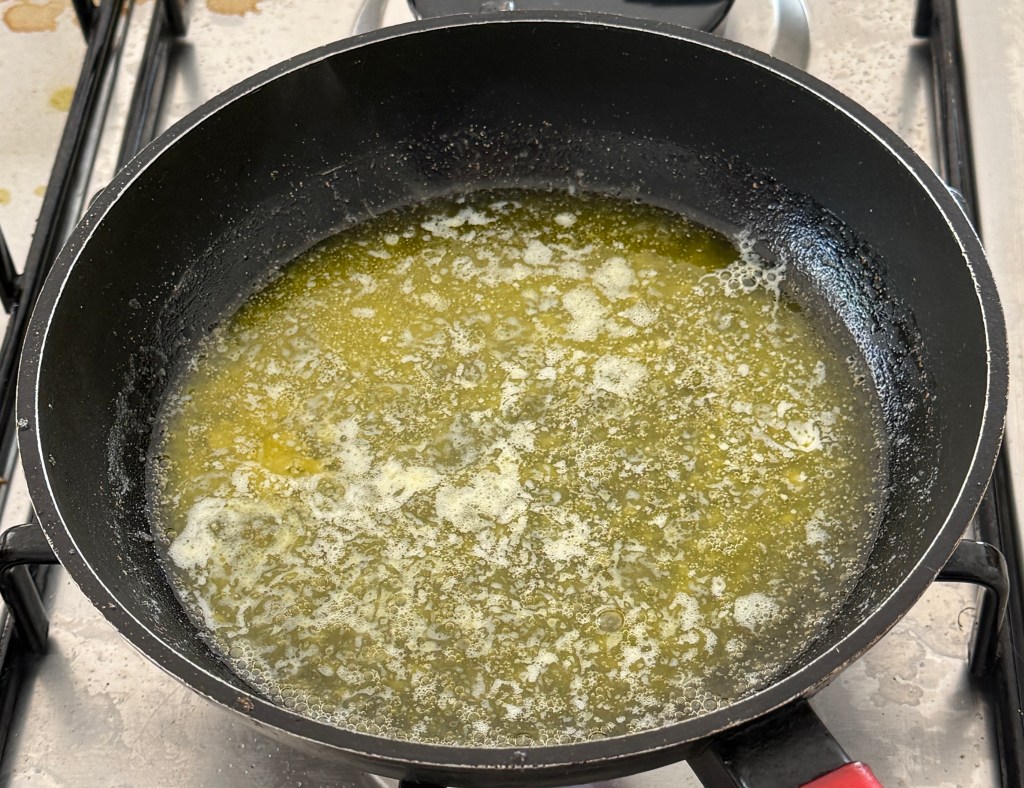
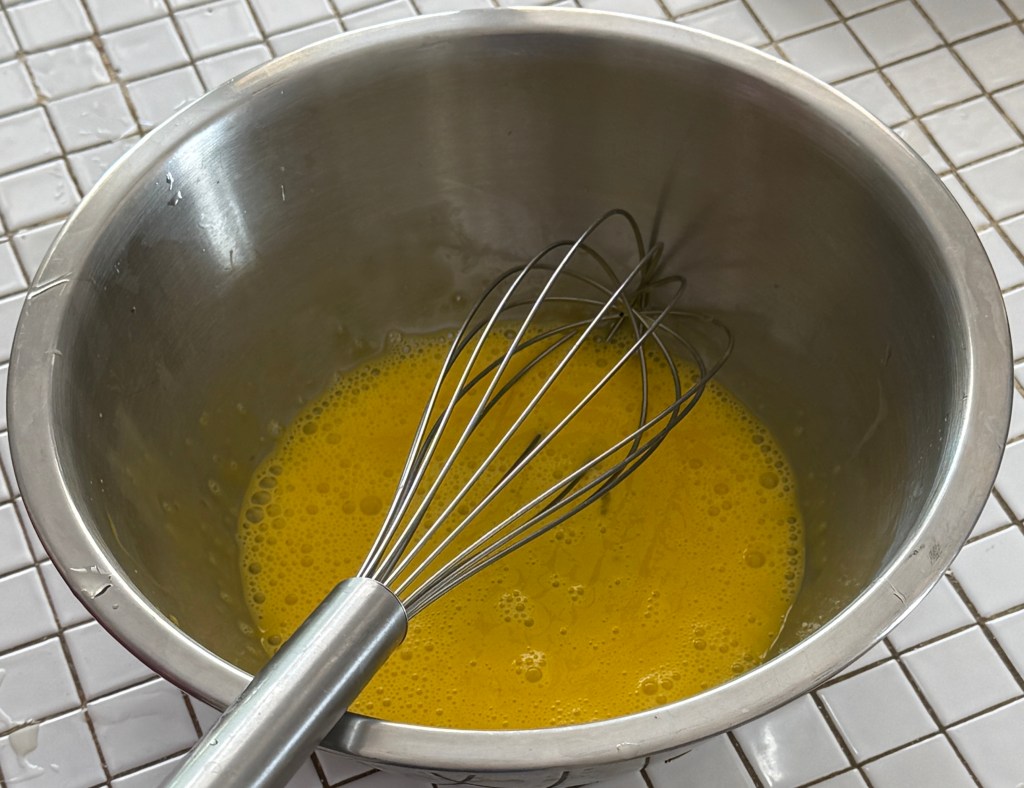
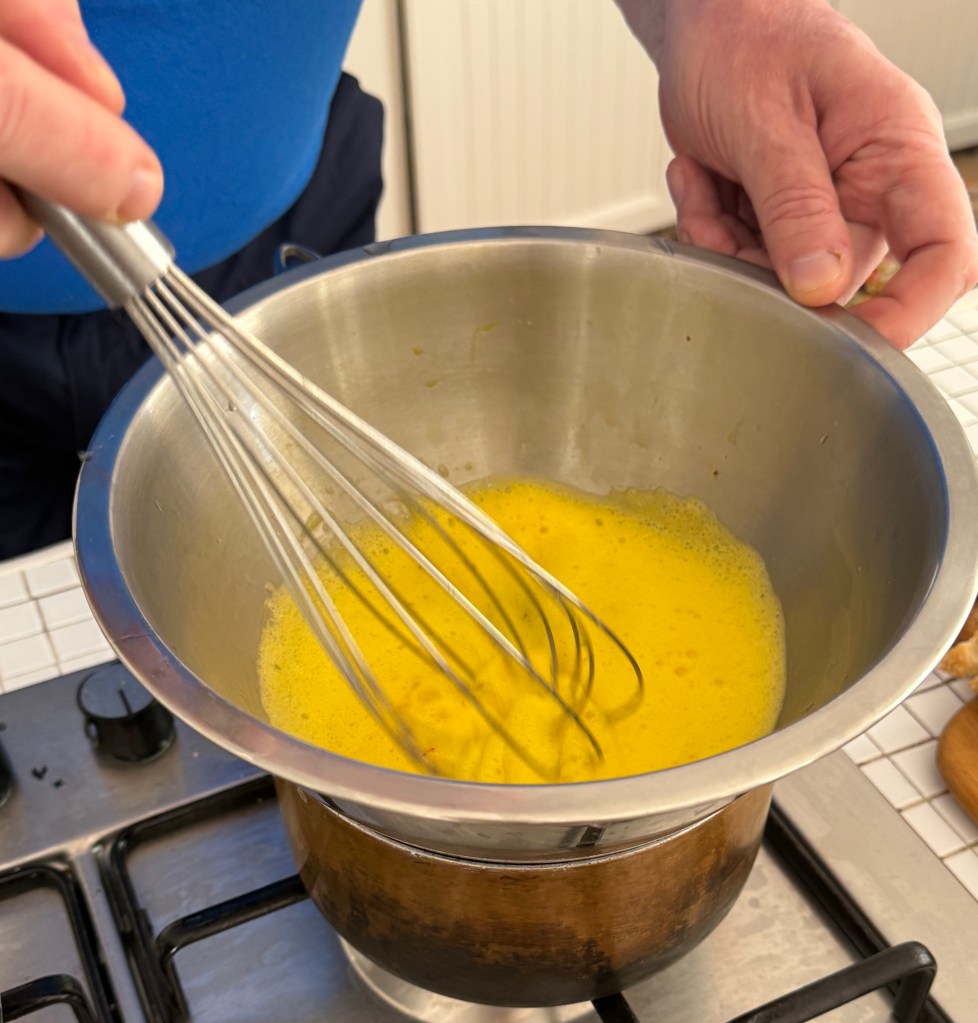
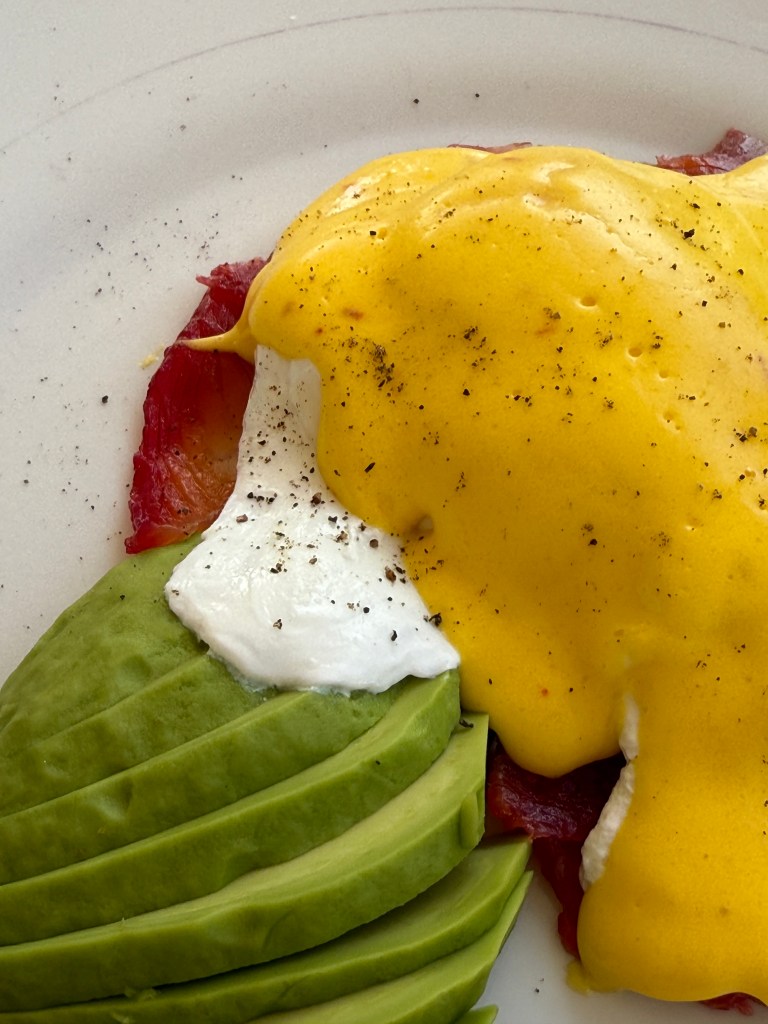
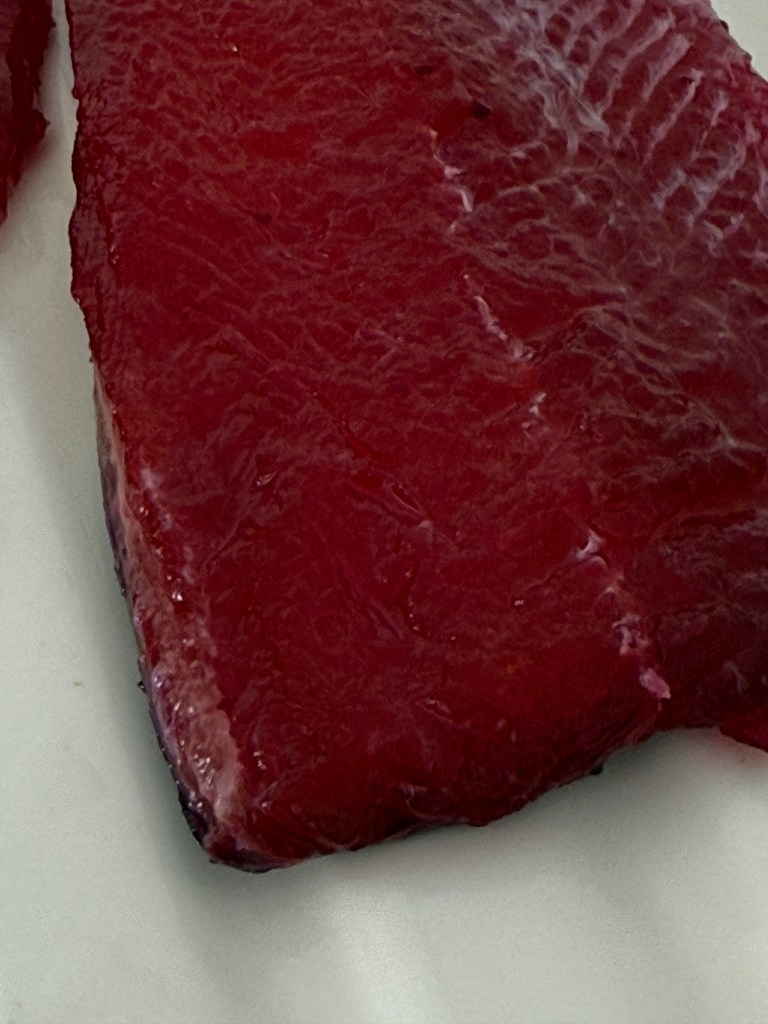
Making a rich saffron hollandaise is one of life’s true pleasures, luxurious, golden, and deeply satisfying. I’ve had the delight of whisking it to silkiness a few times before, most memorably at Rick Stein’s Cookery School in Padstow, where it crowned a beautiful ‘tronçon’ of turbot. This morning in Essaouira, the sauce would take centre stage once again. Earlier in the week, we had cured some trout in a vivid blend of beetroot, salt, and sugar, and now it was ready for its moment: breakfast as an event. Slices of the jewel-toned trout were paired with creamy avocado and a perfectly poached egg, all generously draped in that opulent saffron hollandaise and finished with a satisfying crack of fresh black pepper. Each bite was a celebration—of technique, of flavour, and of the sheer joy of starting the day with something extraordinary.
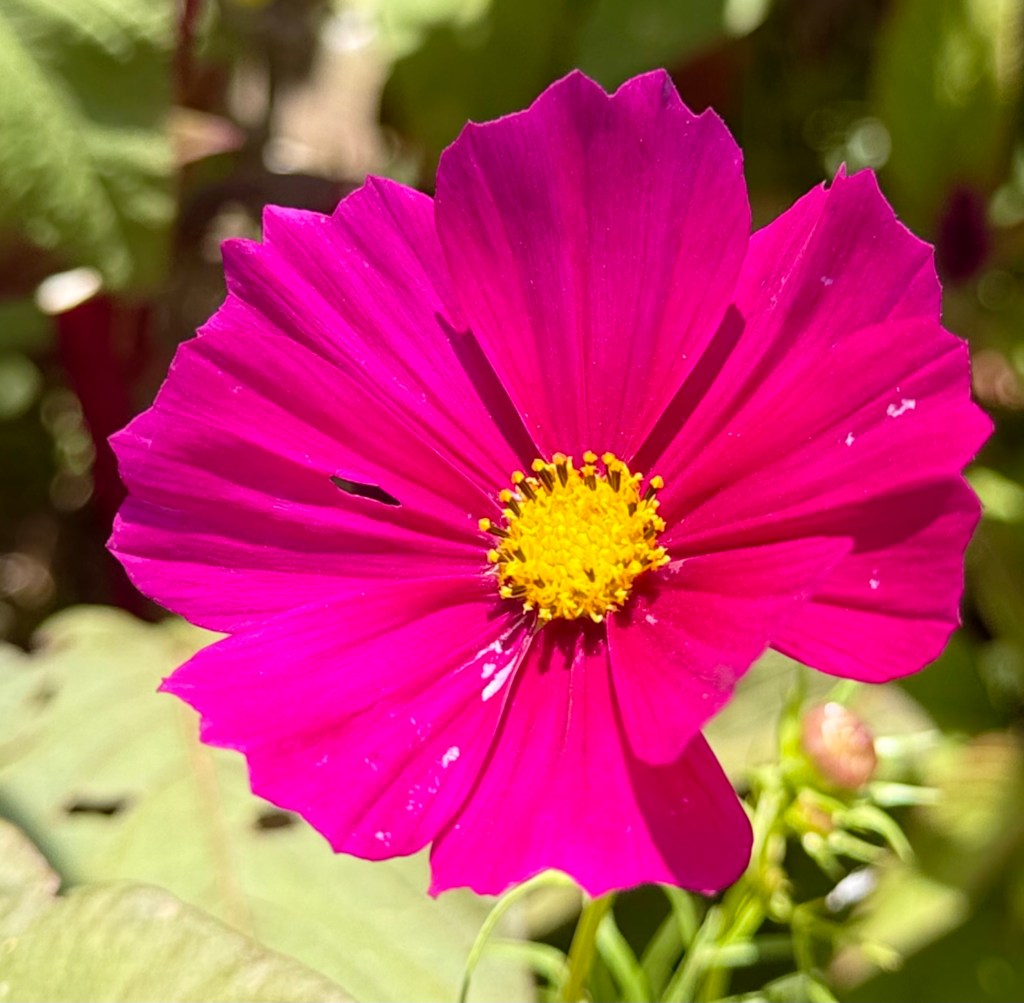
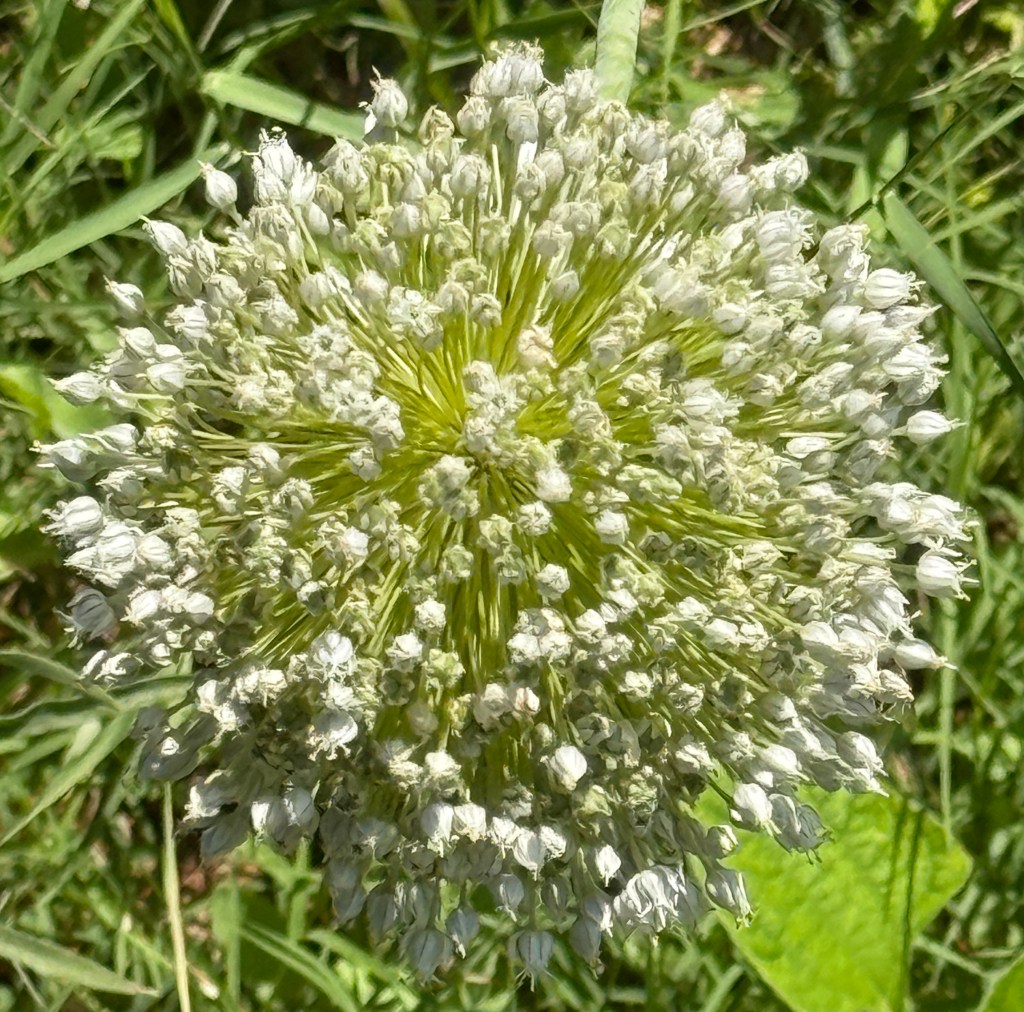
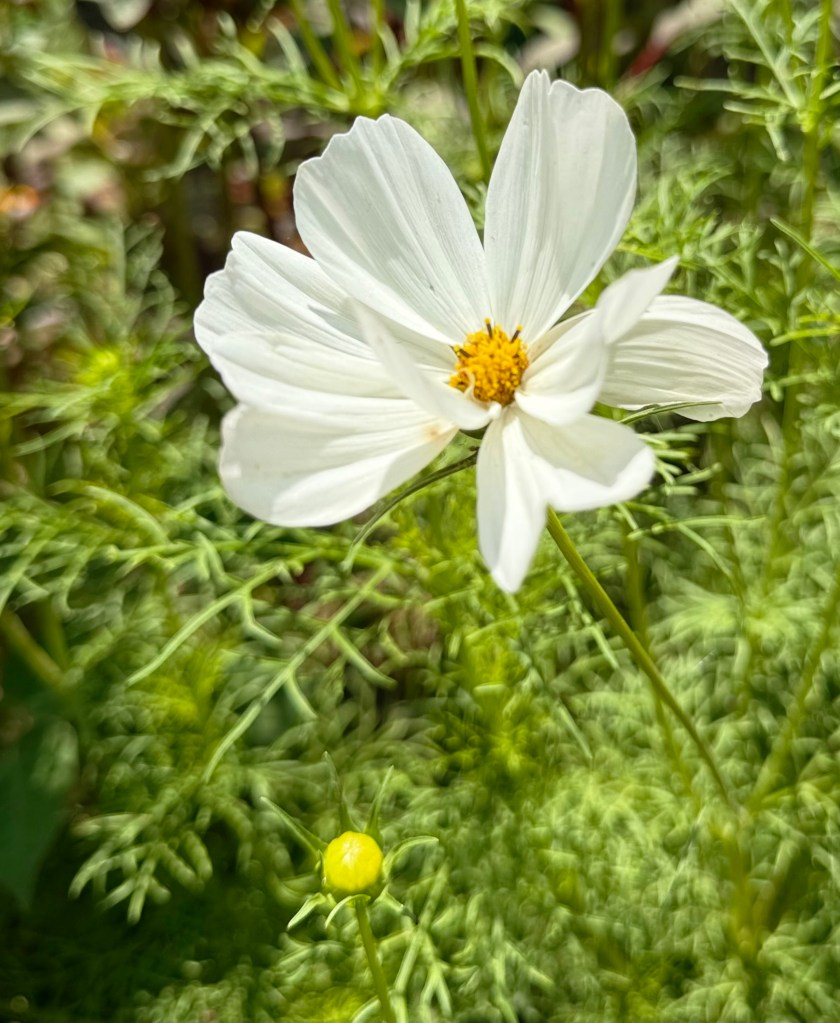
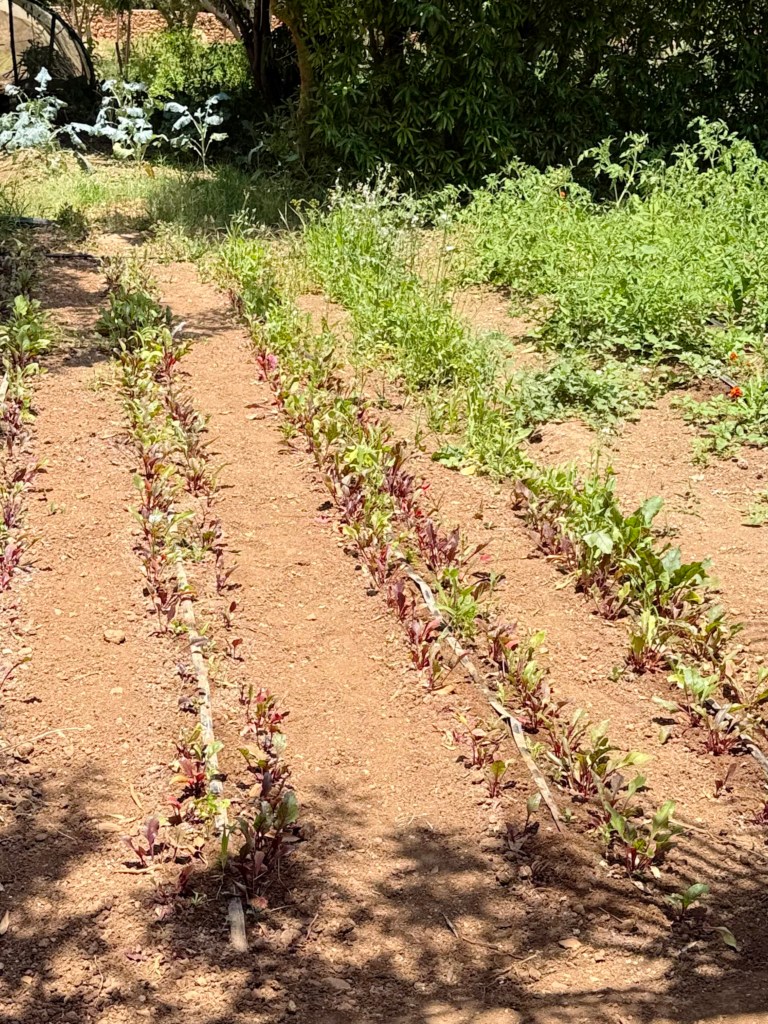
Way back in 2013, I found myself in Puglia, at Masseria Montenapoleone, an organic farm nestled in the sun-drenched heart of southern Italy. It was my very first cooking vacation and the spark that ignited countless culinary adventures to come. There, I learned the subtle art of using flowers not just for beauty, but to create a vibrant, bio-diverse environment: drawing the so-called “unwanted” plant eaters away from crops, while inviting in the pollinators and beneficial insects that keep nature in balance. Akal, here in Morocco, is very much a kindred spirit—an eco-farm that weaves flowers into every aspect of its philosophy. At Akal, the blooms aren’t just guardians of the fields; they’re also an integral part of the tasting experience, gracing the table and infusing the most imaginative, flavourful menus with colour and fragrance. Dining here is more than a meal—it’s a celebration of nature’s harmony, and a reminder of how the smallest details can transform the way we taste the world.
Our lunchtime destination was no more than 15 minutes drive, Domaine Du Val D’Argan. Domaine du Val d’Argan is a remarkable testament to vision, perseverance, and the unique character of Moroccan terroir. Founded by Charles Melia, a seasoned winemaker with deep roots in both France and Morocco, the vineyard sits just outside Essaouira, where the Atlantic winds sweep over limestone and clay soils, echoing the Rhône valley’s own mistral. What began as a retirement dream became a pioneering adventure: Melia cleared stony ground by hand, planted the first Rhône varietals, and patiently learned to coax vines to thrive on the edge of the desert, sheltering them from fierce sun and wind with natural methods and organic care.

Today, Val d’Argan is a landscape of lush vine rows bordered by sorghum and eucalyptus, where dromedaries still help tend the land and the cellar holds the promise of Morocco’s finest vintages. The wines—ranging from bright, aromatic whites to robust reds and elegant rosés—capture the sun, wind, and wild spirit of their setting. Visiting the domaine is more than a tasting; it’s an immersion in a story of resilience and passion, where every glass reflects not only the land’s bounty but also the quiet determination of its founder. This is a vineyard where French tradition and Moroccan landscape meet, yielding wines—and memories—that are truly one of a kind.
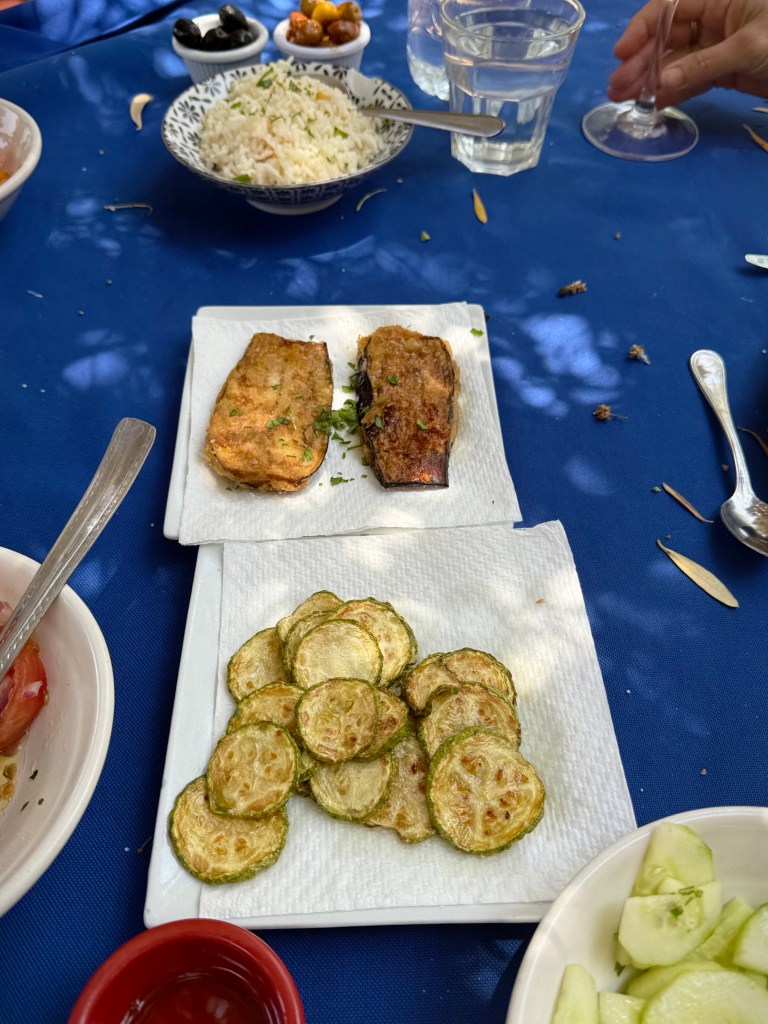
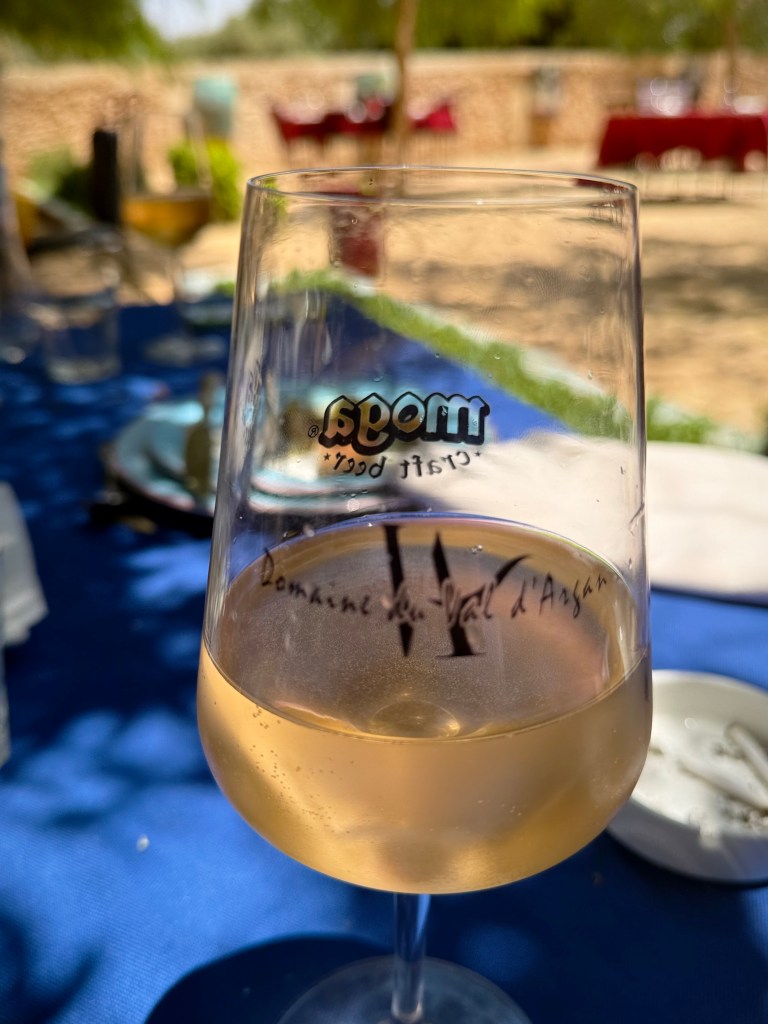
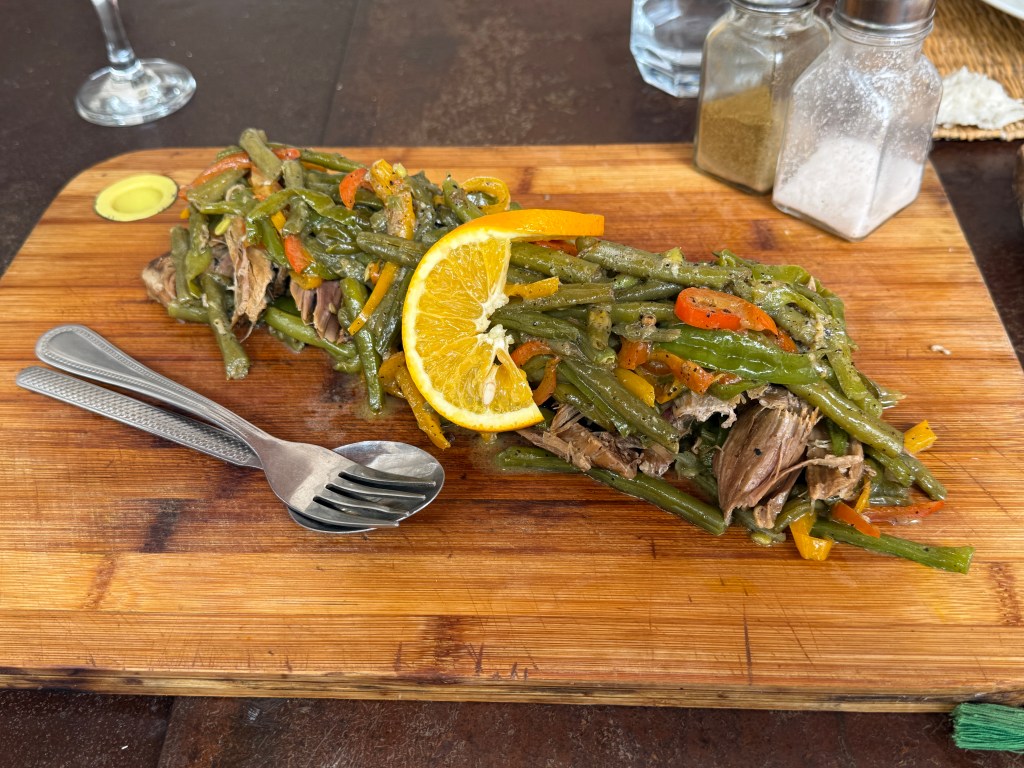
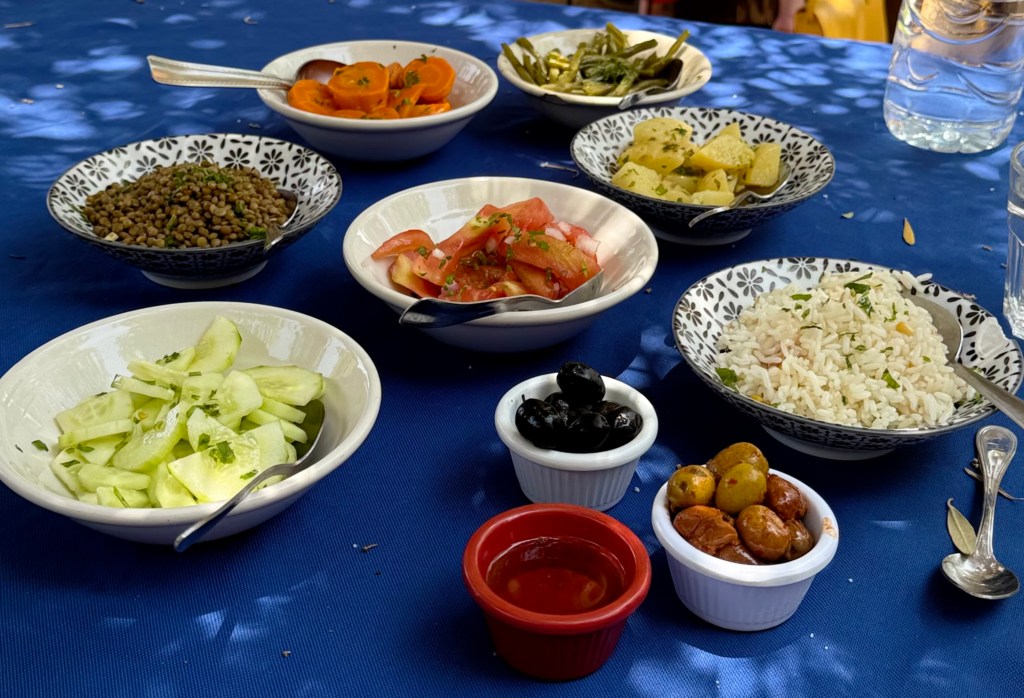
I found myself ‘in the moment’ once again, shaded beneath the branches of an ancient olive tree at Domaine du Val d’Argan. Plates of freshly prepared food appeared in a steady, generous procession, vivid salads bursting with local flavour, a fragrant tagine, and turkey roasted on kebab skewers, each dish a celebration of Moroccan abundance. Glasses of the estate’s wines flowed freely, each one a new discovery.

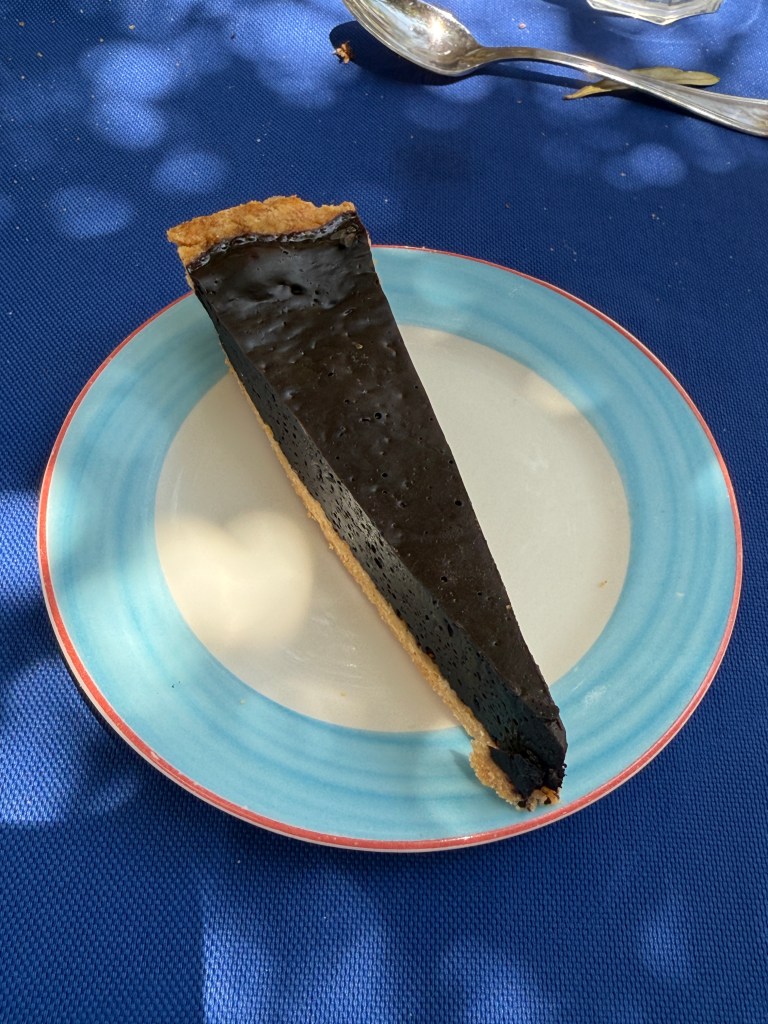
The “Gazelle de Mogador” in white, red, and rosé offered a taste of the Atlantic’s easy elegance, while the Val d’Argan range echoed the vineyard’s Rhône heritage, capturing the region’s sun and wind in every sip. Yet it was the Perle Grise that truly captured the spirit of the place for me, a wine as pale as morning light, delicately aromatic, with hints of citrus blossom and wild herbs, perfectly refreshing beneath the olive canopy. As the afternoon stretched on, a rich chocolate dessert arrived, rounding out a meal that was both relaxed and luxurious. At Domaine du Val d’Argan, the artistry of winemaking and the generosity of Moroccan hospitality come together in a setting as memorable as the wines themselves, a place where every glass tells a story, and every moment lingers long after the last sip. It was time to head back to Essaouira for some last minute exploration.

As we entered the medina, the air shimmered with the ethereal tones of a young man playing a handpan, his fingers coaxing otherworldly melodies from the spaceship-like drum that echoed off the ancient stone walls.

As the sun dips toward the Atlantic, the ancient medina of Essaouira began to pulse with an energy that is both timeless and electric, the unmistakable prelude to the Gnaoua World Music Festival. For a few magical days each year, the city’s labyrinthine alleys and windswept squares become a living stage, as hypnotic rhythms and haunting melodies spill from every doorway and rooftop. The air grows thick with the deep, trance-inducing thrum of the guembri, the metallic clatter of krakebs, and the soaring call-and-response of Gnaoua singers, their music weaving a spell that draws locals and travellers alike into its embrace.

Founded in 1998, the festival is a vibrant celebration of Gnaoua culture, descendants of West African slaves who brought with them a mystical musical tradition rooted in healing, spiritual trance, and communal memory. Over the years, the festival has blossomed into a global gathering, where Gnaoua masters share the stage with jazz virtuosos, blues legends, and musicians from every corner of the world. This fusion of sounds creates a heady, intoxicating atmosphere, where ancient African rhythms meet flamenco, reggae, rock, and Sufi chants, all under the open Moroccan sky.

The festival is more than a concert—it’s a living tapestry of history, spirituality, and artistic exchange. The music, once used in sacred rituals to heal and connect with the divine, now fills Essaouira’s medina with a sense of unity and celebration. For a few unforgettable nights, the city becomes a crossroads of cultures, a place where the boundaries between audience and performer, past and present, seem to dissolve in the intoxicating swirl of sound and spirit.

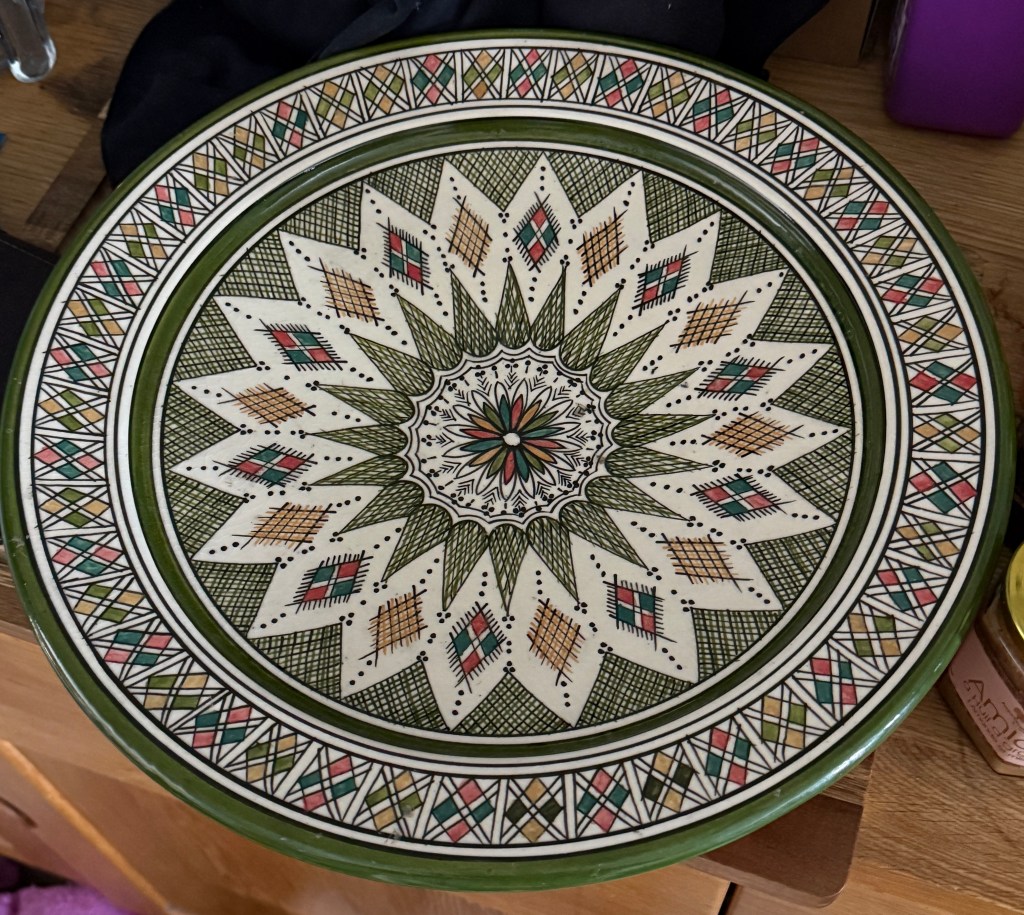
This stunning plate ( a present for my best friend and wife forever ), is a true testament to Moroccan artistry, its surface alive with intricate geometry and vibrant colour. Crafted in the traditional style of Fez, the design radiates from a central starburst, each petal meticulously hand-painted in shades of emerald green, saffron yellow, and soft rose. Delicate crosshatching and fine black lines create a mesmerizing lattice, while the outer border is woven with interlocking patterns that speak of centuries-old craftsmanship. The plate’s symmetry and precision are captivating, drawing the eye inward and inviting contemplation of the skill and patience required to create such a piece. More than just a vessel, it is a celebration of heritage, a beautiful reminder of Morocco’s rich ceramic traditions and the enduring allure of handmade work.
In the heart of Essaouira’s medina, you’ll often come across what locals call the “magic box”, a beautifully crafted container made from the region’s prized thuya wood. Native to Morocco’s coastal forests and especially abundant around Essaouira, ‘thuya’ wood is renowned for its rich, swirling grain, warm hue, and natural, cedar-like fragrance

Artisans here have honed their craft for generations, turning thuya burl into intricate puzzle boxes, lidded spheres, and inlaid treasures, each one polished to a satiny sheen and finished with lemon oil to enhance its natural luster. These boxes are more than just souvenirs; they’re a testament to Essaouira’s heritage of marquetry and woodworking, a tradition dating back to the 19th century when sultans commissioned decorative objects and furniture from the city’s master craftsmen.
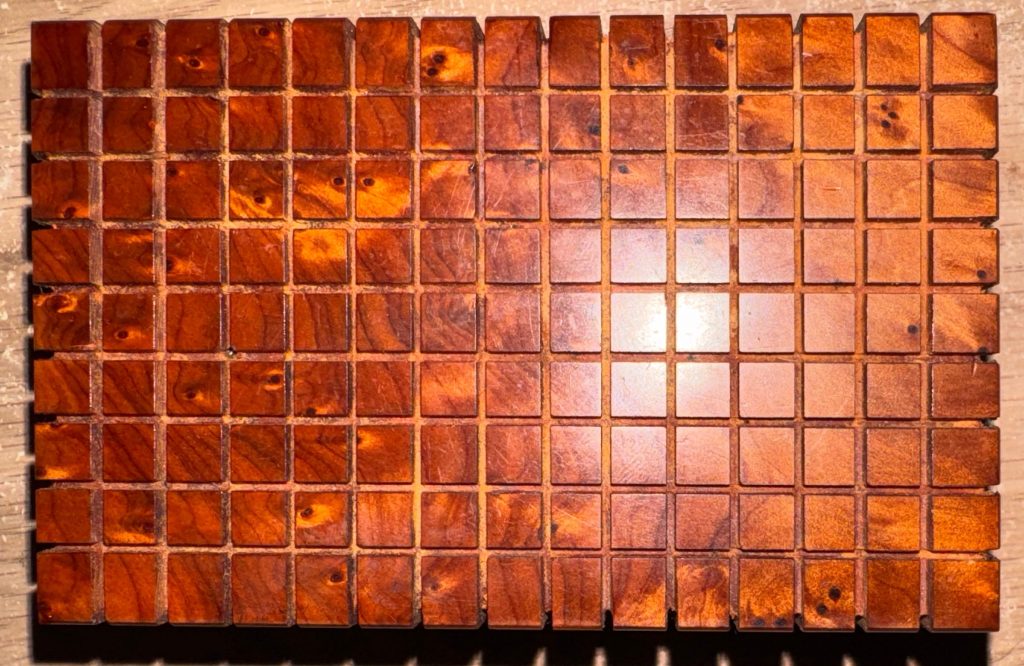
Whether used to store spices, trinkets, or secrets, a thuya wood “magic box” from Essaouira is a piece of living history, fragrant, tactile, and always a little mysterious, as if it holds a story all its own. Our son loves his…

………………………………..Until Next Time………………………….L8ers
The Poetry of Taste and Light – Rustic Eggs, Sea’s Bounty, and Essaouira’s Golden Hour (Day 4)

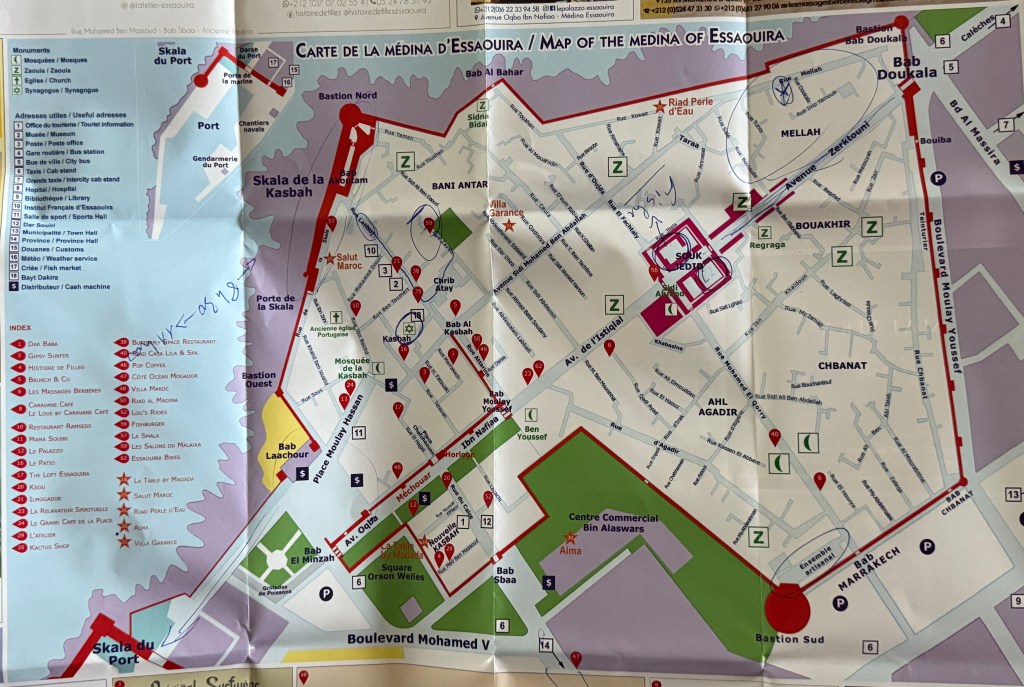
While Linda at So Morocco and Amanda at Ourika Organic Kitchen curated the heart of my journey, I relished the freedom to tweak and tailor the experience as inspiration struck (within practical limits, of course). My own research came in handy, too, at Riad Malaika, I was handed a wonderfully handy pocket map, a small gesture that made a world of difference. With it tucked in my pocket, navigating the winding lanes and hidden corners on my second afternoon and evening became a pleasure rather than a puzzle, allowing me to explore with confidence and uncover even more of Essaouira’s magic.

Khlii, also spelled khlea (Arabic: الخليع), is a centuries-old Moroccan method of preserving meat, deeply rooted in the country’s Berber heritage. Developed long before refrigeration, this technique allowed families to store meat in Morocco’s arid climate, ensuring a supply of protein throughout the year, especially after major festivals like Eid al-Adha. The tradition is believed to have originated in Fes, which is still considered the “Capital of Khlii,” before spreading across Morocco and North Africa. The Berbers are credited with introducing this preservation method, which has become an integral part of Moroccan culinary culture, symbolizing both resourcefulness and the art of slow, careful food preparation.
Khlii is typically made from beef or lamb, though camel is sometimes used in southern Morocco. The process begins by cutting the meat into long strips and marinating it in a chermoula—a blend of spices such as cumin, coriander, garlic, and sometimes vinegar and olive oil. The marinated meat is then sun-dried for several days, intensifying its flavor and reducing moisture. Once dried, the meat (now called gueddid) is slowly simmered in a mixture of animal fat (suet) and olive oil, sometimes with added water, until it becomes tender and fully infused with the spices. After cooking, the meat is packed into containers and completely submerged in the rendered fat, which acts as a seal and preservative. Properly stored in a cool, dry place, khlii can last for up to two years at room temperature, making it a reliable pantry staple.

Khlii is more than just a preserved meat; it is a symbol of Moroccan resilience and culinary ingenuity. Traditionally, families would prepare large quantities annually, especially in cities like Fes and Marrakesh, ensuring a supply of protein-rich food throughout the year. In modern Morocco, khlii is considered a delicacy, often enjoyed for its deep, concentrated flavor. It is most famously served with eggs for breakfast, but also finds its way into tagines, soups, salads, and even flatbreads. The rich, smoky aroma and robust taste of khlii evoke nostalgia and a sense of connection to Moroccan heritage, making it a cherished ingredient in both rural and urban kitchens.

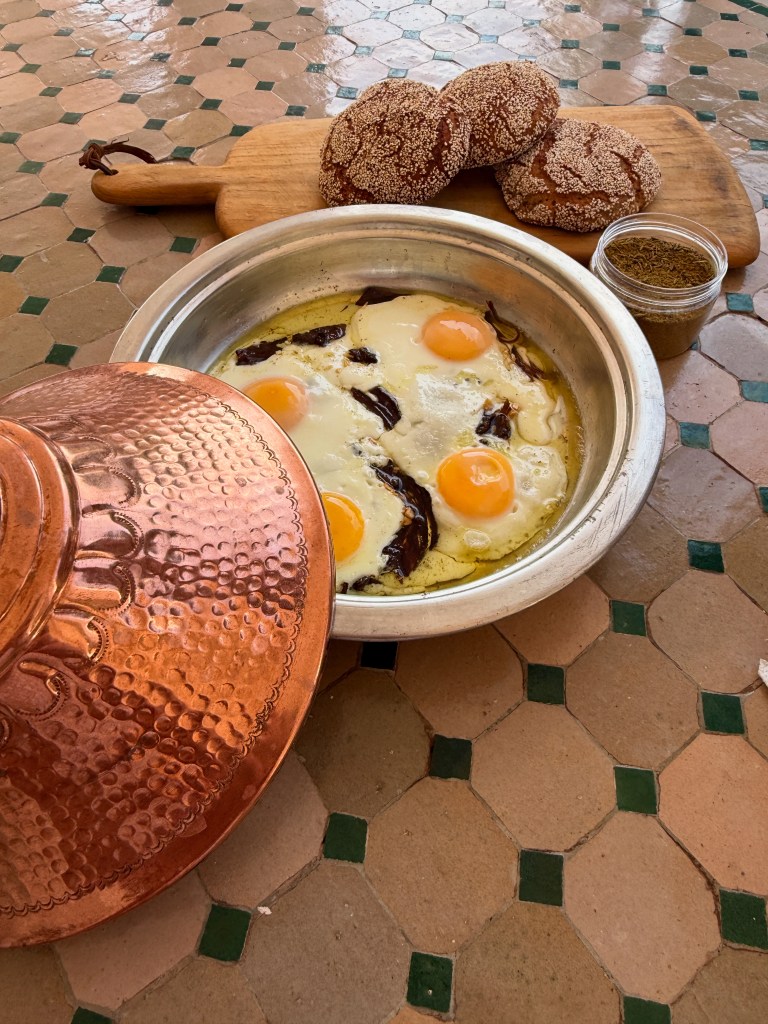
Khlii (khlea) with eggs was our Moroccan breakfast for this morning, combining rich, spiced preserved lamb with fresh eggs. The khlii is gently heated in its own fat until fragrant, then eggs are cracked in, either left whole or lightly scrambled. Served hot with Moroccan bread, it’s was a deeply tasty and satisfying way to start the day, bringing together centuries-old tradition and everyday comfort.

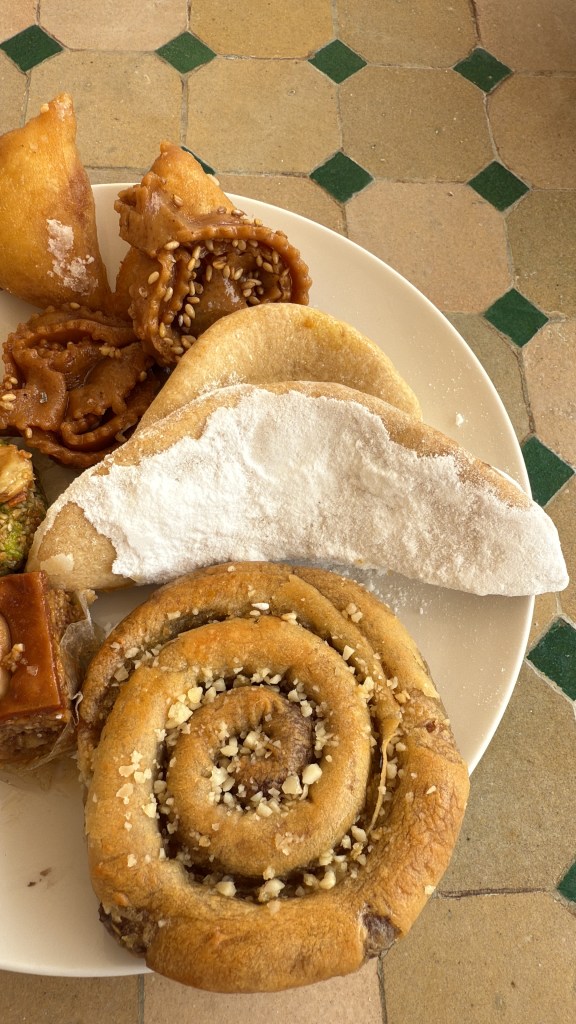
After our savoury breakfast, I remembered the generous box of Moroccan pastries we’d bought, when better to indulge? They paired perfectly with a strong black coffee. My favourite was the mhencha, the coiled, wheel-like pastry stuffed with almond paste and delicately scented with orange blossom. Its crisp, golden layers gave way to a rich, nutty filling, utterly delicious and the ideal sweet finish to a memorable morning meal.

The allure of a fish cataplana begins with the stock, a foundation as soulful as the Atlantic breeze. This was the next cooking ‘event’ of the week.

Into a heavy pot, we tumbled thick slices of onion and carrot, their natural sweetness coaxed out as they softened in a shimmer of olive oil. Sliced garlic joined the mix, releasing its gentle perfume and promising warmth in every spoonful. Then came the fish heads and the mighty prawn heads, their briny richness destined to deepen the broth. A bouquet garni of fresh parsley stems was nestled in, a green promise of freshness to balance the sea’s intensity.

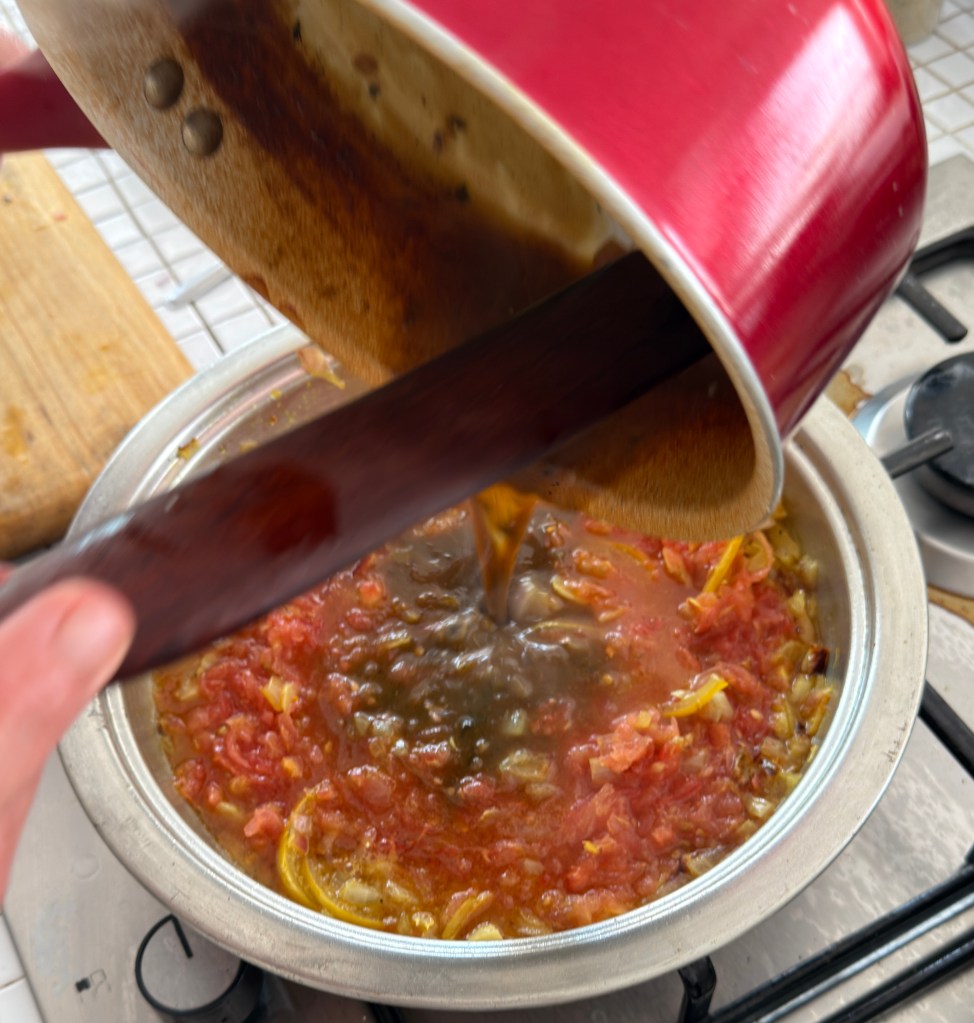
Amanda explained the importance of each step, building layer upon layer of delicate flavour. As everything mingled, a generous splash of white wine and a bold dash of cognac were poured in, sending up a fragrant steam, herbaceous, oceanic, and just a little bit wild.

The stock simmered quietly, drawing out every nuance, while anticipation built for the next act: the union of seafood, saffron, and fresh herbs in the cataplana’s embrace. This was more than a recipe, it was a slow, joyful unfolding of aromas and textures, a celebration of the coast in every breath.

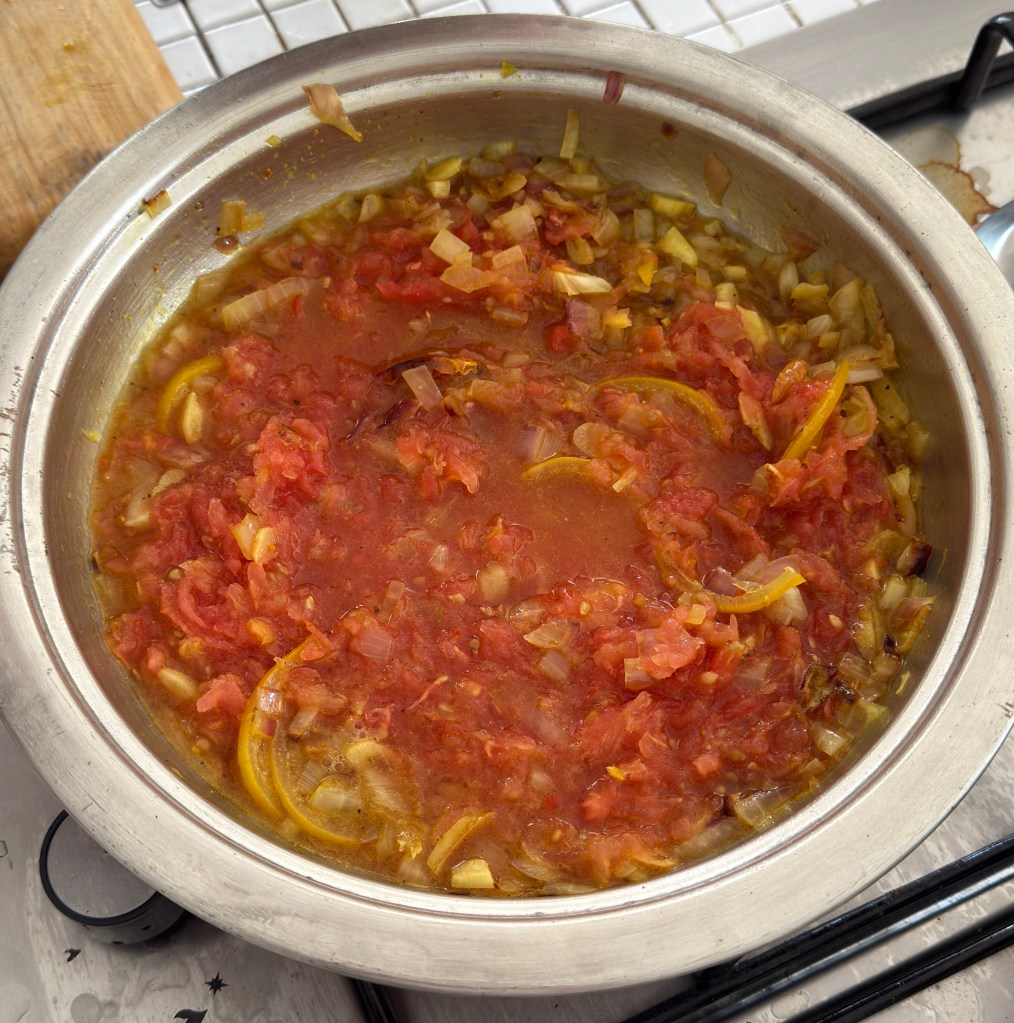
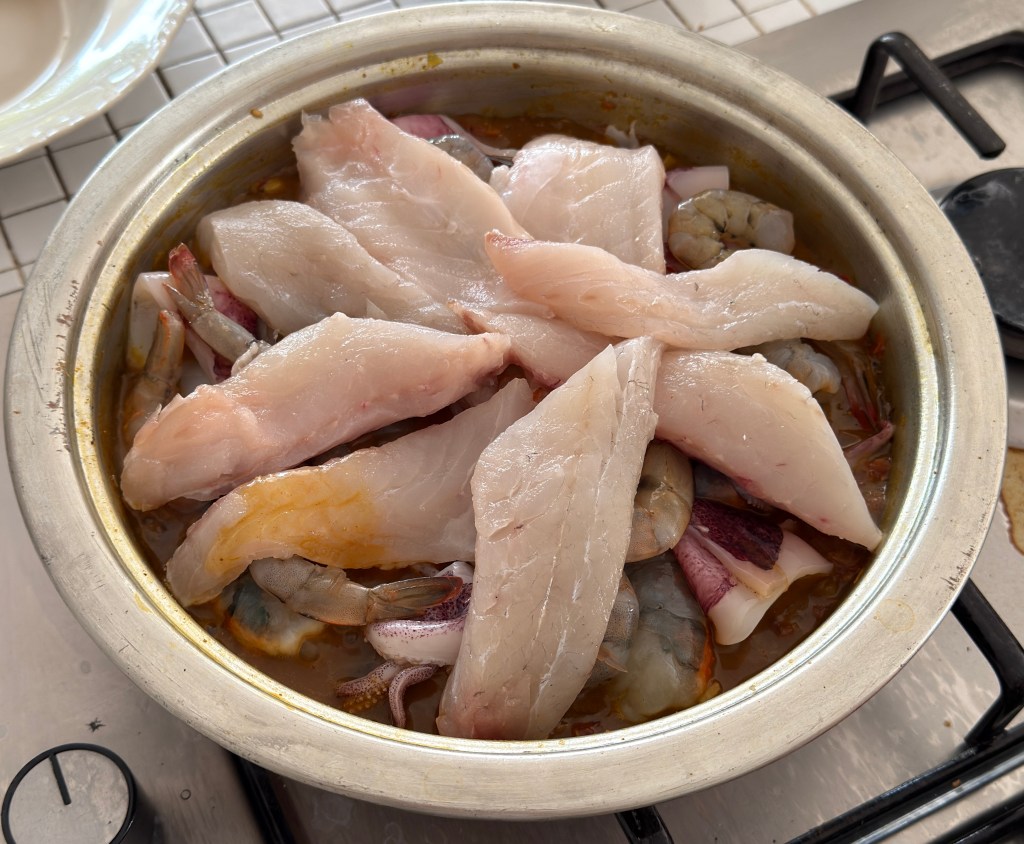
While the stock quietly worked its magic, we built another essential layer: onions and ripe tomatoes, sautéed together until soft and jammy, forming a rustic, sun-bright base for the cataplana. When it was time to assemble, the seafood came next, plump prawns and tender squid nestled into the tomato-onion mixture, with thick pieces of bass carefully arranged on top at the very end, ensuring they would steam gently and stay perfectly tender, never overcooked.

A pinch of saffron, along with fresh parsley, promised both colour and aroma. We let everything simmer gently, no need for a dramatic lid or staged photo, just honest, attentive cooking, letting the ingredients speak for themselves as the kitchen filled with the unmistakable scent of the sea and southern sunshine.

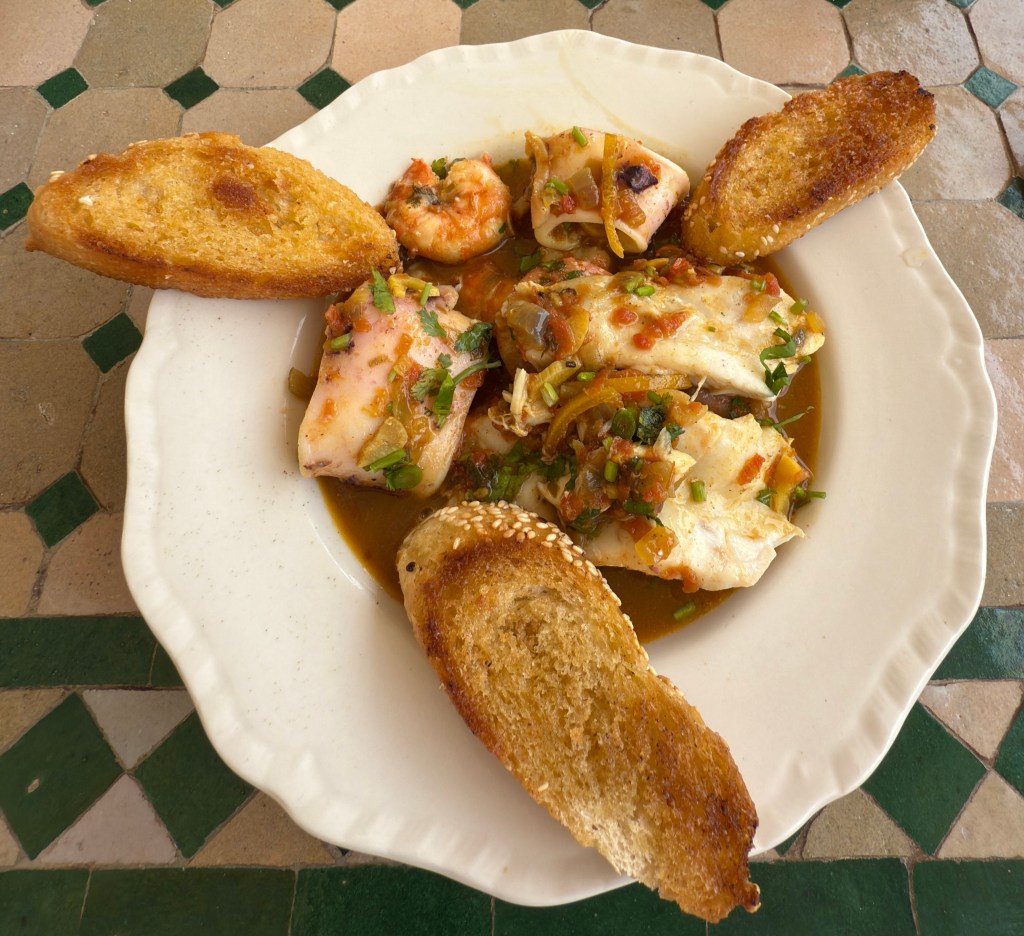
To bring balance and a touch of contrast to the soft, yielding seafood and the rich, sun-drenched base, a simple pleasure was in order: bread. A fresh baguette was sliced into generous rounds, destined to become golden and crisp. The slices sizzled in a pan with plenty of butter, a splash of olive oil keeping the richness in check and lending a gentle fruitiness.

Once burnished and fragrant, each piece was rubbed with cut garlic, the warmth coaxing out its mellow bite. The result—crunchy, aromatic toasts—was the perfect counterpoint, ready to soak up the cataplana’s juices and elevate the meal with a satisfying, rustic crunch. Sometimes, it’s these simple touches, shared in good company, that make a feast truly memorable.

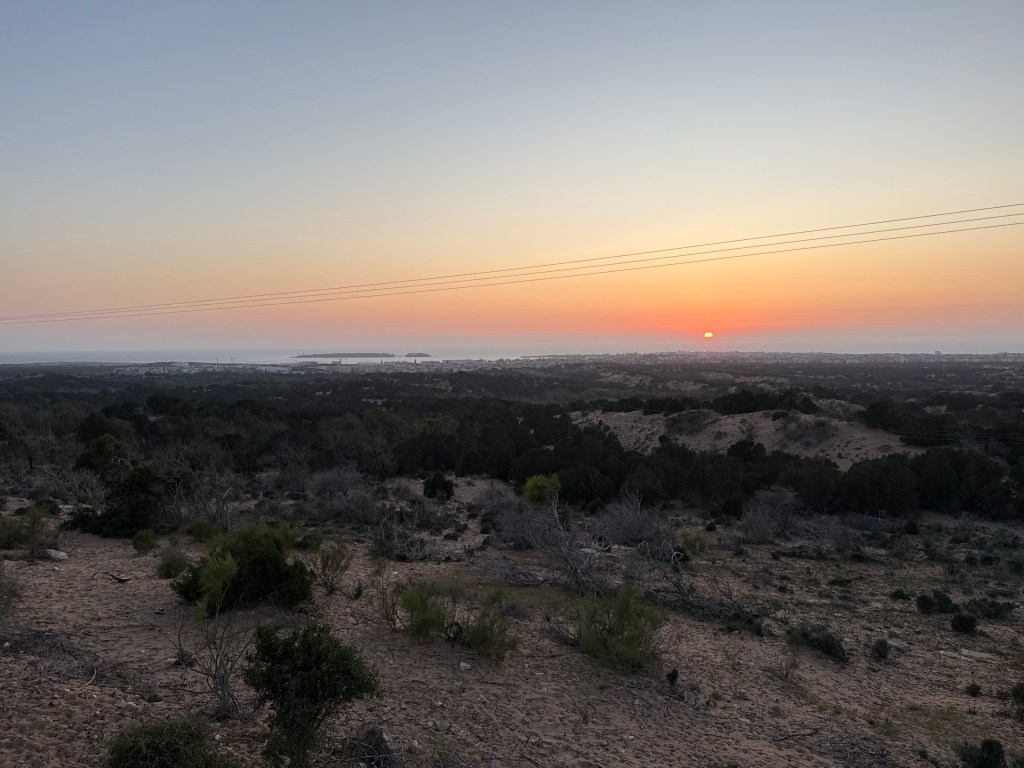
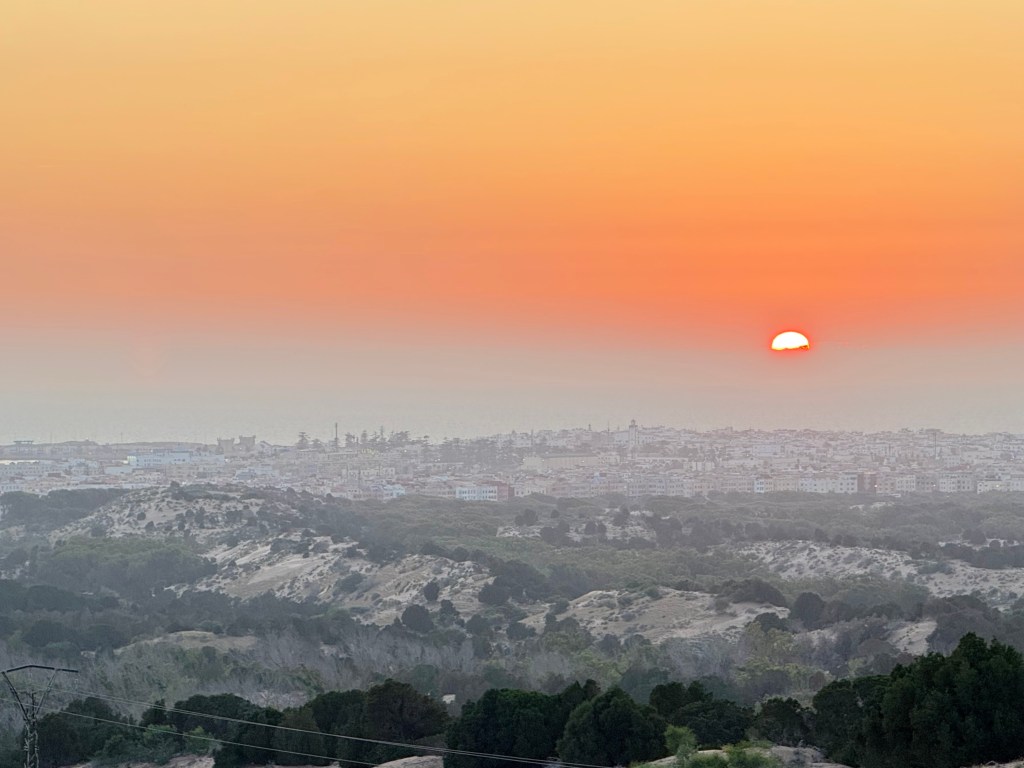
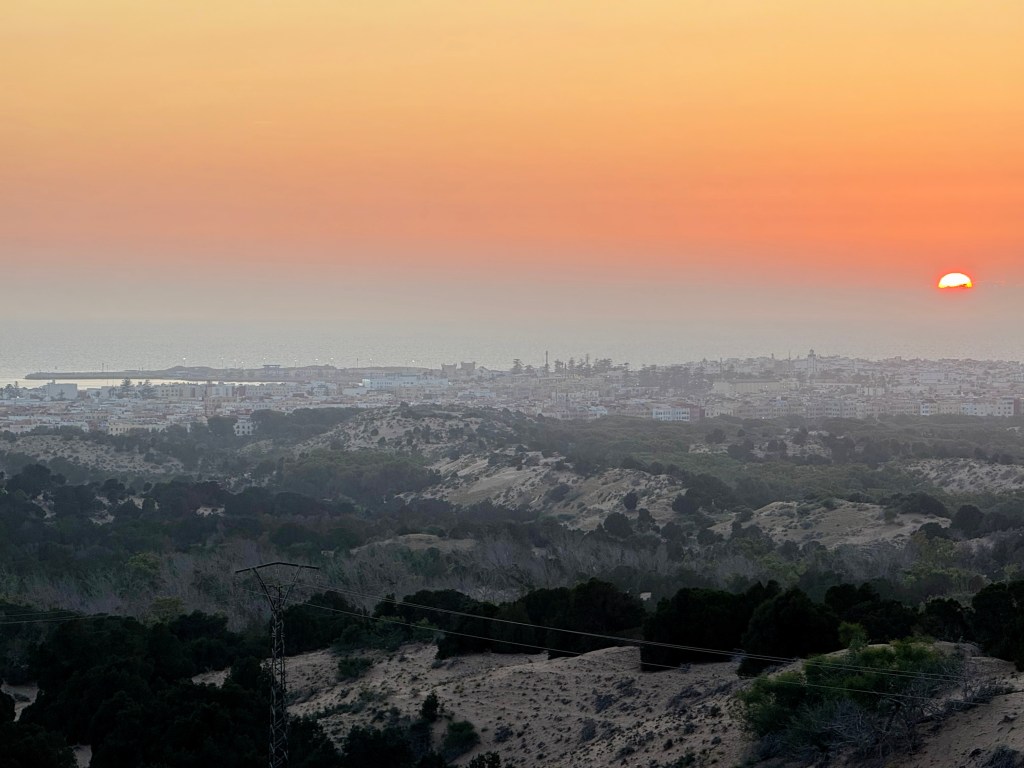
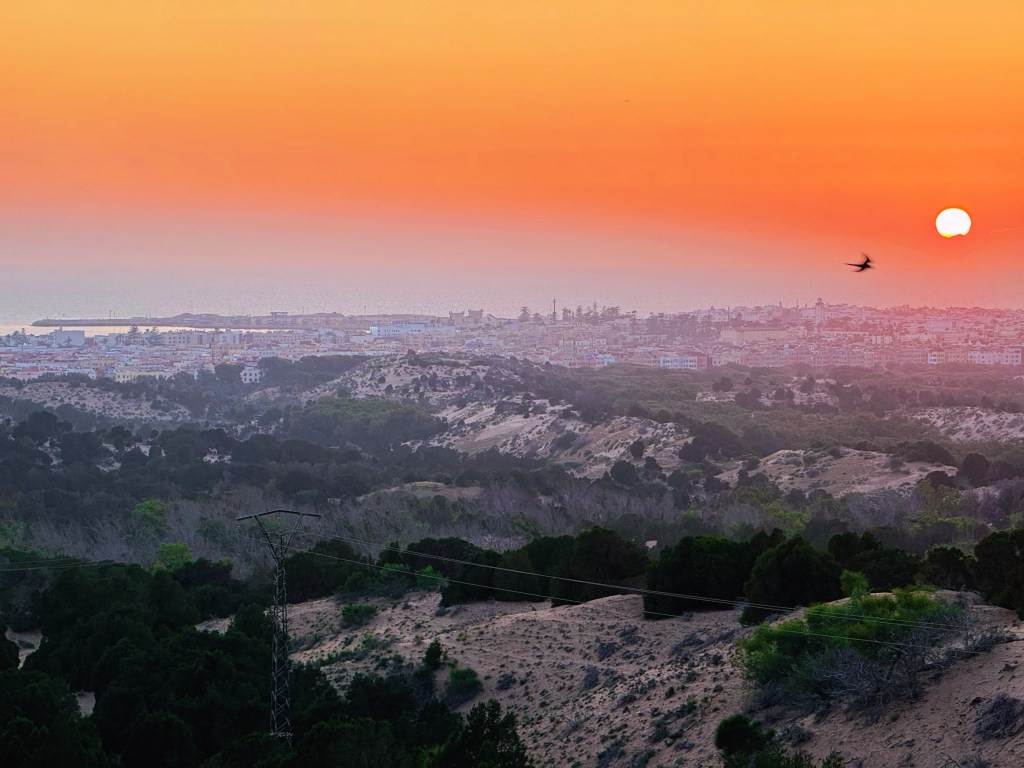
Earlier in the day, the clear, bright blue skies signaled the perfect opportunity for an evening visit to the observation point overlooking Essaouira. Keeping in mind the logistics with our driver, we set out promptly at 19:45 to capture the magic of the moment.

As a photography enthusiast, I brought along my trusted gear: a Fuji XT-1, a Leica D-Lux 7, and of course, the ever-reliable iPhone 16 Pro Max. The XT-1 was set to auto mode, snapping a picture every 20 seconds for up to 20 shots, carefully nestled on the stone wall atop a protective blanket. The Leica was mounted on a sturdy tripod, ready for precise framing, while the iPhone was at hand for spontaneous shots amidst the action.

Despite the rather windy conditions, I was ecstatic with the results, capturing the essence of Essaouira’s evening glow with reasonable clarity and artistry.

……………………Until next time………………L8ers…………………….

From Golden Maakouda to Ocean’s Bounty, and Couscous Steeped in Time: Savouring the Soul of Essaouira – (Day 3)

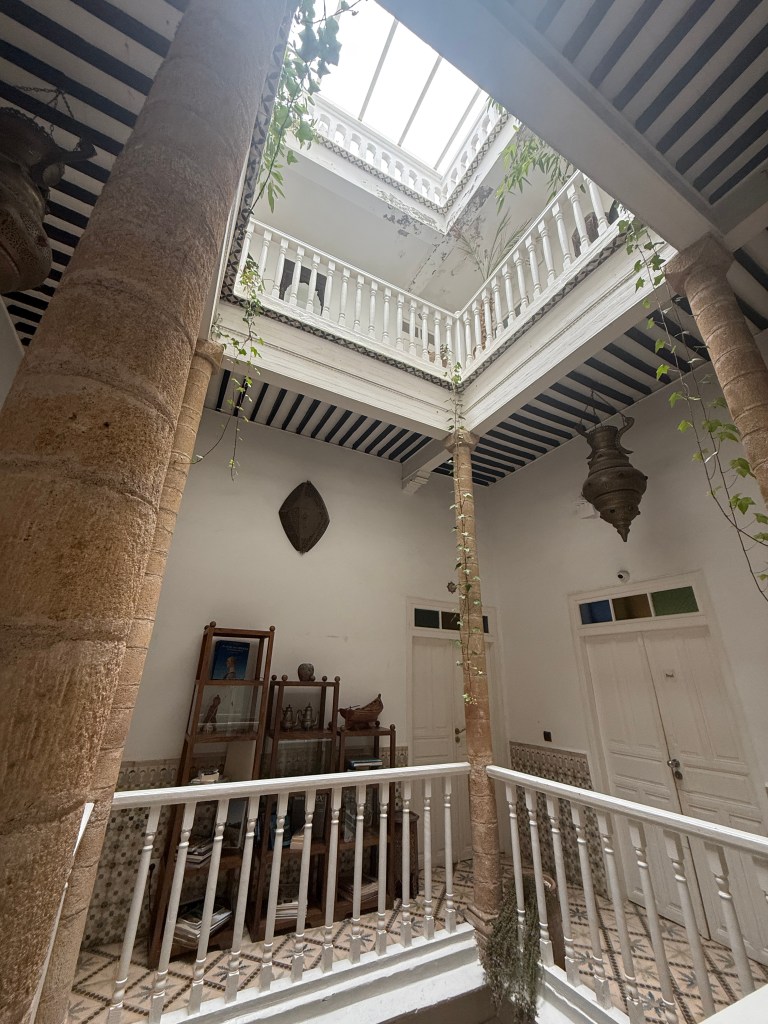
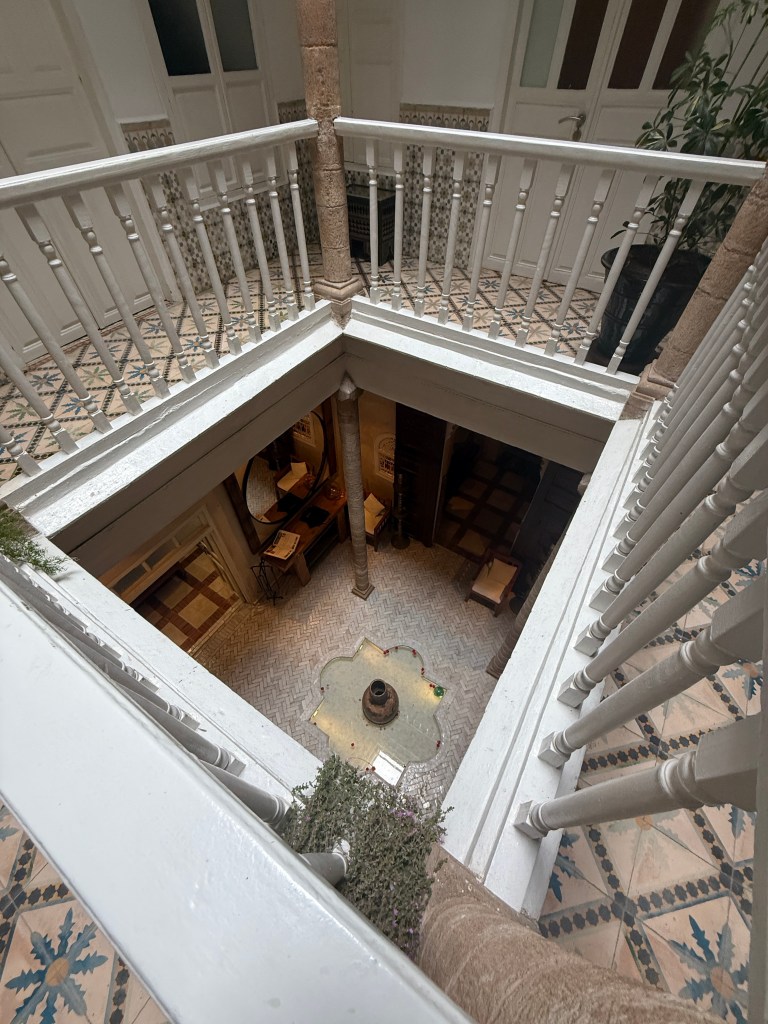
I’d arrived in Essaouira the afternoon before, the Atlantic breeze ushering me through the medina’s winding lanes. My carossa – the quiet, determined man with his battered two-wheeled cart struggled to find Riad Malaika, its entrance hidden deep within a shadowed alley where not even the afternoon sun could reach. After a few wrong turns, some good-natured directions from locals, and a laugh at our shared confusion, we finally found the heavy wooden door. The riad welcomed me with its cool, tranquil courtyard, a secret oasis in the heart of the city.

Later, as dusk settled over Essaouira, I found myself alone at Butterfly Space. The hum of conversation and the clatter of cutlery were a gentle backdrop to my solitary meal, a plate of something vibrant and local, each bite a quiet celebration of arrival. The flavours lingered, weaving themselves into my first memories of the city.

That night, the riad wrapped me in its calm, the world outside fading into silence behind ancient walls.

At first light, the stillness was broken by a wild chorus of seagulls wheeling above the rooftops, their cries echoing through the medina and tugging me from sleep. Essaouira was waking, and so was I, drawn from dreams by the restless energy of the Atlantic and the city’s salt air. It was Monday, I think, though Morocco has a way of making days blur together. A new day had begun, one filled with promise, the memory of a solitary feast, and the wild, joyful chorus of seagulls overhead.

Breakfast was a delight, a celebration of Moroccan hospitality, almost too generous for the modest table. Jewel-like dried fruits and nuts waited beneath a glass-topped container, inviting discovery with every lift of the lid.

There was fresh bread, still warm and fragrant, perfect for scooping up the star of the morning: Amlou, that magical blend of roasted almonds, golden argan oil, and honey, rich and nutty, its flavour lingering long after each bite.

A single slice of crispy French toast, likely cut from a baguette, added a subtle sweetness and crunch, a golden accent among the morning’s offerings.

A variant of traditional Harcha, the rustic semolina cake, brought a tender, savoury note, its edges just crisp enough to satisfy. A glass of fresh fruit juice, vibrant and cool, stood alongside a beautifully prepared fruit salad, each piece glistening as if kissed by the morning sun.

Black tea, deep and fragrant, was served simply in a cup, its warmth and aroma a gentle comfort, mingling with the scents of homemade jam and honey from tiny pots nearby. A one-egg omelette completed the spread, a quiet companion to the abundance around it, and a reminder that simplicity can be its own luxury.

It was a breakfast to savour slowly, each element a note in a harmonious Moroccan morning, welcoming, generous, and filled with the promise of the day ahead.

As I carried my case down to reception, a gentle summons awaited me, Amanda, my guide and chef, and our driver had just arrived at the city’s edge. The hotel’s own carossa expertly appeared, his two-wheeled cart gliding through the labyrinthine corridors of the medina with a grace born of years navigating these ancient stones. We emerged at the medina’s threshold, where our new driver, Adil, greeted us with a beaming smile; kind, gentle, and unfailingly polite, his calm presence a welcome anchor amid the lively swirl of Moroccan traffic, which always seems to dance somewhere between chaos and choreography.

With my bags stowed in the 4×4, Amanda and I slipped back into the medina’s embrace, eager to explore its secrets and gather fresh produce for the day’s adventures. The morning air was alive with possibility as we wandered between sunlit alleys and cool shadows, pausing to admire the vibrant displays of local shops.

Our first stop, the legendary Pâtisserie Driss, was shuttered for Eid al-Adha, the sweet scent of celebration lingering in the air even as the doors remained closed. Undeterred, we wandered on and soon discovered Pâtisserie Boujemaa, its windows brimming with confections that sparkled like jewels in the morning light.

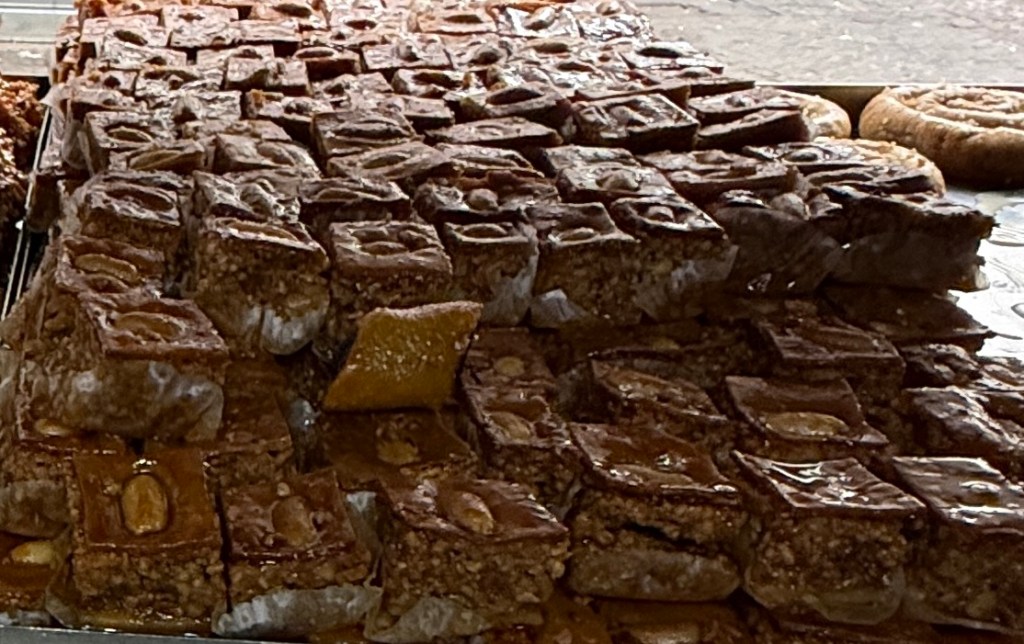
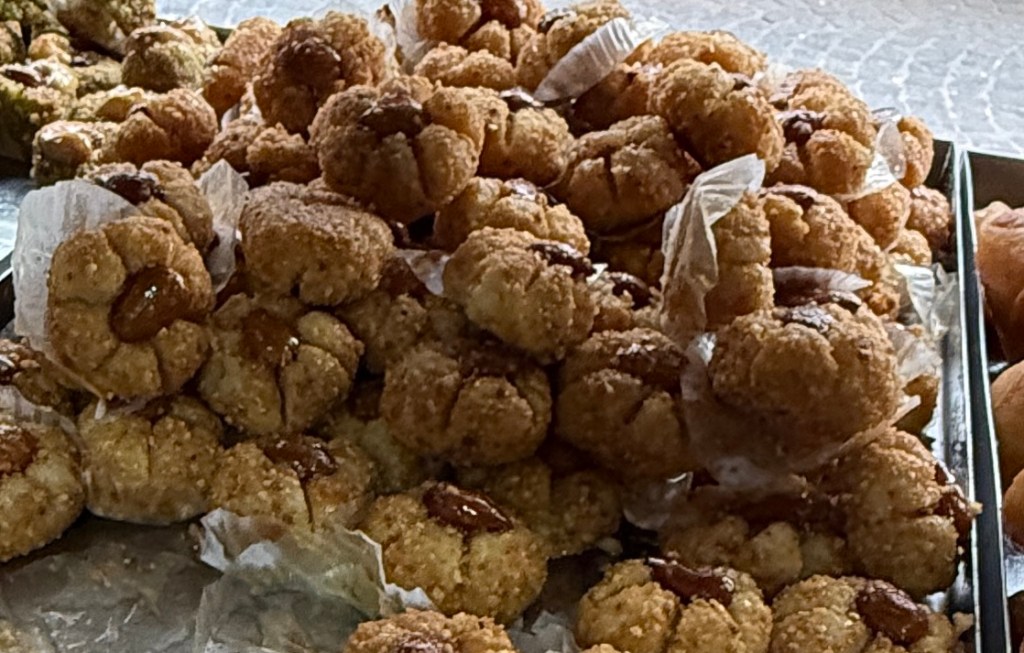
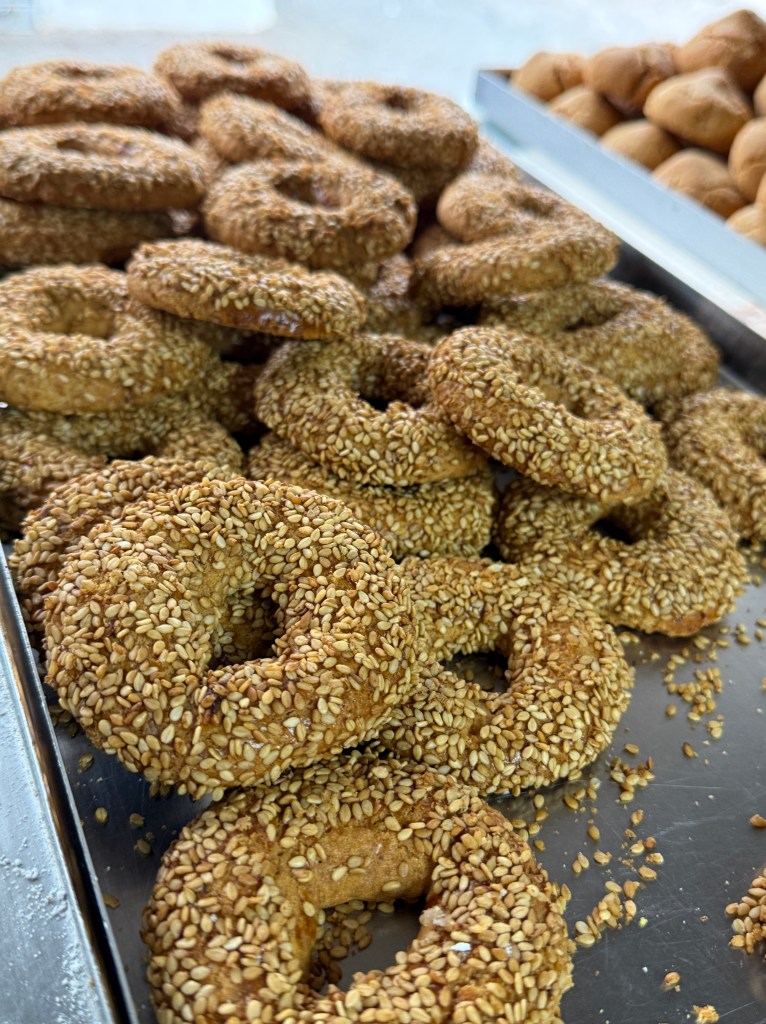
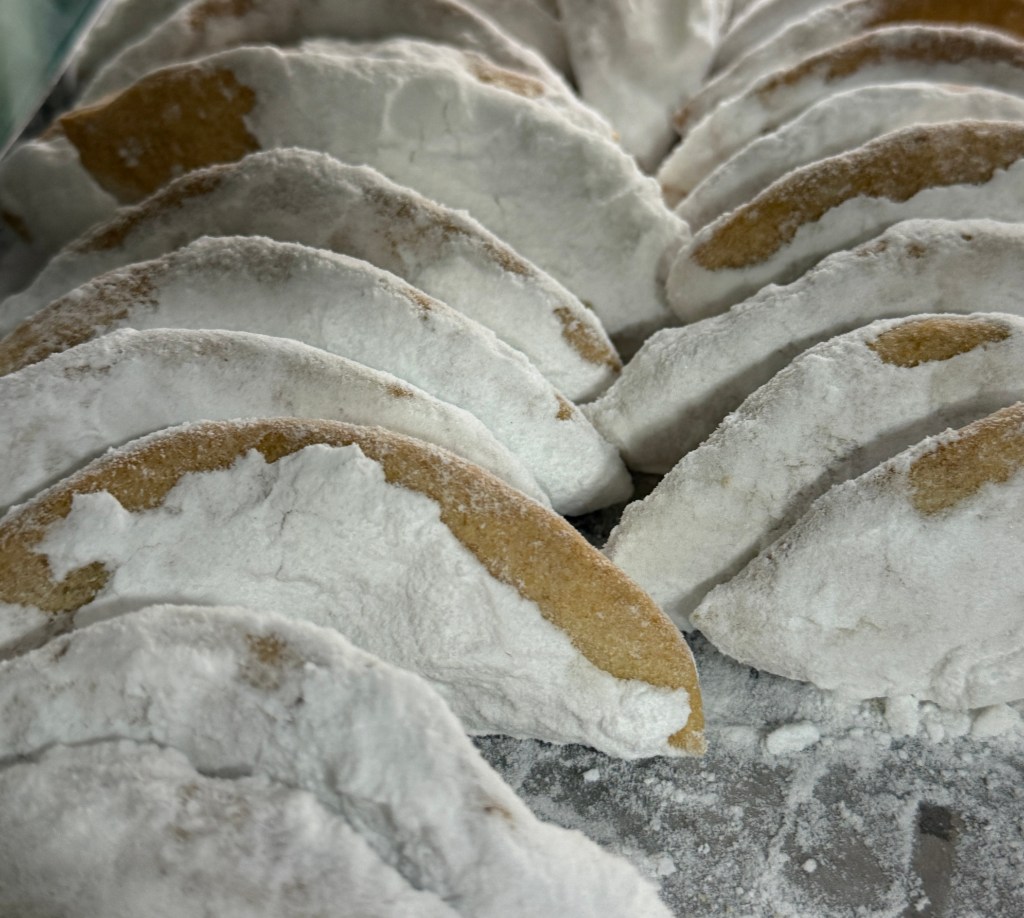
Stepping inside felt like entering a world of Moroccan enchantment, orange blossom and honey perfuming the air, trays laden with cornes de gazelle, glossy chebakia, crumbly ghoriba, and crisp briouats. Each pastry was a testament to Morocco’s centuries-old tradition of hospitality and artistry. For just 150 dirhams, we left with a full kilogram of these sweet treasures, each bite a celebration in itself, some sweet treats for rest of the week.

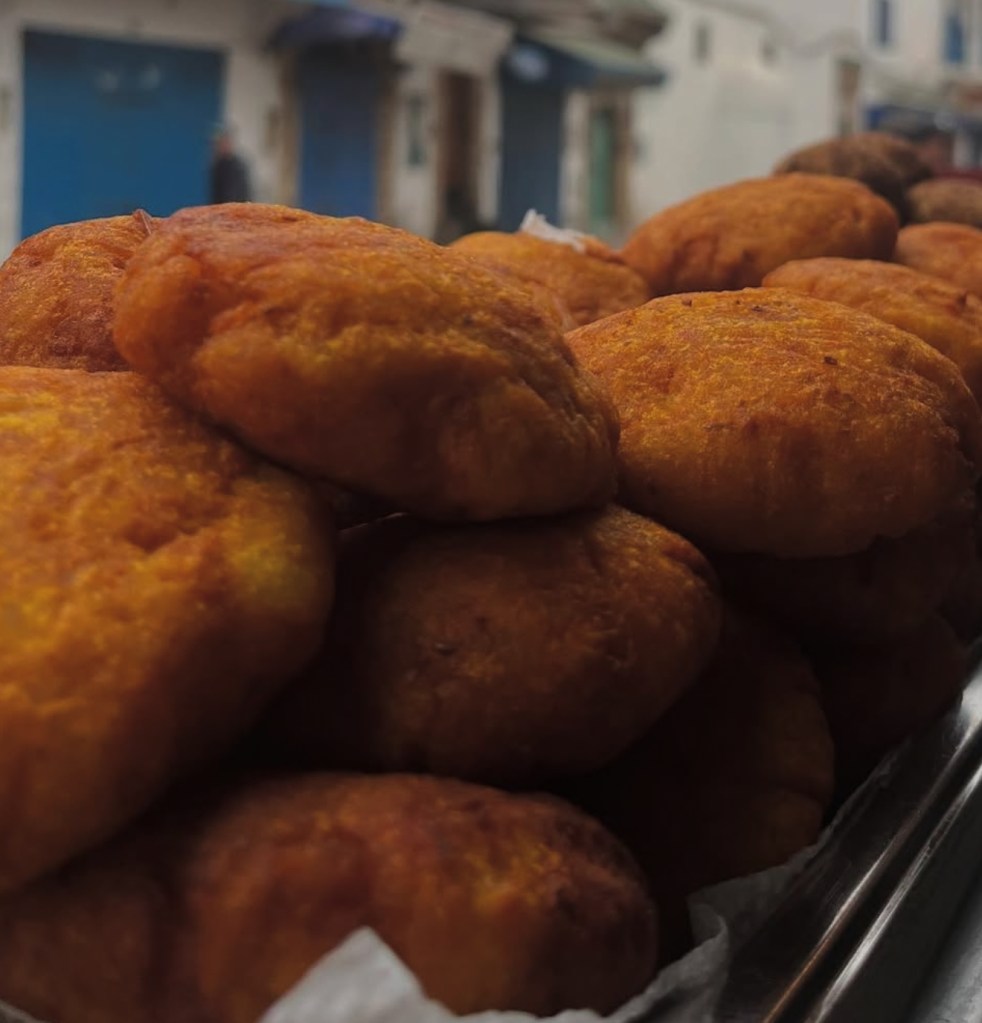
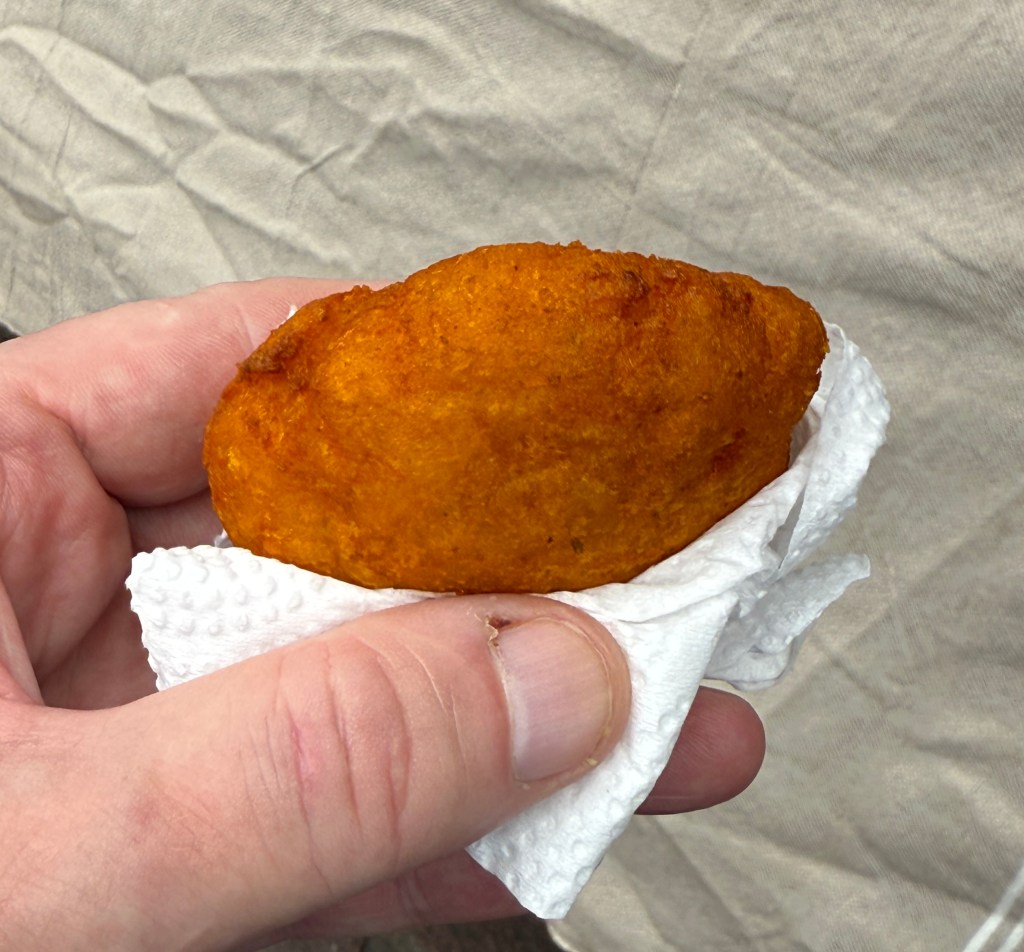
We wound our way through the medina’s twisting corridors until we reached one of the main thoroughfares, where our first snack stop awaited: maakouda. We enjoyed them just as they were, fresh from the fryer, golden and crisp, with no need for accompaniments. Eaten plain, the gentle warmth of turmeric and cumin took centre stage, allowing the comforting flavours of these humble potato fritters to truly shine. There’s a special charm in the simplicity of Moroccan street food, and with each bite of maakouda, we tasted that perfect balance of spice and tradition.

Shopping in Morocco is a true adventure for the senses. Here, the focus is on flavour rather than flawless appearance; tomatoes, courgettes, and carrots may not look perfect, but their taste is unbeatable. We delved deep into the medina, venturing into bustling corners where few travellers stray, on a mission to gather ingredients for our culinary explorations. This was a foodie holiday, after all, and Amanda, an exceptionally talented chef, was eager to discover every hidden gem. In one shop, chickens clustered together in a large open box, a scene both fascinating and distinctly local. The vegetable stalls were overflowing with vibrant produce, and we selected earthy beetroots for a trout cure back at the villa, along with fresh courgettes and carrots for the couscous we’d prepare later. Wandering through these tucked-away markets was both fun and eye-opening, the abundance of vegetables, the lively atmosphere, and the remarkably low prices all added to the magic of our Moroccan shopping adventure.

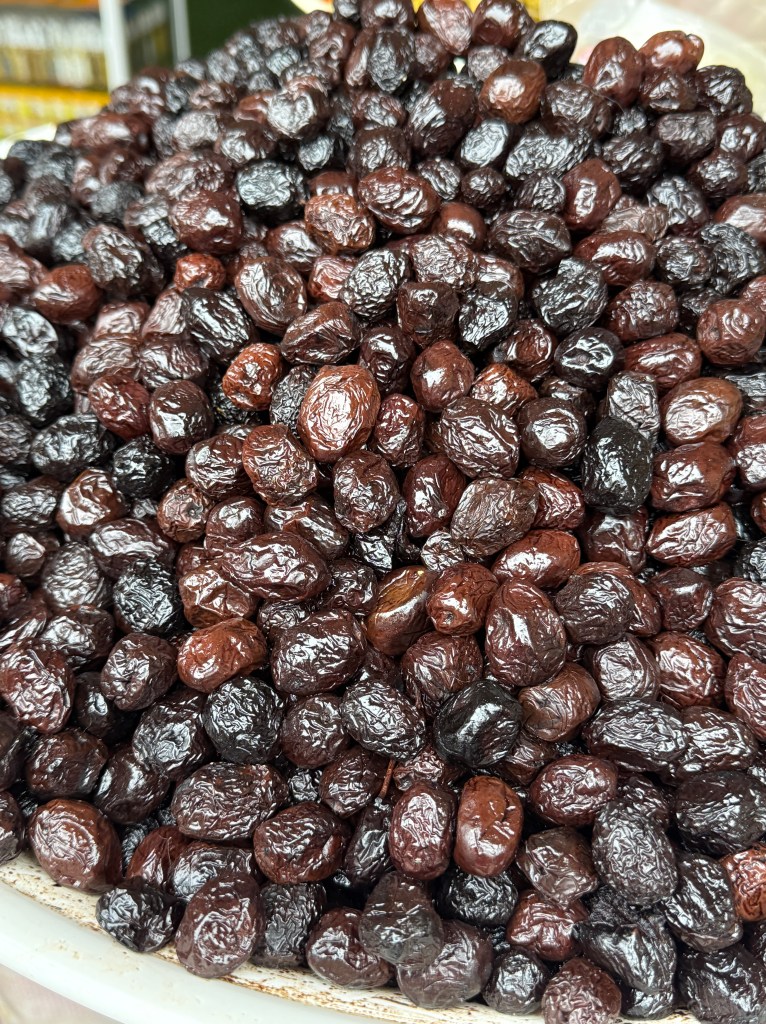
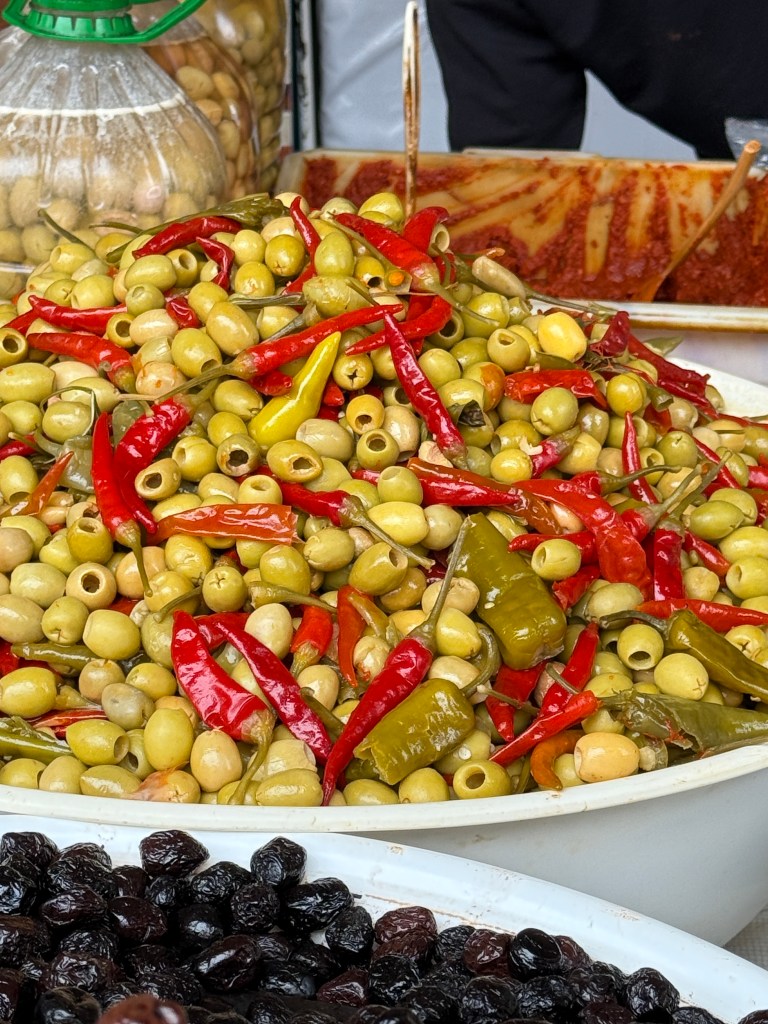
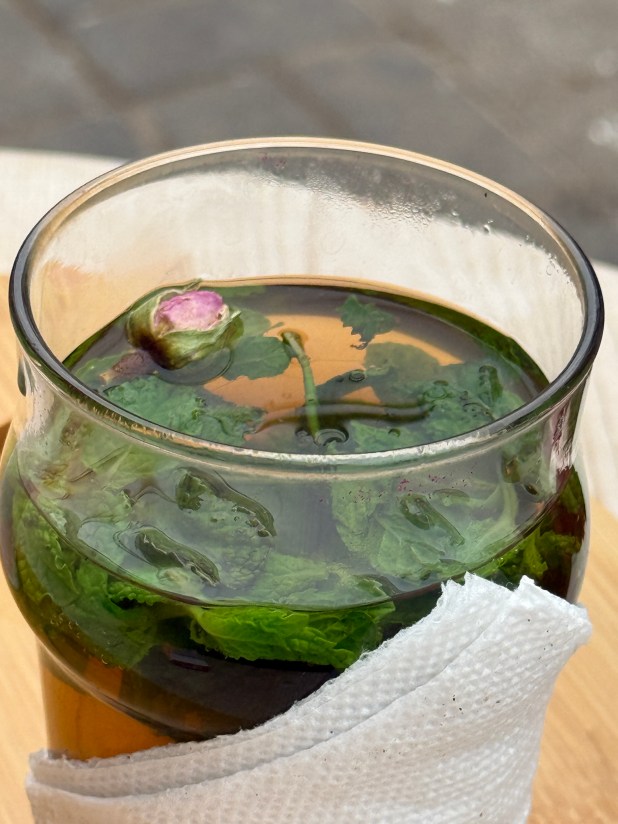
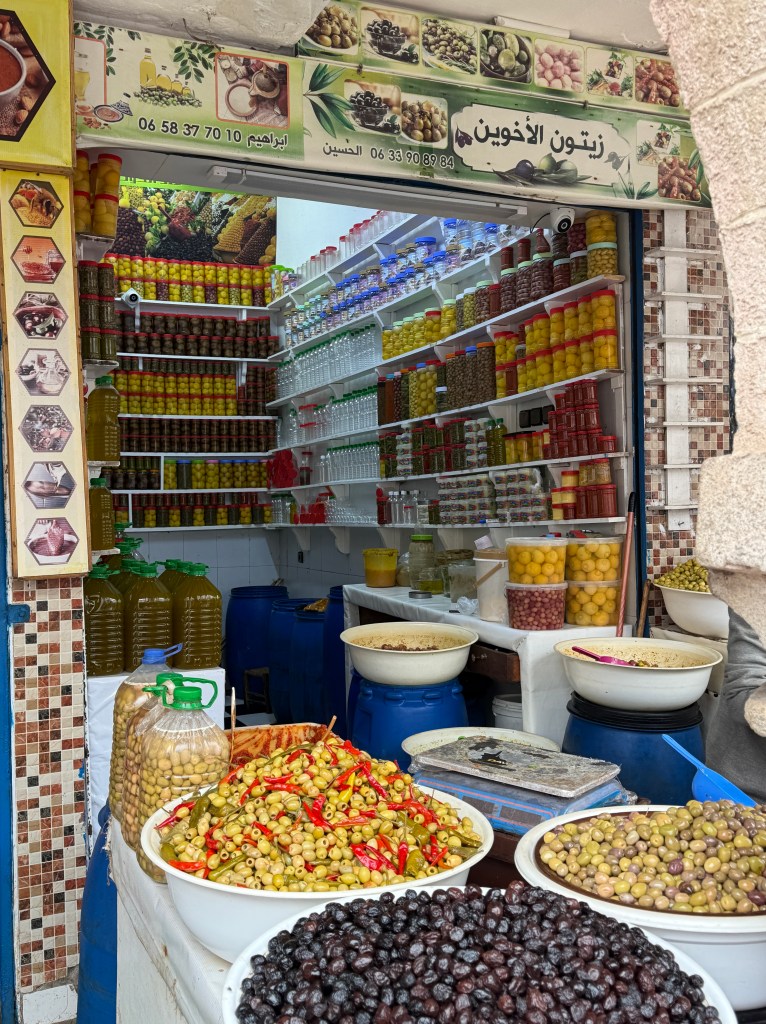
We settled in for a good half hour over a glass of steaming mint tea at a tiny café nestled beside a lively market stall, where great tubs of glossy olives in every shade of green and purple caught our eye. The stall was a paradise for any food lover; mounds of spicy green and red harissa, generous portions of rich, aromatic khlii (Moroccan preserved lamb), and an ever-changing parade of locals stopping by for their daily essentials.

As we lingered over our sweet atay b’naanaa, the air alive with the mingled scents of herbs and spices, we soaked in the vibrant scene. For anyone curious, atay b’naanaa simply means “mint tea” in Moroccan Arabic – atay is tea, and naanaa is mint, so there’s no banana involved, just a fragrant blend of green tea, fresh spearmint, and sugar. Here, at the heart of the medina, surrounded by the raw ingredients of Moroccan cuisine, each sip of tea felt like a celebration, a leisurely pause and a perfect window into daily life before our next culinary adventure.

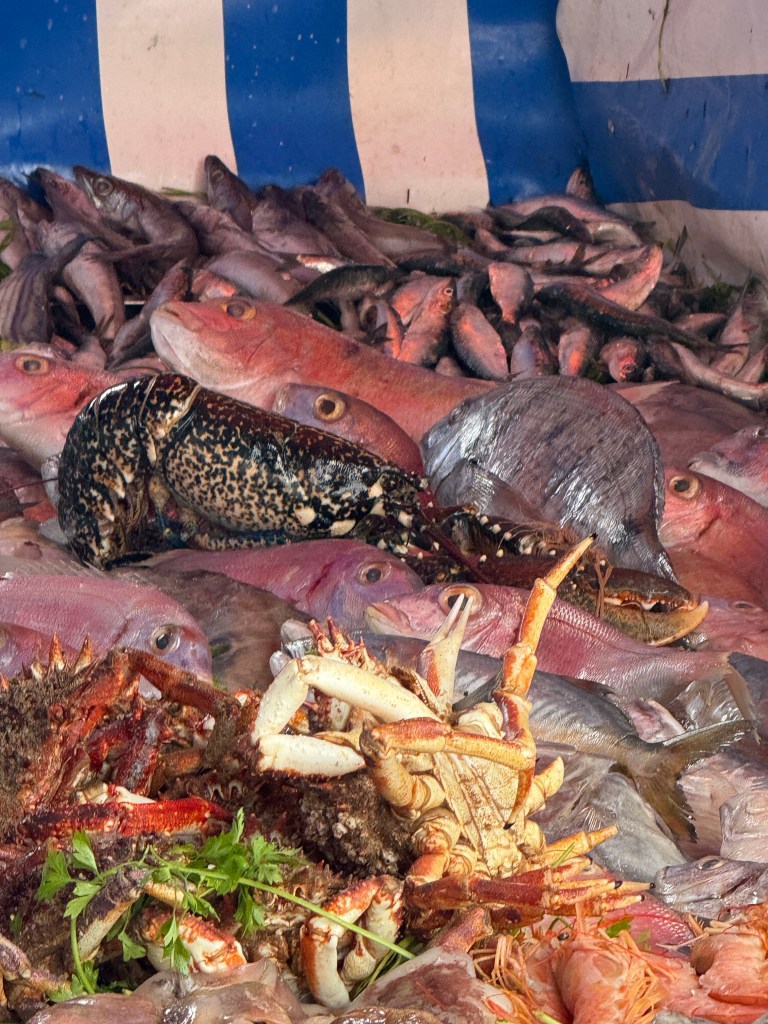
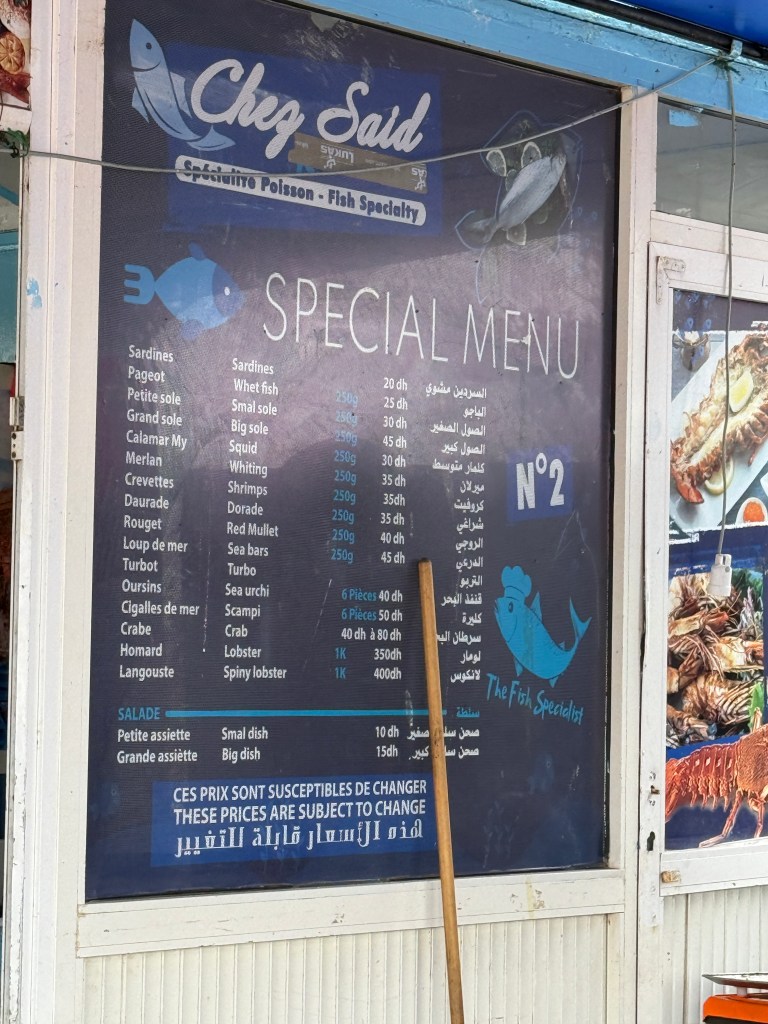
After the excitement of selecting fresh fish and prawns from the morning’s catch and savouring them perfectly grilled over charcoal, we spent a wonderful few hours exploring the medina’s winding alleys. The markets brimmed with vibrancy, tubs overflowing with glossy olives, heaps of fiery harissa, and generous servings of khlii, all set to the backdrop of everyday Moroccan bustle. Laden with ingredients and inspired by the sights and scents around us, we set off for our next destination: La Fromagerie, an artisan goat’s cheese maker, where we hoped to discover yet another delicious facet of Morocco’s culinary heritage.

Leaving the bustle of Essaouira behind, we set out on a scenic 13-mile journey along the N8, turning onto the R301 as the landscape unfurled before us. Hidden well back from the road, La Fromagerie emerged like a serene oasis—so peaceful that the distant hum of traffic vanished completely. The air was fragrant with blooms from lush gardens, and vibrant flowers framed the entrance, setting the tone for what felt like a secret retreat.

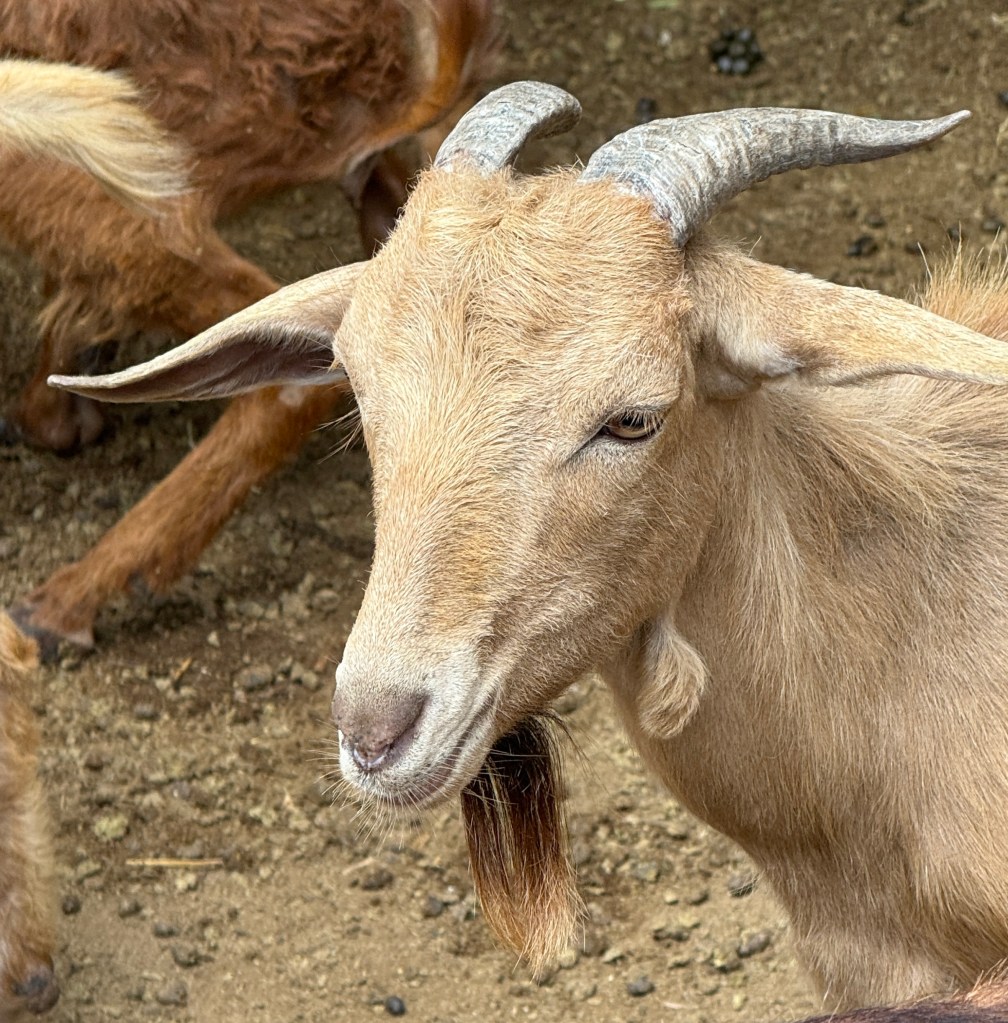
We were welcomed with a fascinating tour of the goat cheese production unit, where the day’s fresh milk was being transformed into creamy rounds of artisan cheese. The resident goats, content and curious, grazed nearby, while chickens scratched in the shade, supplying eggs for the kitchen. It was a beautiful glimpse into the rhythms of living off the land—a place where sustainability and tradition go hand in hand.

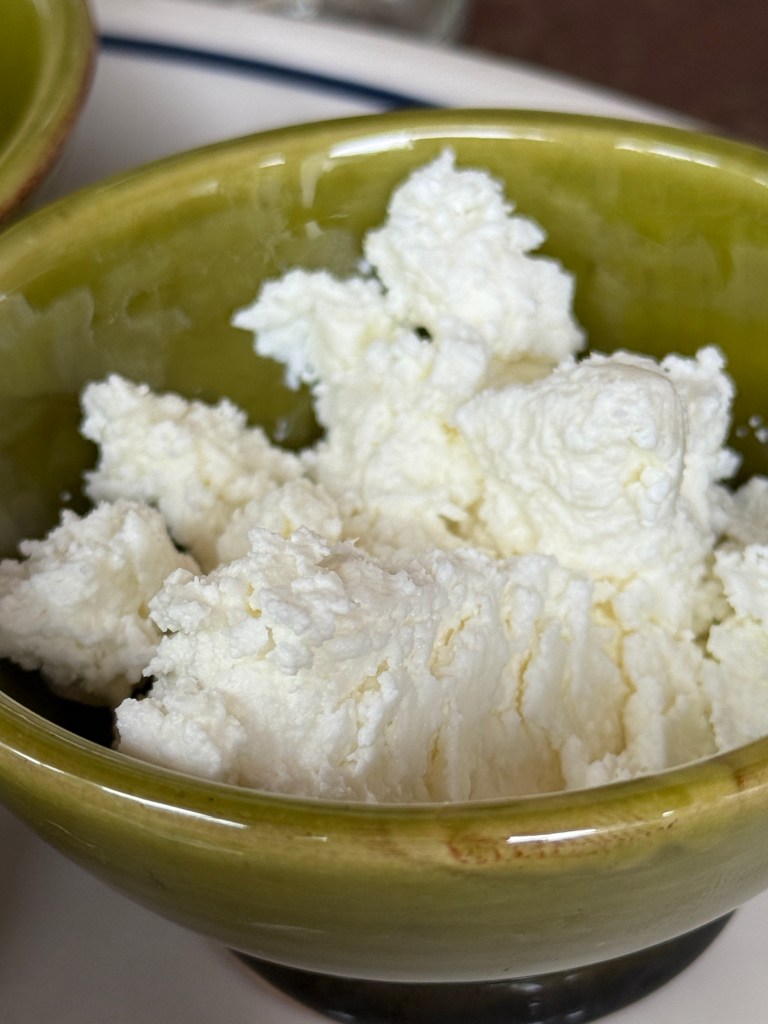
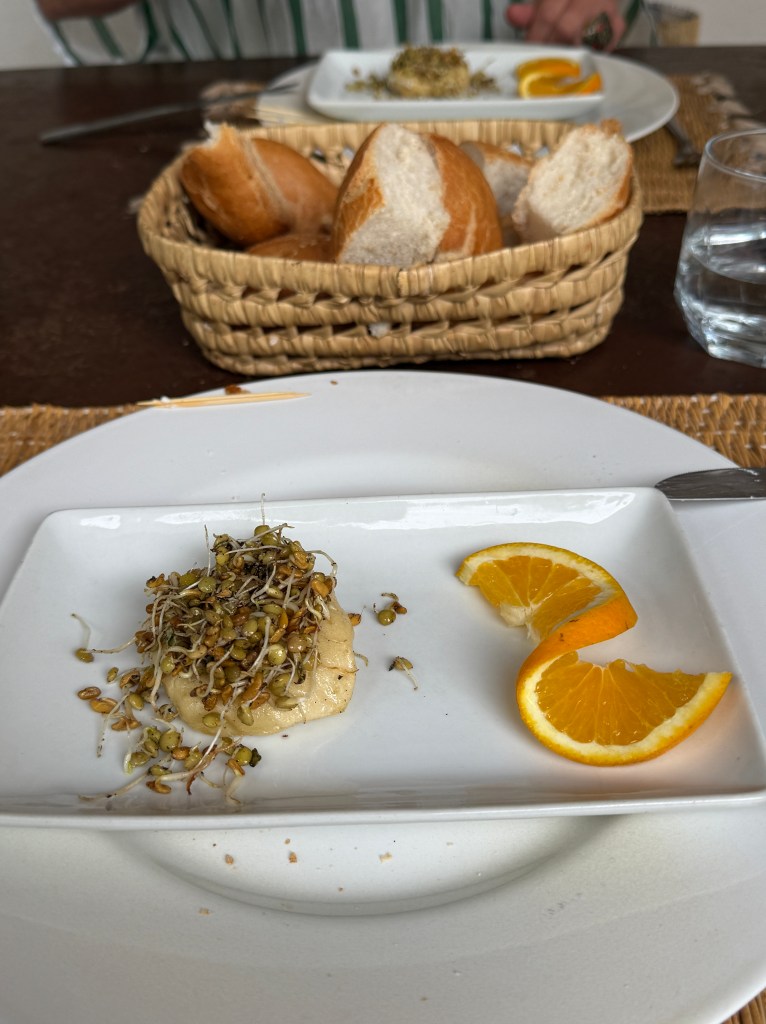
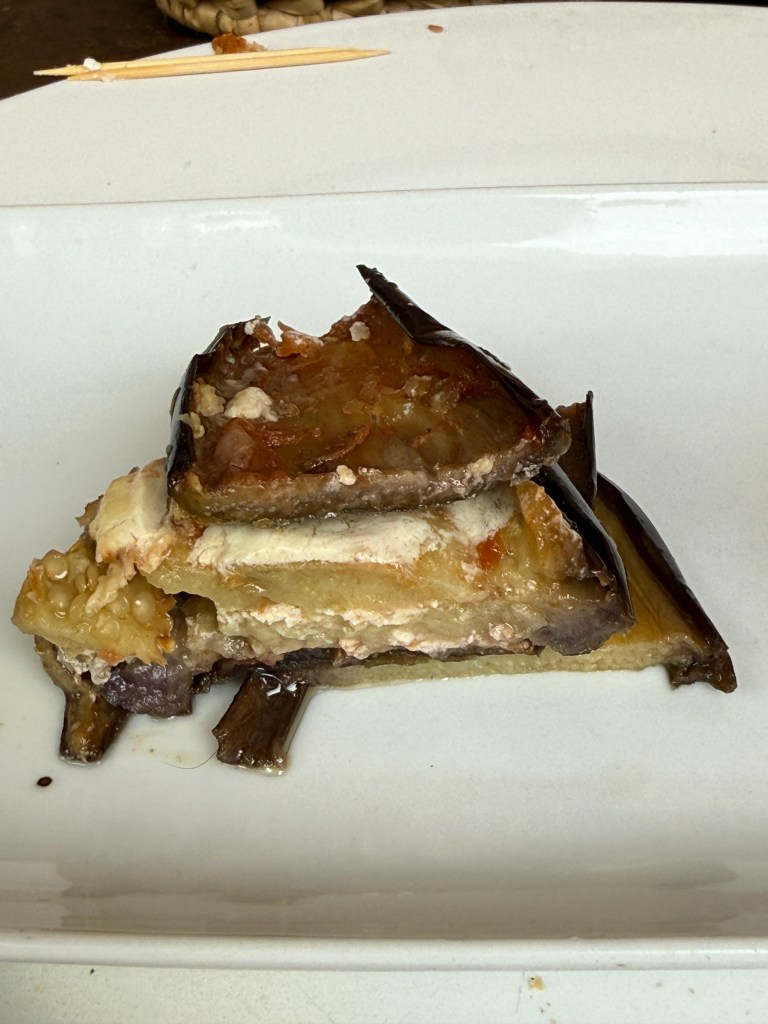
The meal at La Fromagerie was a true celebration of local flavours and craftsmanship. We began with a tasting of goat’s cheeses at varying stages of maturity, each one offering its own subtle character and creamy tang. Next came a delightful starter: a round of grilled cheese, its molten centre wrapped in a delicate bread crust and crowned with a tangle of sprouting pulses, simple yet utterly irresistible. Layers of silky aubergine followed, perfectly cooked and infused with just a whisper of tomato and chilli, each bite a harmonious balance of earthiness and warmth. To finish, we savoured ‘lamb mechoui‘, tender, succulent, and deeply flavourful, a dish that lingered long in the memory. Every course was a testament to the art of rustic Moroccan cooking, and together they made for a lunch that was nothing short of perfect.

For those tempted to linger, La Fromagerie also offers charming rooms for an overnight stay, inviting guests to fully immerse themselves in this tranquil corner of rural Morocco.

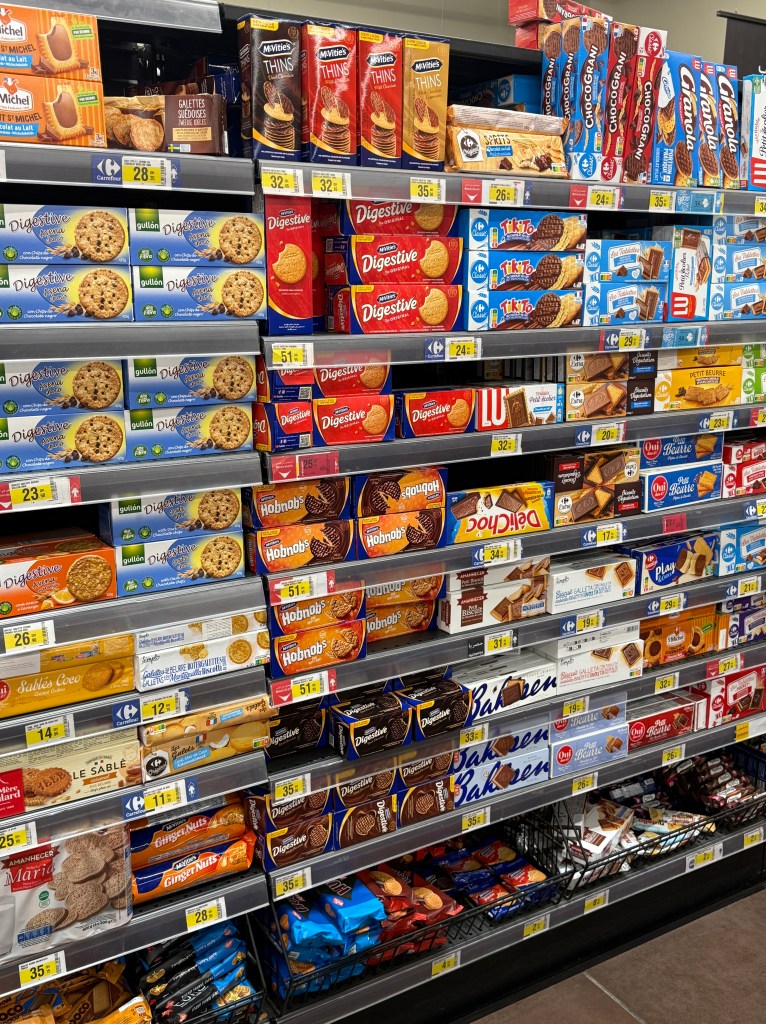
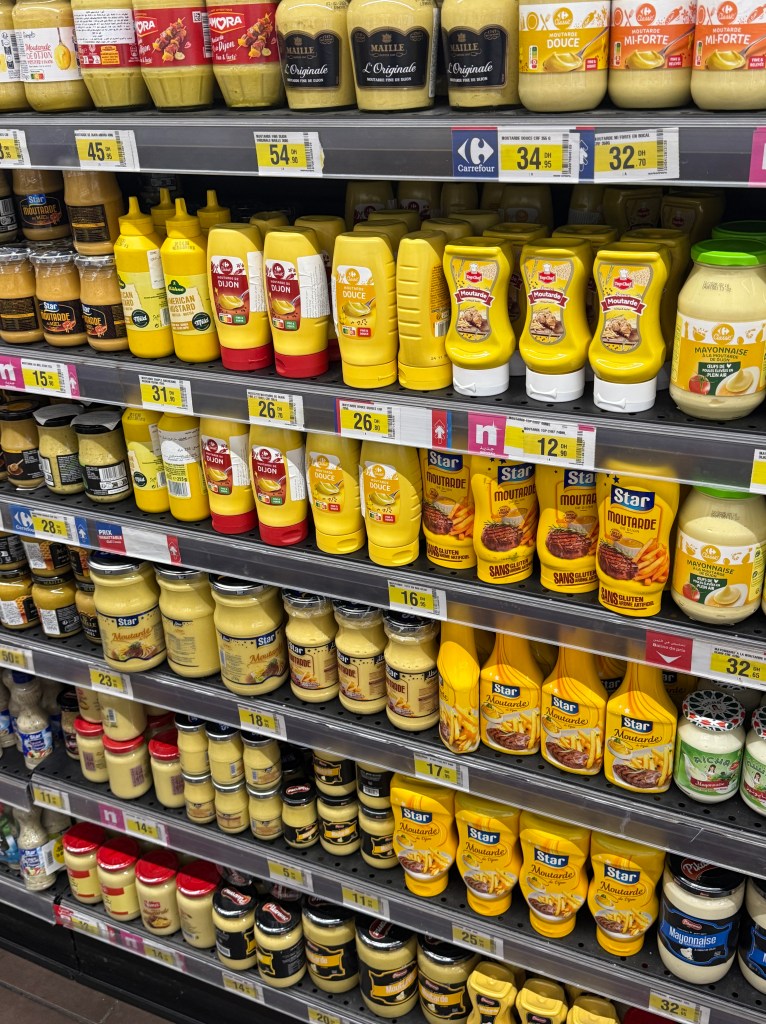
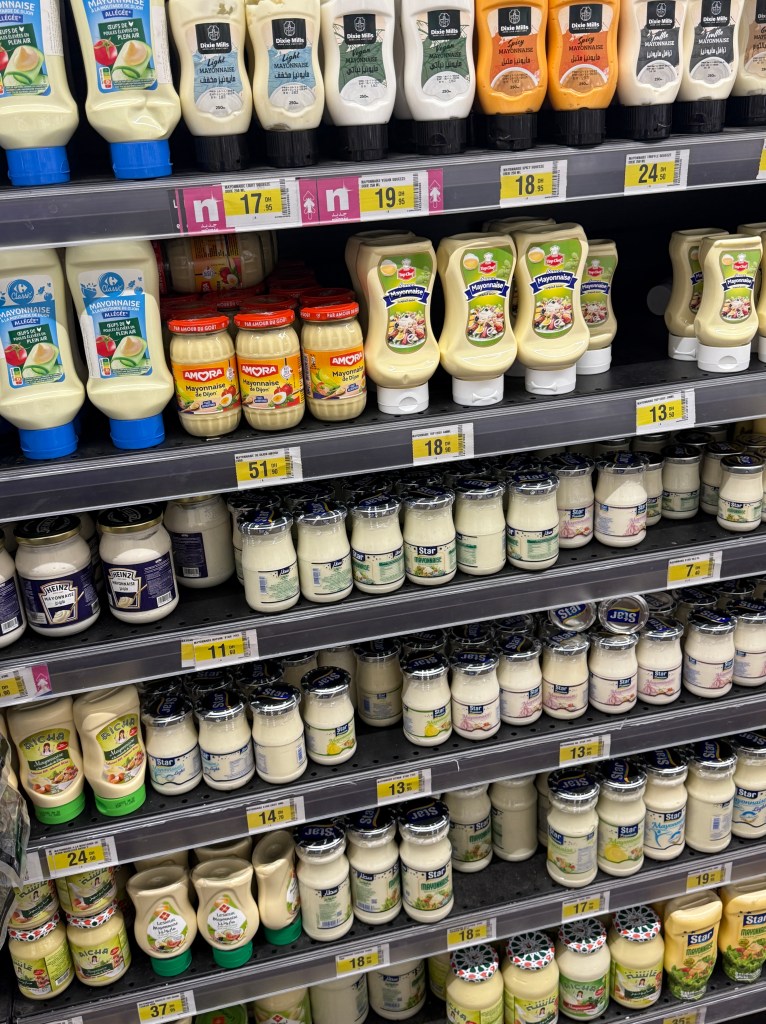
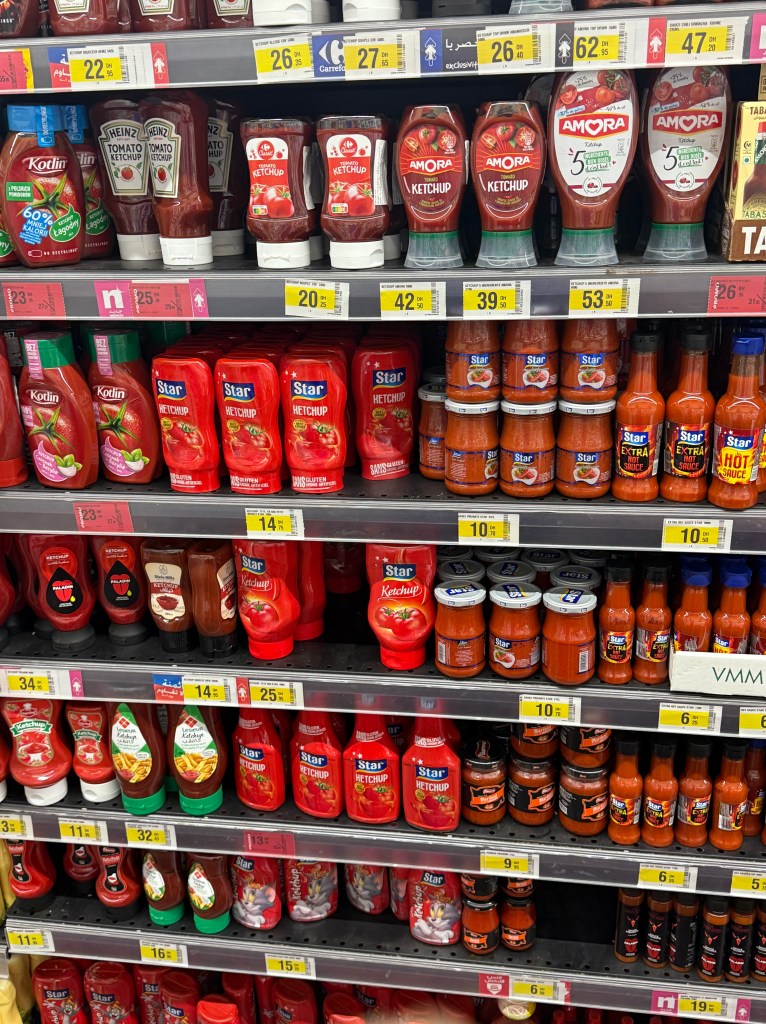
On our way to Amanda’s villa, we couldn’t resist a stop at Carrefour, a ritual I love when traveling. There’s something fascinating about wandering foreign supermarket aisles, comparing the range of products and prices to those back home. Carrefour’s shelves were stocked with a surprising array of international treats and local staples.

The alcohol section was particularly impressive, boasting a wide selection of beers, wines, and spirits, a reminder of Morocco’s cosmopolitan side. Imported goods, as expected, came at a premium; seeing familiar British biscuits and condiments with their price tags in dirhams was both amusing and eye-opening. The meat counter, however, was nearly bare, a quiet testament to Eid Al-Adha, when families gather and butchers take a holiday. Only a few spicy Merguez sausages remained, hinting at the usual bustle of the market. Visiting a Moroccan hypermarket like Carrefour is more than just shopping, it’s a cultural experience, revealing the rhythms of daily life and the interplay between tradition and modernity.

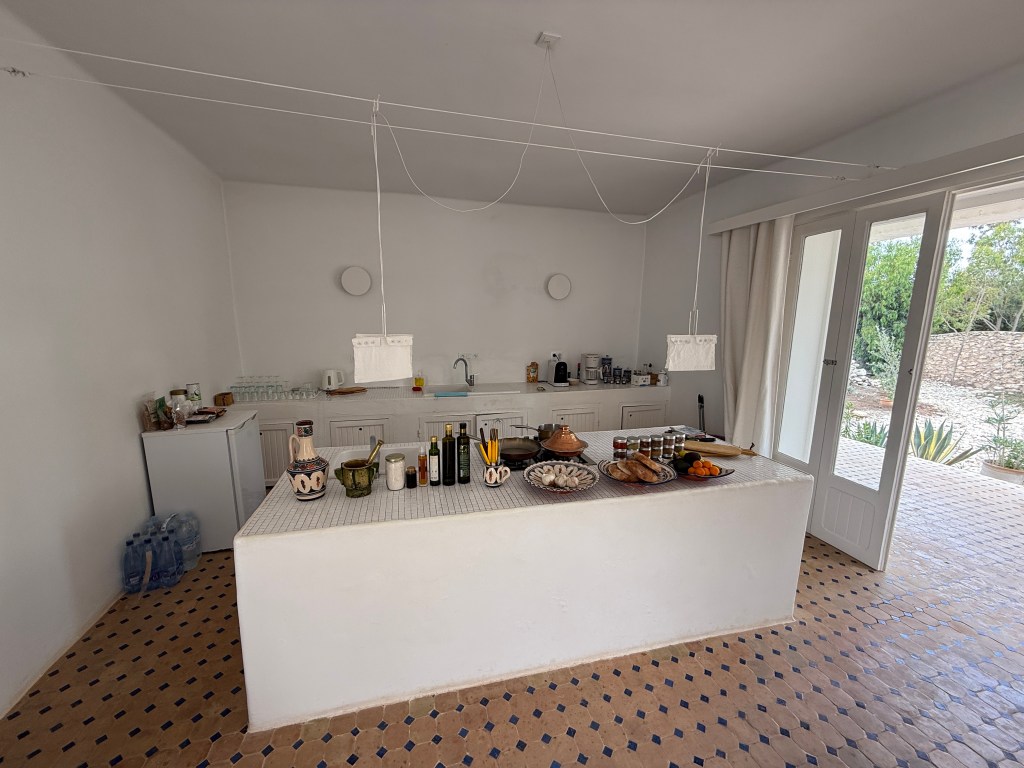
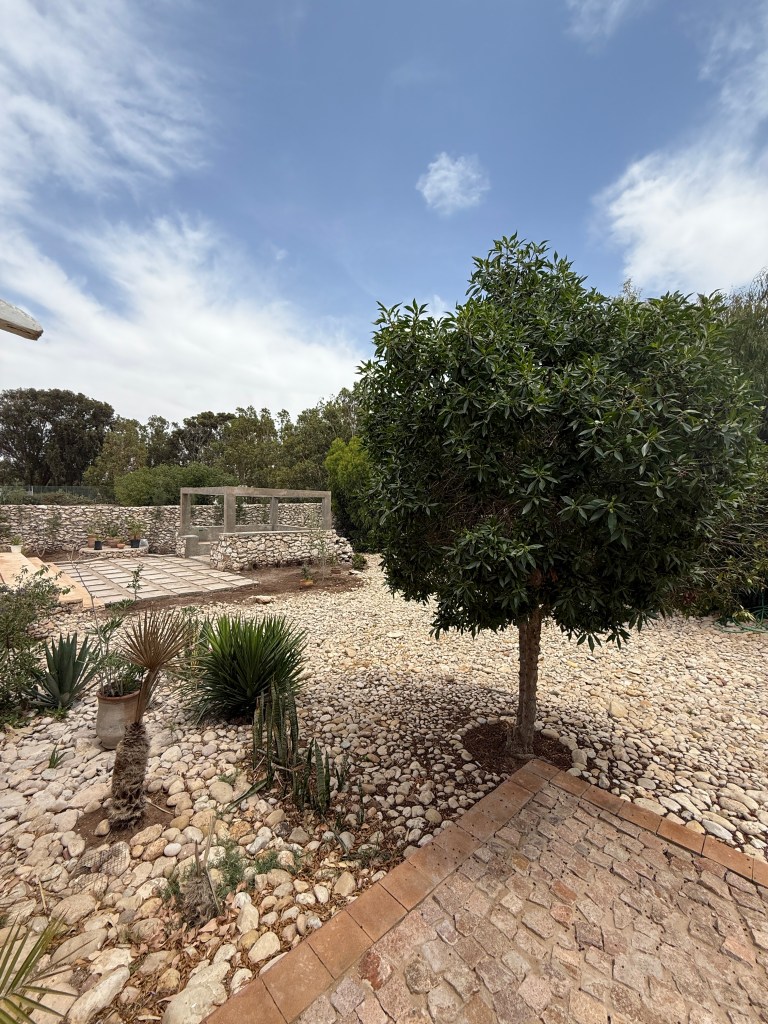
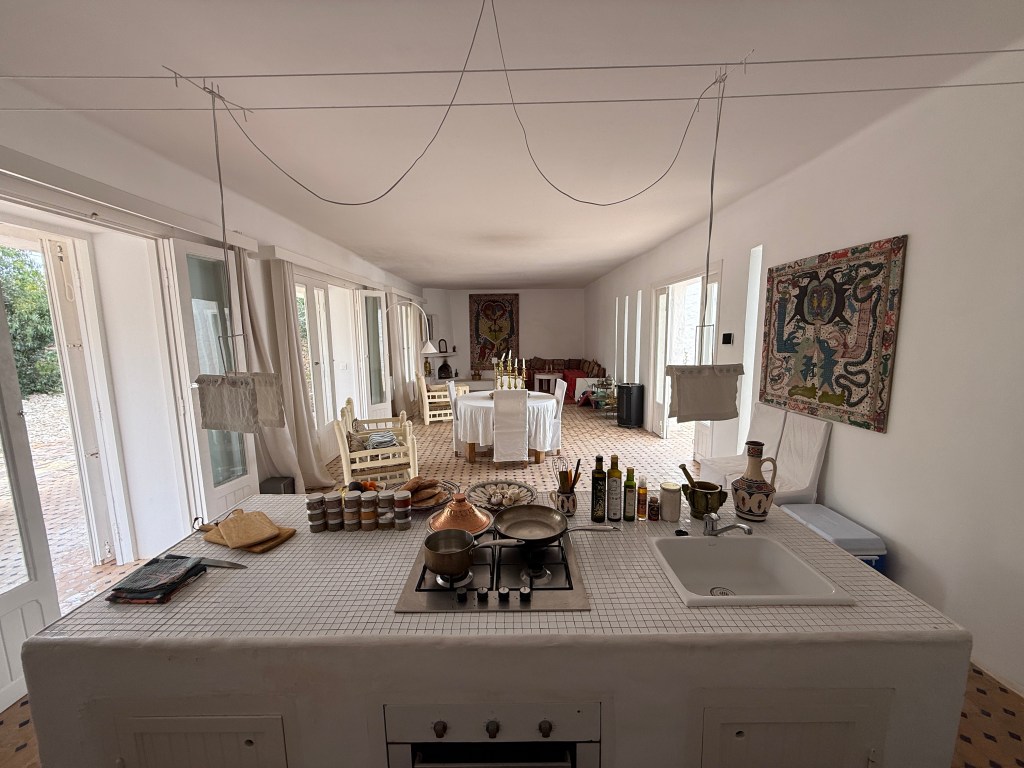
Our home base for days three to five was Amanda’s beautiful villa outside Essaouira, a whitewashed haven with an airy, open-plan design that struck the perfect balance between light and cool comfort. The spacious kitchen, complete with a generous cooking top and ample prep space, was a dream for any food lover. Outside, a welcoming dining area invited us to linger over meals in the fresh air, while the thoughtful architecture let sunlight pour in without letting the heat intrude. It was the ideal setting for my first Moroccan cooking lesson: couscous, a true labour of love.

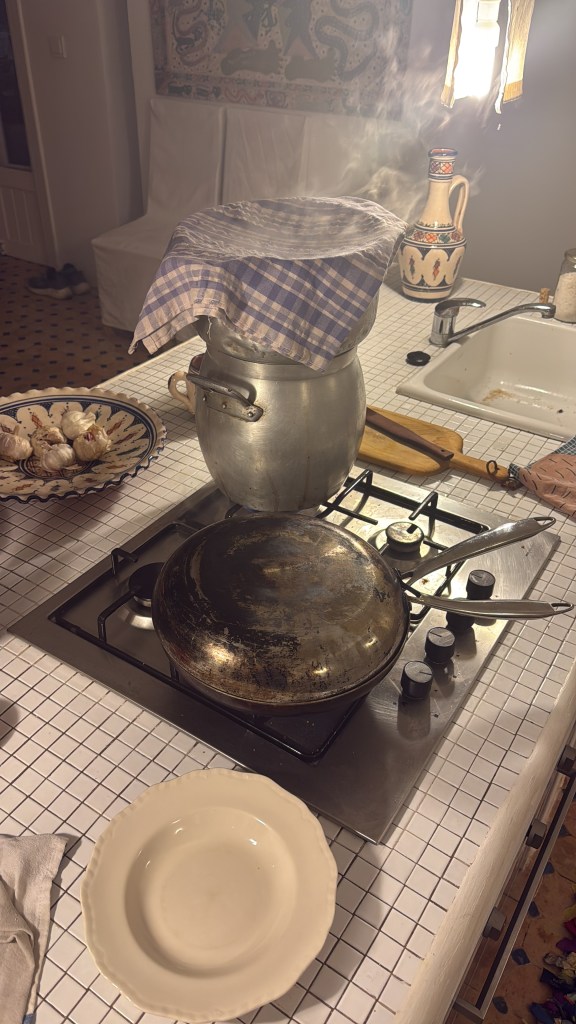
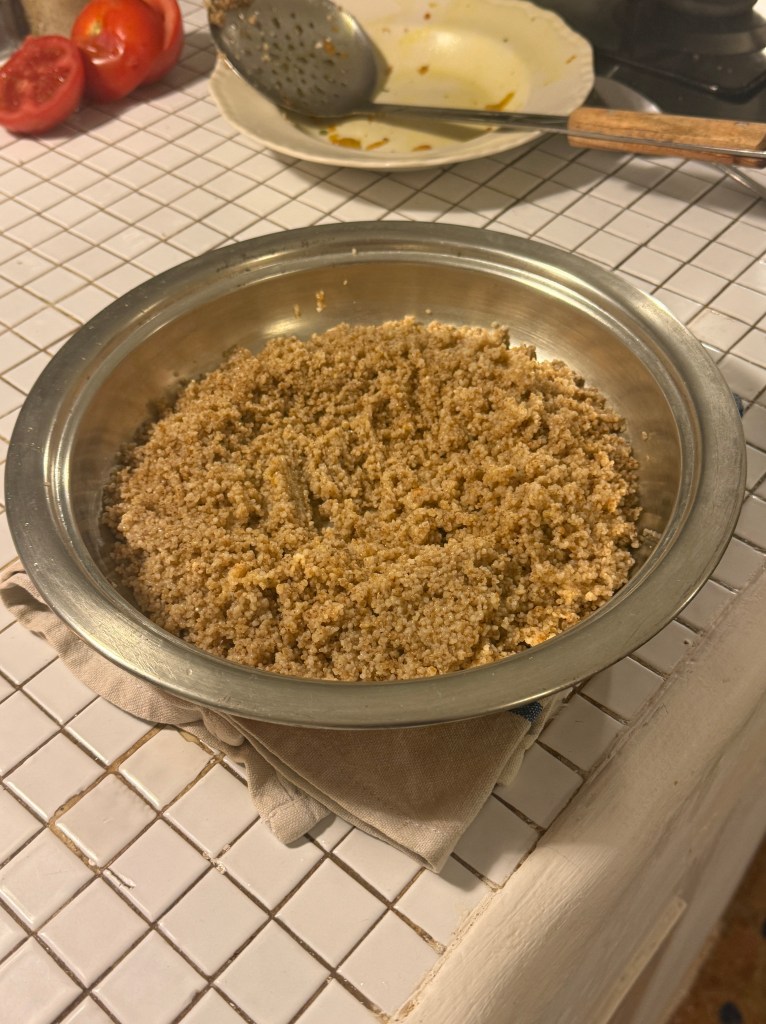
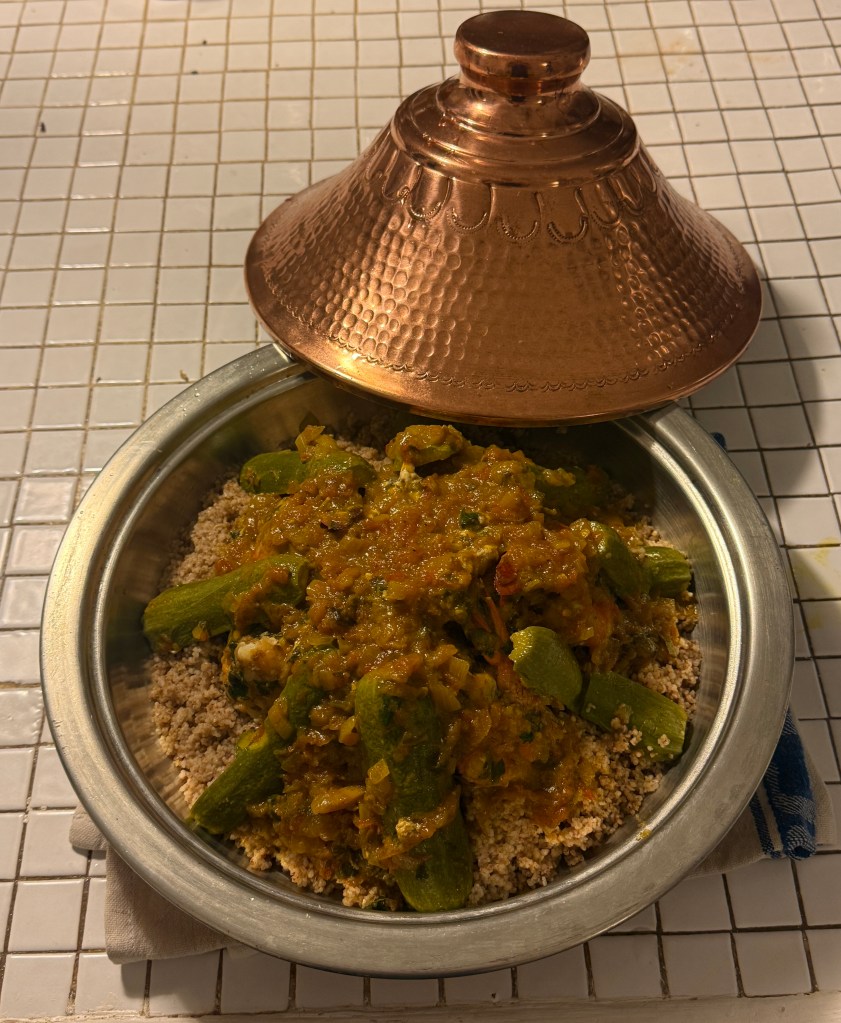
Preparing traditional Moroccan couscous with organic, coarse, dark grains is a soulful ritual, steeped in centuries of culinary tradition. It all begins in a wide, shallow gsaa bowl, where the couscous is gently sprinkled with water, a pinch of salt, and a golden drizzle of olive oil. With practiced, gentle hands, the grains are softly rubbed and rolled, their earthy aroma rising as each one is lovingly coated and separated. After a patient rest, the couscous is heaped into the top of a couscoussier, where it steams above a bubbling pot of homemade broth, fragrant with onions, garlic, and a medley of aromatics, perhaps a pinch of saffron or Ras el Hanout. Once the steam has worked its magic, the couscous is tipped out, allowed to cool just enough, and then gently hand rubbed again, breaking up clumps and coaxing the grains to lightness.

This meditative cycle of steaming and gentle hand rubbing is repeated three times, each round drawing out the couscous’s tender, fluffy character without ever becoming sticky. No further water is added after the first step; it is the steam, the touch, and the patience that transform the grains. For the final steaming, we nestled quartered courgettes into the simmering broth, letting their subtle sweetness and fresh green flavor infuse the steam and mingle with the couscous above. When the grains were finally ready, we finished them with a generous knob of butter, folding it through so every grain glistened and carried just a hint of richness.

To serve, we spooned over the meltingly soft onions and vegetables from the broth, then crowned the couscous with golden pieces of fried monkfish, their delicate flavour providing a wonderful contrast to the subtle, fragrant grains. The result was a dish that felt deeply rooted in Moroccan tradition, yet uniquely our own, capturing the spirit of hospitality and the joy of sharing something truly special at the table.

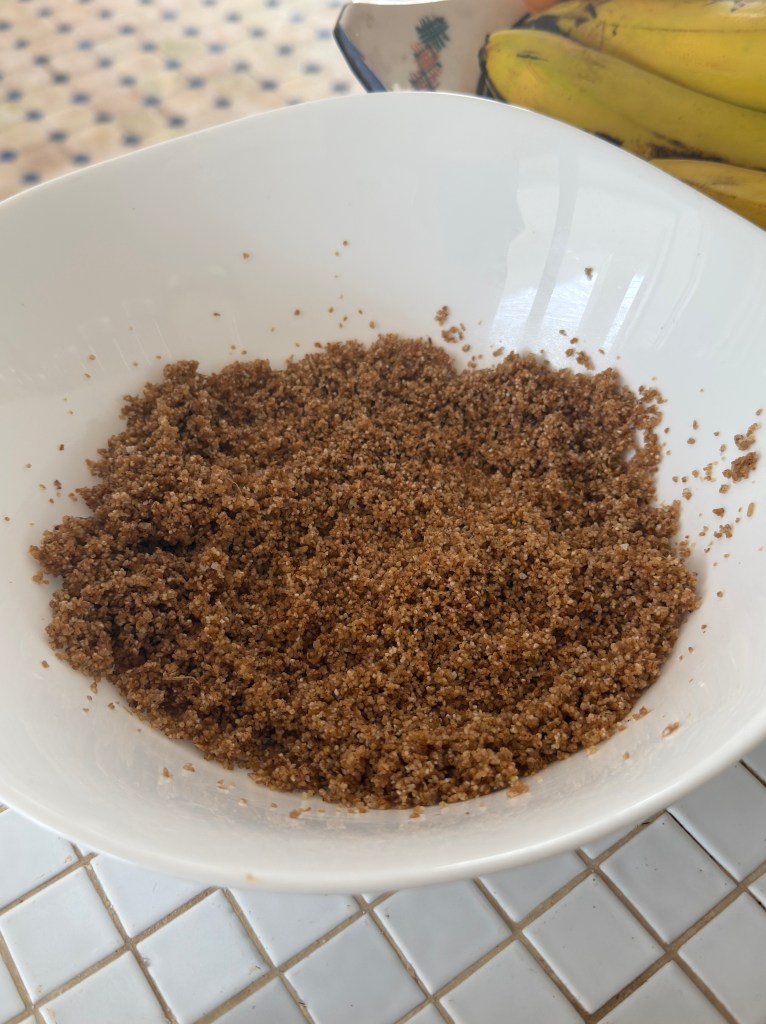
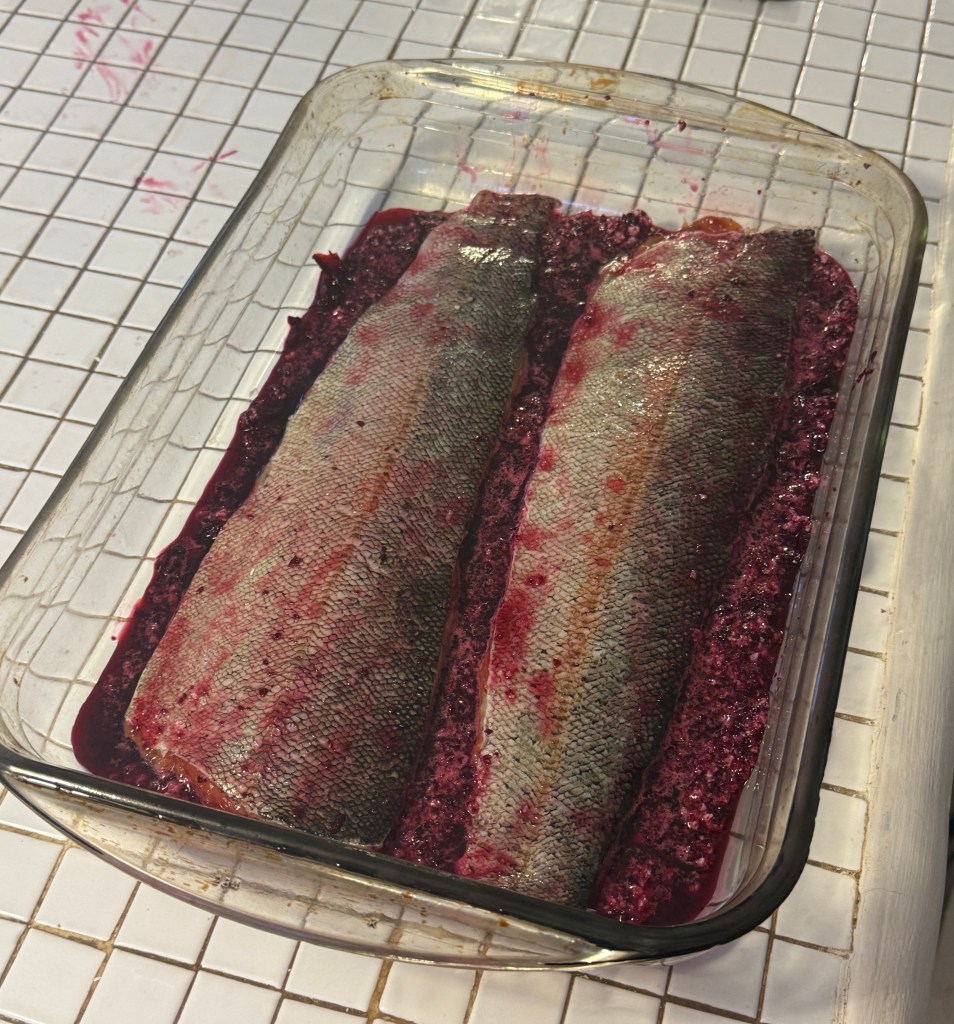
Whilst the couscous was going through its patient, time-honoured ritual, we turned our attention to another culinary experiment I’d long wanted to try: beetroot-cured trout. Earlier that day in Essaouira, we’d picked up some earthy, jewel-toned beetroots, their deep colour promising both flavour and drama. With a quick blitz in the blender, we combined the beetroot with equal measures of salt and sugar, creating a vivid, fragrant cure. We nestled the trout fillets flesh-side down in this mixture, ensuring every surface was in contact with the cure, and left them to work their magic overnight. By the following day, after a gentle rinse to remove the excess salt, we’d have slices of beautifully cured trout, vibrant in colour and delicately seasoned. There’s a special satisfaction in weaving new ideas into a tapestry of tradition, and this little project felt like the perfect companion to our day of slow, soulful cooking.

At last, it was time to sit down and savour the fruits of our labour. Glancing at the timestamps on my photos, I realised we had started at 17:57 and finished at 22:20, a full 4 hours and 23 minutes devoted to creating what was, without a doubt, the tastiest couscous I have ever eaten. The subtle lessons learned along the way were priceless: no shortcuts, no quick-cook grains, just patience, gentle hands, and respect for tradition. The result was light, fluffy, and full of flavour, healthy, satisfying, and a fitting finale to another long day of Moroccan adventure. There’s a special kind of joy in sharing a meal that has been crafted with care, and this couscous was a true celebration of time well spent.

Shukran bzaaf ʿla had nhar zwin, Allah yʿtik sseha ya Chef Amanda!

…………………………….Until next time………………….. L8ers……………………………..