Cooking With The Amazing Valentina Harris At Richard Bertinets’ Cookery School

We had just returned home from an unforgettable family adventure in Tunisia, joined by our son and his childhood best friend. Throughout our stay, Tunisian hospitality enveloped us, and we delighted in extraordinary local cuisine while soaking up the golden North African sunlight. During the trip, I broke from our routine for a day and spent treasured hours with a local family, wandering through vibrant markets and discovering the art of preparing traditional dishes – the experience offered a genuine glimpse into everyday Tunisian life. Free from work distractions after removing all notifications from my phone, I fully savoured these moments with loved ones.

Back at home, an intriguing email awaited in my personal inbox, gently signalling my return from the warmth and vibrancy of Tunisia to familiar surroundings.

On Tuesday, September 16, 2025, 1:17 pm, The Bertinet Kitchen <bertinet@bertinet.com> wrote:

Hello 

We do hope you are well.

We have places available on the following fantastic class and we wondered if you would like to join us:- 

Regional Italian Cooking – A Day in Sicily with Valentina Harris Saturday 20th September 10am 

Here are some details about the course:-

Throughout this course, Valentina will share her extensive knowledge and passion for Italian cooking, guiding you through a variety of authentic recipes that showcase the unique flavours and ingredients from the largest Mediterranean island of Sicily.

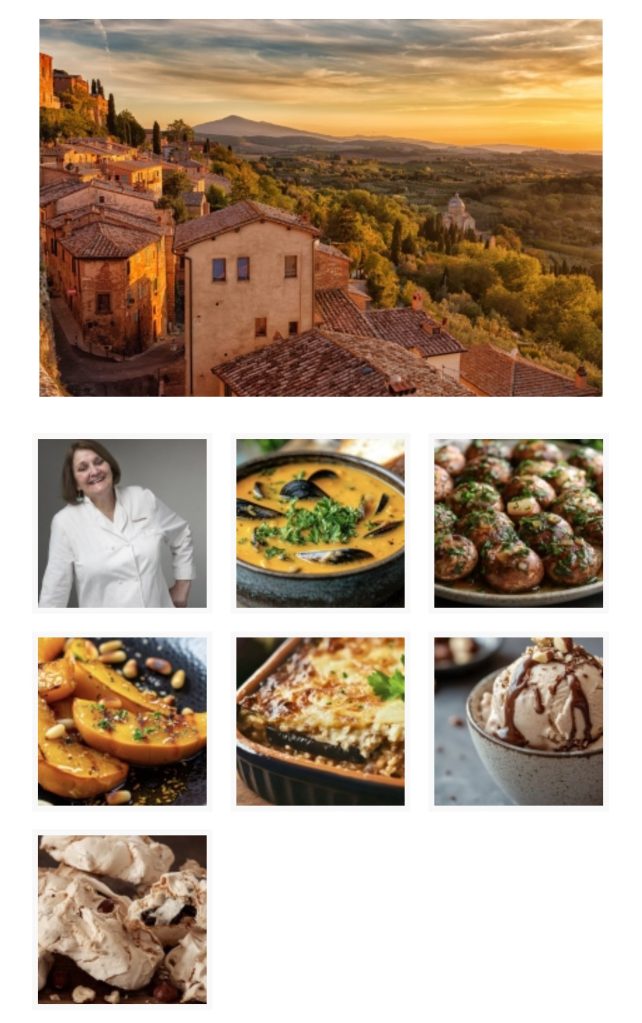
You can expect to delight in dishes along with Valentina’s impressive knowledge and anecdotes in this hands on cooking class with the best of Italian produce to the fore.  The menu is based around a traditional Italian feast with antipasto, primi, secondi, contorno and dolce, with dishes including zuppetta di cozze (little mussel soup), zucca in agrodolce alla Siciliana (sweet and sour Sicilian pumpkin), scaloppine al marsala and a gelato alla nocciola with hazelnut meringues.

This course promises to enhance your culinary skills and inspire your love for Italian cuisine. You will emerge armed with knowledge, recipes, skill, and plenty of tips for cooking an array of delectable Italian dishes.

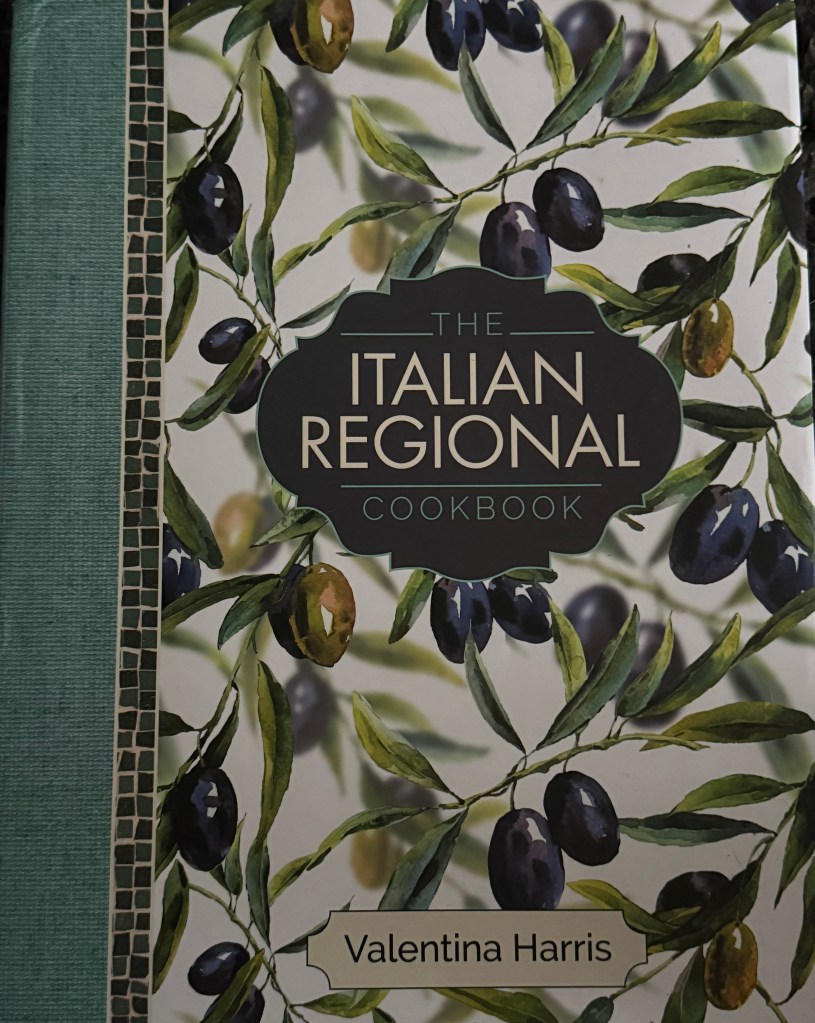
Valentina is our regular Italian tutor and has taught at the Kitchen for many years. She is a noted and much loved authority on Italian cooking and author of over 60 books on Italian cookery including Pasta Galore and Italian Regional Cooking, a culinary tour of Italy.  She appears regularly on TV, including her own series Italian Regional Cookery.
What a stroke of luck – the email arrived on Tuesday afternoon, and the cookery class was set for that Saturday at Richard Bertinet’s renowned school in Bath. Over time, courses at The Bertinet Kitchen have provided me with opportunities to learn from a diverse line-up of acclaimed chefs, each bringing their own unique approach and expertise.

My connection with Richard was further deepened at Kitchen on the Edge of the World in Norway in 2023, where he was among the many talented professionals leading workshops and inspiring fellow participants. Experiences like these – whether in Bath or on distant shores – have broadened my appreciation for food, learning, and the sense of community that comes from sharing it all together.
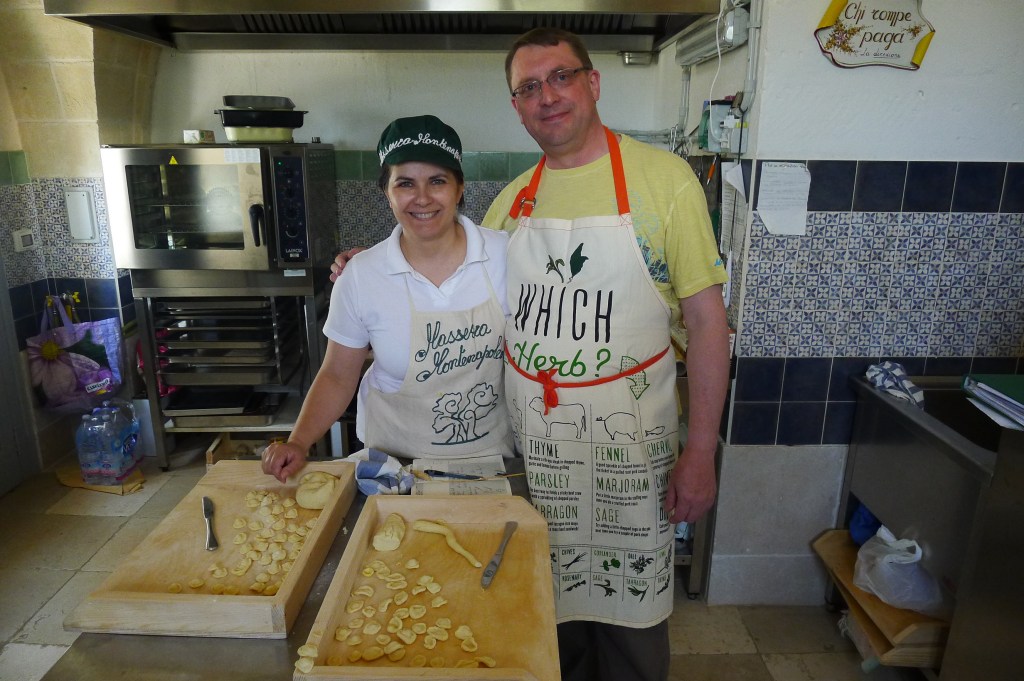
Italian food has always held a special place in my heart – especially the soulful, regional dishes that define each area beyond just pizza, unless I’m lucky enough to be dining in Italy itself, in Naples, the Pizza’s traditional home. My first true overseas cooking adventure took me to captivating Puglia in 2013, where I stayed for a week, at the enchanting organic farm Masseria Montenapoleone.

There, days unfolded amidst the beauty of the olive groves and historic stone walls, exploring the time-honoured rhythms of Italian family life. I rolled my own pasta under the guidance of my passionate host, visited local artisans crafting mozzarella, burrata, and ricotta using centuries-old techniques, and witnessed the pride that goes into every bottle of olive oil.

Each meal we prepared or ate – whether in the kitchen, at a sun-dappled table, or during lively market outings – became an invitation to share in traditions that are equal parts hospitality, flavour, and joy. The experience not only deepened my appreciation for Puglian cuisine but also left me with memories as rich and enduring as the land itself.

Sicilian cuisine was not familiar to me, so the opportunity to spend time with an expert was not to be missed, I quickly responded with a ‘yes please’.
Stepping through the doors of The Bertinet Kitchen for my eleventh visit, I felt the familiar excitement settle in. Upstairs, the inviting shop brimmed with beautiful kitchen tools. books and artisan treats, while downstairs the school buzzed with energy, ready for a new day of learning.

Jen, the ever-enthusiastic head of the kitchen team, had orchestrated every detail with ease, and Valentina was there to greet us with her signature warmth and expertise. The kitchen itself – bright, fully equipped, and set for discovery – welcomed each guest with an array of refreshments, including Richard’s legendary homemade bread and preserves, a testament to the school’s love of real food and hospitality.

As I introduced myself to the group I’d be spending the day with, there was a sense of camaraderie from the outset, everyone united by a shared anticipation for learning, laughter, and unforgettable flavours. Each visit somehow feels even more special than the last
Valentina Harris welcomed us with her trademark warmth and a storyteller’s flair – qualities honed over decades as one of Britain’s true ambassadors for authentic Italian cuisine. With roots tracing back to the Sforza dynasty of Milan and a childhood steeped in the flavours and rituals of her Anglo-Italian family,

Valentina truly embodies the living spirit of Italy at the table. Her deep respect for tradition is matched by extraordinary expertise, evident in her authorship of more than 50 acclaimed books covering the rich tapestry of Italian cooking. As a chef, educator, and broadcaster, she has left an indelible mark on food lovers across the world.
Beyond her impressive career in food media and teaching, Valentina has played an important role in empowering women in the culinary professions. The London chapter of Les Dames d’Escoffier – an international philanthropic organization dedicated to supporting women in food, beverage, and hospitality – was launched by Dame Sue Carter with essential contributions from Valentina and Marianne Fitzpatrick (Lumb) in 2010. Through her work with the chapter, Valentina continues to foster professional growth and camaraderie, mentoring culinary talent and celebrating the achievements of women in the industry.

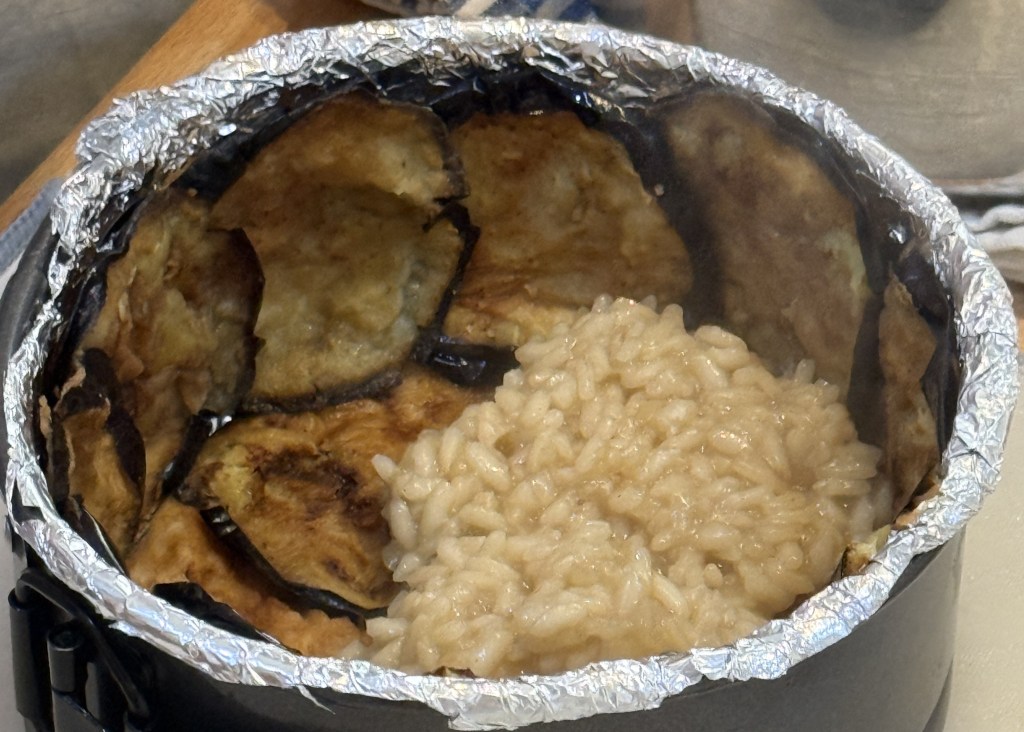
During our Sicilian cookery day, Valentina’s guidance transformed a hands-on class into a memorable exploration of regional cuisine. She led us through a heartfelt menu celebrating the flavours of Sicily: Zuppetta di Cozze, a delicate little mussel soup; crisp Polpette di Funghi; fiery L’Arrabbiata; sweet-and-sour Zucca in Agrodolce; and comforting Riso e Melanzane alla Palermitana. The meal finished with cloud-like Spumette di Nocciola and silky hazelnut gelato. Each explanation brought Italian hospitality to life, turning recipes into living acts of memory, generosity, and shared celebration.
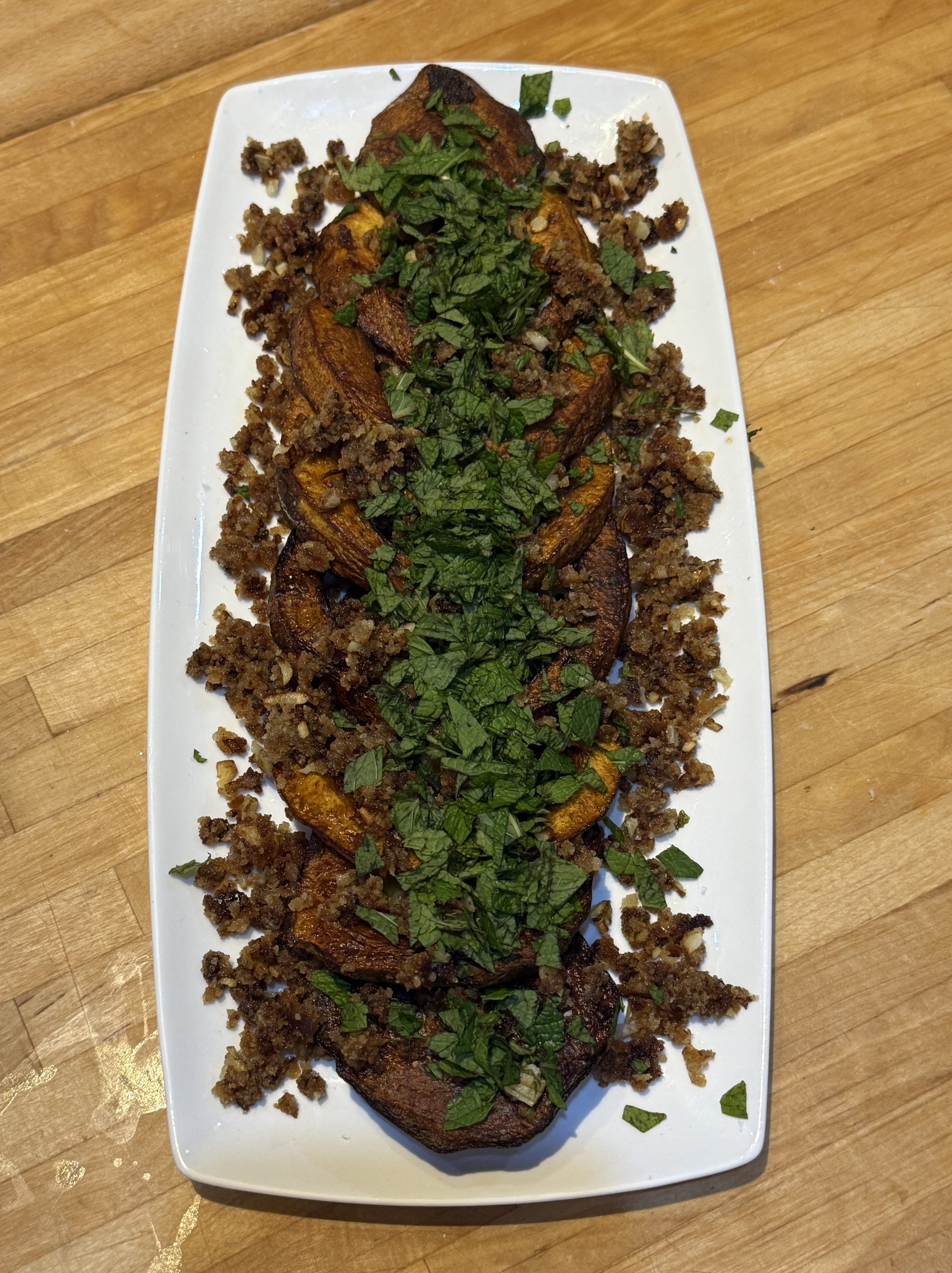
A day spent at The Bertinet Kitchen is always a joy, but this occasion was exceptional in both flavour and fellowship. Valentina Harris brought every recipe to life, weaving together stories from her rich culinary heritage with practical lessons and approachable expertise. The array of Sicilian dishes we prepared showcased the inventive contrasts and traditions of the region – nowhere more striking than the pairing of fiery L’Arrabbiata with the sweet-and-sour Zucca in Agrodolce.

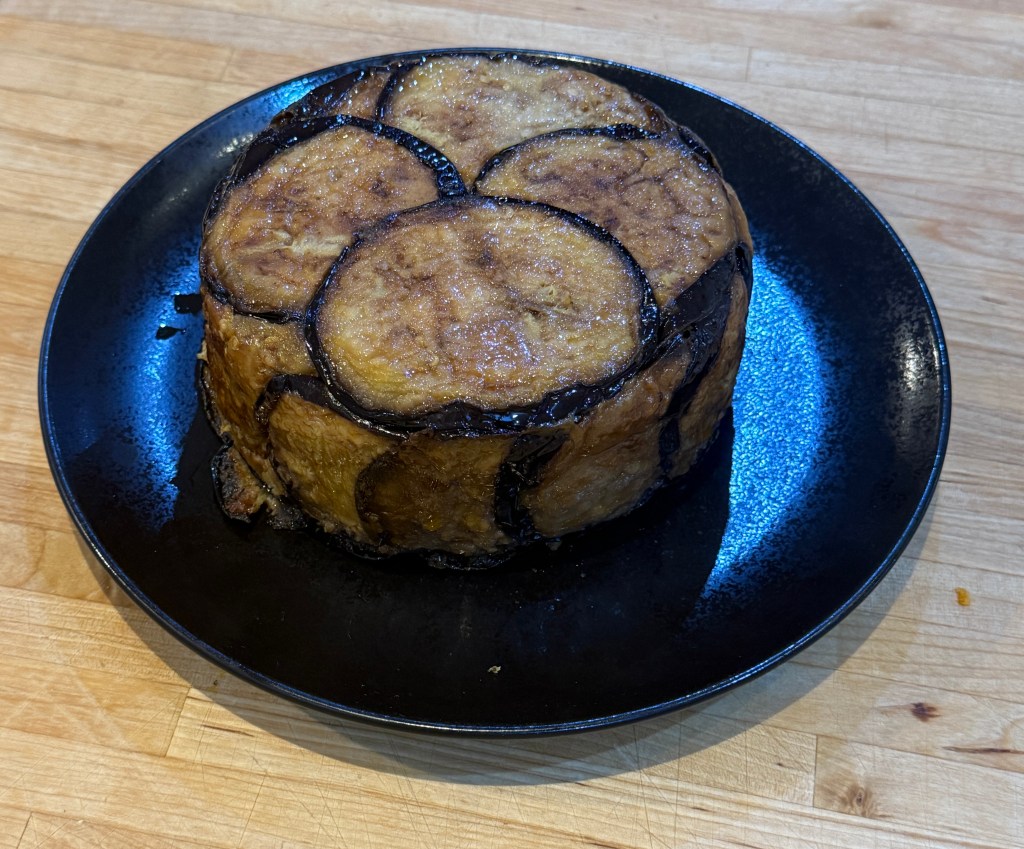
The Riso e Melanzane alla Palermitana was a genuine highlight – a harmonious layering of silky aubergine, tender rice, vibrant tomato sauce and melting cheese. Each bite offered a blend of savoury depth, subtle sweetness, and creamy richness, the ingredients melding together to create a dish that was both comforting and bursting with flavour. Its appeal lay in the balance of texture and taste: the smoky aubergine and bright tomato perfectly complemented by the indulgent cheese and fragrant rice – a celebration of Sicilian home cooking at its most delicious.
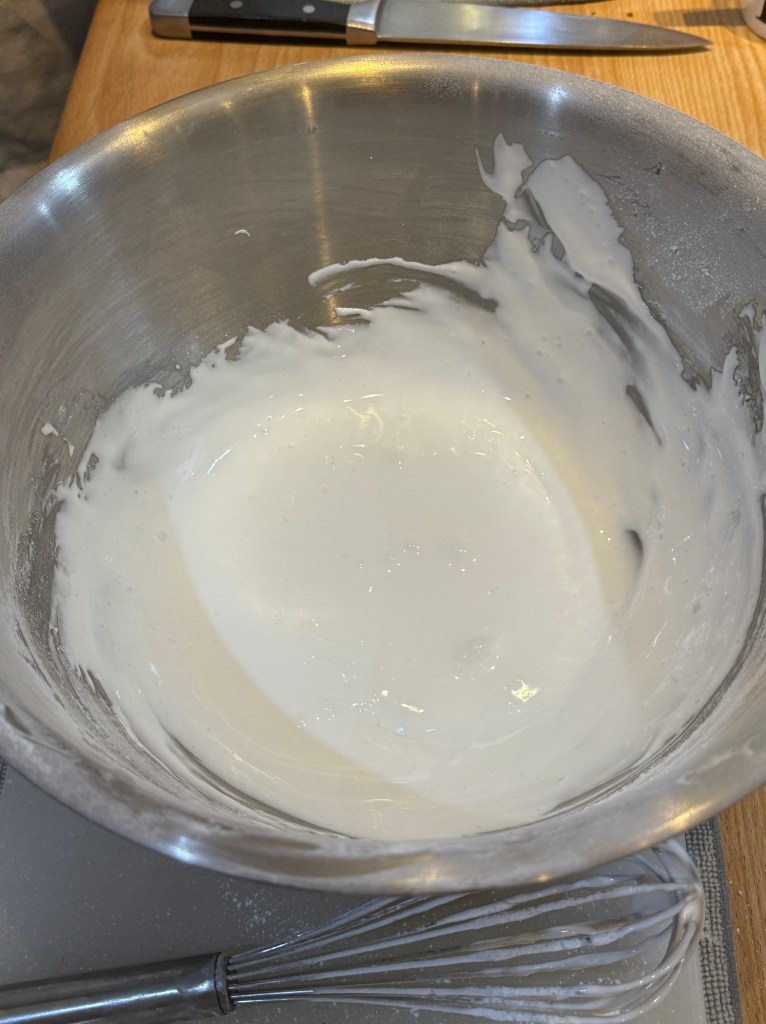
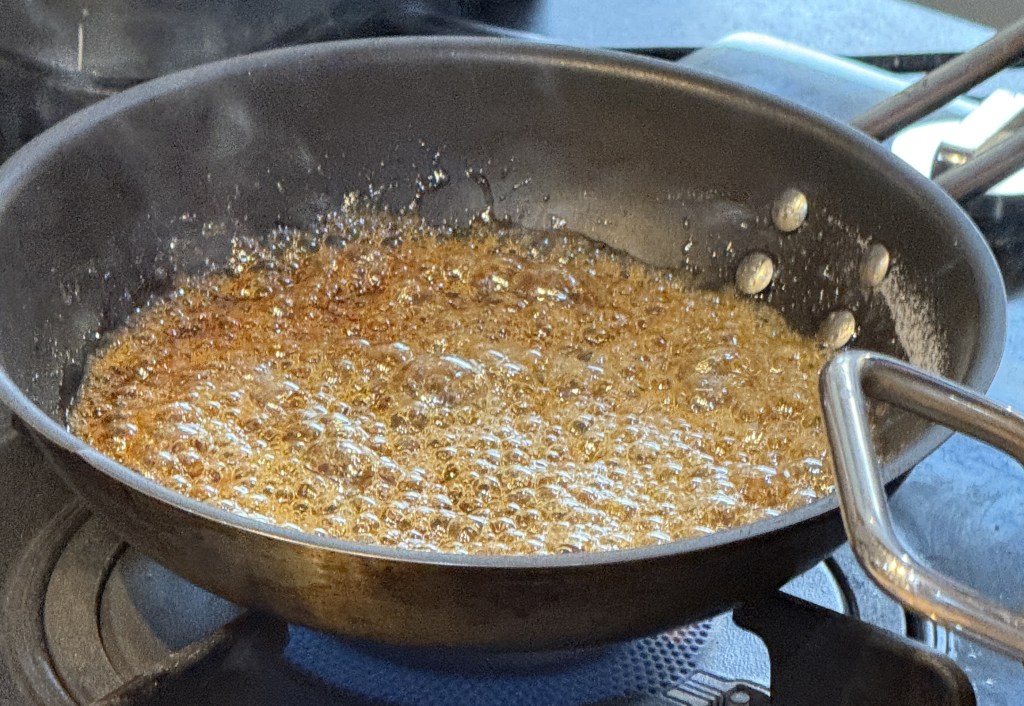
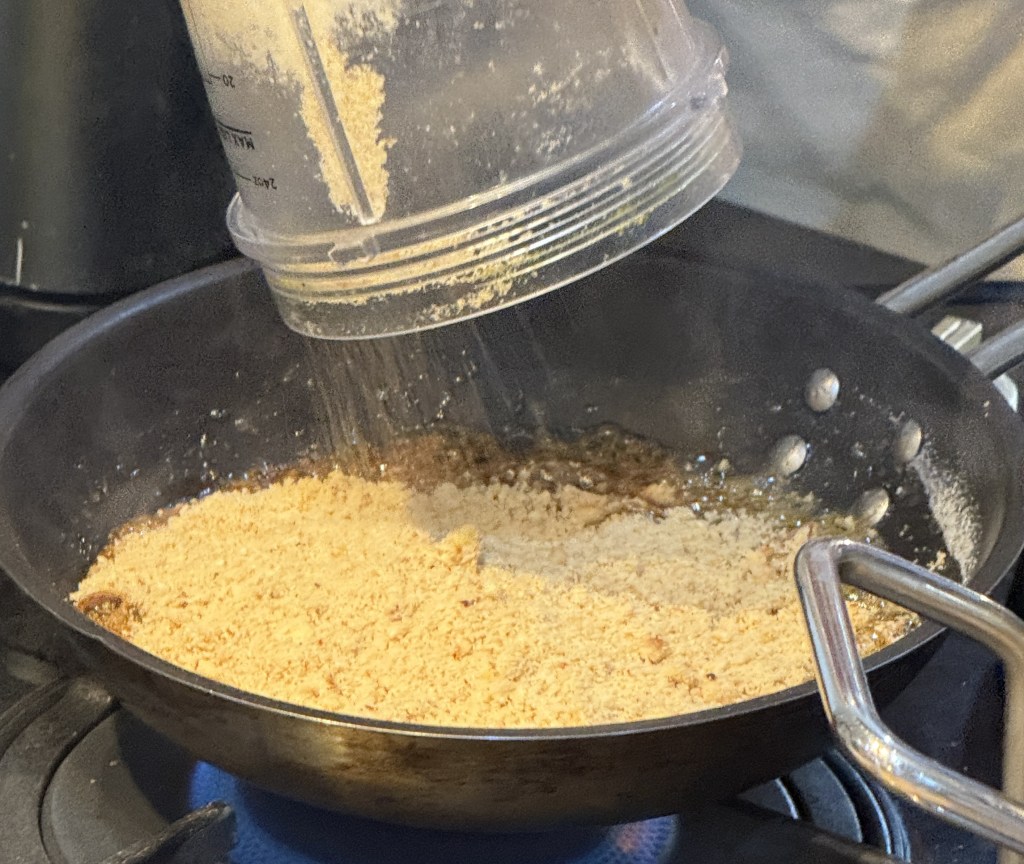
After those vibrant, savoury courses, dessert was an event in itself: Valentina led us through crafting spumette di nocciola – light hazelnut meringues – and a silky hazelnut gelato made by toasting hazelnuts, making a praline with caramel and the nuts, cooling, and then blitzing before adding to a velvety crème anglaise base. The roasty sweetness of the gelato, paired with the delicate meringues, closed the meal with pure Sicilian spirit and unmistakable finesse.

The entire experience was a reminder of the thoughtful environment Richard Bertinet and his team foster at the school: a place where learning is hands-on, the ingredients shine, and every dish becomes a celebration of skill and community. Sharing the table over such memorable fare, with laughter and conversation flowing (and plenty of matching wine), gave the day lasting resonance.

As I look ahead to next month’s adventure at Rick Stein’s Cookery School in Padstow, the lessons and inspiration gathered from this brilliant Sicilian feast at Bertinet’s will travel with me – reinforcing just how rewarding it is to cook, taste, and learn in great company.

………………………………….Until next time L8ers………………………………..
From Farm to Table and Gallery to Gift—A Moroccan Day of Indulgence and Inspiration (Day 5)

I awoke and blinked into the golden Moroccan light, hardly believing it was already Wednesday, the last full day in Essaouira. Since stepping off the plane the previous Saturday, the world I’d left behind had melted away: work, customers, endless problem-solving, even the distant rumblings of the world economy, all had faded into irrelevance. This journey had done its magic, untangling the knots of daily life and filling the space with colour, flavour, and discovery.

Each sunrise brought new marvels, and I found myself immersed in the rhythms of Morocco, its vibrant markets, ancient traditions, and the intoxicating pulse of its cuisine. Guiding me through it all was Amanda: not just my personal guide and masterful chef, but a kindred spirit whose passion for Morocco’s culture and food opened doors I never knew existed. With every shared meal and story, I felt a sense of wonder grow, a reminder that travel, at its best, is a gentle awakening to beauty, friendship, and the joy of being fully present in the world.

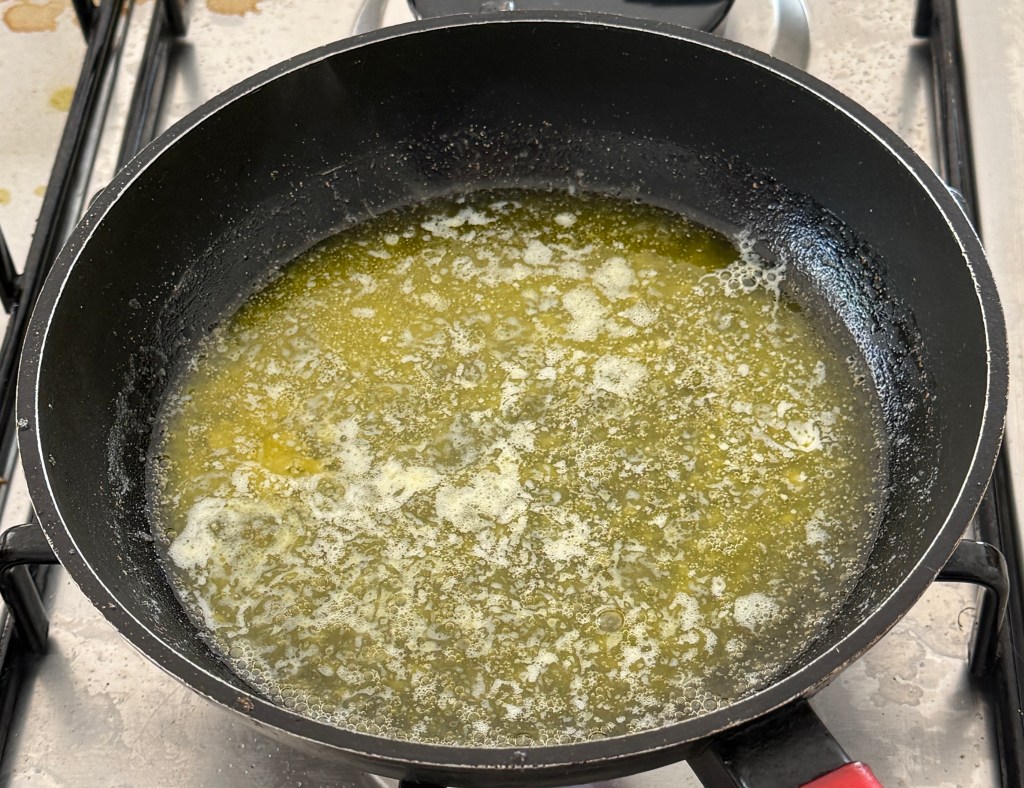
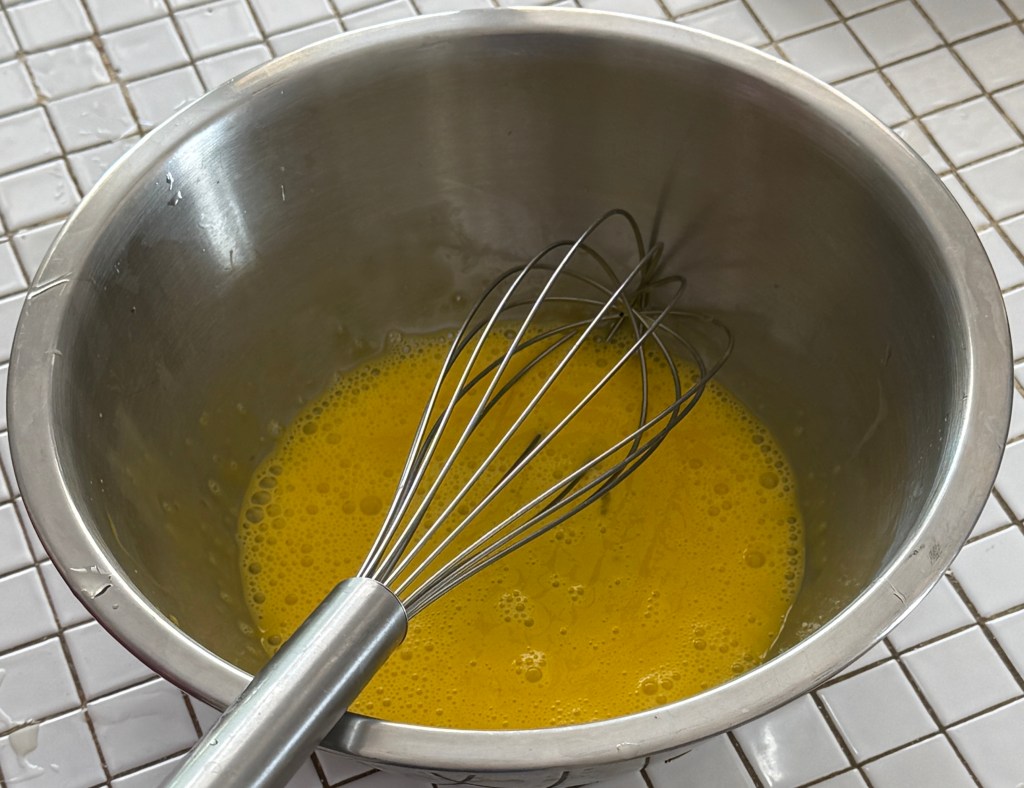
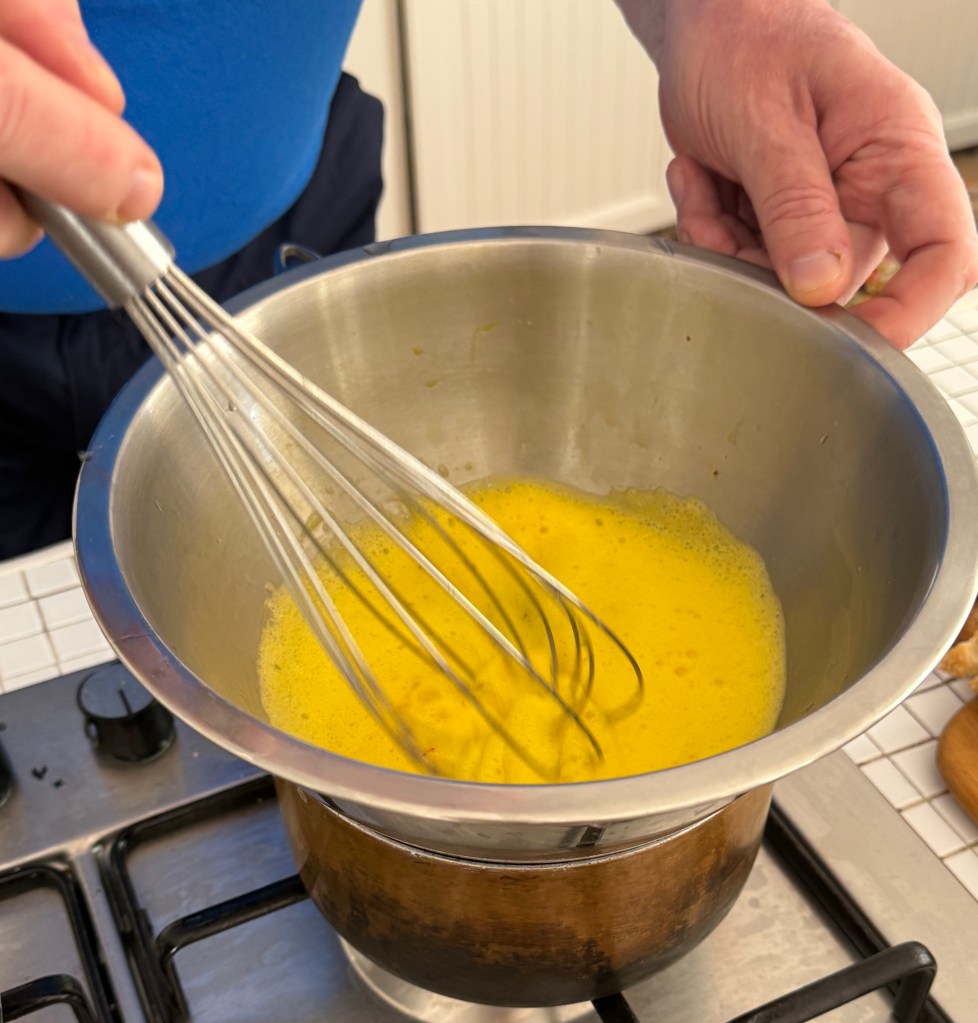
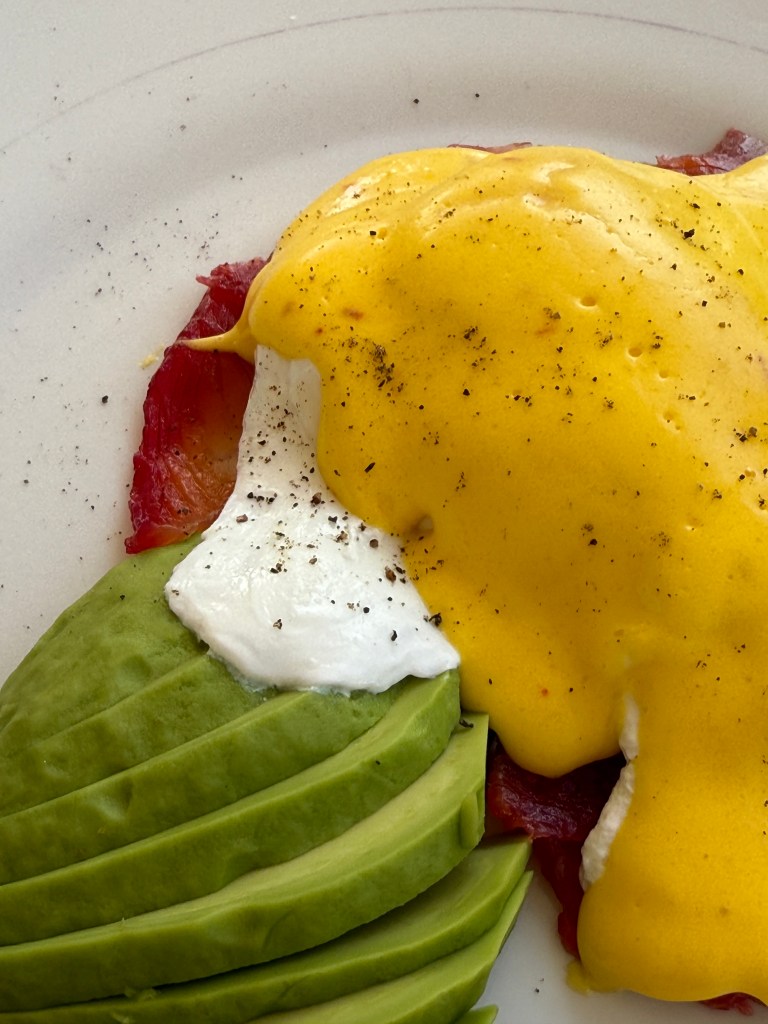
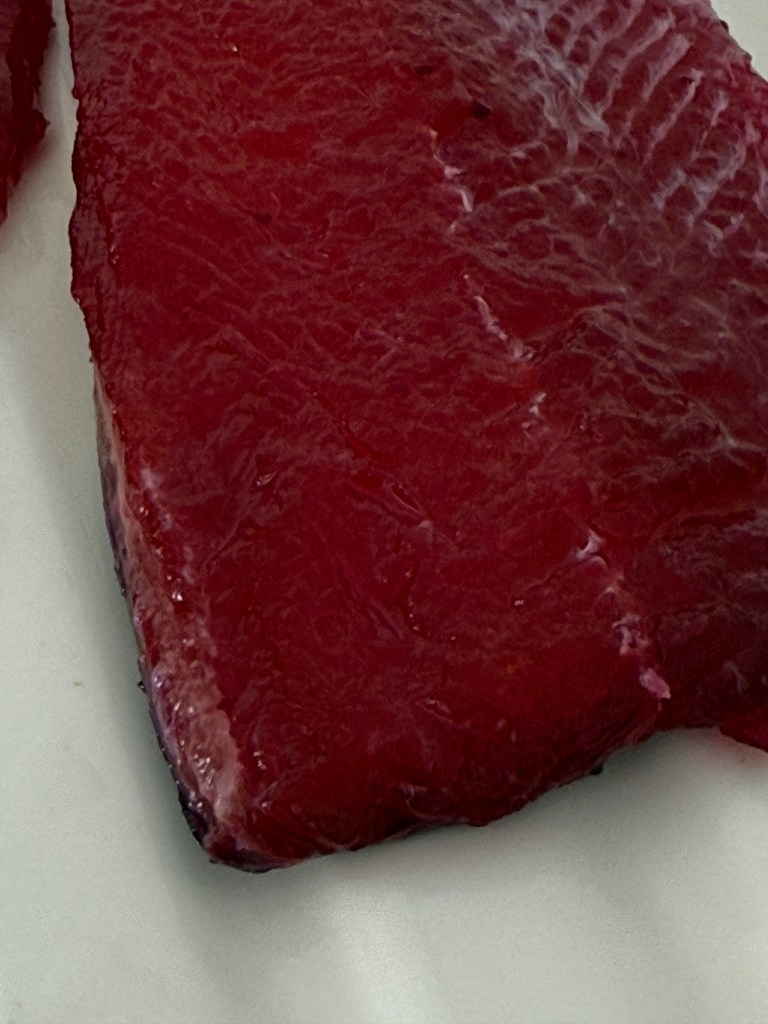
Making a rich saffron hollandaise is one of life’s true pleasures, luxurious, golden, and deeply satisfying. I’ve had the delight of whisking it to silkiness a few times before, most memorably at Rick Stein’s Cookery School in Padstow, where it crowned a beautiful ‘tronçon’ of turbot. This morning in Essaouira, the sauce would take centre stage once again. Earlier in the week, we had cured some trout in a vivid blend of beetroot, salt, and sugar, and now it was ready for its moment: breakfast as an event. Slices of the jewel-toned trout were paired with creamy avocado and a perfectly poached egg, all generously draped in that opulent saffron hollandaise and finished with a satisfying crack of fresh black pepper. Each bite was a celebration—of technique, of flavour, and of the sheer joy of starting the day with something extraordinary.

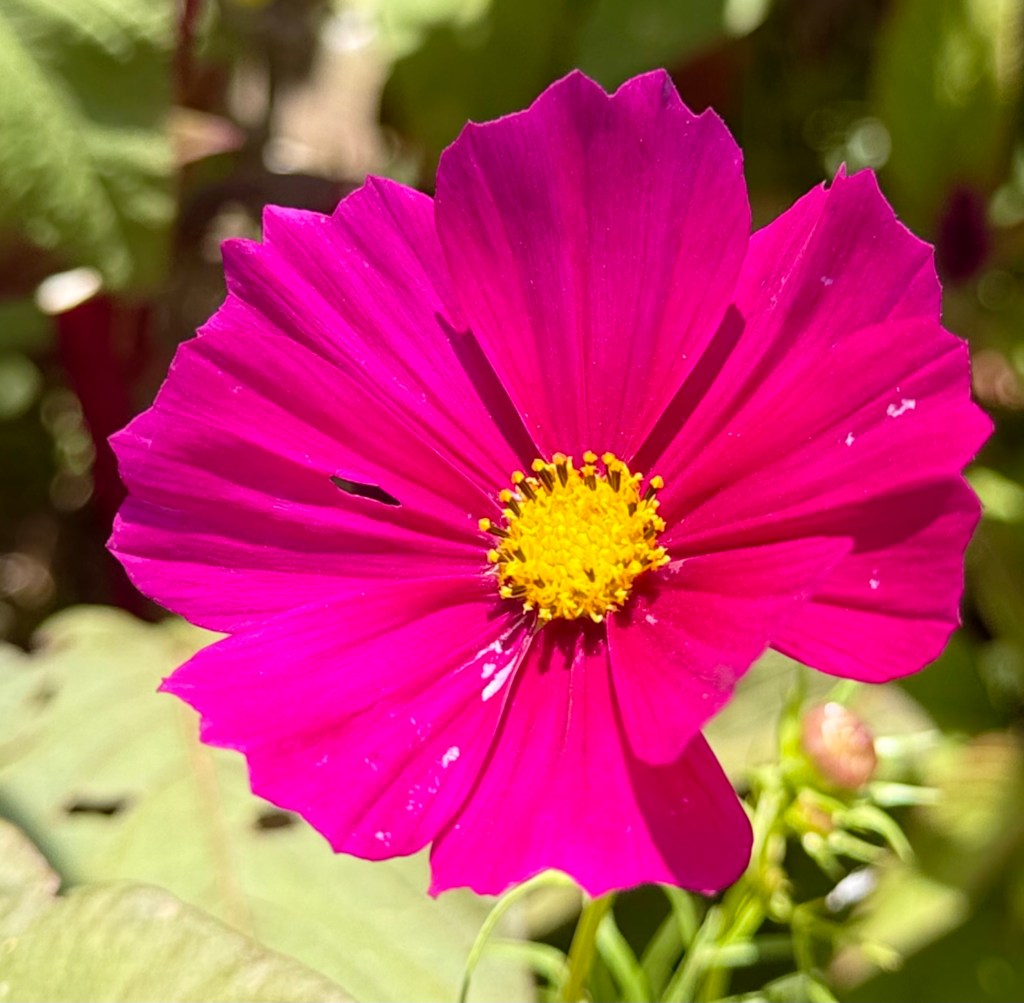
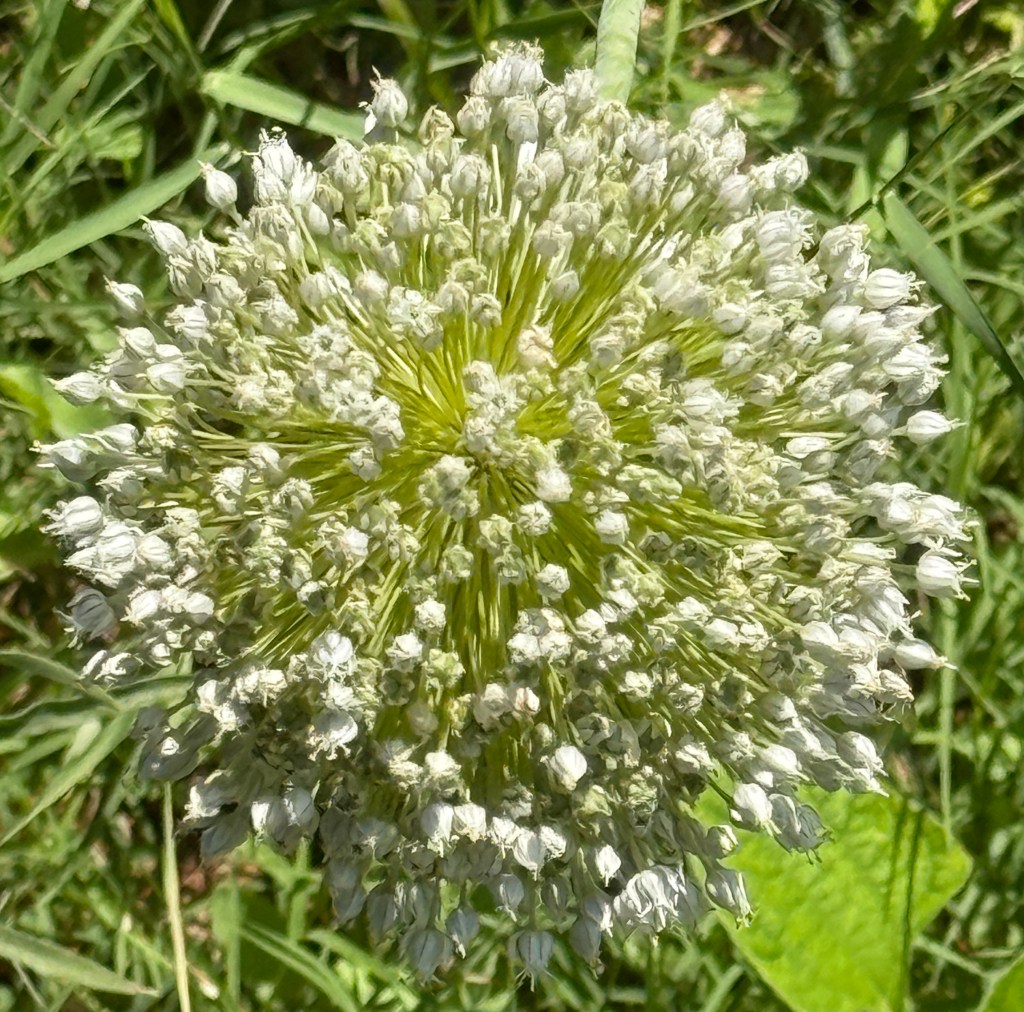
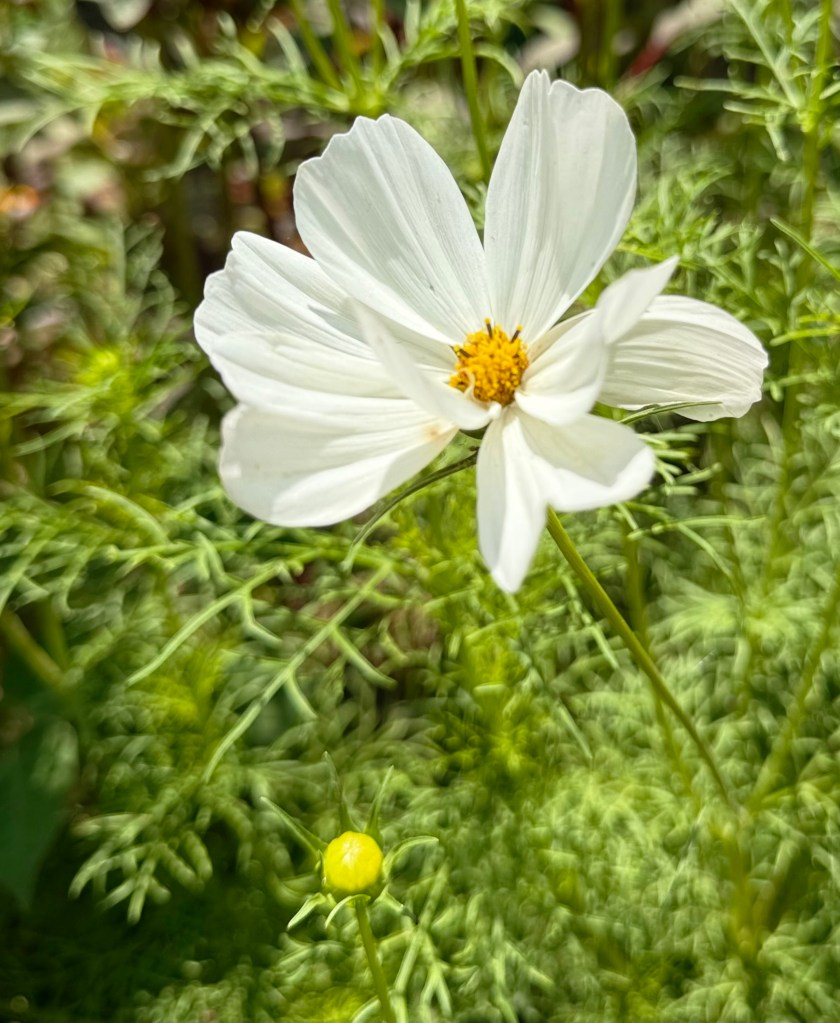
Way back in 2013, I found myself in Puglia, at Masseria Montenapoleone, an organic farm nestled in the sun-drenched heart of southern Italy. It was my very first cooking vacation and the spark that ignited countless culinary adventures to come. There, I learned the subtle art of using flowers not just for beauty, but to create a vibrant, bio-diverse environment: drawing the so-called “unwanted” plant eaters away from crops, while inviting in the pollinators and beneficial insects that keep nature in balance. Akal, here in Morocco, is very much a kindred spirit—an eco-farm that weaves flowers into every aspect of its philosophy. At Akal, the blooms aren’t just guardians of the fields; they’re also an integral part of the tasting experience, gracing the table and infusing the most imaginative, flavourful menus with colour and fragrance. Dining here is more than a meal—it’s a celebration of nature’s harmony, and a reminder of how the smallest details can transform the way we taste the world.

Our lunchtime destination was no more than 15 minutes drive, Domaine Du Val D’Argan. Domaine du Val d’Argan is a remarkable testament to vision, perseverance, and the unique character of Moroccan terroir. Founded by Charles Melia, a seasoned winemaker with deep roots in both France and Morocco, the vineyard sits just outside Essaouira, where the Atlantic winds sweep over limestone and clay soils, echoing the Rhône valley’s own mistral. What began as a retirement dream became a pioneering adventure: Melia cleared stony ground by hand, planted the first Rhône varietals, and patiently learned to coax vines to thrive on the edge of the desert, sheltering them from fierce sun and wind with natural methods and organic care.

Today, Val d’Argan is a landscape of lush vine rows bordered by sorghum and eucalyptus, where dromedaries still help tend the land and the cellar holds the promise of Morocco’s finest vintages. The wines—ranging from bright, aromatic whites to robust reds and elegant rosés—capture the sun, wind, and wild spirit of their setting. Visiting the domaine is more than a tasting; it’s an immersion in a story of resilience and passion, where every glass reflects not only the land’s bounty but also the quiet determination of its founder. This is a vineyard where French tradition and Moroccan landscape meet, yielding wines—and memories—that are truly one of a kind.

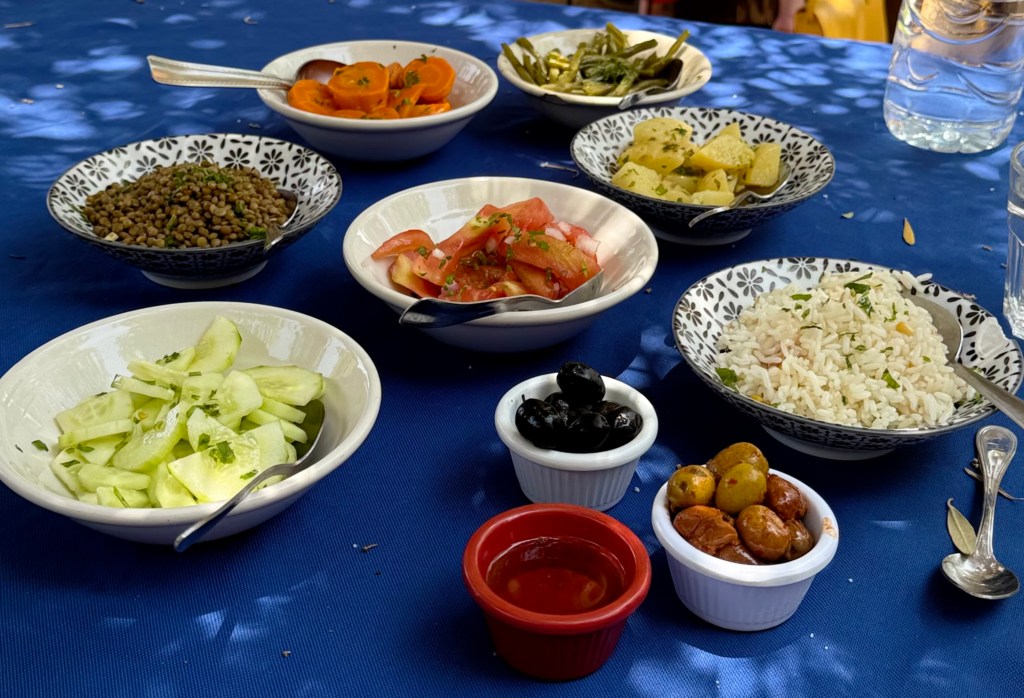
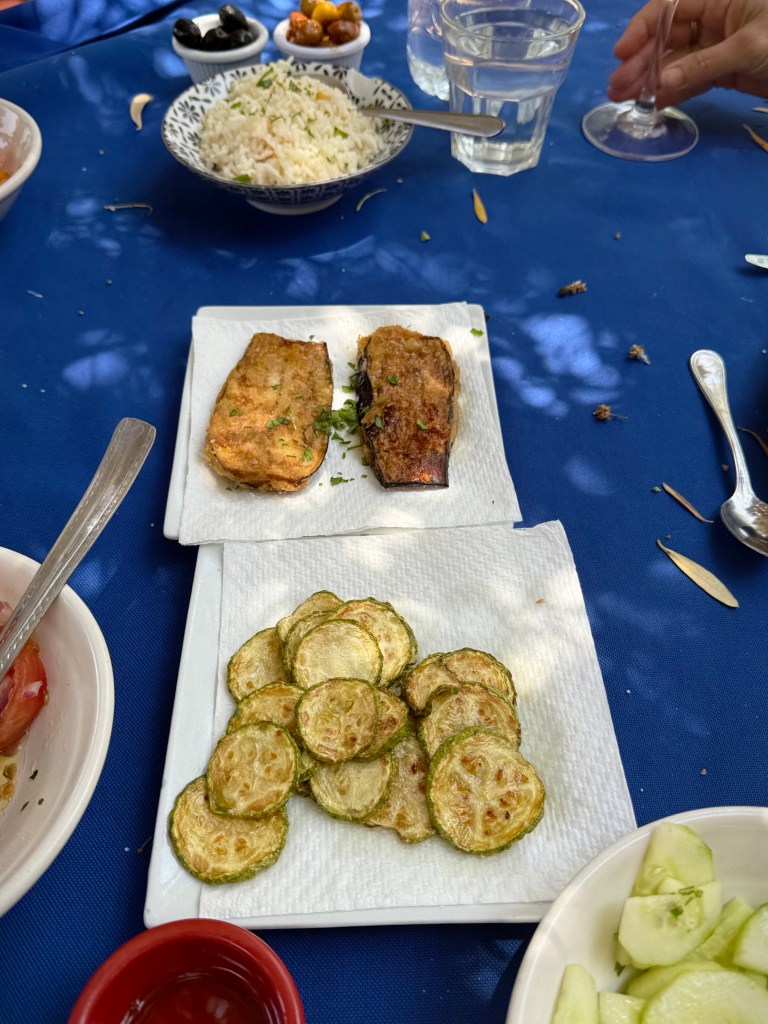
I found myself ‘in the moment’ once again, shaded beneath the branches of an ancient olive tree at Domaine du Val d’Argan. Plates of freshly prepared food appeared in a steady, generous procession, vivid salads bursting with local flavour, a fragrant tagine, and turkey roasted on kebab skewers, each dish a celebration of Moroccan abundance. Glasses of the estate’s wines flowed freely, each one a new discovery.

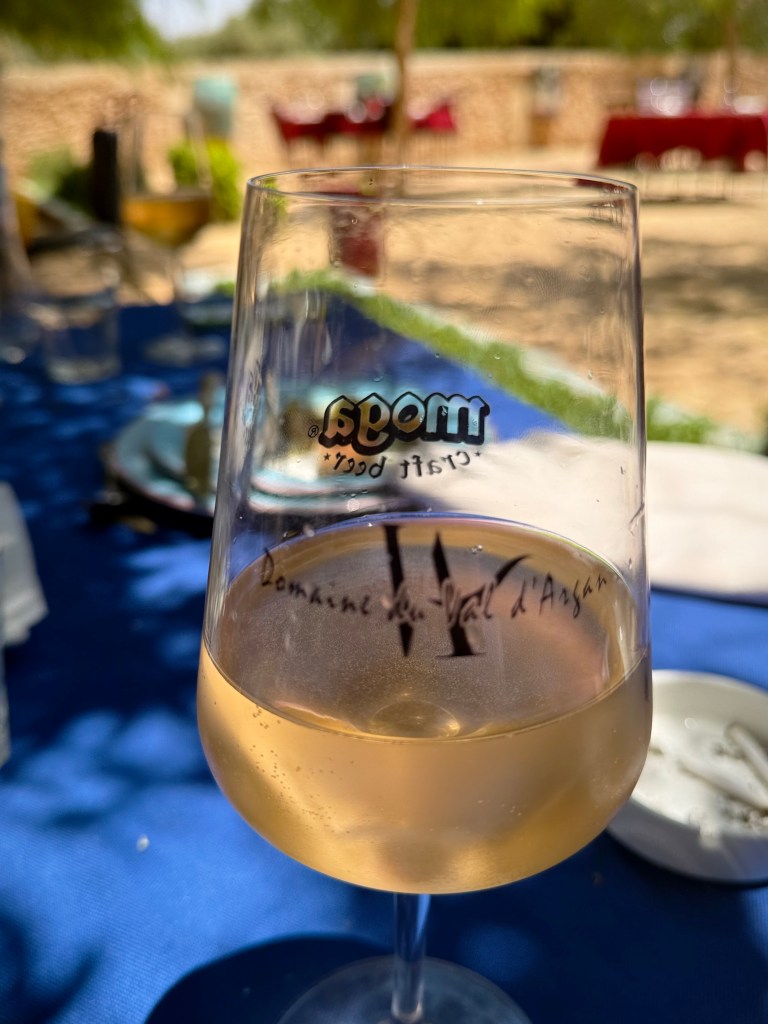
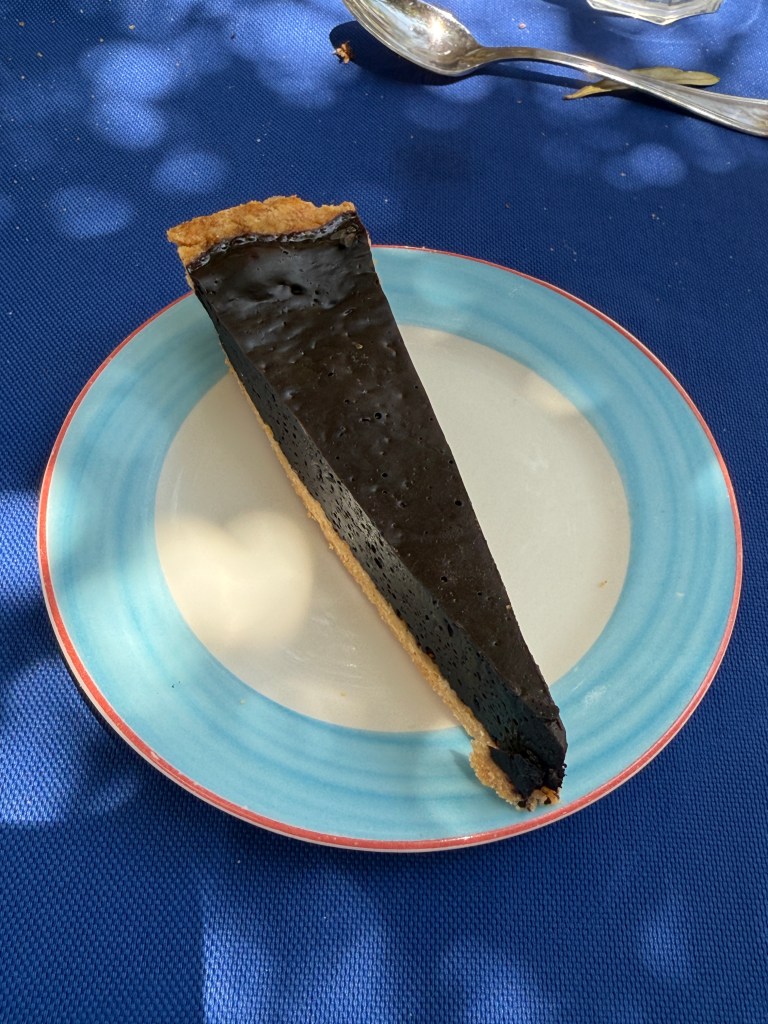
The “Gazelle de Mogador” in white, red, and rosé offered a taste of the Atlantic’s easy elegance, while the Val d’Argan range echoed the vineyard’s Rhône heritage, capturing the region’s sun and wind in every sip. Yet it was the Perle Grise that truly captured the spirit of the place for me, a wine as pale as morning light, delicately aromatic, with hints of citrus blossom and wild herbs, perfectly refreshing beneath the olive canopy. As the afternoon stretched on, a rich chocolate dessert arrived, rounding out a meal that was both relaxed and luxurious. At Domaine du Val d’Argan, the artistry of winemaking and the generosity of Moroccan hospitality come together in a setting as memorable as the wines themselves, a place where every glass tells a story, and every moment lingers long after the last sip. It was time to head back to Essaouira for some last minute exploration.

As we entered the medina, the air shimmered with the ethereal tones of a young man playing a handpan, his fingers coaxing otherworldly melodies from the spaceship-like drum that echoed off the ancient stone walls.

As the sun dips toward the Atlantic, the ancient medina of Essaouira began to pulse with an energy that is both timeless and electric, the unmistakable prelude to the Gnaoua World Music Festival. For a few magical days each year, the city’s labyrinthine alleys and windswept squares become a living stage, as hypnotic rhythms and haunting melodies spill from every doorway and rooftop. The air grows thick with the deep, trance-inducing thrum of the guembri, the metallic clatter of krakebs, and the soaring call-and-response of Gnaoua singers, their music weaving a spell that draws locals and travellers alike into its embrace.

Founded in 1998, the festival is a vibrant celebration of Gnaoua culture, descendants of West African slaves who brought with them a mystical musical tradition rooted in healing, spiritual trance, and communal memory. Over the years, the festival has blossomed into a global gathering, where Gnaoua masters share the stage with jazz virtuosos, blues legends, and musicians from every corner of the world. This fusion of sounds creates a heady, intoxicating atmosphere, where ancient African rhythms meet flamenco, reggae, rock, and Sufi chants, all under the open Moroccan sky.

The festival is more than a concert—it’s a living tapestry of history, spirituality, and artistic exchange. The music, once used in sacred rituals to heal and connect with the divine, now fills Essaouira’s medina with a sense of unity and celebration. For a few unforgettable nights, the city becomes a crossroads of cultures, a place where the boundaries between audience and performer, past and present, seem to dissolve in the intoxicating swirl of sound and spirit.

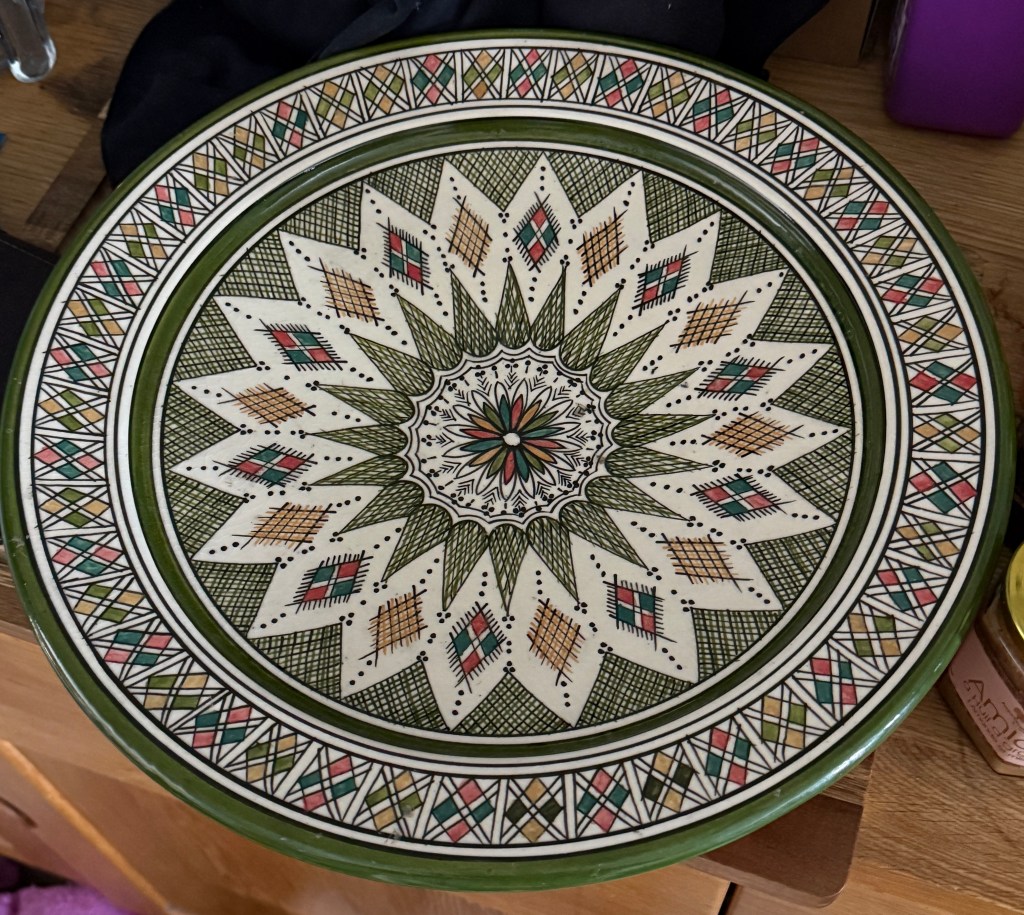
This stunning plate ( a present for my best friend and wife forever ), is a true testament to Moroccan artistry, its surface alive with intricate geometry and vibrant colour. Crafted in the traditional style of Fez, the design radiates from a central starburst, each petal meticulously hand-painted in shades of emerald green, saffron yellow, and soft rose. Delicate crosshatching and fine black lines create a mesmerizing lattice, while the outer border is woven with interlocking patterns that speak of centuries-old craftsmanship. The plate’s symmetry and precision are captivating, drawing the eye inward and inviting contemplation of the skill and patience required to create such a piece. More than just a vessel, it is a celebration of heritage, a beautiful reminder of Morocco’s rich ceramic traditions and the enduring allure of handmade work.

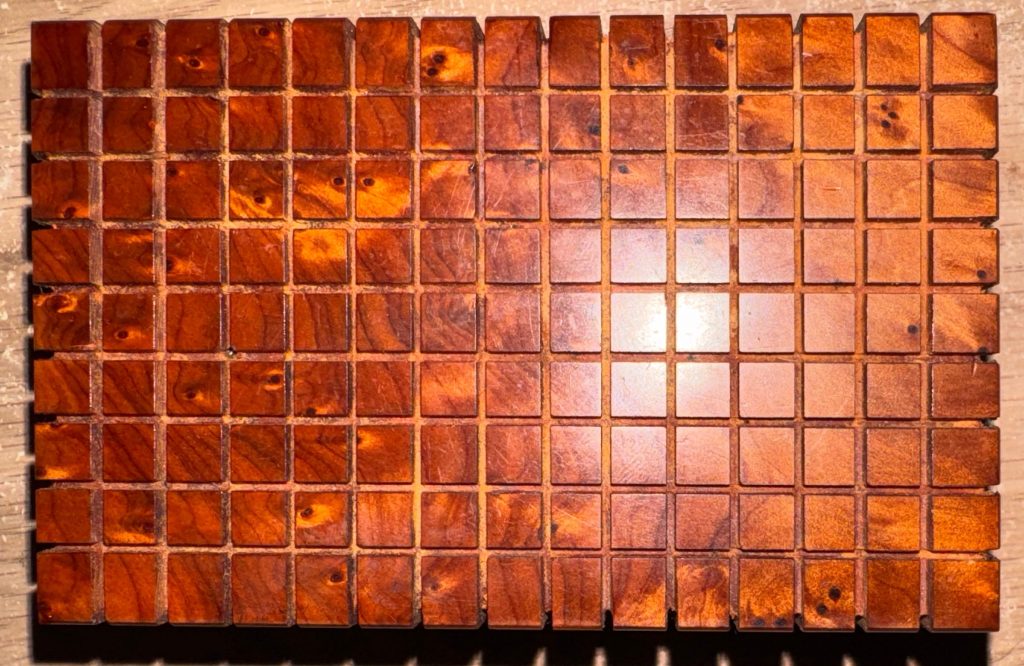
In the heart of Essaouira’s medina, you’ll often come across what locals call the “magic box”, a beautifully crafted container made from the region’s prized thuya wood. Native to Morocco’s coastal forests and especially abundant around Essaouira, ‘thuya’ wood is renowned for its rich, swirling grain, warm hue, and natural, cedar-like fragrance

Artisans here have honed their craft for generations, turning thuya burl into intricate puzzle boxes, lidded spheres, and inlaid treasures, each one polished to a satiny sheen and finished with lemon oil to enhance its natural luster. These boxes are more than just souvenirs; they’re a testament to Essaouira’s heritage of marquetry and woodworking, a tradition dating back to the 19th century when sultans commissioned decorative objects and furniture from the city’s master craftsmen.

Whether used to store spices, trinkets, or secrets, a thuya wood “magic box” from Essaouira is a piece of living history, fragrant, tactile, and always a little mysterious, as if it holds a story all its own. Our son loves his…

………………………………..Until Next Time………………………….L8ers

From Golden Maakouda to Ocean’s Bounty, and Couscous Steeped in Time: Savouring the Soul of Essaouira – (Day 3)

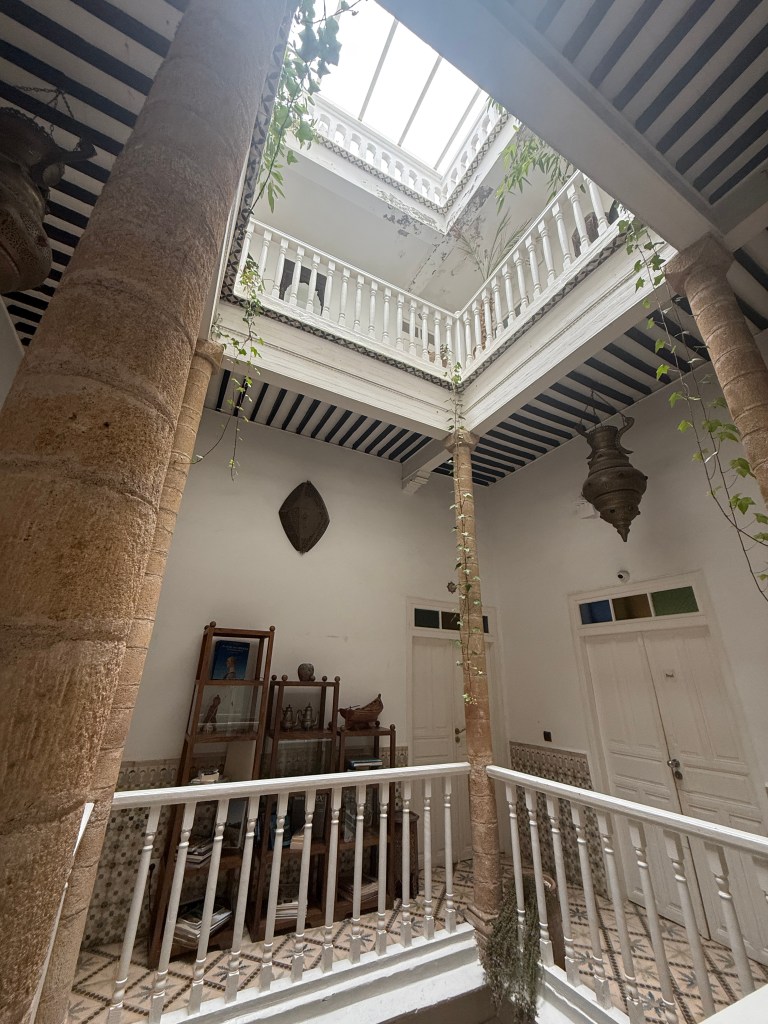
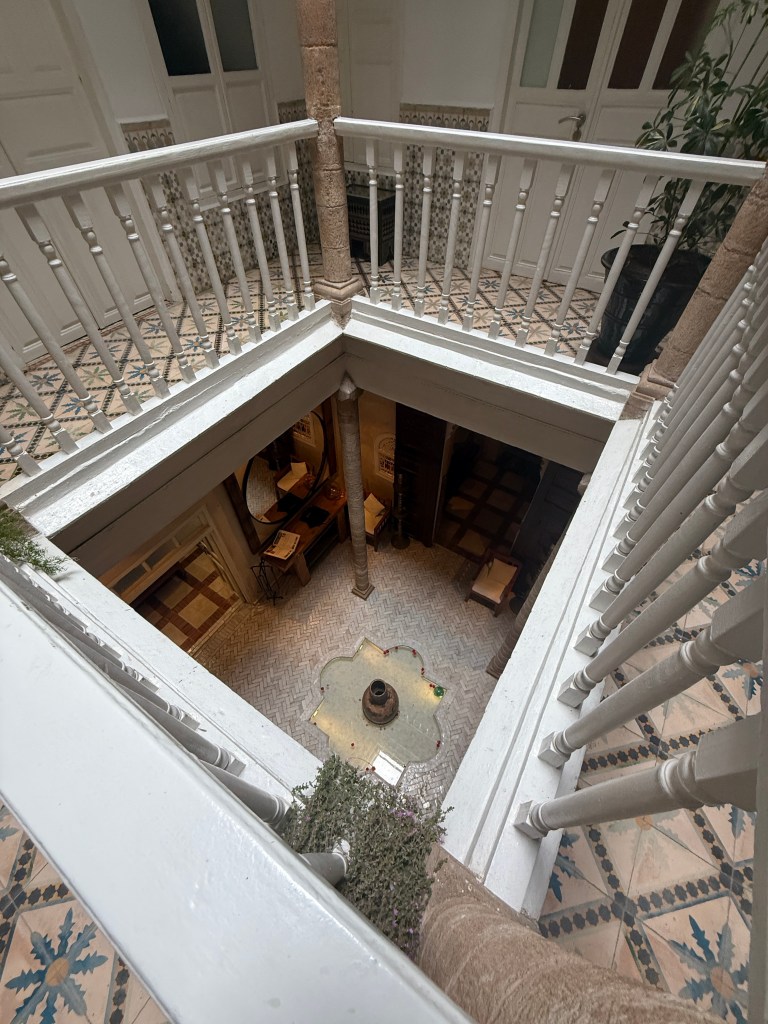
I’d arrived in Essaouira the afternoon before, the Atlantic breeze ushering me through the medina’s winding lanes. My carossa – the quiet, determined man with his battered two-wheeled cart struggled to find Riad Malaika, its entrance hidden deep within a shadowed alley where not even the afternoon sun could reach. After a few wrong turns, some good-natured directions from locals, and a laugh at our shared confusion, we finally found the heavy wooden door. The riad welcomed me with its cool, tranquil courtyard, a secret oasis in the heart of the city.

Later, as dusk settled over Essaouira, I found myself alone at Butterfly Space. The hum of conversation and the clatter of cutlery were a gentle backdrop to my solitary meal, a plate of something vibrant and local, each bite a quiet celebration of arrival. The flavours lingered, weaving themselves into my first memories of the city.

That night, the riad wrapped me in its calm, the world outside fading into silence behind ancient walls.

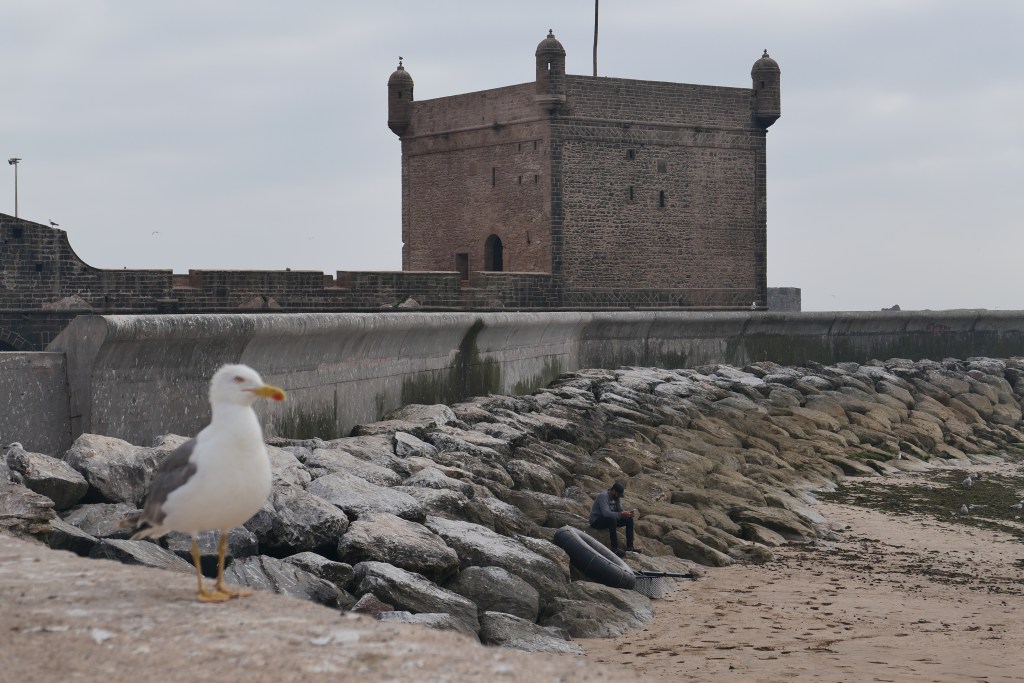
At first light, the stillness was broken by a wild chorus of seagulls wheeling above the rooftops, their cries echoing through the medina and tugging me from sleep. Essaouira was waking, and so was I, drawn from dreams by the restless energy of the Atlantic and the city’s salt air. It was Monday, I think, though Morocco has a way of making days blur together. A new day had begun, one filled with promise, the memory of a solitary feast, and the wild, joyful chorus of seagulls overhead.

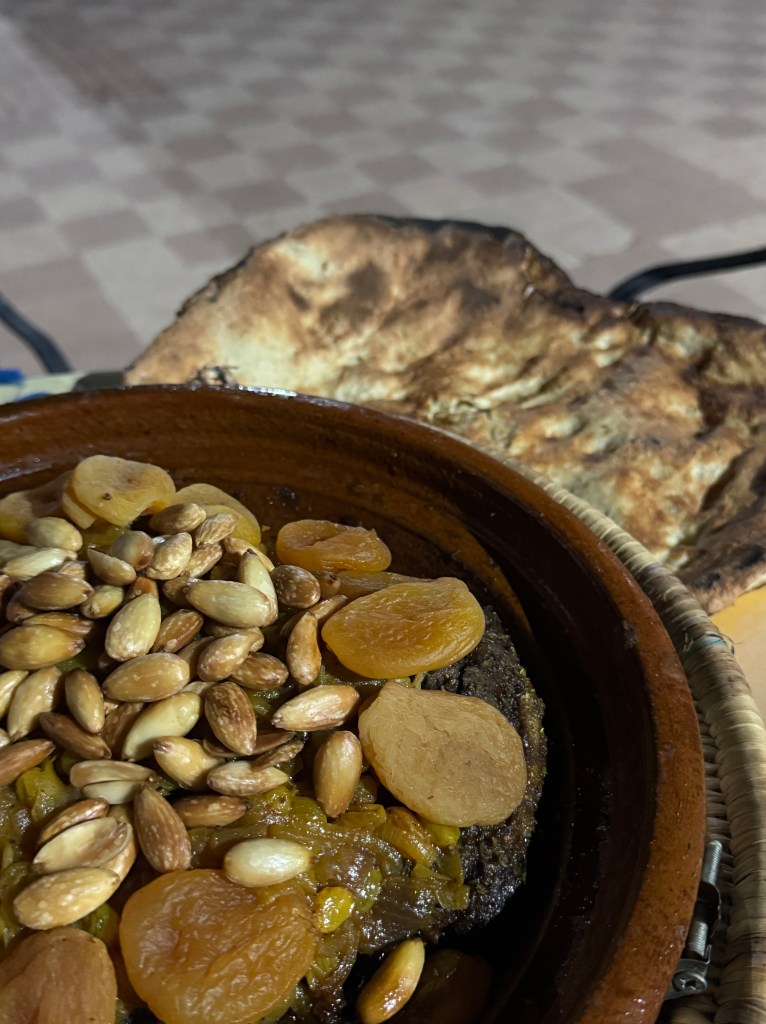
Breakfast was a delight, a celebration of Moroccan hospitality, almost too generous for the modest table. Jewel-like dried fruits and nuts waited beneath a glass-topped container, inviting discovery with every lift of the lid.

There was fresh bread, still warm and fragrant, perfect for scooping up the star of the morning: Amlou, that magical blend of roasted almonds, golden argan oil, and honey, rich and nutty, its flavour lingering long after each bite.

A single slice of crispy French toast, likely cut from a baguette, added a subtle sweetness and crunch, a golden accent among the morning’s offerings.

A variant of traditional Harcha, the rustic semolina cake, brought a tender, savoury note, its edges just crisp enough to satisfy. A glass of fresh fruit juice, vibrant and cool, stood alongside a beautifully prepared fruit salad, each piece glistening as if kissed by the morning sun.

Black tea, deep and fragrant, was served simply in a cup, its warmth and aroma a gentle comfort, mingling with the scents of homemade jam and honey from tiny pots nearby. A one-egg omelette completed the spread, a quiet companion to the abundance around it, and a reminder that simplicity can be its own luxury.

It was a breakfast to savour slowly, each element a note in a harmonious Moroccan morning, welcoming, generous, and filled with the promise of the day ahead.

As I carried my case down to reception, a gentle summons awaited me, Amanda, my guide and chef, and our driver had just arrived at the city’s edge. The hotel’s own carossa expertly appeared, his two-wheeled cart gliding through the labyrinthine corridors of the medina with a grace born of years navigating these ancient stones. We emerged at the medina’s threshold, where our new driver, Adil, greeted us with a beaming smile; kind, gentle, and unfailingly polite, his calm presence a welcome anchor amid the lively swirl of Moroccan traffic, which always seems to dance somewhere between chaos and choreography.

With my bags stowed in the 4×4, Amanda and I slipped back into the medina’s embrace, eager to explore its secrets and gather fresh produce for the day’s adventures. The morning air was alive with possibility as we wandered between sunlit alleys and cool shadows, pausing to admire the vibrant displays of local shops.

Our first stop, the legendary Pâtisserie Driss, was shuttered for Eid al-Adha, the sweet scent of celebration lingering in the air even as the doors remained closed. Undeterred, we wandered on and soon discovered Pâtisserie Boujemaa, its windows brimming with confections that sparkled like jewels in the morning light.

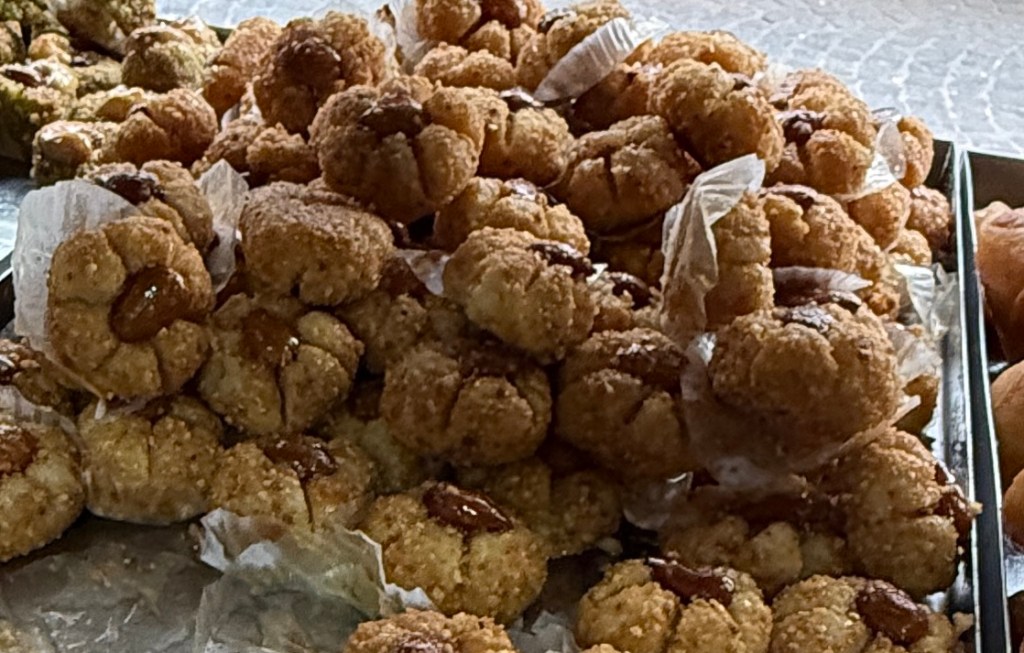
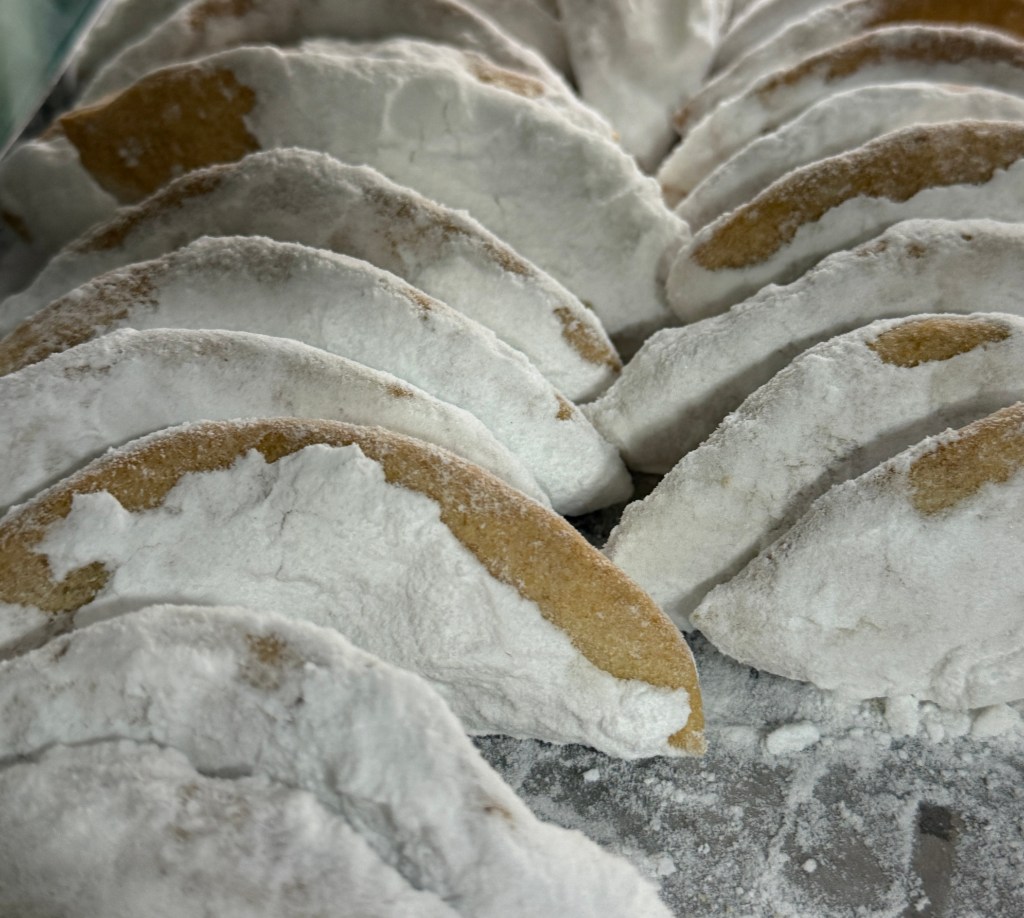
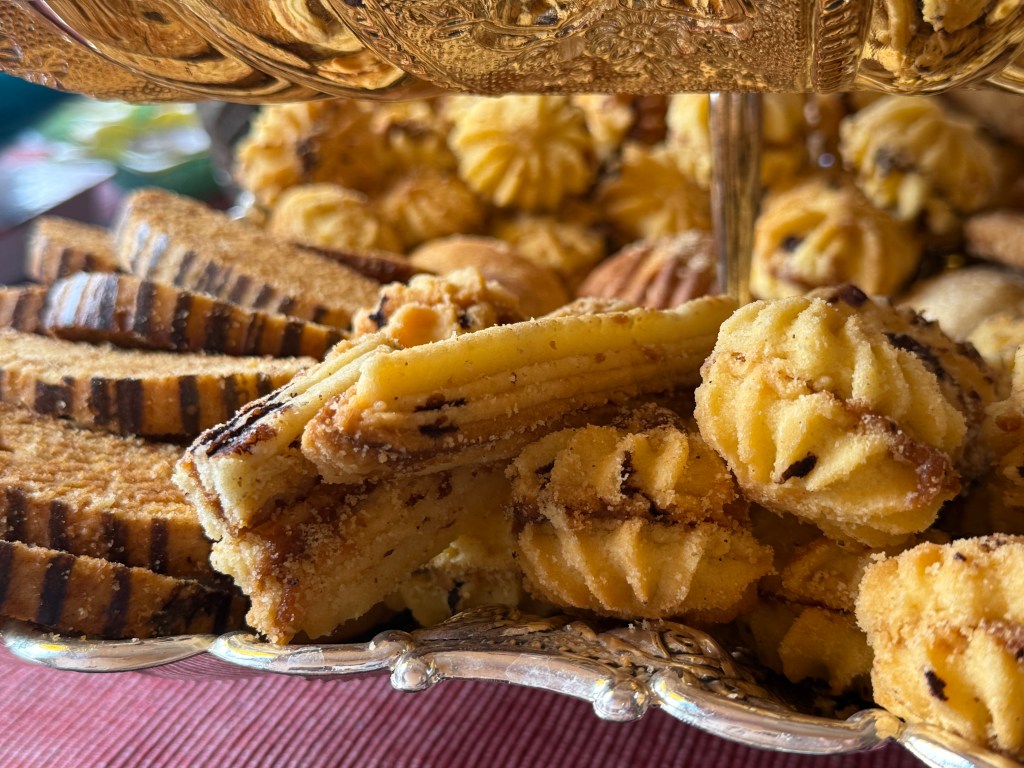
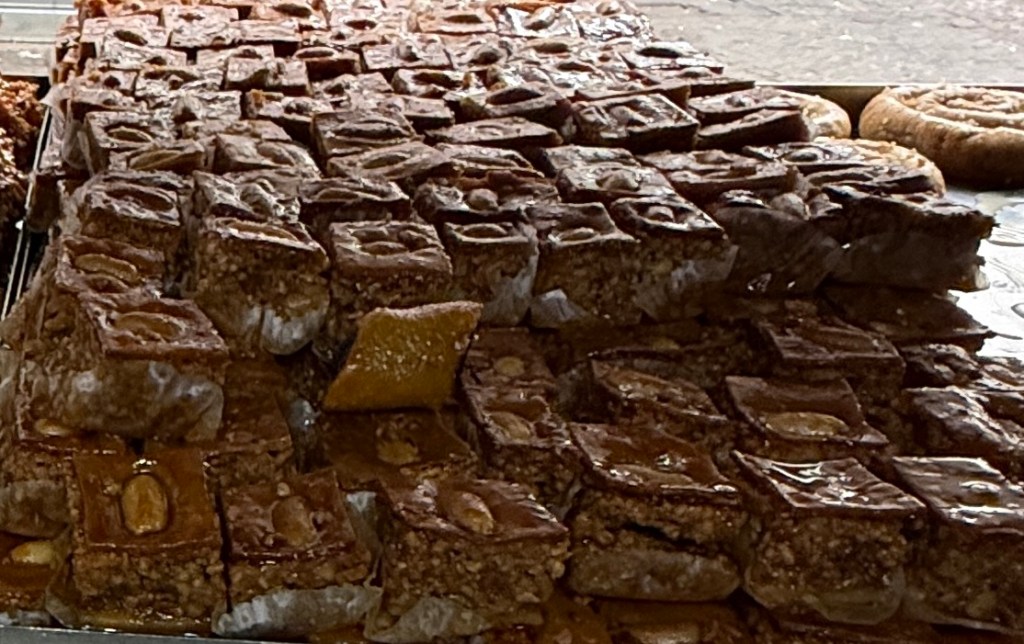
Stepping inside felt like entering a world of Moroccan enchantment, orange blossom and honey perfuming the air, trays laden with cornes de gazelle, glossy chebakia, crumbly ghoriba, and crisp briouats. Each pastry was a testament to Morocco’s centuries-old tradition of hospitality and artistry. For just 150 dirhams, we left with a full kilogram of these sweet treasures, each bite a celebration in itself, some sweet treats for rest of the week.

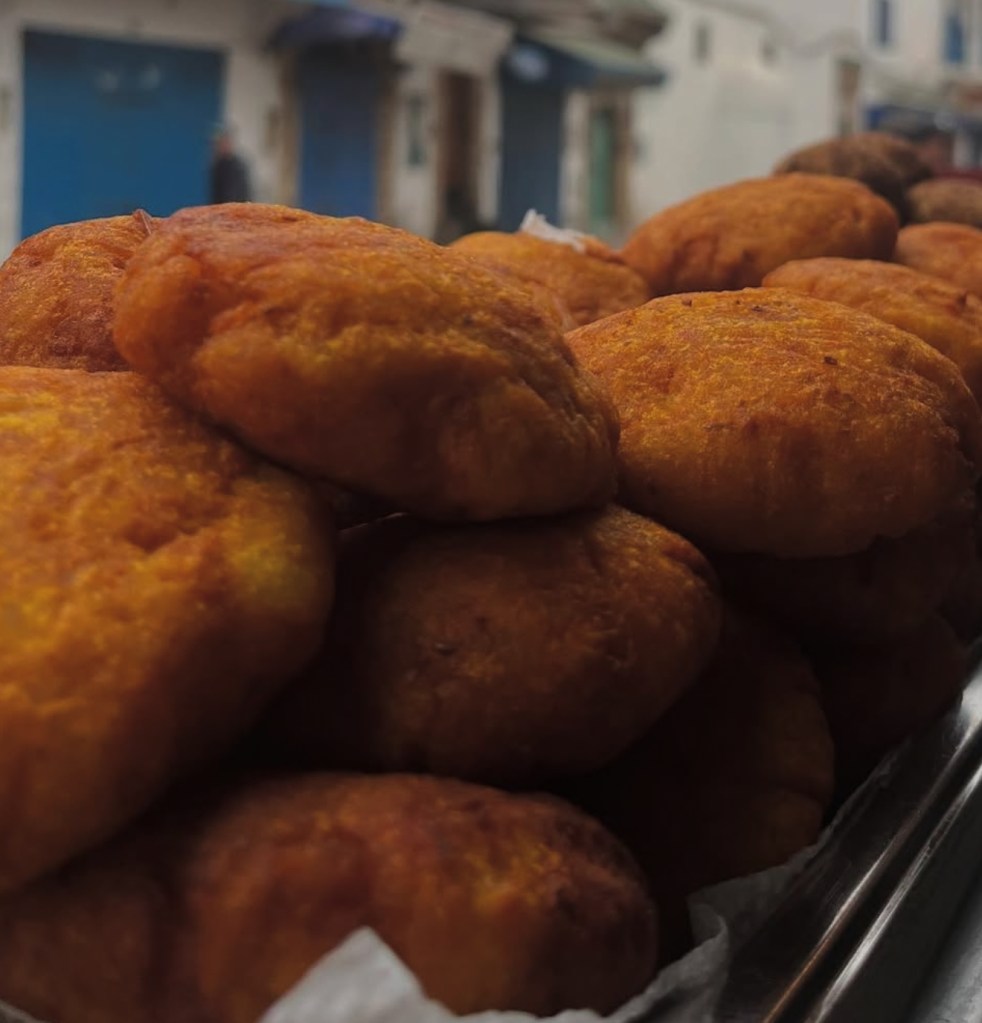
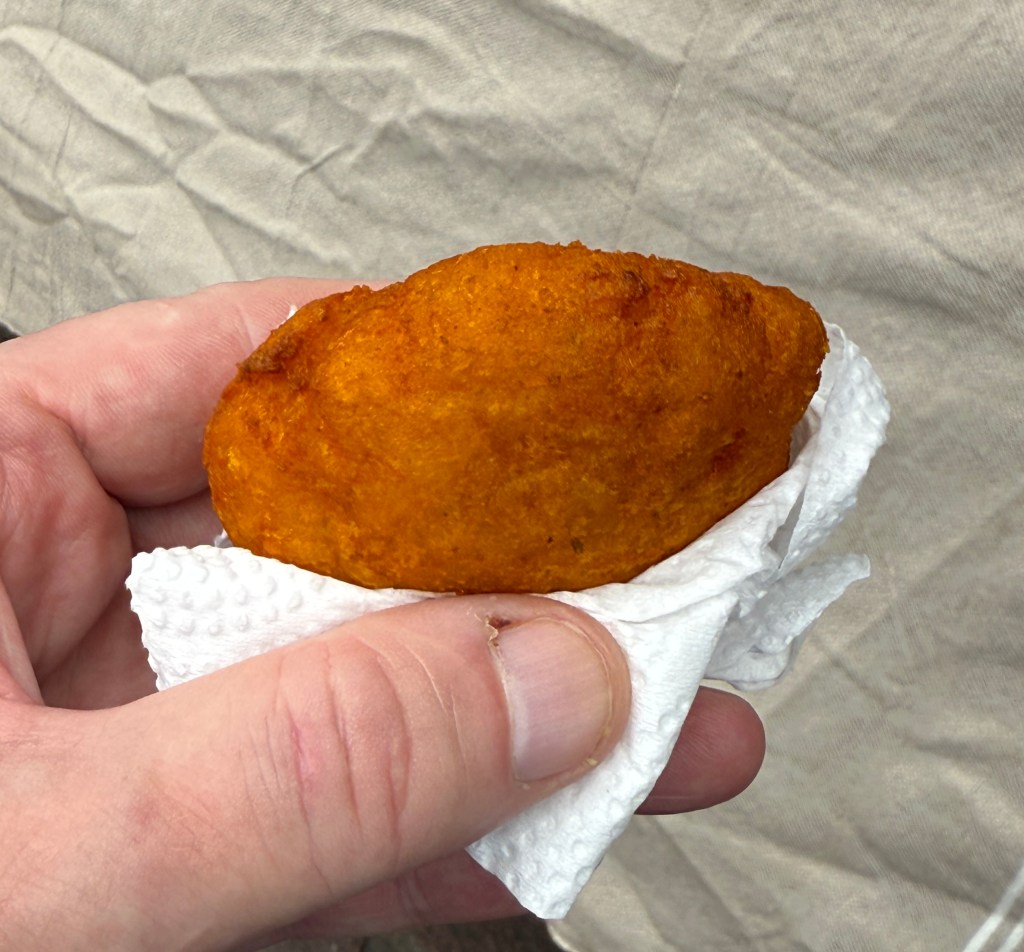
We wound our way through the medina’s twisting corridors until we reached one of the main thoroughfares, where our first snack stop awaited: maakouda. We enjoyed them just as they were, fresh from the fryer, golden and crisp, with no need for accompaniments. Eaten plain, the gentle warmth of turmeric and cumin took centre stage, allowing the comforting flavours of these humble potato fritters to truly shine. There’s a special charm in the simplicity of Moroccan street food, and with each bite of maakouda, we tasted that perfect balance of spice and tradition.

Shopping in Morocco is a true adventure for the senses. Here, the focus is on flavour rather than flawless appearance; tomatoes, courgettes, and carrots may not look perfect, but their taste is unbeatable. We delved deep into the medina, venturing into bustling corners where few travellers stray, on a mission to gather ingredients for our culinary explorations. This was a foodie holiday, after all, and Amanda, an exceptionally talented chef, was eager to discover every hidden gem. In one shop, chickens clustered together in a large open box, a scene both fascinating and distinctly local. The vegetable stalls were overflowing with vibrant produce, and we selected earthy beetroots for a trout cure back at the villa, along with fresh courgettes and carrots for the couscous we’d prepare later. Wandering through these tucked-away markets was both fun and eye-opening, the abundance of vegetables, the lively atmosphere, and the remarkably low prices all added to the magic of our Moroccan shopping adventure.

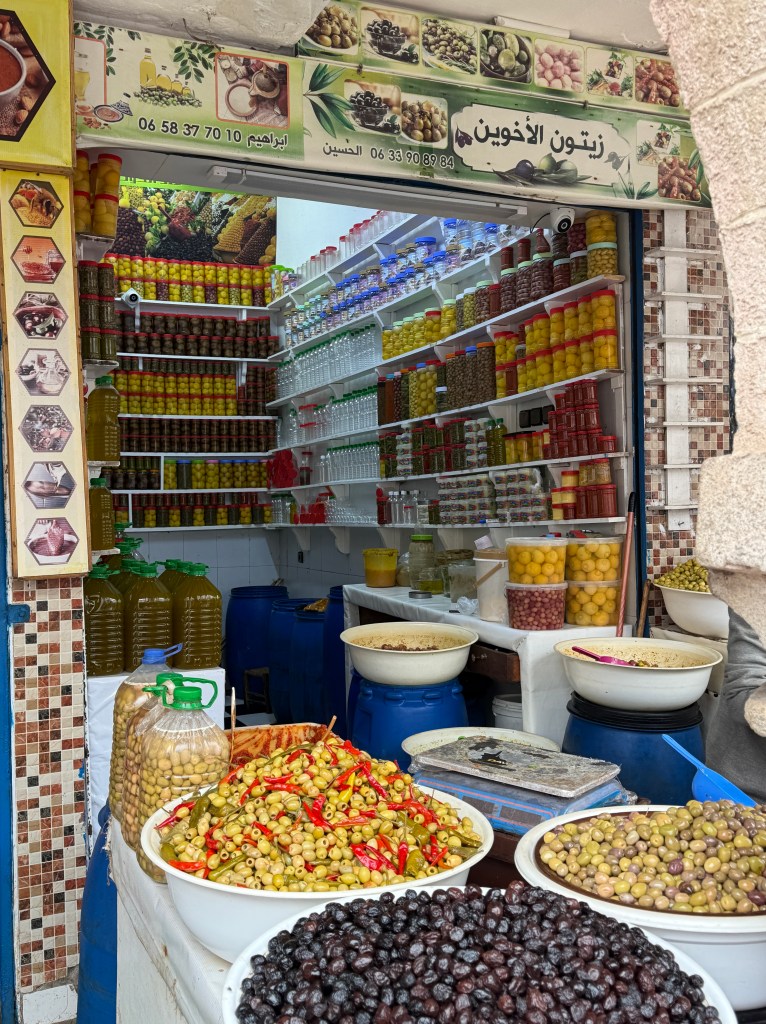
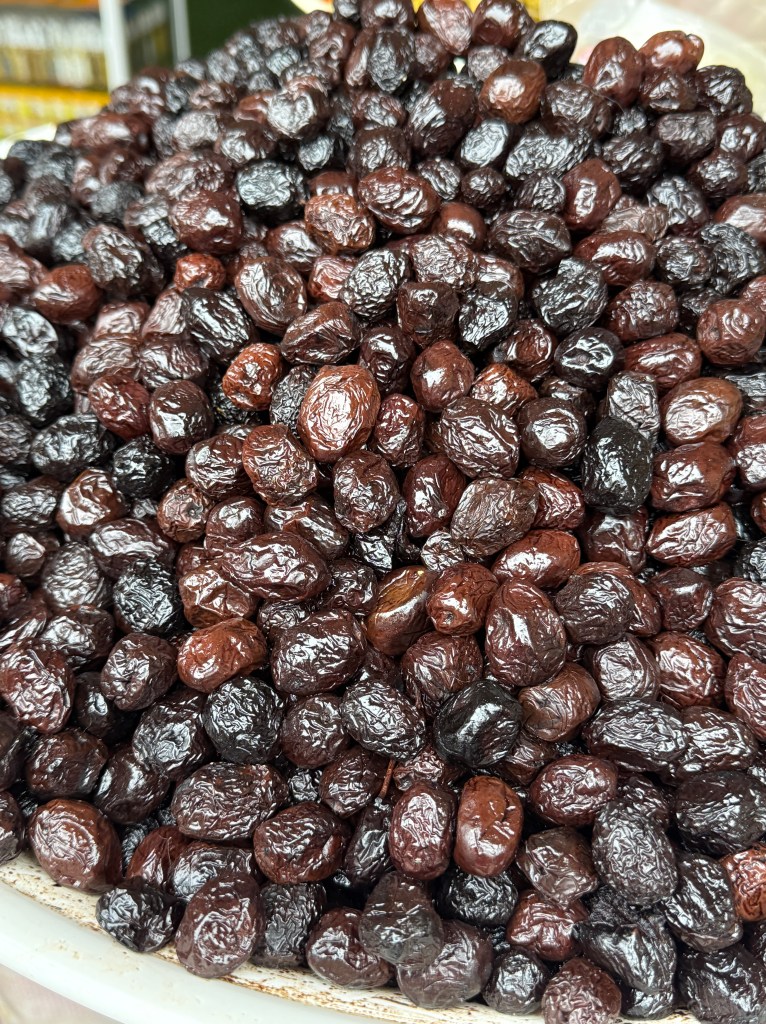
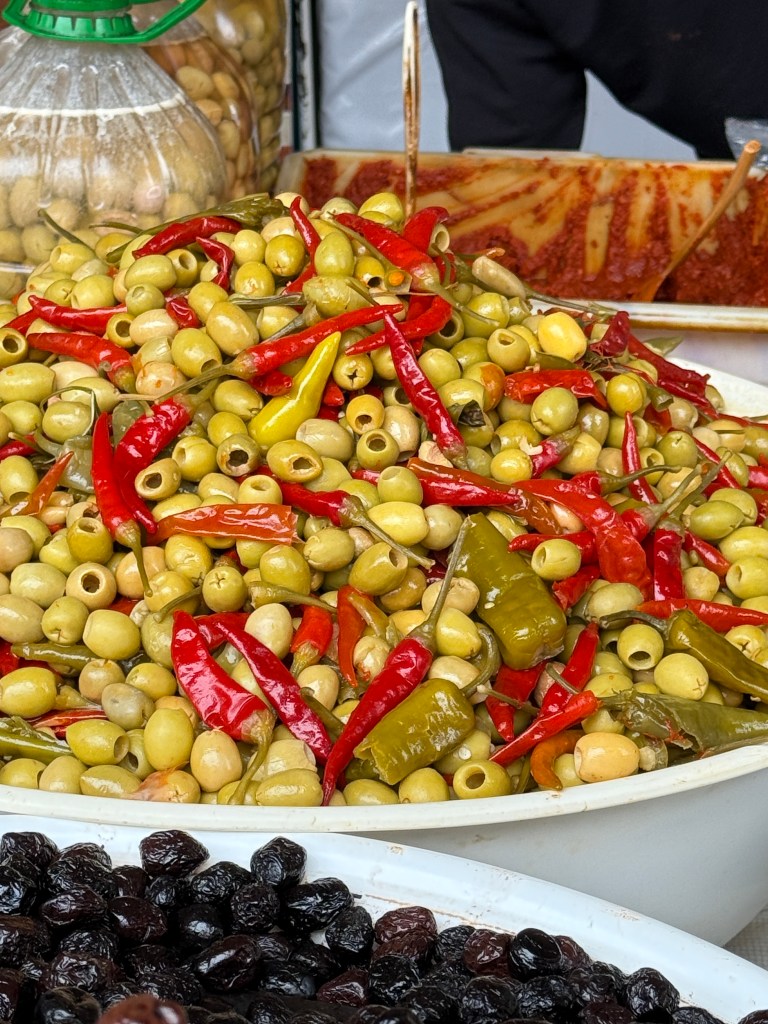
We settled in for a good half hour over a glass of steaming mint tea at a tiny café nestled beside a lively market stall, where great tubs of glossy olives in every shade of green and purple caught our eye. The stall was a paradise for any food lover; mounds of spicy green and red harissa, generous portions of rich, aromatic khlii (Moroccan preserved lamb), and an ever-changing parade of locals stopping by for their daily essentials.

As we lingered over our sweet atay b’naanaa, the air alive with the mingled scents of herbs and spices, we soaked in the vibrant scene. For anyone curious, atay b’naanaa simply means “mint tea” in Moroccan Arabic – atay is tea, and naanaa is mint, so there’s no banana involved, just a fragrant blend of green tea, fresh spearmint, and sugar. Here, at the heart of the medina, surrounded by the raw ingredients of Moroccan cuisine, each sip of tea felt like a celebration, a leisurely pause and a perfect window into daily life before our next culinary adventure.

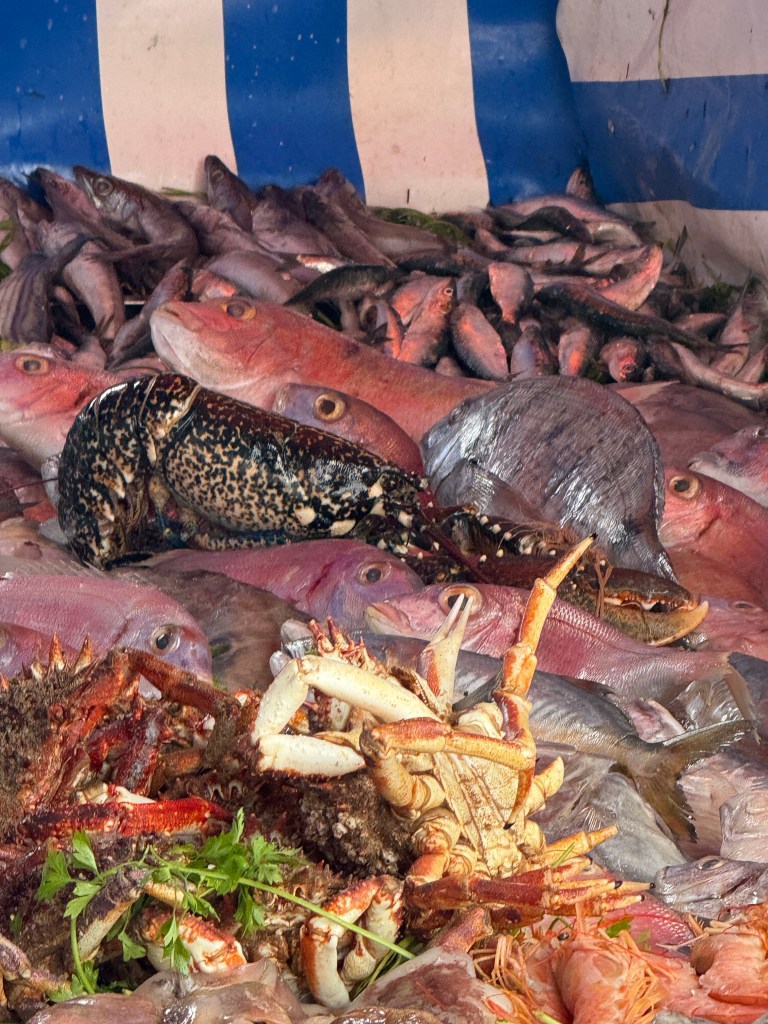
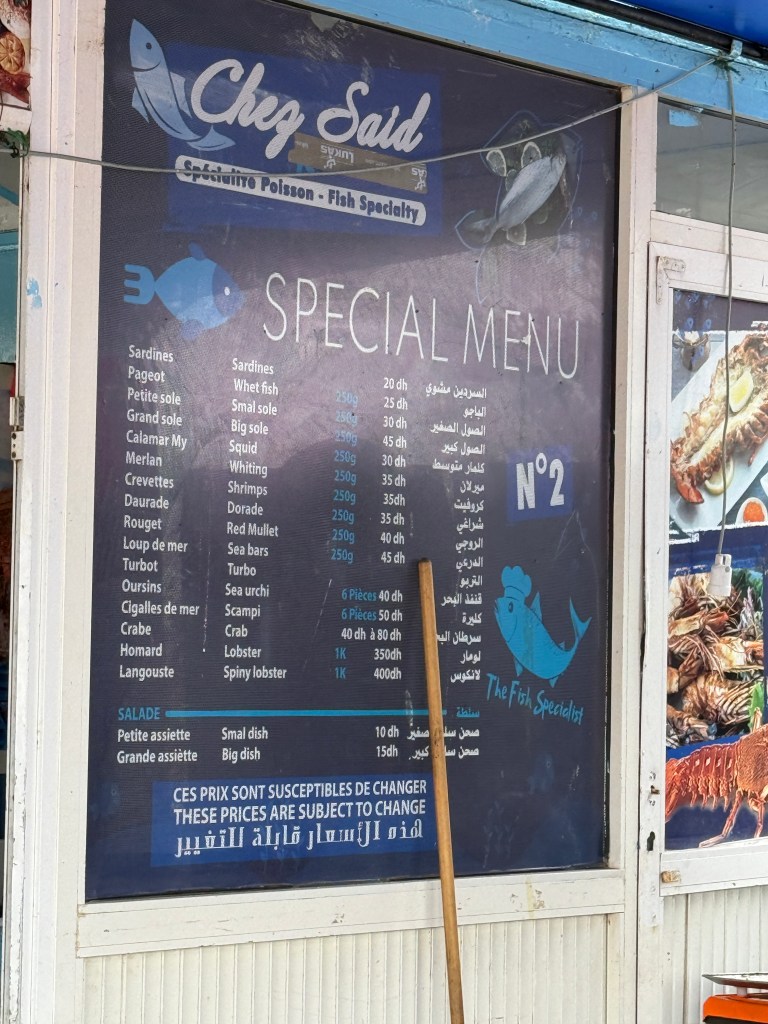
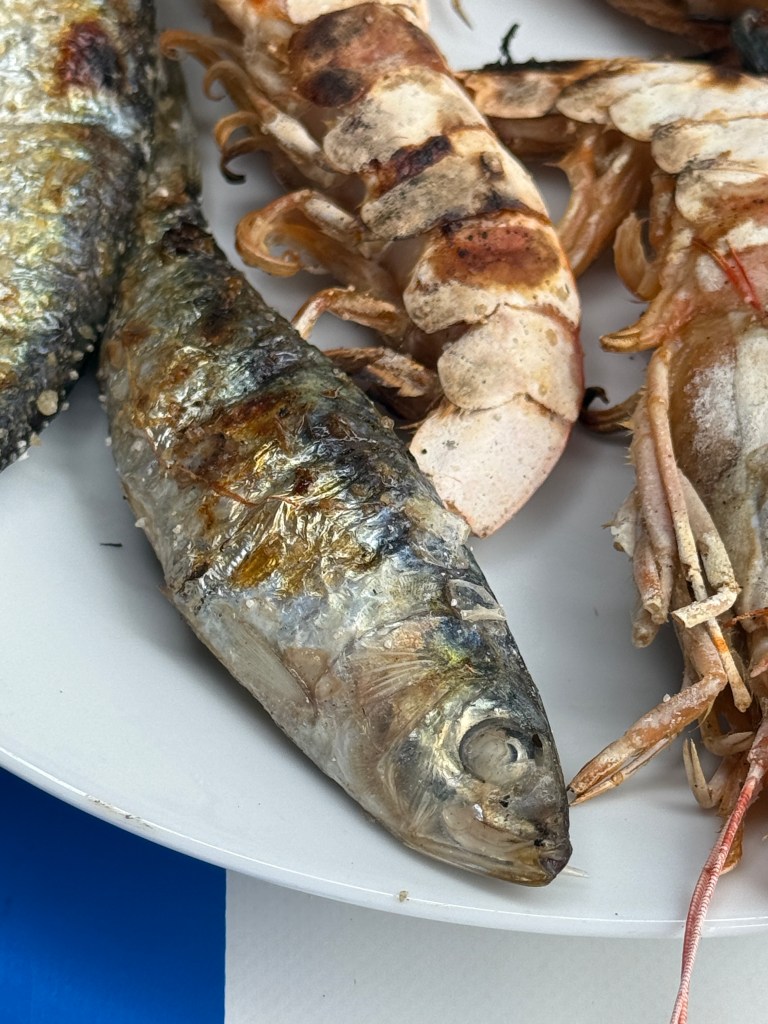
After the excitement of selecting fresh fish and prawns from the morning’s catch and savouring them perfectly grilled over charcoal, we spent a wonderful few hours exploring the medina’s winding alleys. The markets brimmed with vibrancy, tubs overflowing with glossy olives, heaps of fiery harissa, and generous servings of khlii, all set to the backdrop of everyday Moroccan bustle. Laden with ingredients and inspired by the sights and scents around us, we set off for our next destination: La Fromagerie, an artisan goat’s cheese maker, where we hoped to discover yet another delicious facet of Morocco’s culinary heritage.

Leaving the bustle of Essaouira behind, we set out on a scenic 13-mile journey along the N8, turning onto the R301 as the landscape unfurled before us. Hidden well back from the road, La Fromagerie emerged like a serene oasis—so peaceful that the distant hum of traffic vanished completely. The air was fragrant with blooms from lush gardens, and vibrant flowers framed the entrance, setting the tone for what felt like a secret retreat.

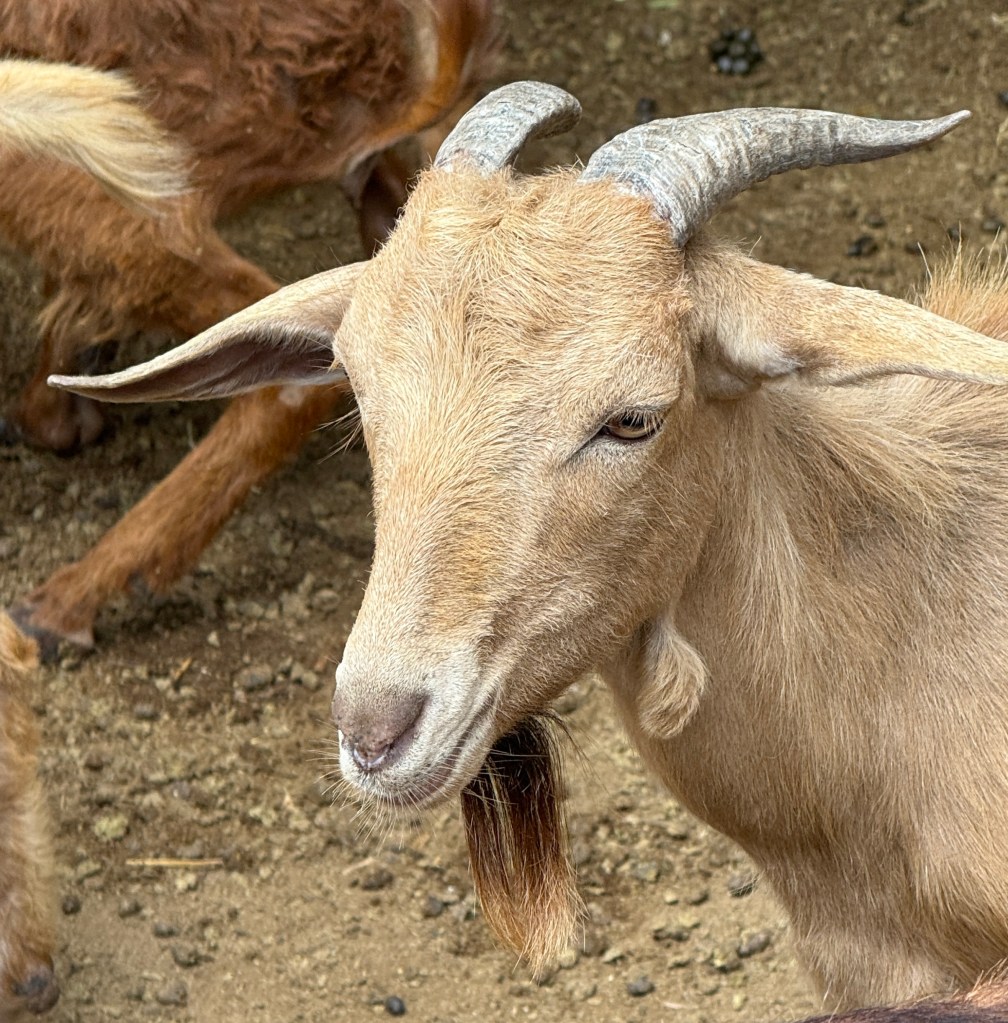
We were welcomed with a fascinating tour of the goat cheese production unit, where the day’s fresh milk was being transformed into creamy rounds of artisan cheese. The resident goats, content and curious, grazed nearby, while chickens scratched in the shade, supplying eggs for the kitchen. It was a beautiful glimpse into the rhythms of living off the land—a place where sustainability and tradition go hand in hand.

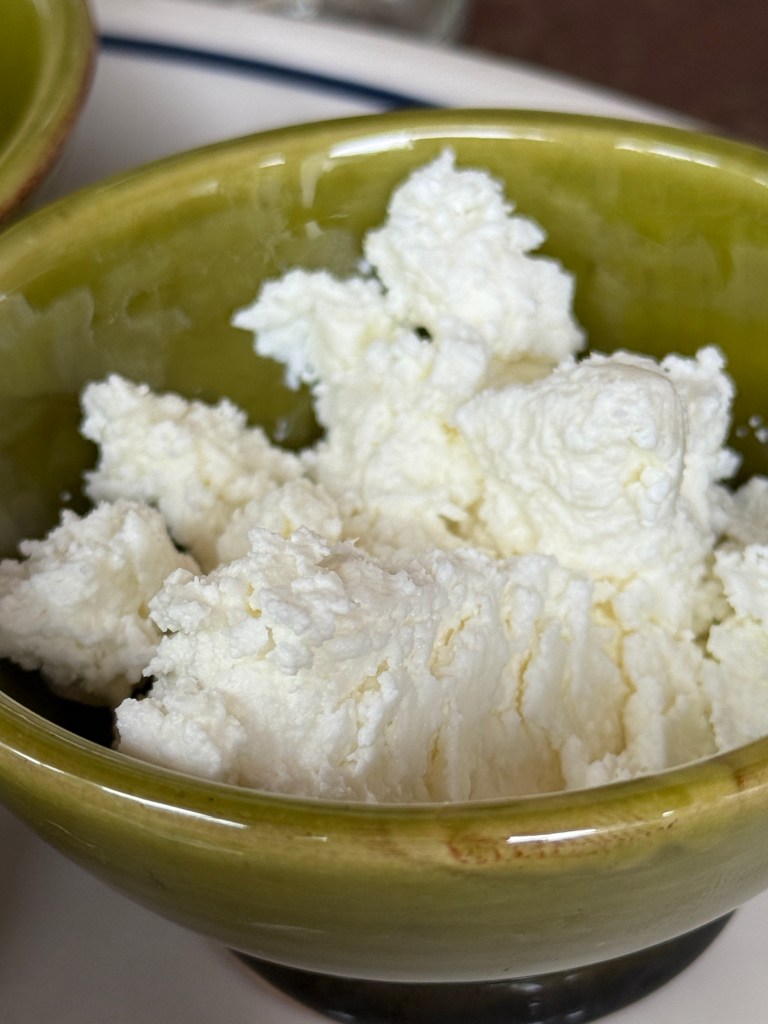
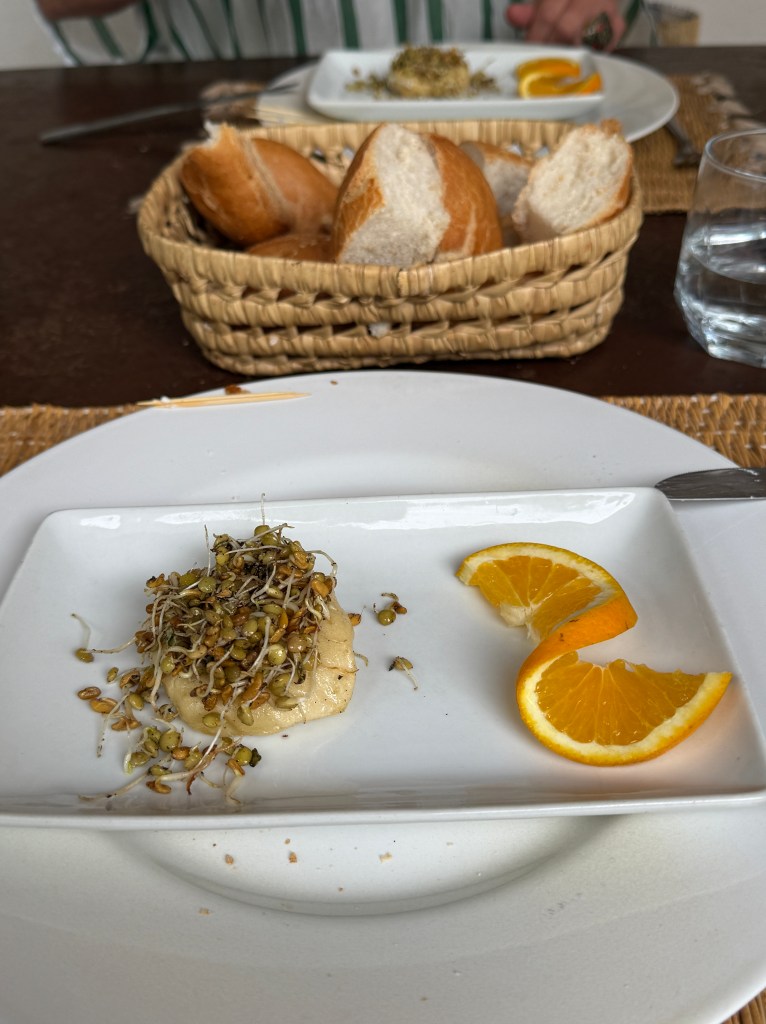
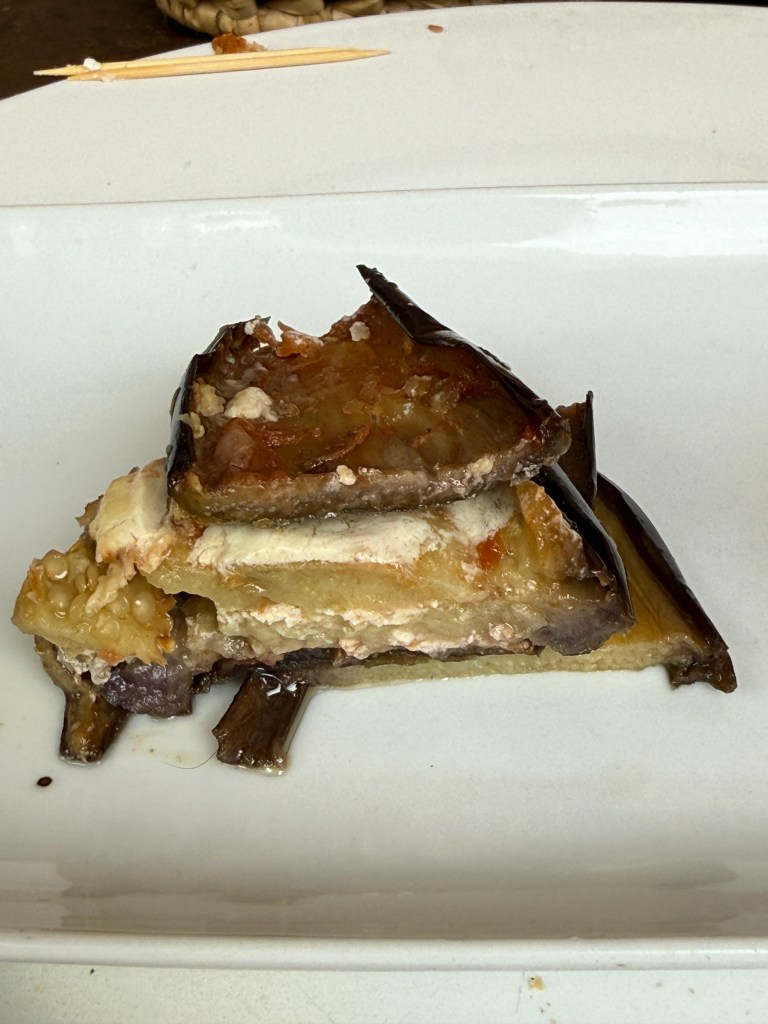
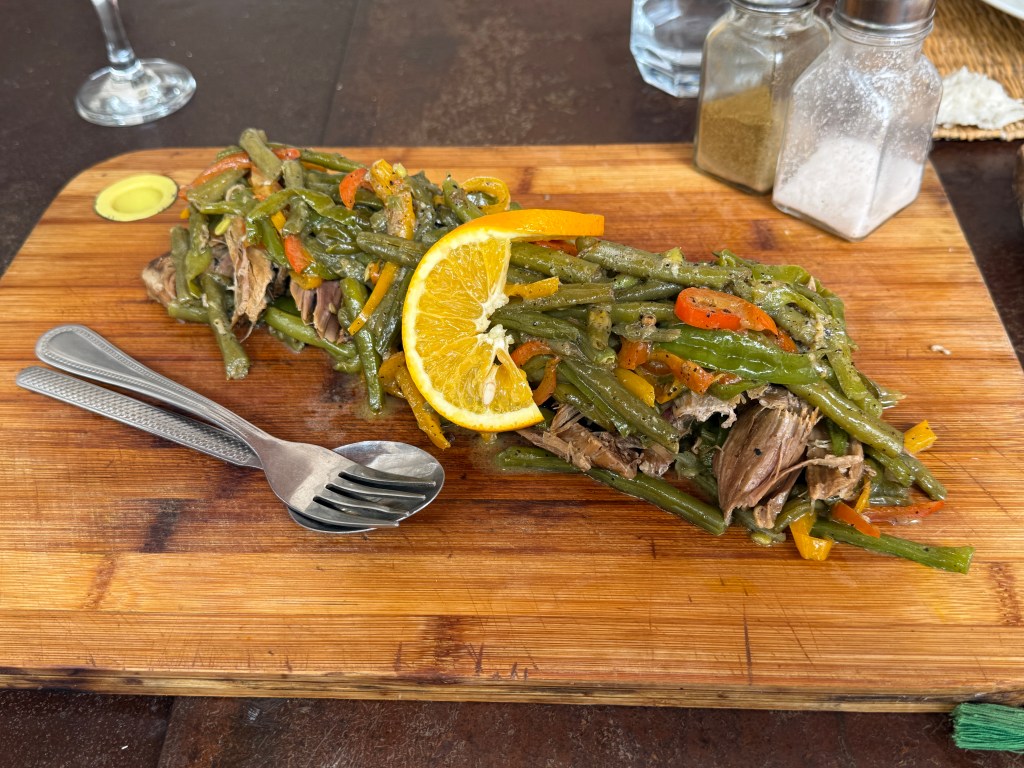
The meal at La Fromagerie was a true celebration of local flavours and craftsmanship. We began with a tasting of goat’s cheeses at varying stages of maturity, each one offering its own subtle character and creamy tang. Next came a delightful starter: a round of grilled cheese, its molten centre wrapped in a delicate bread crust and crowned with a tangle of sprouting pulses, simple yet utterly irresistible. Layers of silky aubergine followed, perfectly cooked and infused with just a whisper of tomato and chilli, each bite a harmonious balance of earthiness and warmth. To finish, we savoured ‘lamb mechoui‘, tender, succulent, and deeply flavourful, a dish that lingered long in the memory. Every course was a testament to the art of rustic Moroccan cooking, and together they made for a lunch that was nothing short of perfect.

For those tempted to linger, La Fromagerie also offers charming rooms for an overnight stay, inviting guests to fully immerse themselves in this tranquil corner of rural Morocco.

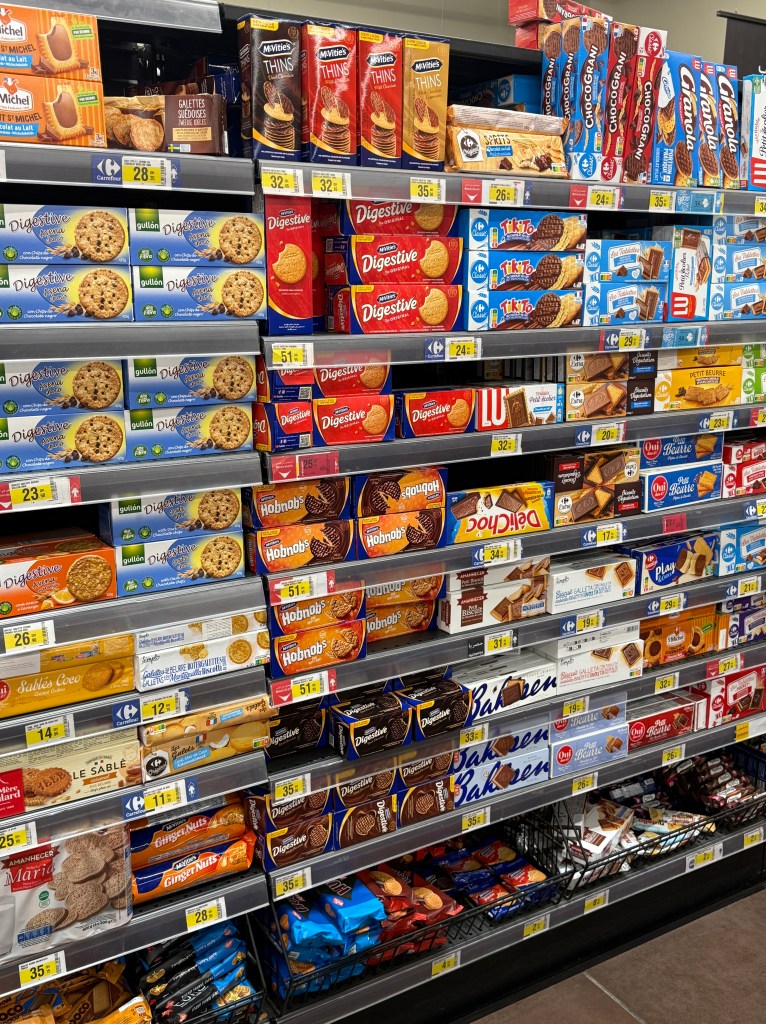
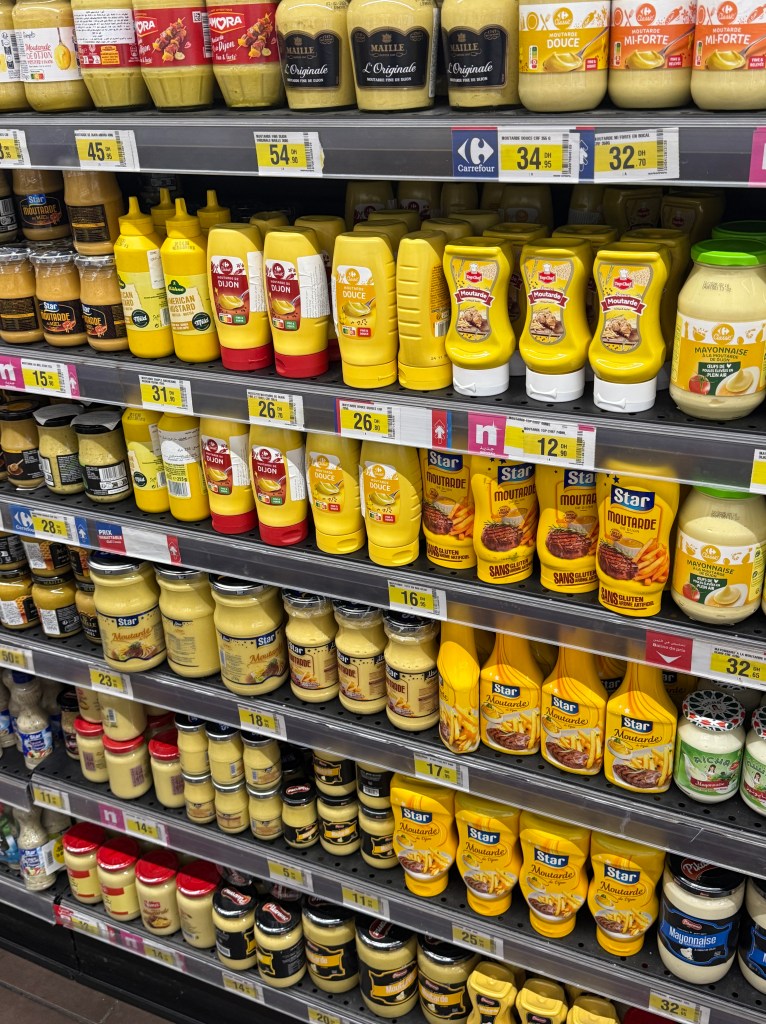
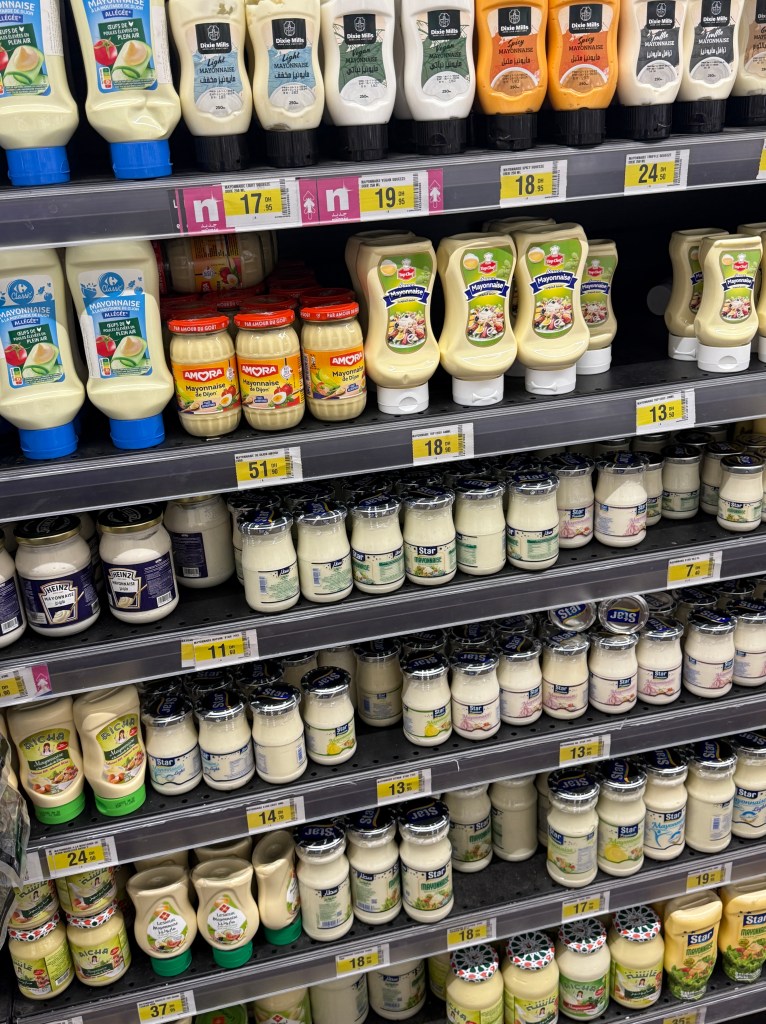
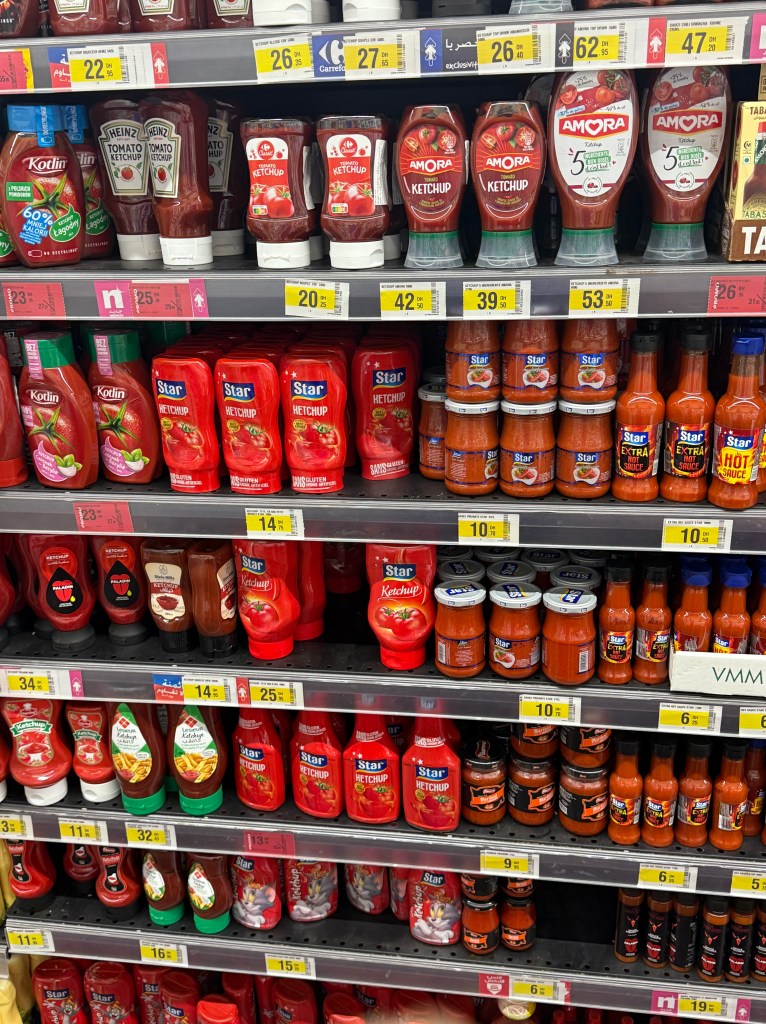
On our way to Amanda’s villa, we couldn’t resist a stop at Carrefour, a ritual I love when traveling. There’s something fascinating about wandering foreign supermarket aisles, comparing the range of products and prices to those back home. Carrefour’s shelves were stocked with a surprising array of international treats and local staples.

The alcohol section was particularly impressive, boasting a wide selection of beers, wines, and spirits, a reminder of Morocco’s cosmopolitan side. Imported goods, as expected, came at a premium; seeing familiar British biscuits and condiments with their price tags in dirhams was both amusing and eye-opening. The meat counter, however, was nearly bare, a quiet testament to Eid Al-Adha, when families gather and butchers take a holiday. Only a few spicy Merguez sausages remained, hinting at the usual bustle of the market. Visiting a Moroccan hypermarket like Carrefour is more than just shopping, it’s a cultural experience, revealing the rhythms of daily life and the interplay between tradition and modernity.

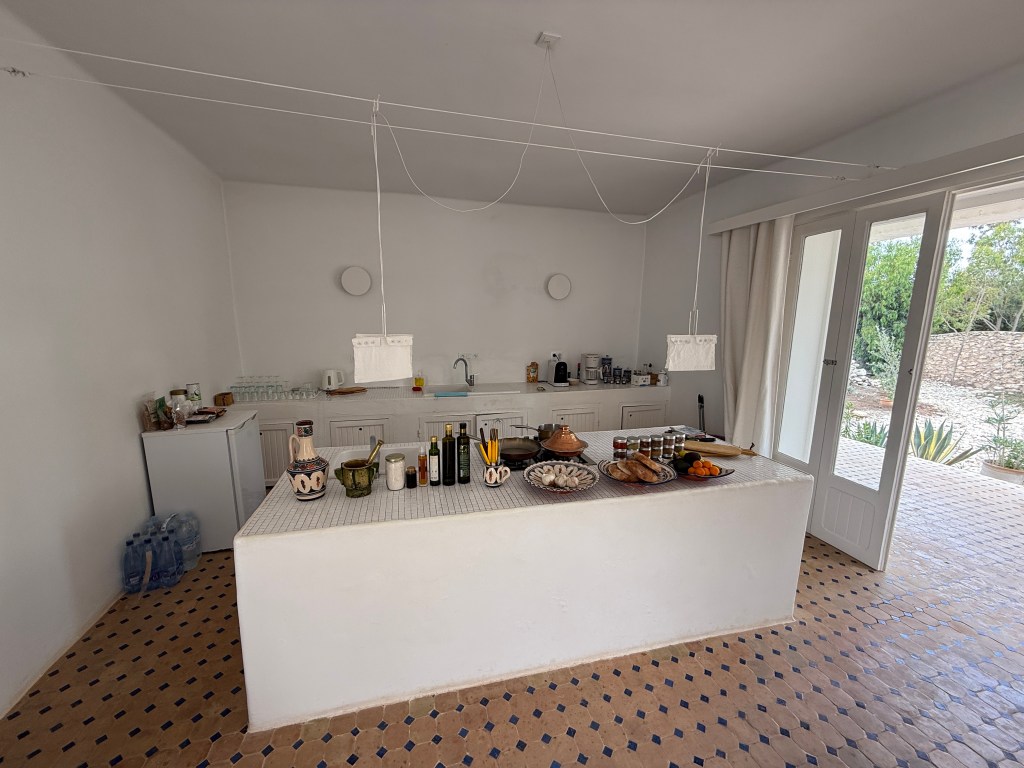
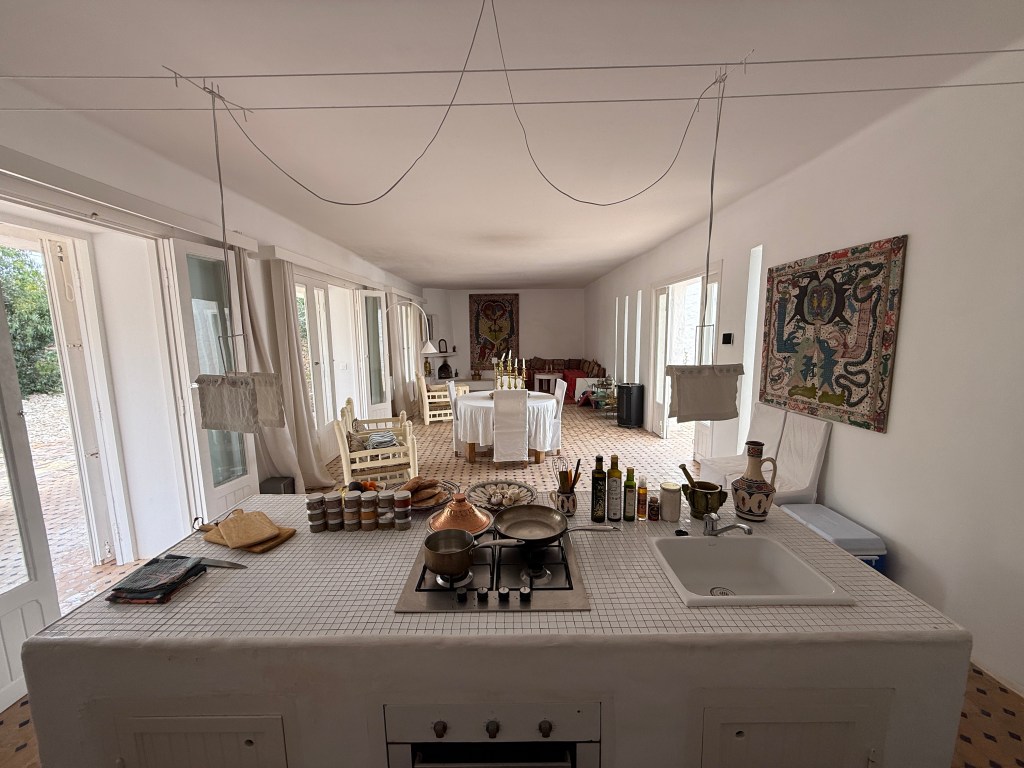
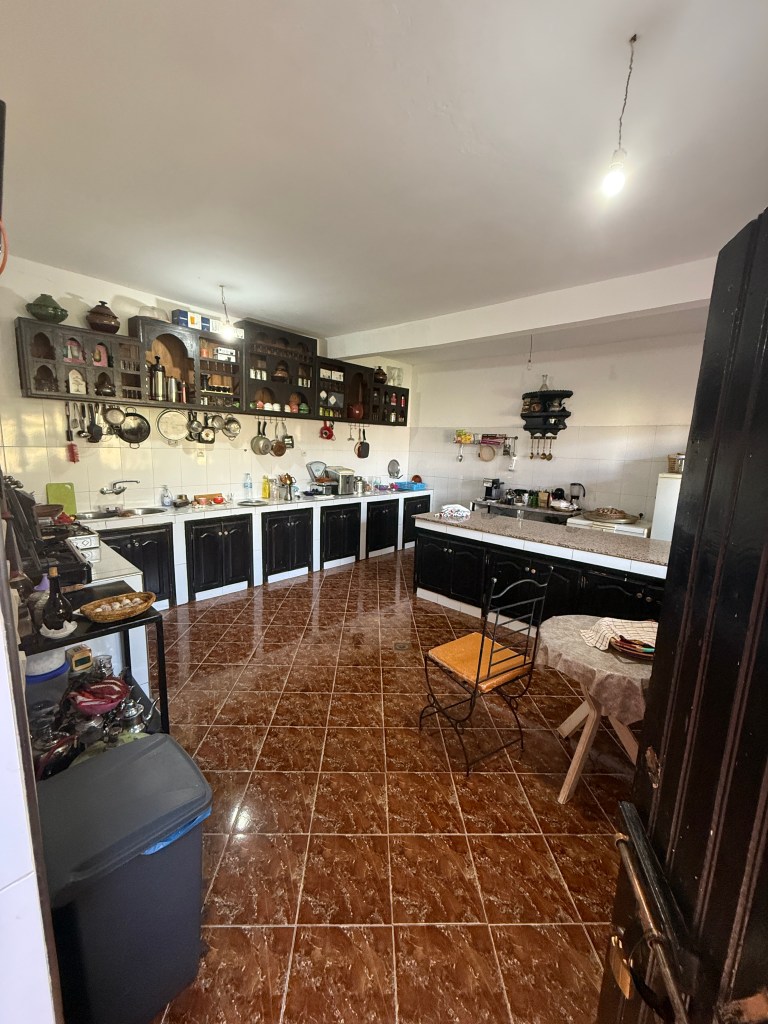
Our home base for days three to five was Amanda’s beautiful villa outside Essaouira, a whitewashed haven with an airy, open-plan design that struck the perfect balance between light and cool comfort. The spacious kitchen, complete with a generous cooking top and ample prep space, was a dream for any food lover. Outside, a welcoming dining area invited us to linger over meals in the fresh air, while the thoughtful architecture let sunlight pour in without letting the heat intrude. It was the ideal setting for my first Moroccan cooking lesson: couscous, a true labour of love.

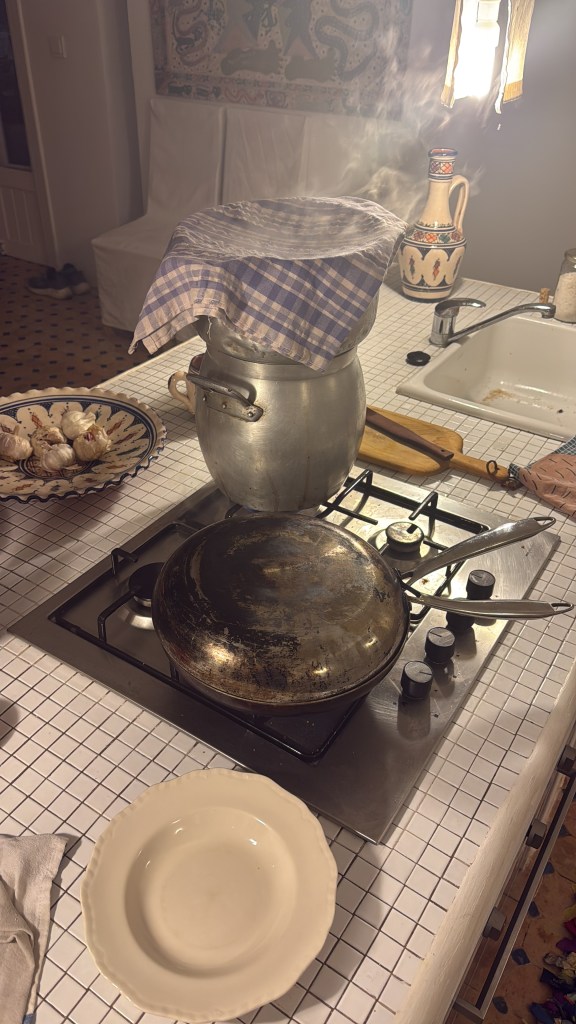
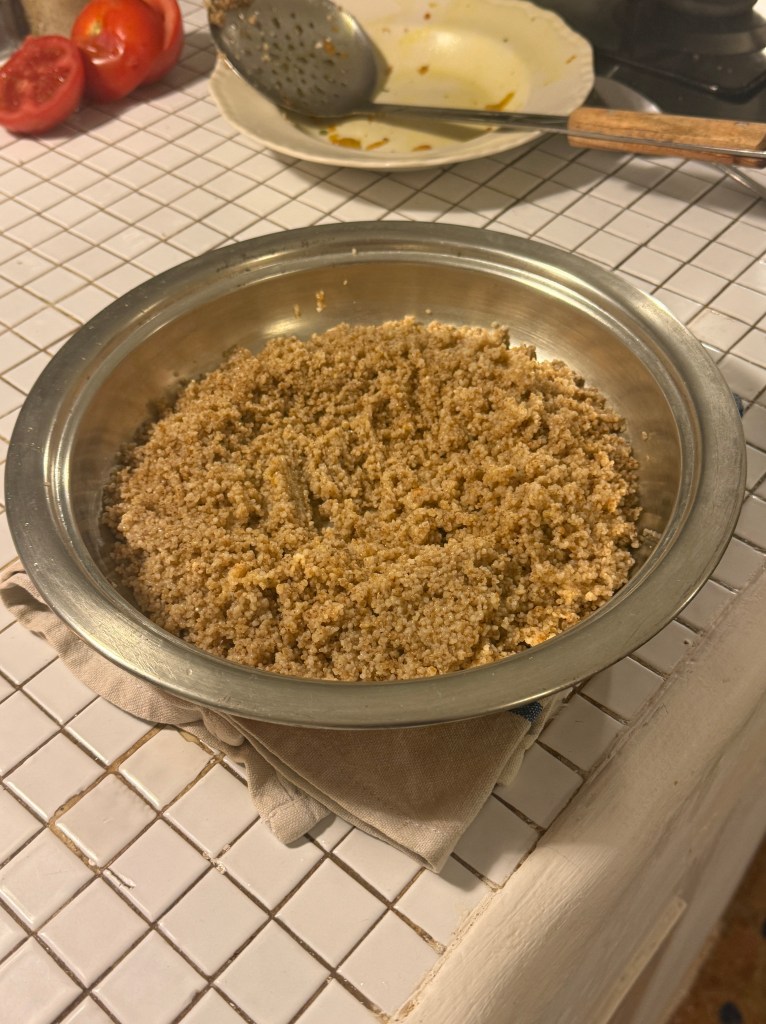
Preparing traditional Moroccan couscous with organic, coarse, dark grains is a soulful ritual, steeped in centuries of culinary tradition. It all begins in a wide, shallow gsaa bowl, where the couscous is gently sprinkled with water, a pinch of salt, and a golden drizzle of olive oil. With practiced, gentle hands, the grains are softly rubbed and rolled, their earthy aroma rising as each one is lovingly coated and separated. After a patient rest, the couscous is heaped into the top of a couscoussier, where it steams above a bubbling pot of homemade broth, fragrant with onions, garlic, and a medley of aromatics, perhaps a pinch of saffron or Ras el Hanout. Once the steam has worked its magic, the couscous is tipped out, allowed to cool just enough, and then gently hand rubbed again, breaking up clumps and coaxing the grains to lightness.

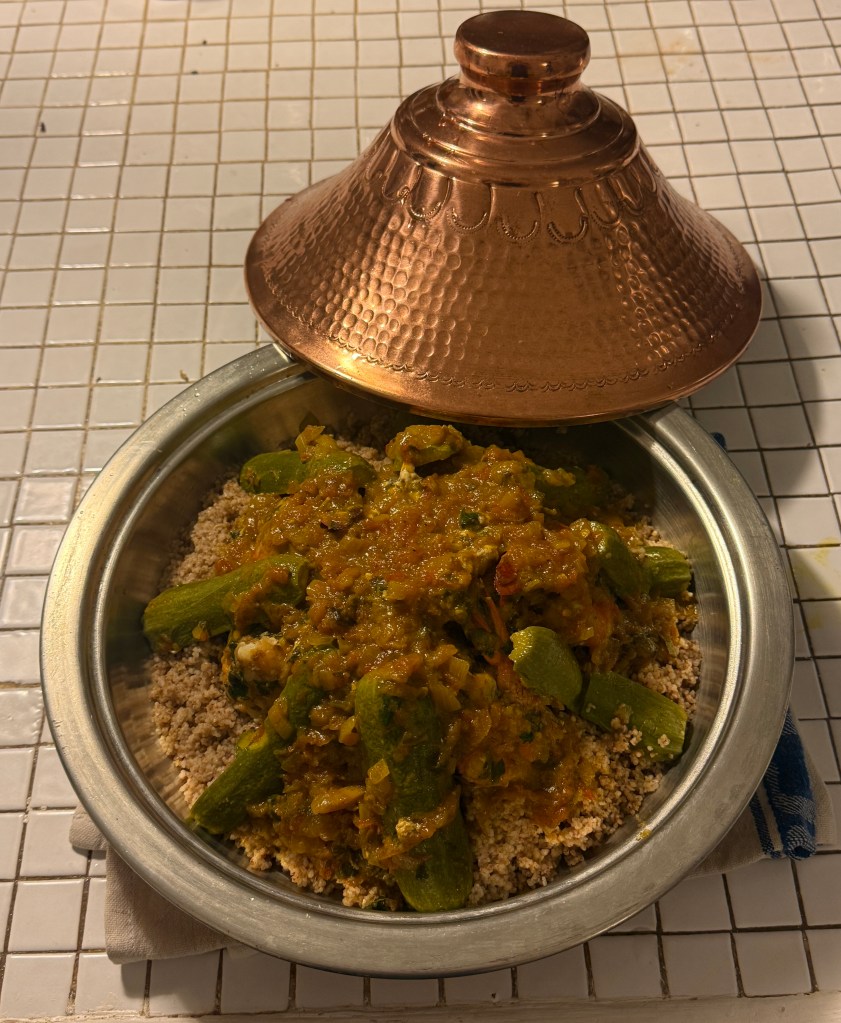
This meditative cycle of steaming and gentle hand rubbing is repeated three times, each round drawing out the couscous’s tender, fluffy character without ever becoming sticky. No further water is added after the first step; it is the steam, the touch, and the patience that transform the grains. For the final steaming, we nestled quartered courgettes into the simmering broth, letting their subtle sweetness and fresh green flavor infuse the steam and mingle with the couscous above. When the grains were finally ready, we finished them with a generous knob of butter, folding it through so every grain glistened and carried just a hint of richness.

To serve, we spooned over the meltingly soft onions and vegetables from the broth, then crowned the couscous with golden pieces of fried monkfish, their delicate flavour providing a wonderful contrast to the subtle, fragrant grains. The result was a dish that felt deeply rooted in Moroccan tradition, yet uniquely our own, capturing the spirit of hospitality and the joy of sharing something truly special at the table.

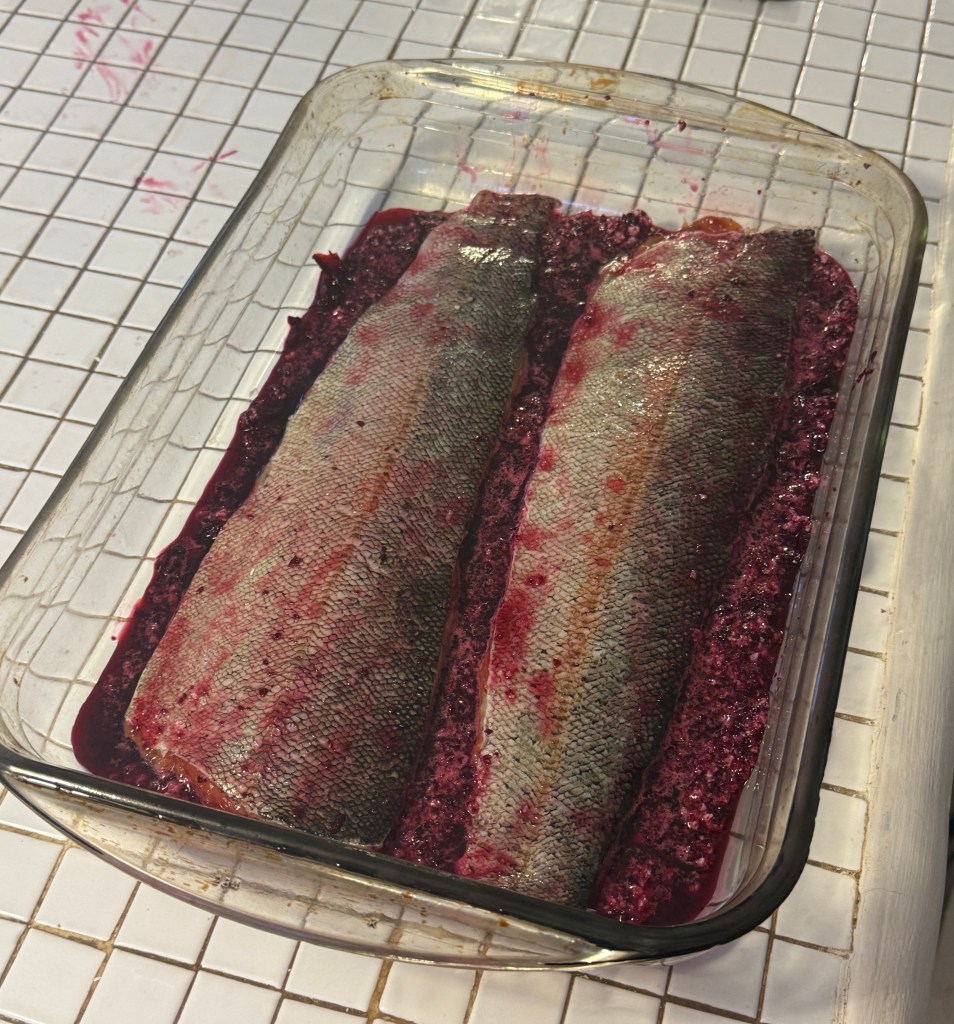
Whilst the couscous was going through its patient, time-honoured ritual, we turned our attention to another culinary experiment I’d long wanted to try: beetroot-cured trout. Earlier that day in Essaouira, we’d picked up some earthy, jewel-toned beetroots, their deep colour promising both flavour and drama. With a quick blitz in the blender, we combined the beetroot with equal measures of salt and sugar, creating a vivid, fragrant cure. We nestled the trout fillets flesh-side down in this mixture, ensuring every surface was in contact with the cure, and left them to work their magic overnight. By the following day, after a gentle rinse to remove the excess salt, we’d have slices of beautifully cured trout, vibrant in colour and delicately seasoned. There’s a special satisfaction in weaving new ideas into a tapestry of tradition, and this little project felt like the perfect companion to our day of slow, soulful cooking.

At last, it was time to sit down and savour the fruits of our labour. Glancing at the timestamps on my photos, I realised we had started at 17:57 and finished at 22:20, a full 4 hours and 23 minutes devoted to creating what was, without a doubt, the tastiest couscous I have ever eaten. The subtle lessons learned along the way were priceless: no shortcuts, no quick-cook grains, just patience, gentle hands, and respect for tradition. The result was light, fluffy, and full of flavour, healthy, satisfying, and a fitting finale to another long day of Moroccan adventure. There’s a special kind of joy in sharing a meal that has been crafted with care, and this couscous was a true celebration of time well spent.

Shukran bzaaf ʿla had nhar zwin, Allah yʿtik sseha ya Chef Amanda!

…………………………….Until next time………………….. L8ers……………………………..
Between Mountains and Medina: The Road to Riad Malaika and the Women of Argan (Day 2)

I rose early, the morning light barely touching the horizon, my mind still alive with the magic of the day before. It had been a tapestry of wonder – woven with vibrant culture, unexpected friendships, and unforgettable flavours – each moment more extraordinary than the last. Even as the world outside lay quiet, my thoughts danced with memories of a day that seemed endless in its gifts.

As-salamu alaykum (Peace be upon you), I greeted Haj Brahim as he was laying the table for breakfast and what a spread it was. Fresh coffee, boiled eggs, fresh bread, Amlou, which is Morocco’s beloved nut spread, traditionally made by blending roasted almonds, rich argan oil, and honey into a silky, nourishing paste. Its flavour is uniquely deep and nutty, perfect for dipping bread or drizzling over pancakes. In more affordable versions, peanuts often replace almonds, creating a spread that’s still delicious and widely enjoyed. Whether crafted with almonds or peanuts, Amlou captures the warmth and generosity of Moroccan hospitality in every spoonful.

All too soon, the moment came to bid farewell. I could have lingered another day at Dar Tassa, nestled in the tranquil embrace of al-Houz province, where time seems to slow and every view invites reflection. But the road was calling – Essaouira awaited, with new adventures and promises yet to unfold. With a lingering handshake and heartfelt thanks to my new friend, Haj Brahim, we loaded our bags into the waiting 4×4. As we set off, winding eastward toward Marrakech, the memories of Dar Tassa – its warmth, its wonder, travelled with me, woven into the fabric of the journey ahead.

Our journey began with Hicham – pronounced “Hee-Sham” – whose warmth, quick wit, and expert driving made him an instant favourite. Leaving the rugged beauty of the High Atlas mountains behind, we made our way toward Marrakech, pausing for a delightful detour to gather fresh ingredients, enjoy a leisurely coffee, and meet Amanda’s charming husband and daughter. As we sipped and chatted, I discovered that Amanda’s husband shared my passion for music. I introduced him to the band Arena – a new discovery for him – and was delighted to see his immediate enthusiasm. There’s a special joy in sharing music and watching it spark a connection, and that simple moment felt truly brilliant.

As we cruised up the RN8 from Marrakech toward Essaouira in early June, the landscape gradually shifted from the ochre plains to a mosaic of cultivated fields and scrubby woodland. Along this route, we passed neat rows of cabbages and potatoes – common crops in the region at this time of year – thriving in the fertile, sun-warmed soil. Before long, the scenery became increasingly dotted with the gnarled, silvery-green forms of argan trees, their twisted branches a distinctive feature of the countryside between the western High Atlas foothills and the Atlantic coast. This is the heart of Morocco’s argan belt, where these ancient, drought-resistant trees grow almost exclusively, providing livelihoods for local communities and producing the prized oil found in both kitchens and cosmetics around the world. The approach to Essaouira is marked by these iconic argan groves, a living testament to the region’s unique natural and cultural heritage.

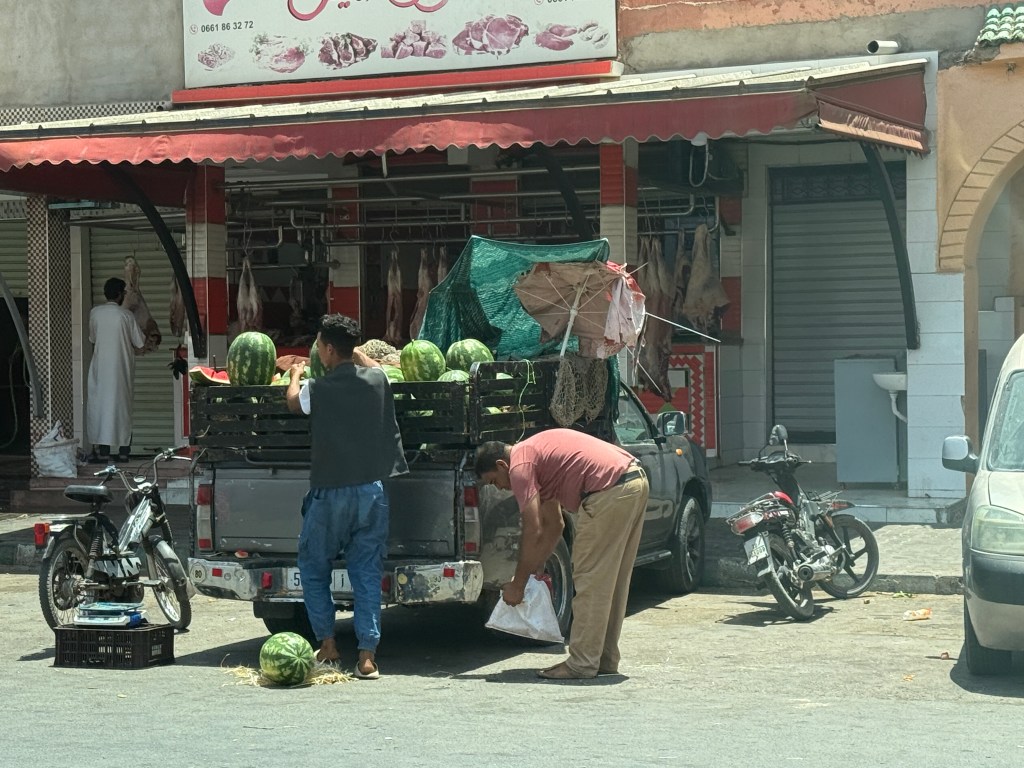
I was endlessly captivated by the rhythm of daily Moroccan life unfolding along the roadside – the fruit vendors arranging pyramids of vibrant produce, the butchers with their cuts of meat swaying gently in the cool shade, all framed by the golden sun. As we journeyed onward, small towns would suddenly emerge from the landscape, bustling with people immersed in their everyday routines. In the blink of an eye, these lively scenes slipped past our windows, growing smaller and softer in the rear view mirror, like fleeting glimpses into a thousand untold stories woven across the Moroccan countryside.

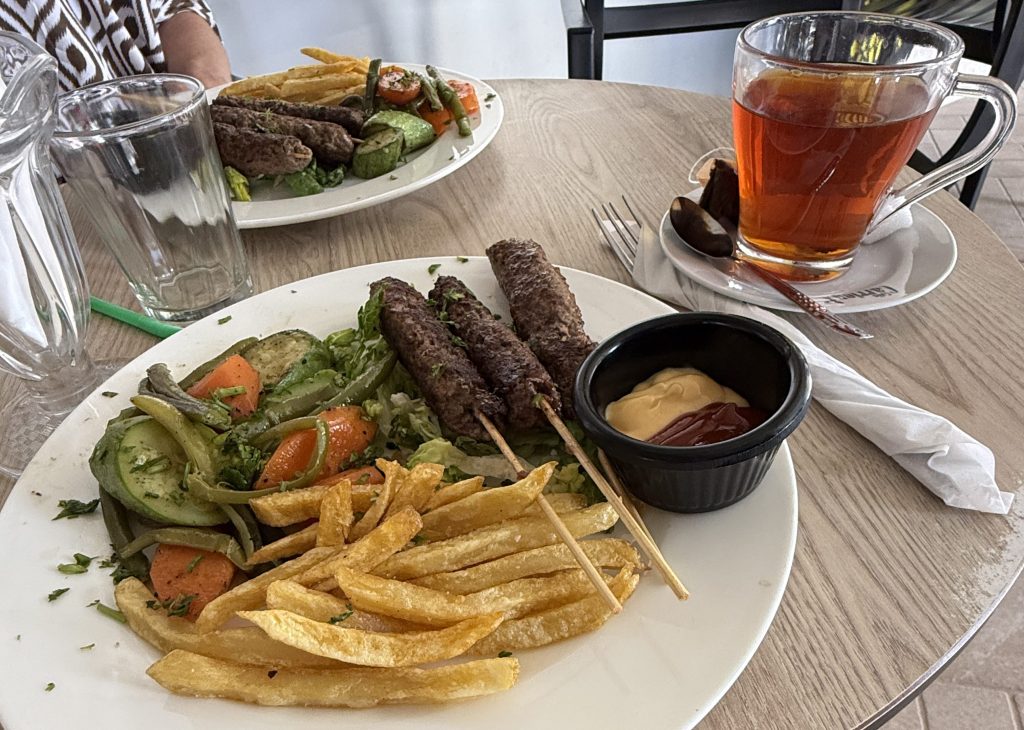
It was definitely time for some food when we pulled off the road just outside Sidi L Mokhtar, drawn to the welcoming glow of Café Restaurant Sahara, open around the clock. There, we savoured brochettes de viande hachée – Moroccan skewers of seasoned minced beef, grilled over hot coals until smoky and tender. Each tender bite was perfectly complemented by crisp frites and a vibrant medley of courgettes, carrots, and green beans, their colours bright against the plate. As we lingered over the meal, I sipped strong black tea, its warmth and depth the perfect companion to the flavours before me. In that simple roadside café, with good company and honest food, the spirit of Morocco felt wonderfully alive.

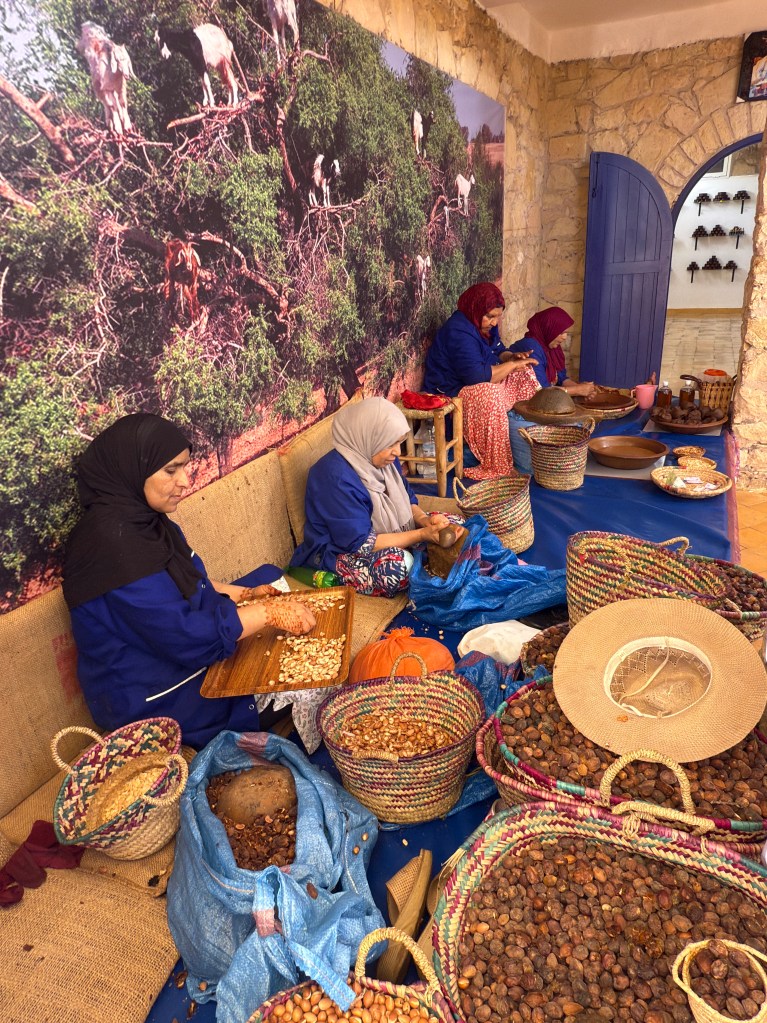
Next stop was Arganomade; Arganomade is a women-run argan oil cooperative near Essaouira, Morocco, renowned for its authentic, high-quality argan oil and traditional products like amlou and argan honey. Visitors can tour the cooperative to see the entire production process, from hand-cracking the nuts to pressing the oil, and learn about the sustainable, waste-free methods used. Buying directly from Arganomade supports local women with fair wages and economic independence, while ensuring you receive pure, genuine argan products. The cooperative offers a welcoming, educational experience and a meaningful connection to Morocco’s rich Berber heritage.

Argan oil is so costly because it’s truly rare and painstakingly crafted. The argan tree grows only in a small corner of Morocco, and each drop of oil is the result of hours of skilled, manual work – harvesting, cracking the hard nuts, and pressing the precious kernels. It takes around 40 kilograms of fruit and up to 20 hours to produce just one litre. Add to this the oil’s global demand and the fact that it supports local women’s cooperatives, and it’s easy to see why argan oil is often called “liquid gold.”

The making of argan oil is a meticulous, multi-step craft. First, the argan fruit is collected and sun-dried until the outer fleshy husk can be removed. Beneath lies a hard inner shell, which is cracked open by hand to reveal the small, precious kernels within. These kernels are then either gently roasted (for culinary oil) or left raw (for cosmetic oil), before being slowly cold-pressed to release the golden oil. Each stage, from husk to kernel to oil, is carried out with care, yielding a product as rare as it is exquisite.

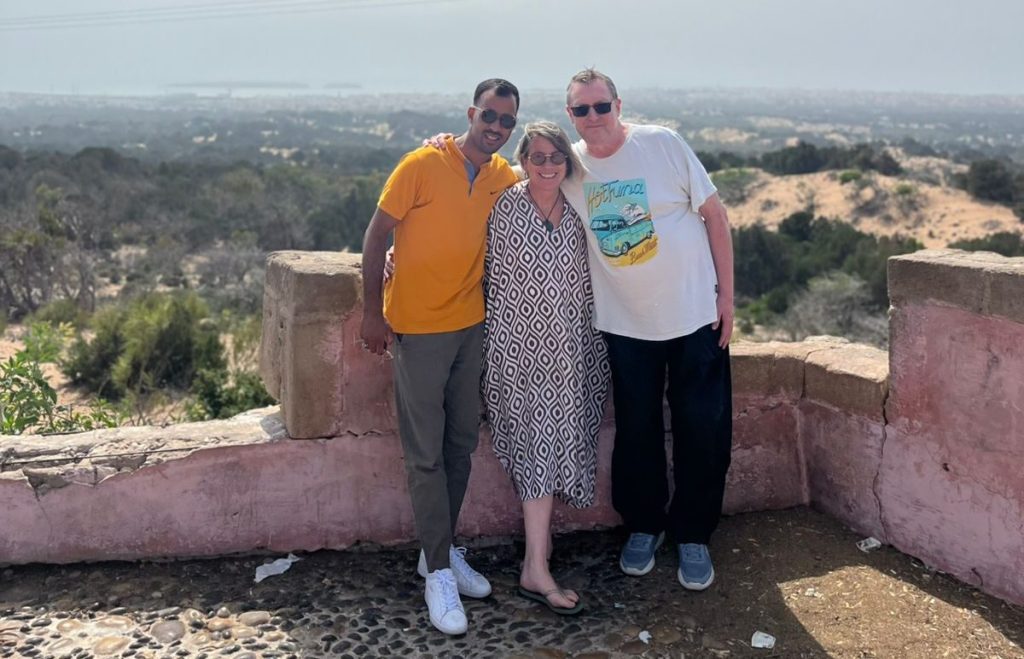
As we approached Essaouira it was warm but misty, we had a photo stop at the The best panoramic viewpoint overlooking Essaouira known locally as the “Panorama d’Essaouira” or “Belvédère d’Essaouira,”. It’s found on a hill along the N1 road just a few kilometres outside the city. This popular stop offers sweeping views of the medina, the historic ramparts, and the Atlantic coastline, making it a favourite for travellers and tour groups arriving from Marrakech. While it doesn’t have an official monument or sign, simply asking for the panoramic viewpoint or “belvédère” will lead you to this breath-taking vantage point for that iconic first glimpse of Essaouira from above.

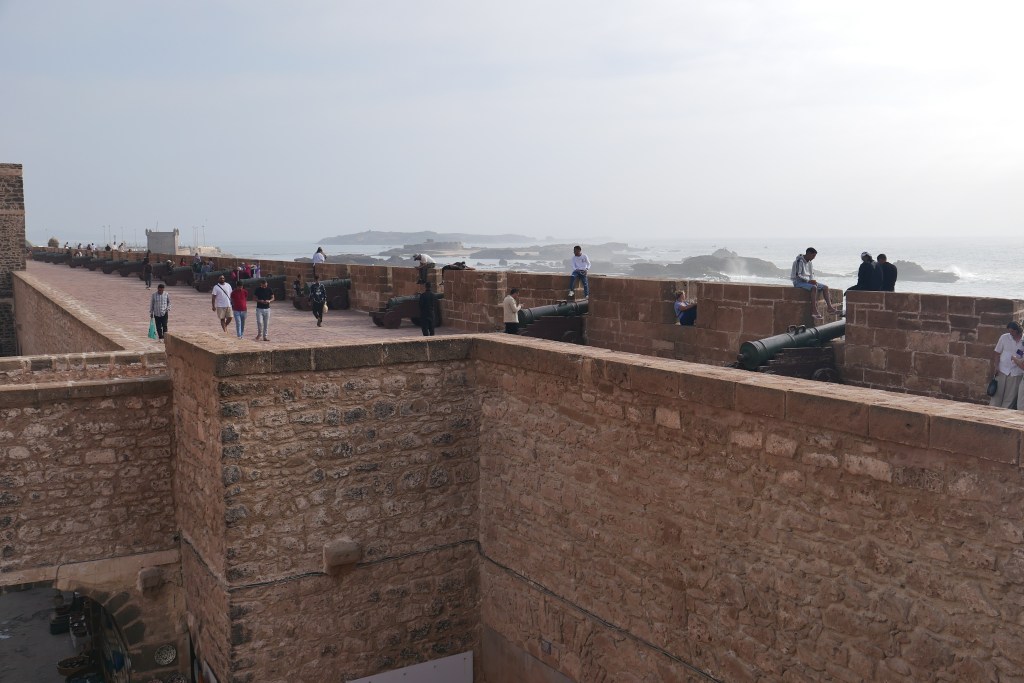
In the mid-19th century, Essaouira’s bastions faced the thunder of European warships, most notably during the French bombardment of 1844, when cannons like this one stood ready to defend the city from attack. Today, as I framed my photograph down the length of an old gun barrel, fishing boats dotted the distant sea – peaceful silhouettes where once hostile ships might have loomed. The contrast between the tranquil life of fishermen and the city’s dramatic, war-torn past is a vivid reminder of Essaouira’s enduring spirit.

Disappointed by the lack of decent guidebooks on Essaouira, I took matters into my own hands and had crafted a personal guide, brimming with must-see locations – each chosen for its history, culinary allure, photogenic charm, or simply as a window into daily Moroccan life. My list included the windswept Skala de la Ville, its cannons overlooking the Atlantic just a ten-minute stroll from Riad Malaika; the lively Moulay Hassan Square, perfect for people-watching and only five minutes away; and the bustling fish market, a sensory feast less than fifteen minutes on foot. With dinner reserved for 21:00 at Butterfly Space, a vibrant local restaurant at 16 rue Laalouj just around the corner from my riad, I set out to explore Essaouira’s treasures, each step promising a new story and a deeper connection to this enchanting coastal city.

Essaouira’s port is the city’s beating heart – a place where centuries of maritime history, multicultural exchange, and daily life converge. From dawn, fishermen haul in their catch of sardines, red prawns, and lobster, while the air fills with the irresistible aroma of street food: fish grilled over charcoal and seasoned with chermoula, served simply with cumin and harissa. The port’s bustling fish market is a sensory feast, where locals and visitors gather at communal tables to share the freshest seafood, echoing the city’s tradition of breaking bread together, something Amanda and I did the following day.

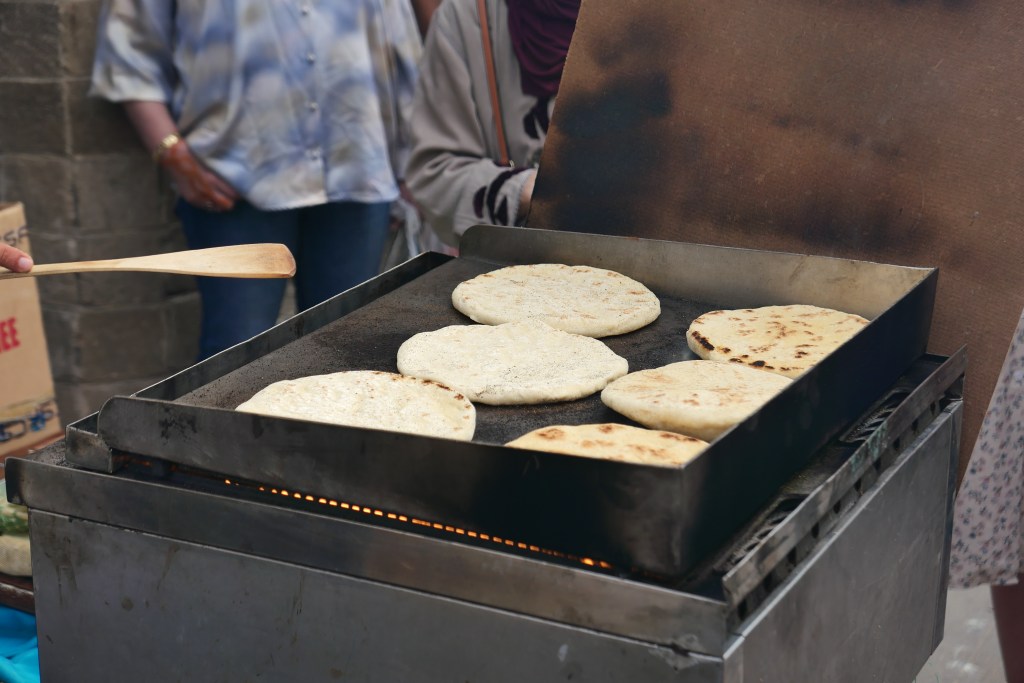
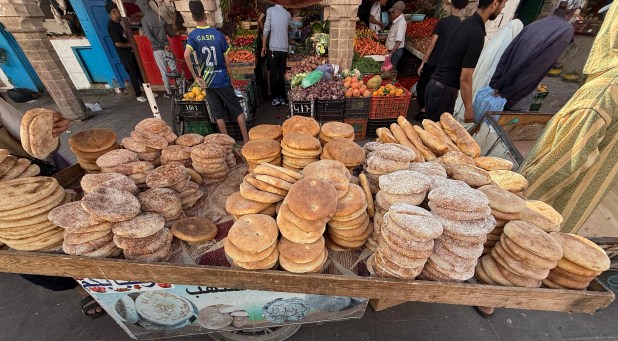
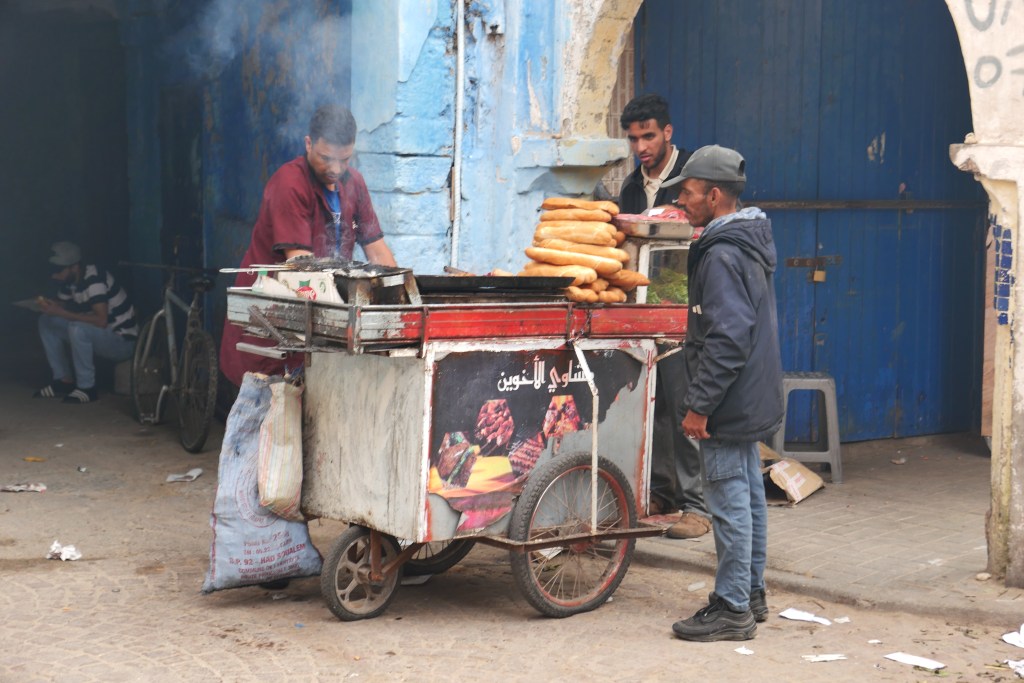
Beyond the port, Essaouira’s medina and markets are alive with colour and energy. Vendors in the souks offer everything from msemen (flaky flatbread) and sweet chebakia to fragrant spices and hand-carved thuya woodwork. Bab Marrakech’s market square is a hub for street food – grilled brochettes, merguez sausages, and spongy baghrir pancakes – while the artisan quarters overflow with textiles, ceramics, and silver jewellery. These markets are more than places to shop; they are living museums of Essaouira’s cultural blend, where Berber, Jewish, Arab, and European influences meet in every bite and every bargain.

The port’s significance reaches far beyond commerce. Its blue boats, built with traditional Berber techniques, are iconic symbols of the city, and its ramparts – lined with cannons bearing Spanish and Dutch crests – speak of a dramatic past. Today, the port and its markets remain the soul of Essaouira, a crossroads where the rhythms of the sea, the sizzle of street food, and the vibrant pulse of local life come together in a uniquely Moroccan harmony.

The medina of Essaouira is a living symphony, its winding blue-and-white lanes alive with the pulse of daily life. I wandered through this enchanting maze, eager to capture its every nuance – the salt-laden sea breeze mingling with the scent of spices, the laughter of children darting between market stalls, and the hypnotic rhythm of artisans shaping thuya wood into treasures. I paused to watch street vendors expertly ladle batter onto hot plates, conjuring up golden baghrir pancakes, their honeycomb surfaces glistening in the afternoon light. Every corner offered a new vignette: a fisherman mending his nets, a weaver at her loom, the gentle hum of conversation beneath the ancient ramparts.

Respectful of local traditions, I moved quietly, letting the city’s soul seep into my own. As the sun dipped lower, painting the medina in warm, golden tones, I felt my feet ache and my hunger grow insistent. Drawn by the promise of a good meal and the comforting glow of Butterfly Space just around the corner, I made my way through the bustling streets. Though it was only 19:00, I was ravenous—ready to feast not just on the food, but on the magic and spirit of Essaouira itself, a city that sings in every stone, every scent, and every smile..

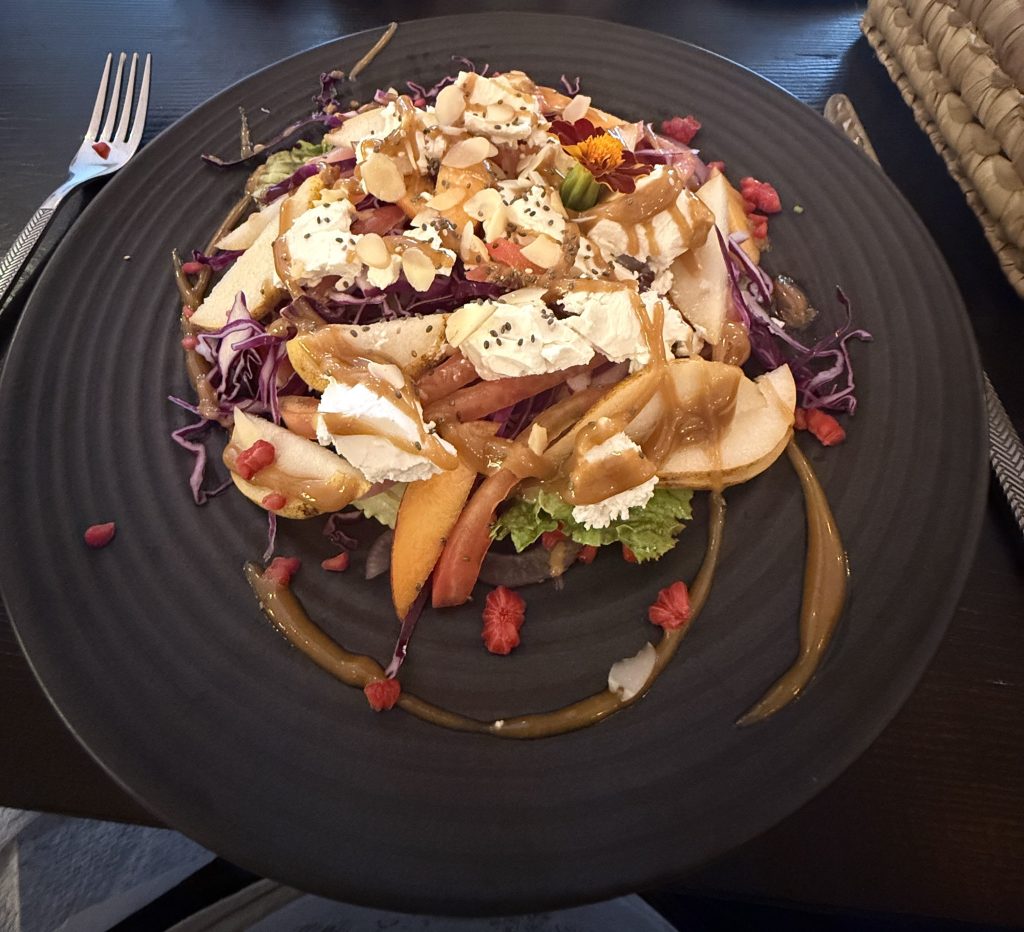
Thinking about the days ahead, my mind danced with possibilities – Essaouira’s reputation for culinary delight had already set my expectations soaring. Butterfly Space welcomed my spontaneous change of plans with effortless grace, and soon I found myself at a table, anticipation building. My meal began with a goat cheese and honey salad that arrived with the grandeur of a main course.

The plate was a vibrant canvas: crisp lettuce and ribbons of red cabbage mingled with juicy slices of pear, each bite crowned with creamy, tangy goat cheese and drizzled with golden honey. Scattered throughout were bursts of sharp-sweet raspberry and a generous sprinkling of toasted nuts, adding both crunch and complexity. Every forkful was a revelation – fresh, harmonious, and utterly satisfying. In that moment, I knew without doubt: Essaouira had worked its magic once again, serving up the best salad I have ever tasted!

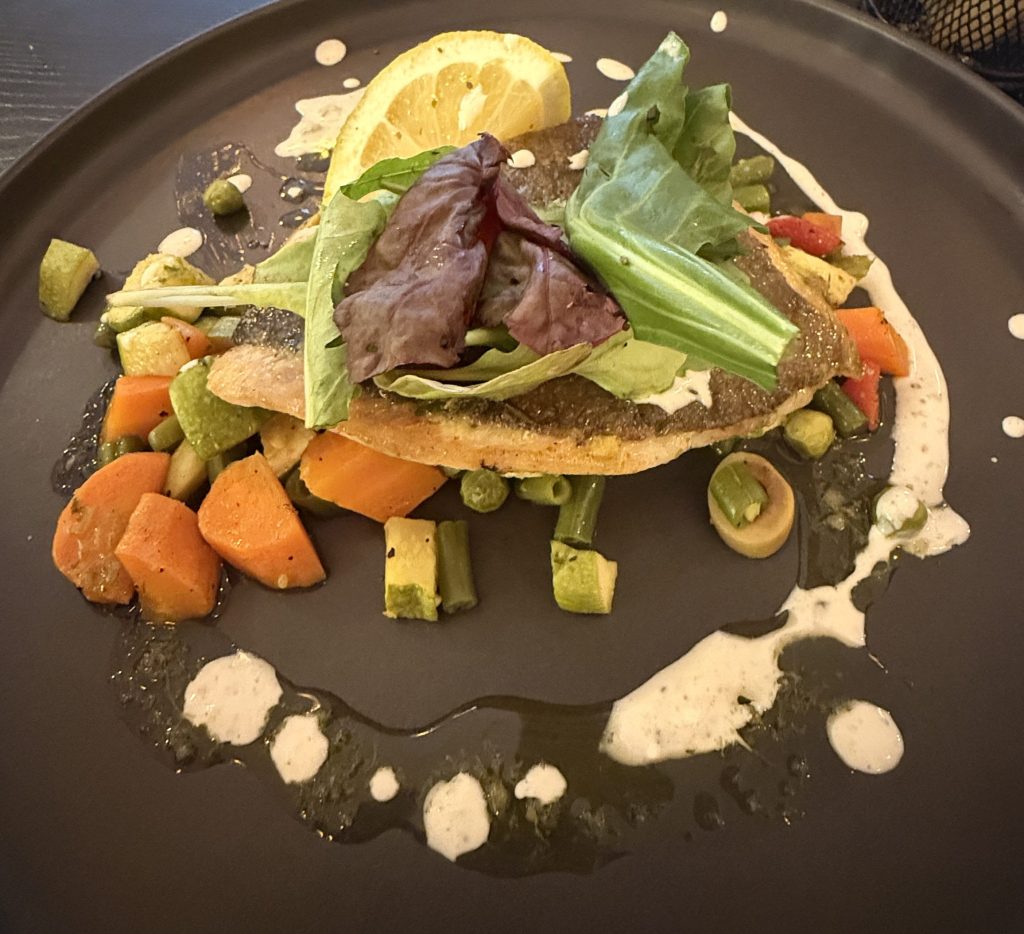
The main course I chose was a fillet of John Dory – delicate in flavour and simply presented – accompanied by a colourful array of vegetables and a generous portion of potatoes, cut finer than classic fries and served in a charming chip basket. As a devoted fish lover who often cooks it at home, I noticed the fillet was just a touch overdone for my preference, though it remained thoroughly pleasant. Perhaps I’m being overly particular; at the equivalent of just £13, it was exceptional value for such a prized fish. Out of curiosity, I later researched John Dory prices in the UK and found that a dish like this would easily cost more than two and typically over three times as much at most reputable restaurants. All in all, it was a memorable meal—one that spoke to the honest, unpretentious charm of Essaouira’s dining scene.

As I wandered back to Riad Malaika, the gentle evening breeze carried with it the echoes of the past two days – though time seemed to blur, stretching with the richness of each experience. My mind drifted through sunlit alleyways, the laughter in the medina, the sizzle of street food, and the salt tang of the Atlantic air. I found myself replaying the warmth of every encounter: the genuine smiles, the easy generosity, and the infectious good humour of the Moroccan people in Essaouira. Had it really been just two days? It felt as if I had stepped into a story that had always been waiting for me, woven from kindness, colour, and the timeless rhythm of the city by the sea.

…………………………..Until next time…………………l8ers………………..
Earthquakes, Amazigh and Souks – An Adventure in Morocco (Day 1)

It was the dawn of January 2025, and a restless energy stirred within me. Work had been exhilarating -truly rewarding – but the relentless pace of the past few months left my mind yearning for a change of scenery. I count myself incredibly fortunate to have a family who not only understands my passions but celebrates them. As a gesture of gratitude, they gift me an annual passport to adventure: a chance to slip away on my own and immerse myself in new cultures and flavours. This cherished tradition began in 2013 with a soul-stirring journey to Puglia, and each year since, it has become my way to recharge, reflect, and rediscover the world – and myself.
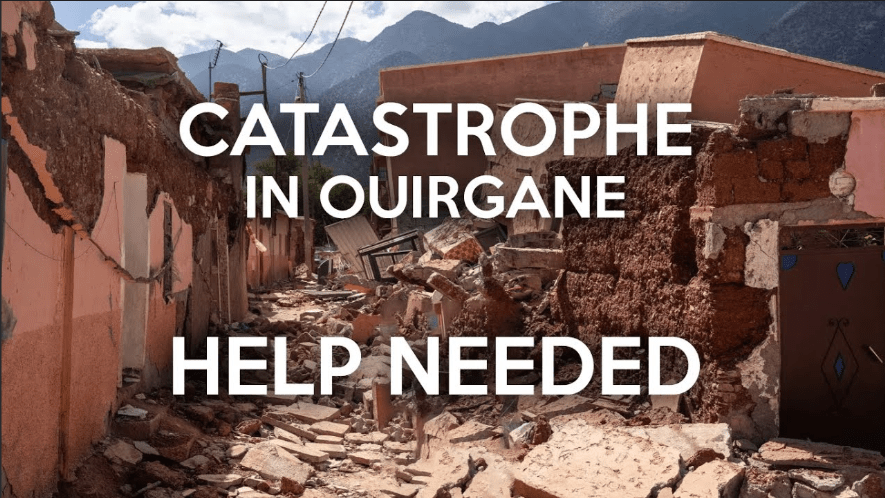
In the early hours of September 8, 2023, the tranquil mountain communities near Dar Tassa were shaken to their core by Morocco’s most powerful earthquake in over a century. Centered in Al-Haouz province, this magnitude 6.9 quake unleashed violent tremors that tore through the High Atlas, toppling centuries-old homes and flattening entire villages nestled along rugged slopes.

The devastation was profound: roads became impassable, isolating survivors and delaying the arrival of aid, while families – many of whom depended on livestock and small-scale tourism, were left to sift through rubble in search of loved ones and remnants of their lives. In these remote valleys, where poverty and resilience intertwine, the earthquake’s scars run deep, marking a tragedy that will shape the region’s future for generations. There were at least 30 deaths in the village of Tassaouirgane, my 1st stop on my next food and culture trip.

I usually take great pride in crafting my own journey – my last adventure to Venice was a labour of love that unfolded over more than a year of meticulous planning. This time, however, I didn’t have the luxury of endless months; I was determined to set out in May or June. After hours of scouring the internet, a handful of enticing options emerged. Morocco had already captured my imagination based on a previous trip, but finding someone I could trust to meet my exacting standards was another matter entirely. I pour not just money, but precious vacation time and anticipation into these escapes, so choosing the right partner was essential. In the end, my decision hinged on responsiveness and intuition – who replied swiftly, and who truly understood what I was seeking?

So Morocco are a small, independent UK registered ‘Moroccan’ Holiday company providing high-quality, private tours of Morocco. Looking through the itineraries I found the kind of ‘vibe’ I was looking for so I quickly fired off an email to see what could be done within my budget, the response was impressive both in speed and content.

By mid January the contract was sealed, a few emails, a couple of adjustments and the itinerary was set. I booked my flights to make sure that I could get to Morocco and back, and now had a 5 day two centre trip, with my own driver (actually two), and the continued services of one Amanda (Chef/Guide), and wow, was she something extra extra special as all will become clear. The trip aligned with the end of Eid al-Adha.

Eid al-Adha, the Festival of Sacrifice, is a radiant celebration of faith, compassion, and unity observed by Muslims worldwide. Marking the culmination of the Hajj pilgrimage, it honours Prophet Ibrahim’s devotion and willingness to sacrifice, reminding us of the virtues of selflessness and gratitude. Families gather in joy, sharing festive meals and acts of charity, weaving together tradition and togetherness in a spirit of peace and generosity.

Linda, the owner of So Morocco also has a couple of other Morocco focussed businesses, Walking with Nomads and My Nomadic Kitchen each of their experiences promises a truly unique “off-grid” adventure, either venturing into the Sahara, or new food learning opportunities, from comprehensive showcase meal lessons to quick spice mix demos and snack preparations for your next picnic lunch. Experience the authenticity of Moroccan cooking by preparing meals over hot coals, savouring the flavours in their most natural state. .

The range of options is wonderfully diverse—spanning different locations, budgets, durations, and activities – yet every journey is designed to be sustainable in nature and gentle in its impact. Whether you find yourself living alongside nomadic tribes, learning from rural craftspeople, connecting with remote cooperatives, or engaging with pioneering professionals, environmental conservation remains at the heart of every trip. The impact is multi-layered, nurturing Morocco’s delicate natural heritage with genuine respect and care.

I’d be honoured to introduce you to Haj Brahim our host for the 1st evening, owner of Dar Tassa. The title “Haj” (also spelled “Hajj” or “El-Haj”) in the name Haj Brahim is a mark of deep respect in many Muslim cultures, including Morocco, signifying that Brahim has completed the sacred pilgrimage to Mecca – one of the Five Pillars of Islam and a profound spiritual achievement. Adding “Haj” before a name honours both religious devotion and community esteem.

After the pilgrimage, men are called “Haj” and women “Hajja,” followed by their given name. The name “Brahim” is the Arabic form of Abraham, a revered prophet in Islam, Judaism, and Christianity, symbolizing faith and devotion. Thus, “Haj Brahim” means “Abraham, who has performed the Hajj,” reflecting both spiritual accomplishment and a name rich in tradition. He was a beautiful kind soul that had spent 30 years in the UK, and had a brilliant sense of humour.

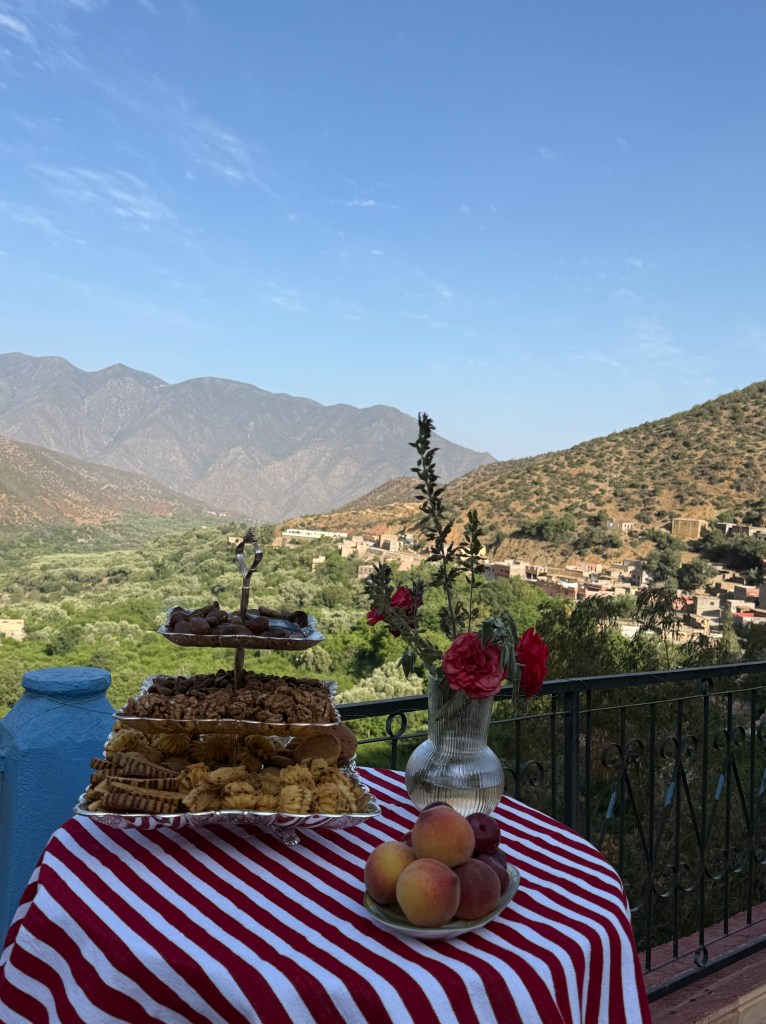
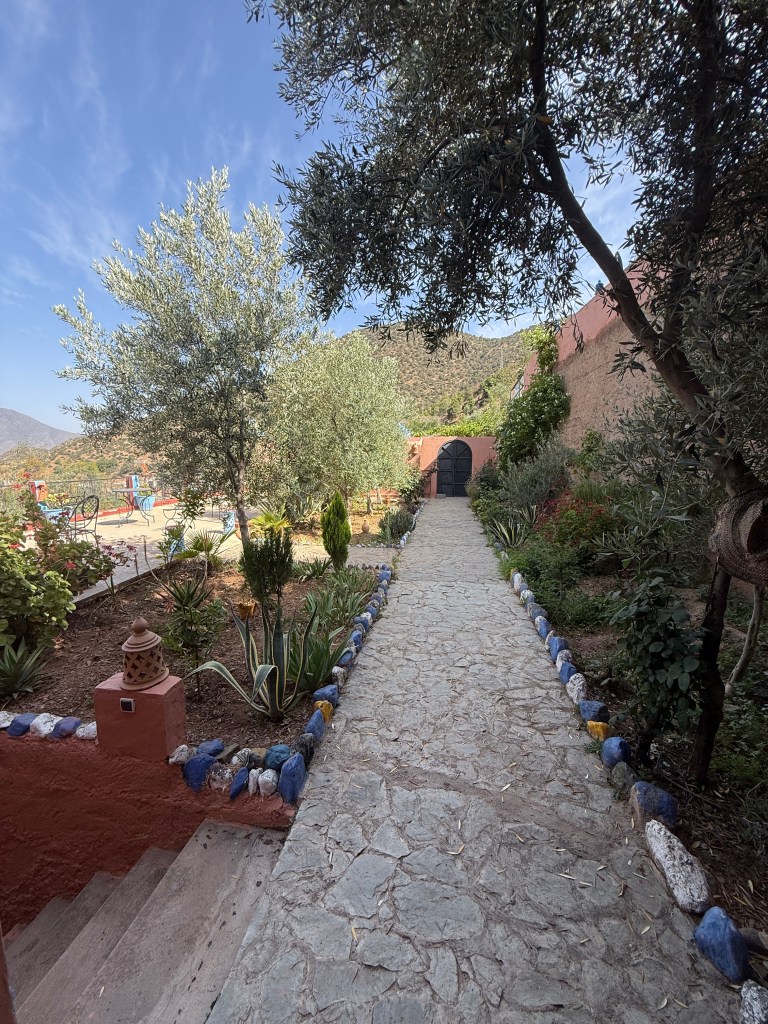
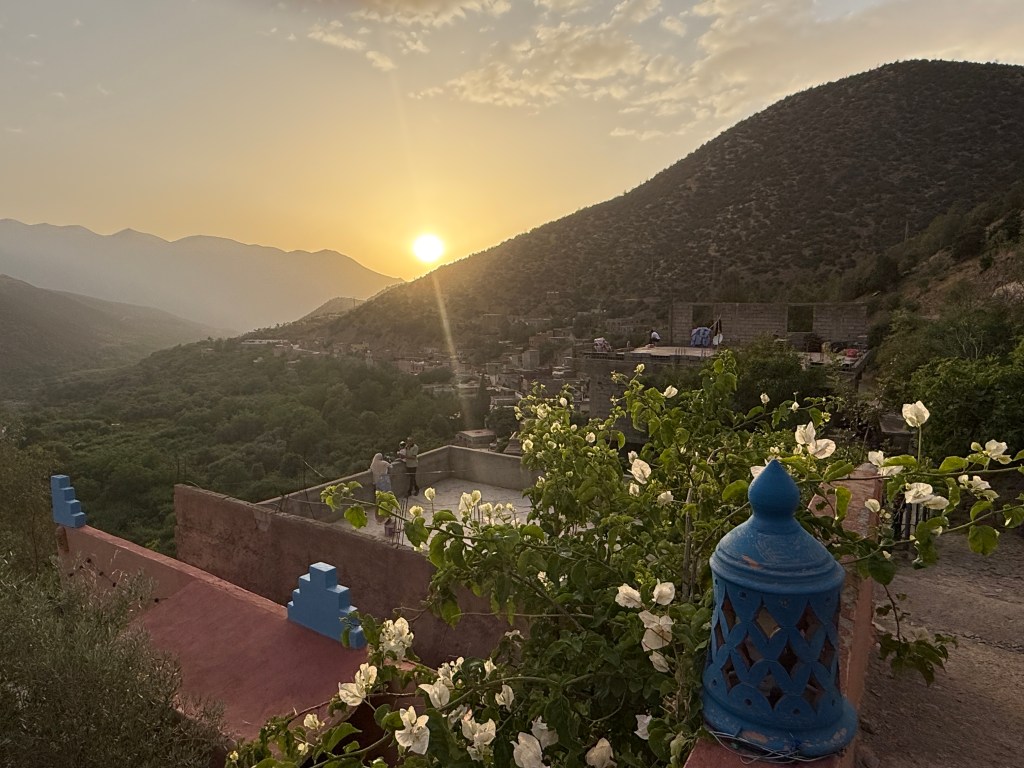
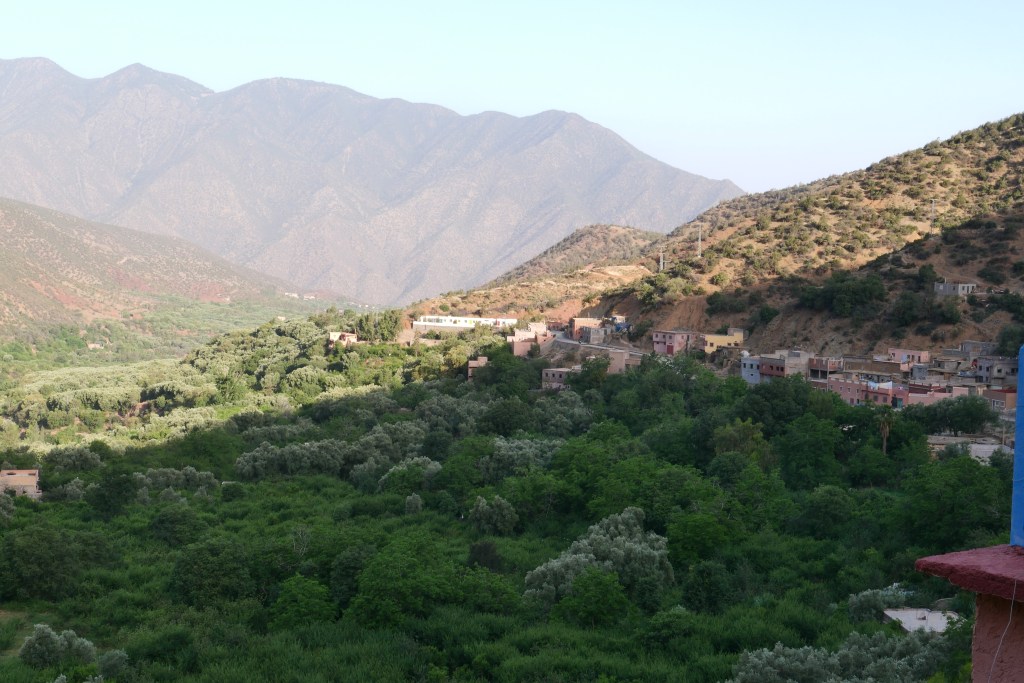
Nestled in a tranquil corner of Toubkal National Park, just over an hour from Marrakech, Dar Tassa is an eco-friendly mountain retreat whose name – “The Home of Motherly Love” – captures the warmth and welcome that awaits every guest.

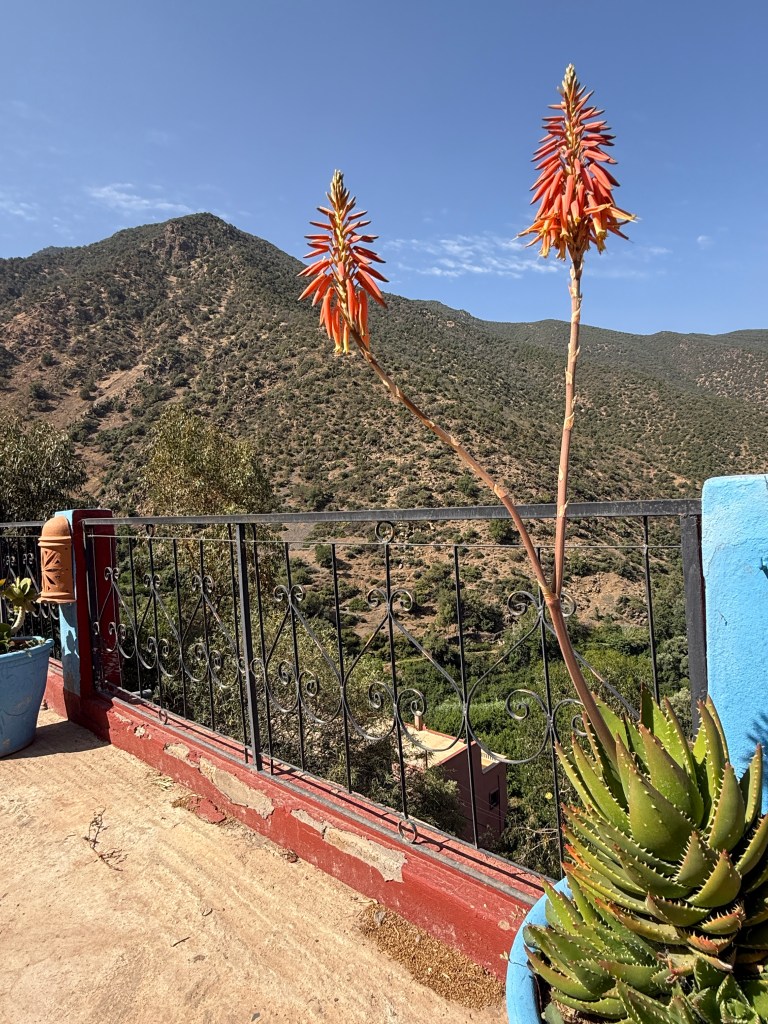
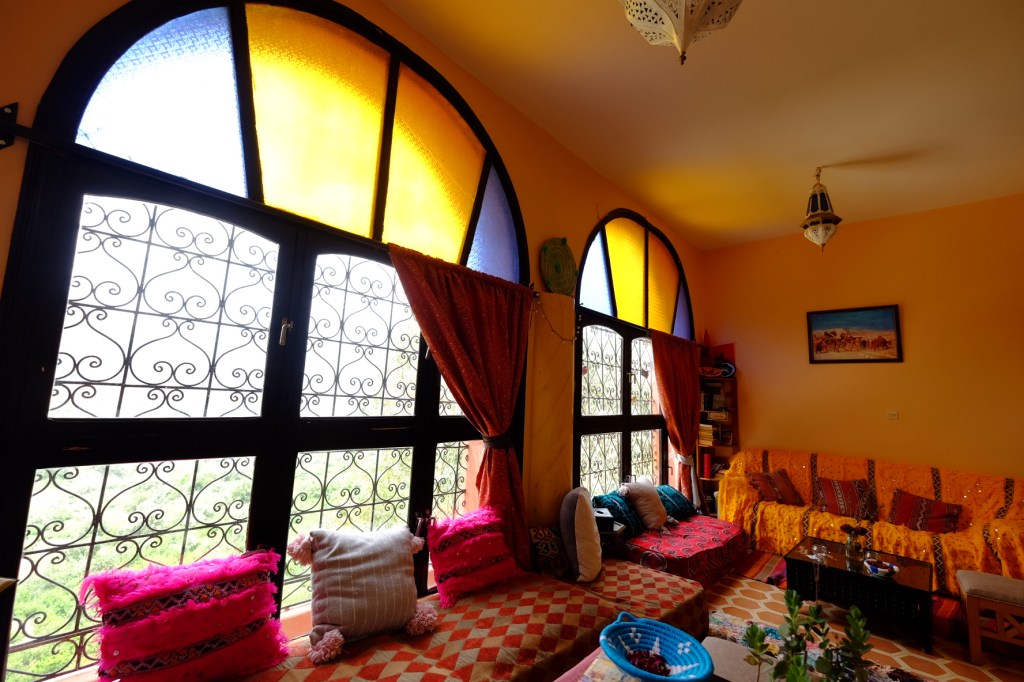
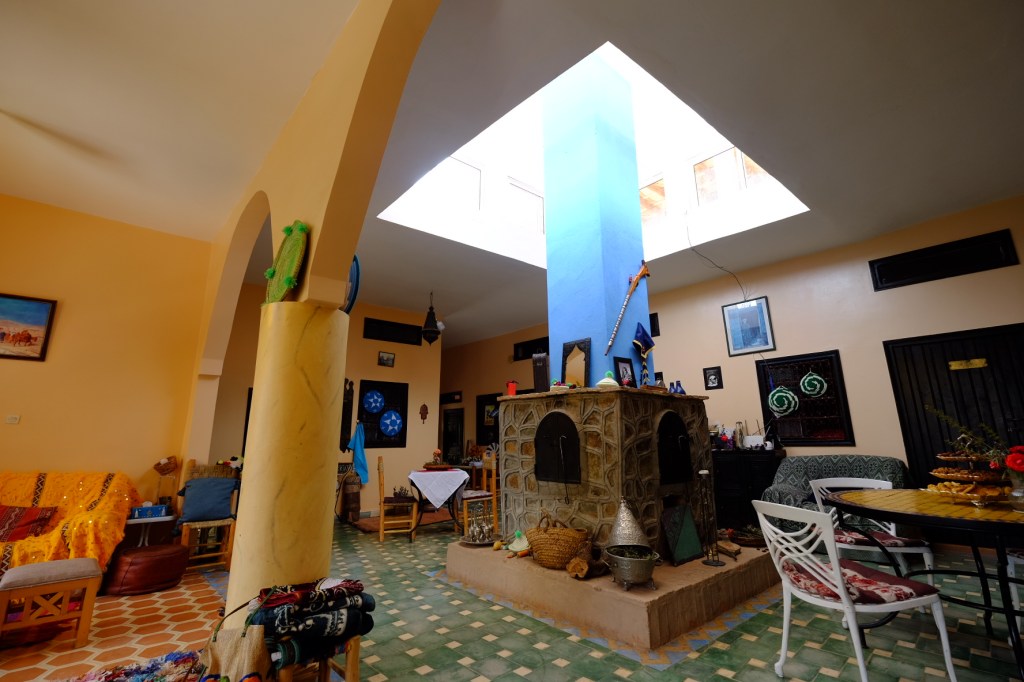
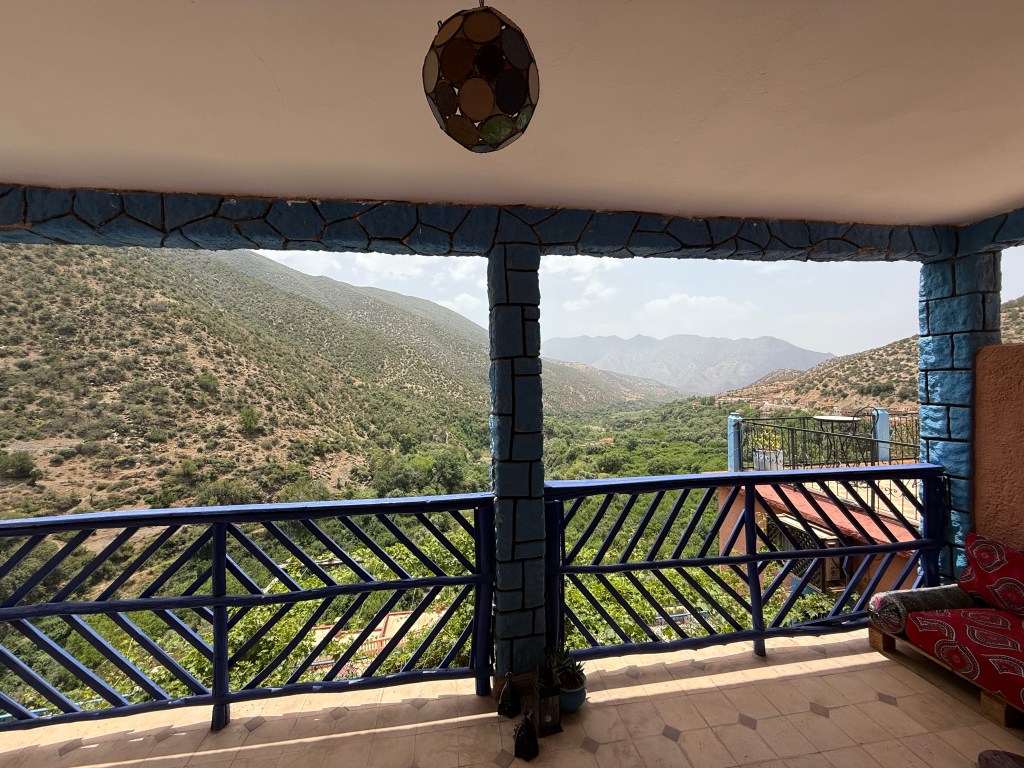
Framed by soaring Atlas peaks and wild, unspoiled nature, this charming guesthouse offers a haven from city life, blending modern comforts with the timeless hospitality of the Berber people. Floor-to-ceiling windows flood the interiors with light and breath-taking mountain views, while the soothing fountain at its heart invites quiet reflection. Whether you seek gentle strolls through the valley, exhilarating alpine adventures, or simply a peaceful terrace to savour traditional Moroccan cuisine, Dar Tassa is a doorway to both relaxation and discover – a place where “marhaba” is not just a greeting, but a way of life.

As we arrived, Haj Brahim greeted us with a warm smile and a gesture steeped in tradition “hleb b tmar” (حليب بالتمر) or “halib bil tmar”- a glass of cool, creamy milk accompanied by plump, sweet dates. This simple offering, cherished by the Amazigh as a symbol of welcome and blessing, was his way of sharing both hospitality and heritage. In that gentle moment, the spirit of the mountains and the generosity of their people were beautifully, deliciously revealed.

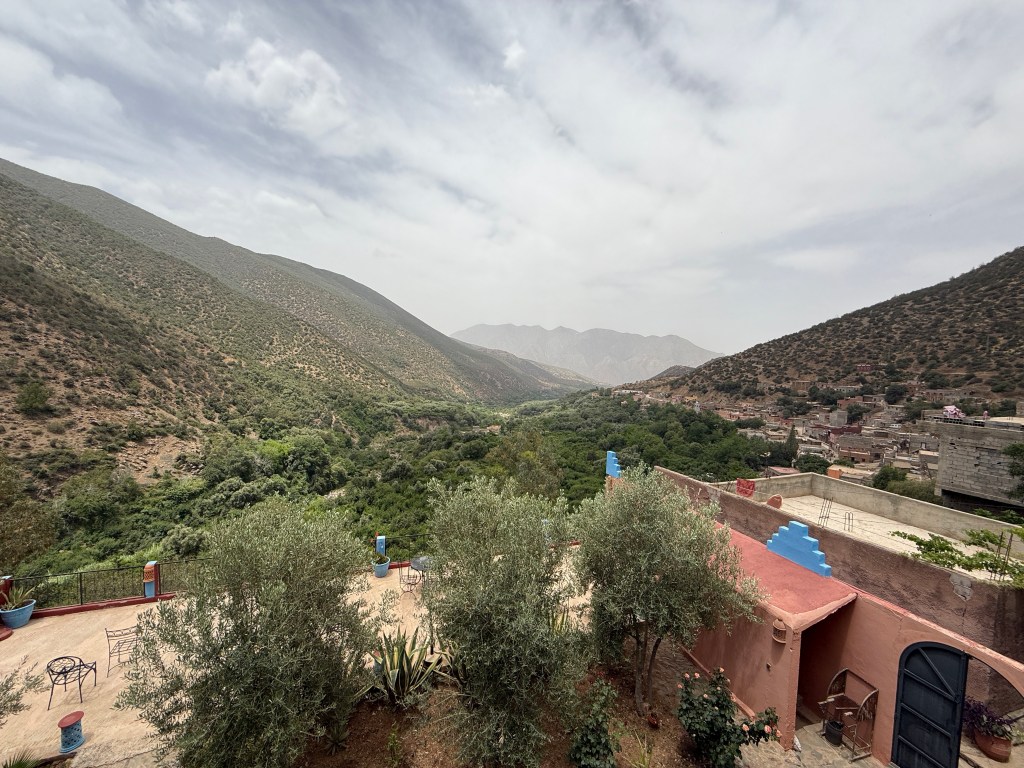
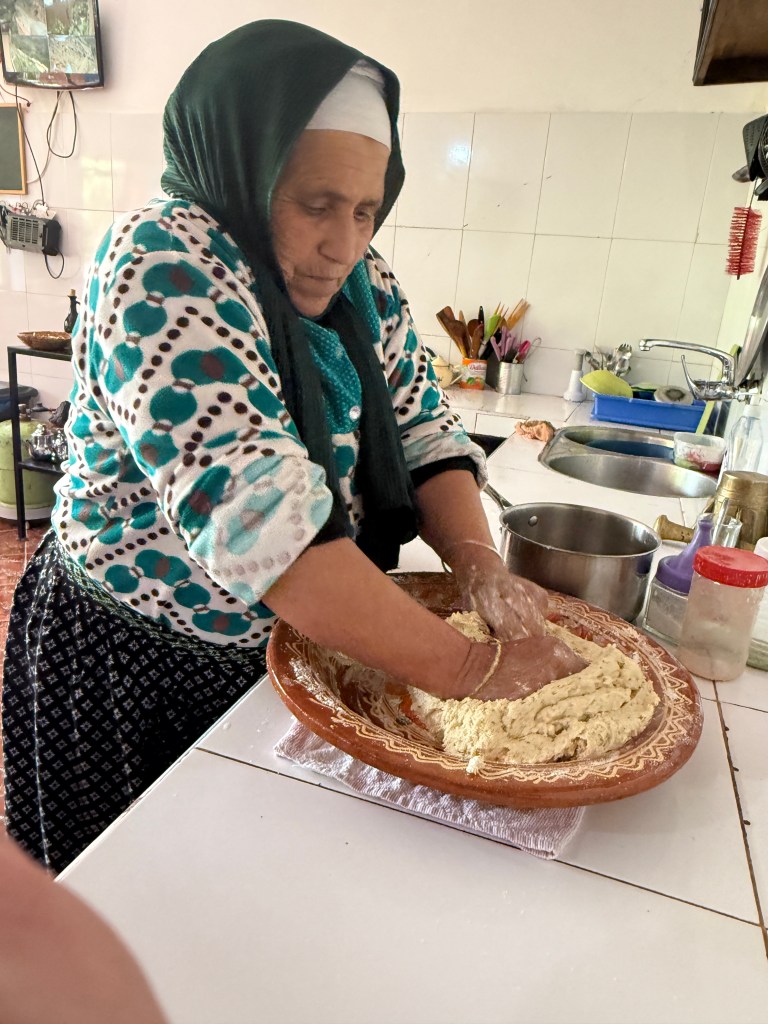
I was shown to my room – Studio Toukbal – the finest suite available, boasting a breath-taking view that swept down the valley, a panorama so stunning it felt almost otherworldly. After a delicious lunch – one so memorable I forgot to photograph it in my eagerness for the adventures ahead – I began my afternoon with a captivating demonstration: the art of crafting a unique, traditional bread.

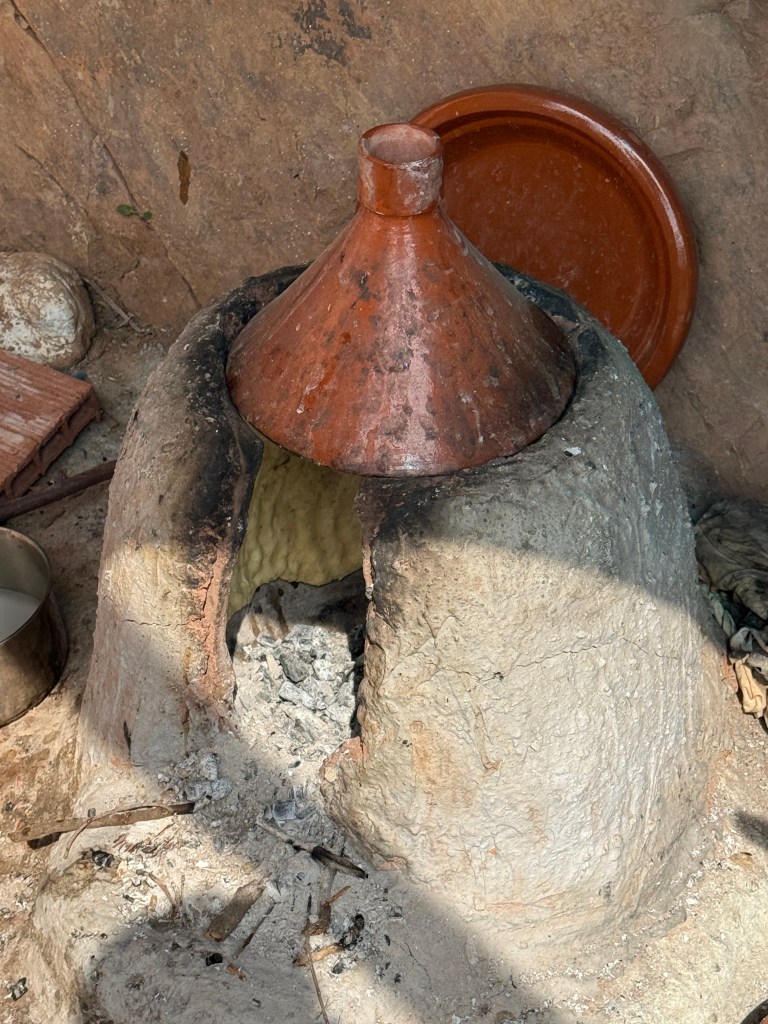
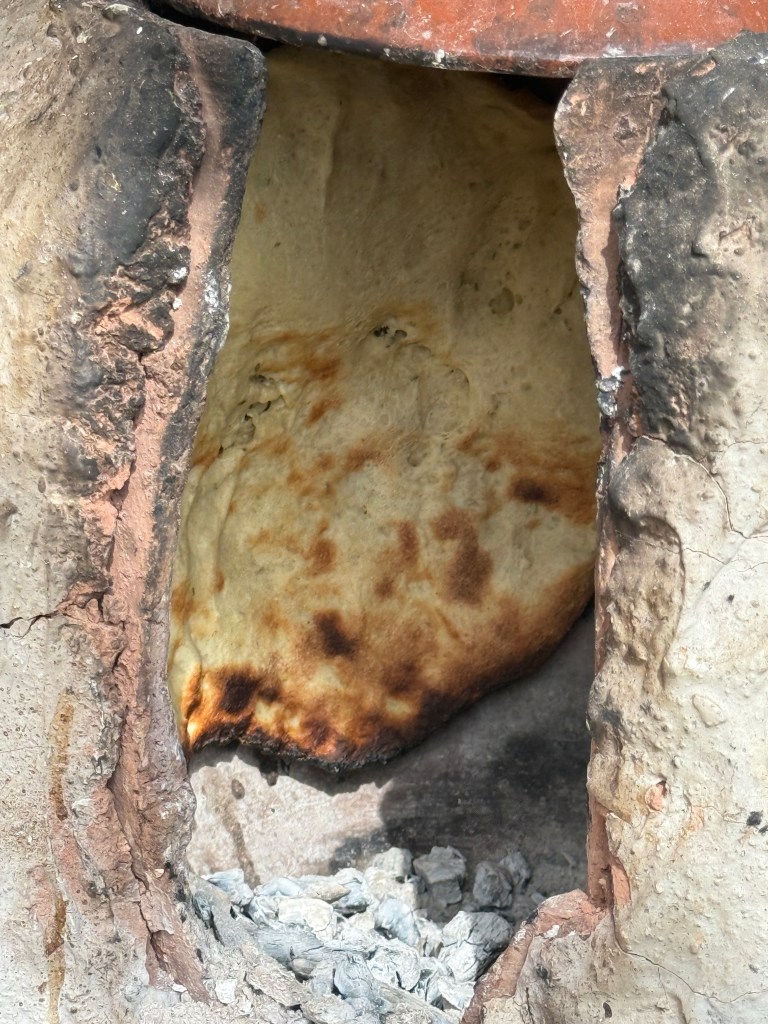
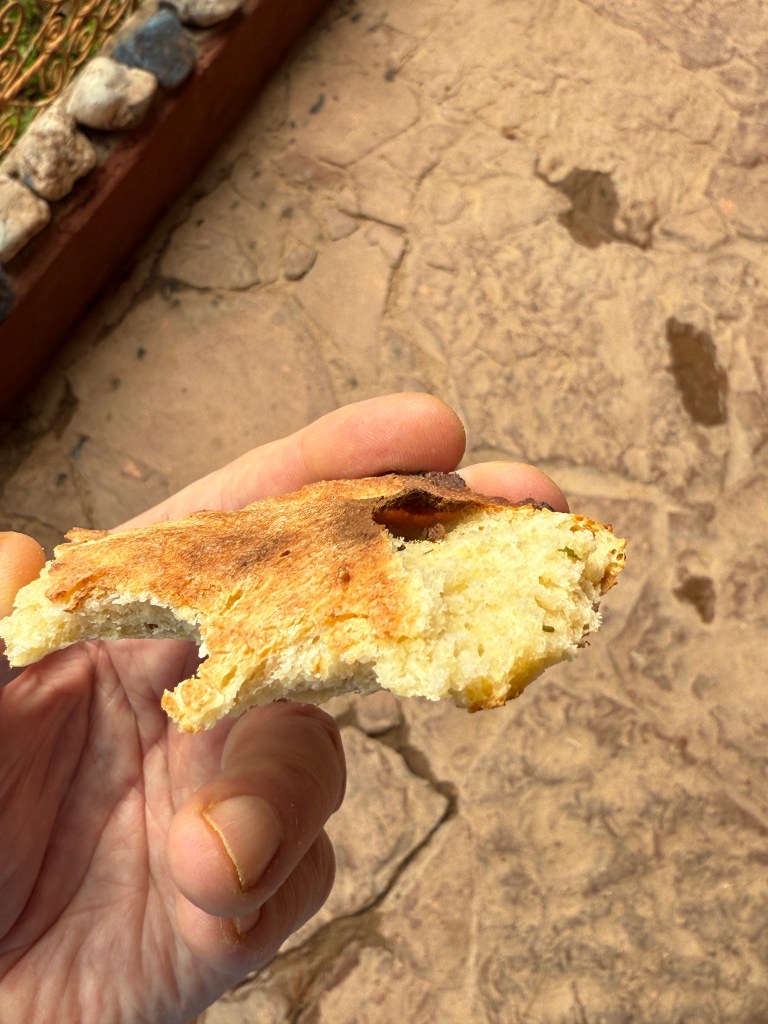
In the High Atlas Mountains, the Amazigh – Morocco’s indigenous Berber people – bake their beloved ‘tanort’ bread in a clay wood-fired oven called a ‘takat’. This rustic flat round loaf, enriched with aromatic fennel seeds, is a hallmark of Amazigh hospitality. The name “Amazigh” means “free people,” and their bread, with its golden crust and fragrant, smoky flavour, beautifully embodies the warmth and enduring spirit of their mountain culture. It was delicious.

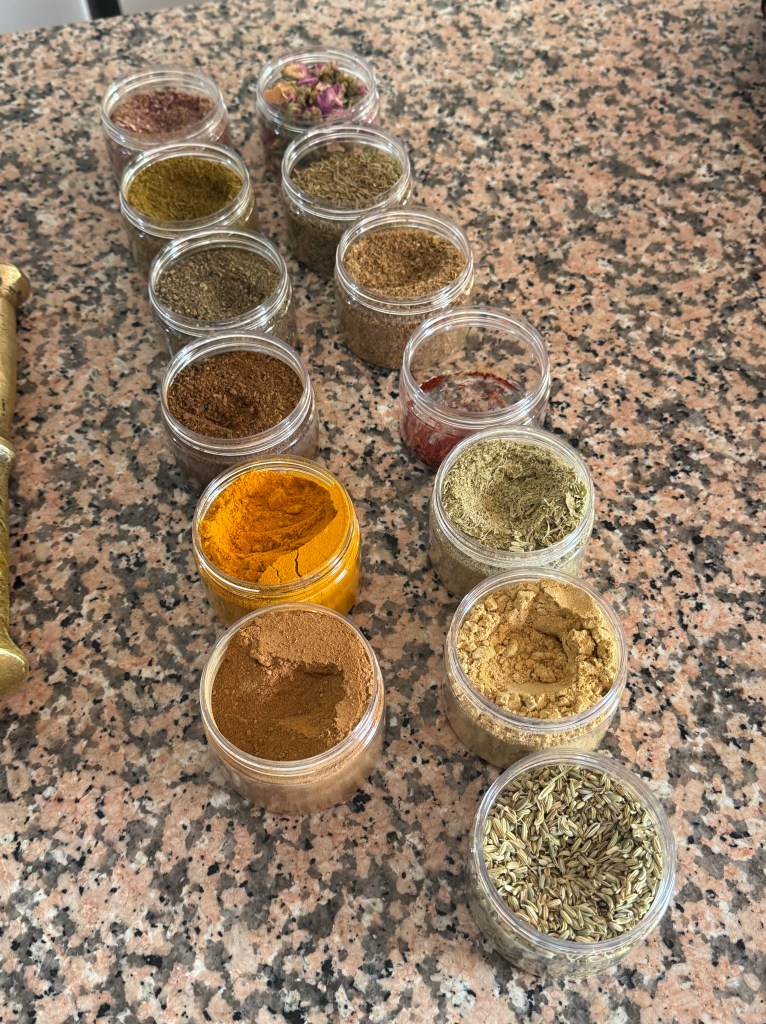
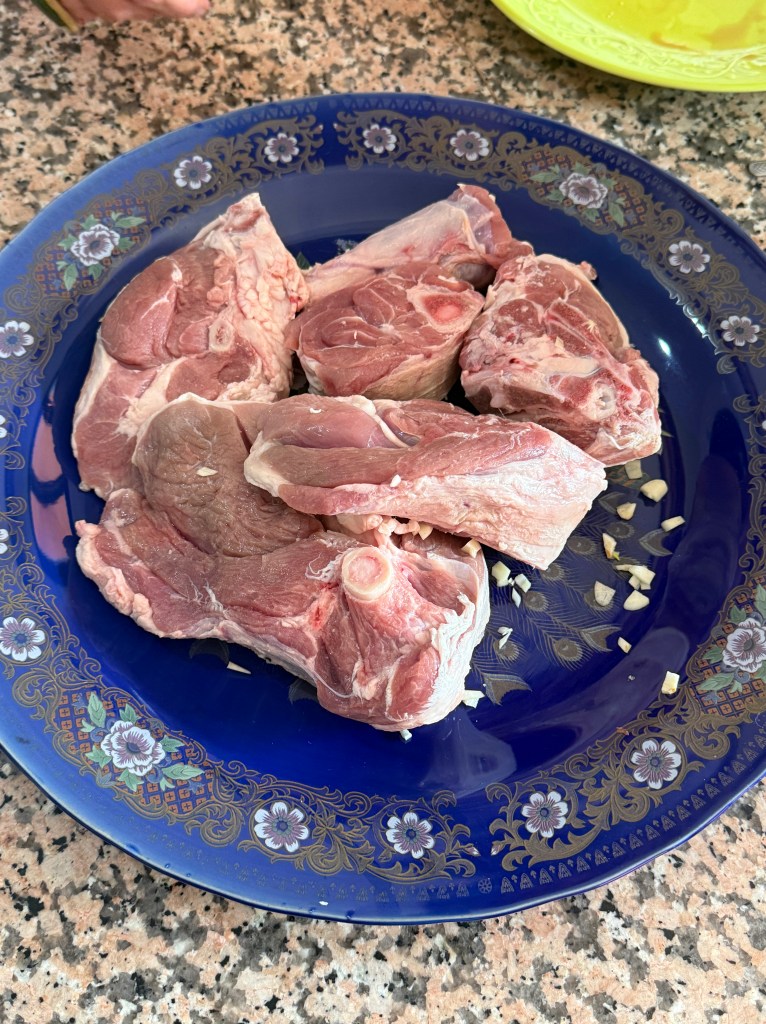
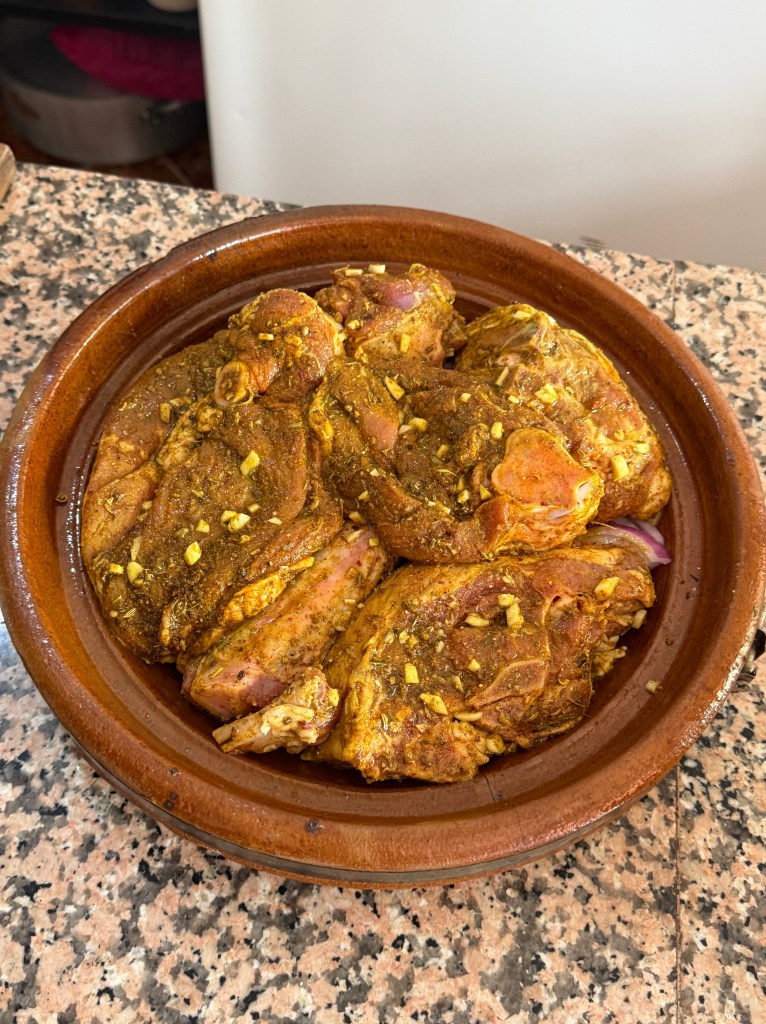
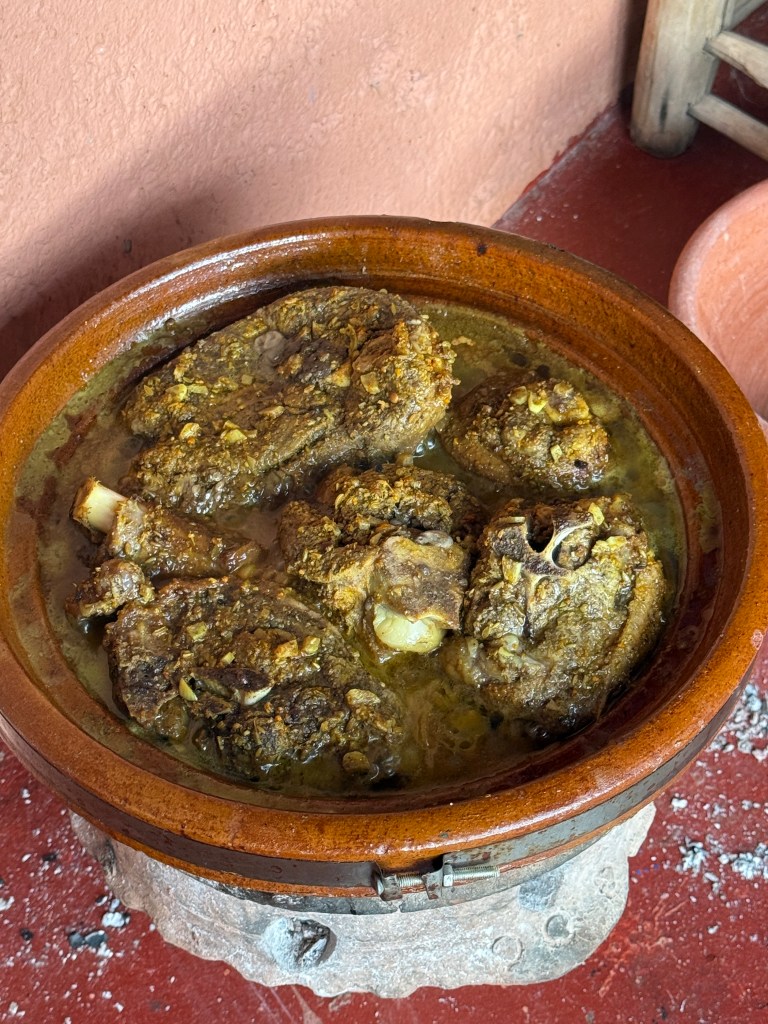
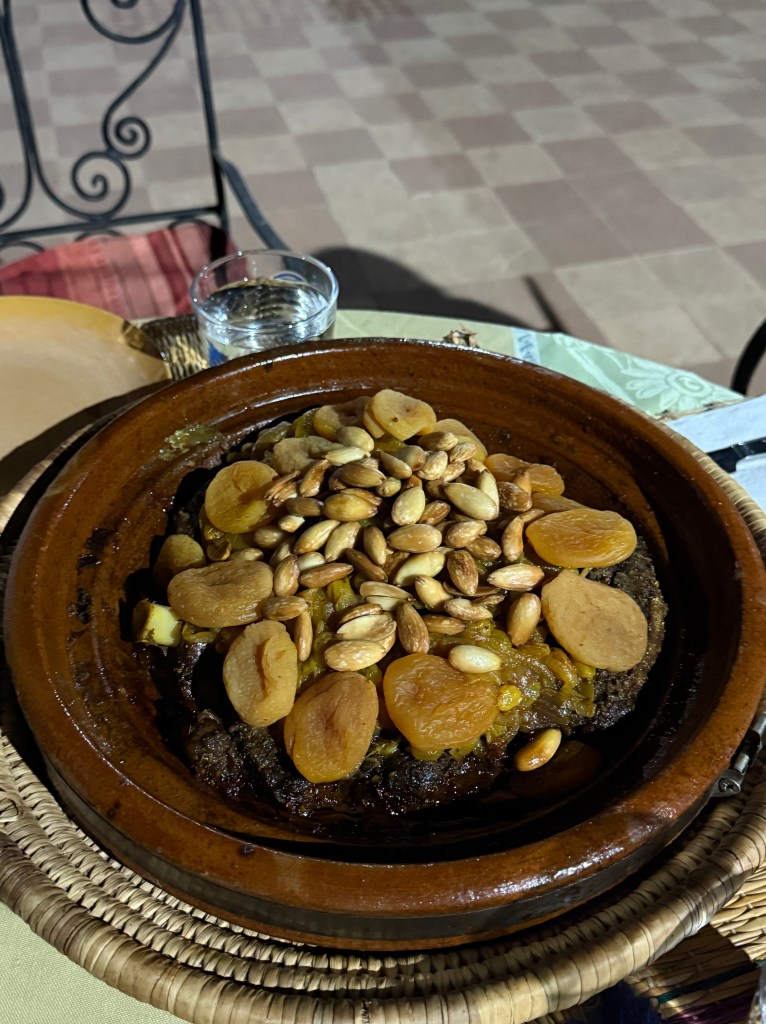
Amanda, the extremely gifted New Zealand chef who has called Morocco home for over twenty-three years, welcomed me into the Dar Tassa kitchen in Tassaouirgane with genuine warmth and expertise. Against the backdrop of the Atlas foothills, she showed me how to craft a goat tagine, using her own homemade, organic ras el hanout – a fragrant blend of rose petals and mountain spices.

As the tagine started to simmer, Amanda’s stories of embracing Amazigh traditions and sustainable living mingled with the rich aromas, making the experience a true celebration of Moroccan heritage and her remarkable culinary journey. It was 16:23 when we started the cooking process, placing the Tagine on its stand, known as a majmar (مِجْمَر) which in Moroccan Arabic literally means a brazier or charcoal burner.

As the Tagine simmered gently, filling the air with the promise of rich, layered flavours, Haj Brahim invited us to stroll through the village -a place marked by both the scars of the 2023 earthquake and the resilience of its people. Wandering the quiet paths, we witnessed not only the visible traces of destruction but also the heartfelt efforts to rebuild and restore the community’s spirit. On this poignant afternoon, at the close of the Muslim festival, I hesitated to take lots of photographs, sensing that no image could truly convey the emotional weight of what we experienced. Some moments, I realized, are best preserved in memory, where their true significance quietly endures. The image above vividly reveals the volcanic past, with the distinctive shapes of ancient molten rock visible near the centre at the top.

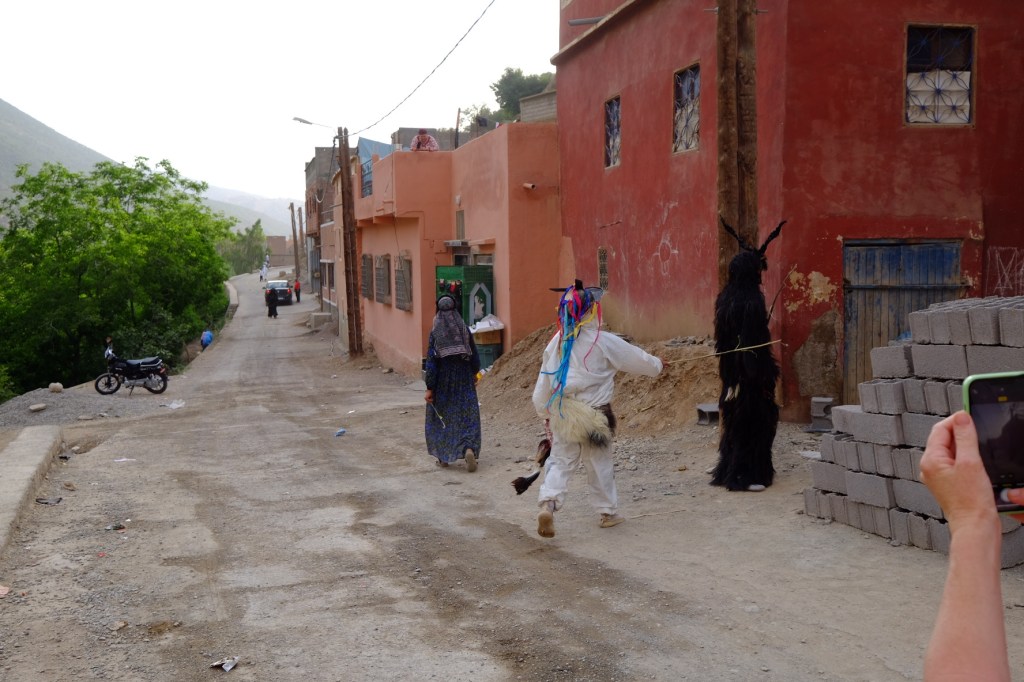
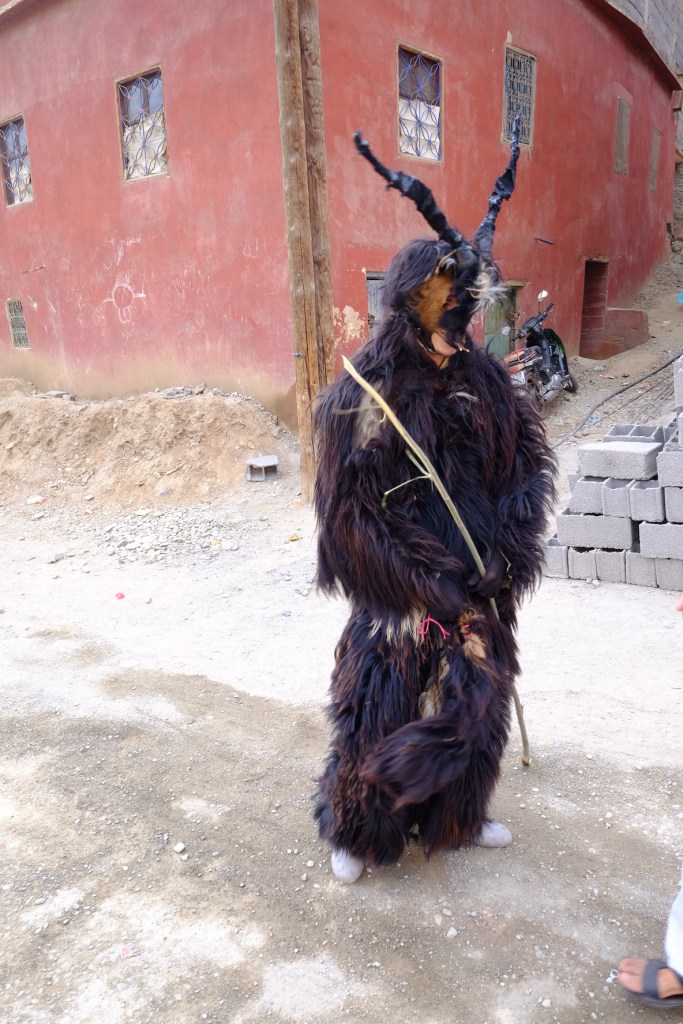
Bejloud, also known as Boujloud or Bilmawen, is a vibrant Amazigh (Berber) festival celebrated in Morocco after Eid al-Adha. Participants, often young men, dress in the pelts of sheep or goats sacrificed for Eid, don masks or paint their faces, and parade through the streets with music, dance, and playful antics. Sometimes called “Morocco’s Halloween,” Bejloud has roots in pre-Islamic rituals celebrating nature’s cycles and the balance of good and evil. The festival blends theatrical performance, social commentary, and communal blessing, as those in costume interact with the crowd, believed to ward off evil spirits and bring good fortune. Today, Bejloud remains a cherished tradition, uniting communities in joy and connecting them to Morocco’s rich cultural heritage.

As we wandered through Tassaourigane, we were greeted with warmth at every turn – villagers celebrating, children laughing and fleeing the playful ‘men with horns’, and joy filling the streets. Out of respect, I took just one photograph, with our host’s permission, capturing a home that had in some way, only just weathered the 2023 earthquake.

Soon, a local youth leader and his brothers, known to our host, beckoned us in for coffee. We followed them into a simple home with visible cracks, fixed with mortar, where we sat together on a large open terrace soaking in the setting sun behind us, and taking in the genuine hospitality of these humble, kind-hearted people, a memorable experience never to forget.

It was time to carry on the walk, our Tagine was cooking and we still had some places to see. I am going to leave the afternoon in the air, the village of Ouirgane is beautiful, and at the start of the Jebel Toukbal trail, I subsequently discovered a close friend, an artist had stayed there, in the same Dar Tassa in 2009.

Just as we were about to gather around the table and savour our Tagine, a sense of anticipation filled the air. The security cameras flickered to life, revealing lights weaving their way along the path. From the terrace, we glimpsed flashlights bobbing in the darkness, heard voices approaching, and caught the distant, hypnotic beat of a drum. Haj Brahim turned to us with a smile and asked if we would welcome visitors. With eager hearts, we agreed—and in that moment, we were graced with the magic of Bejloud. Before our eyes, the ancient celebration unfolded: vibrant costumes, rhythmic drumming, and spirited dancing transformed the night into a living tapestry of tradition. The hand-beaten drums echoed through the air, drawing us into the heart of Moroccan culture. It was a truly unforgettable experience, a rare and wonderful gift that connected us to the soul of the community.

As our newfound friends melted into the night, their laughter and the distant pulse of Bejloud drums lingering on the breeze, a gentle calm settled over us. It was time to gather and savour the Goat Tagine, which had been quietly simmering since 16:23, its rich aroma weaving through the air like a promise. After five and a half hours, the meat was impossibly tender, yielding at the slightest touch. By the soft glow of evening, the three of us shared the meal in the timeless tradition – no knives or forks, only the crisp, smoky tafernout bread to cradle each fragrant morsel. The food was exquisite, but it was the moment itself – bathed in warmth, tradition, and quiet wonder – that made it truly magical.

……………………………………Until next time…………………………..L8ers

Eating Venice, And Generally Avoiding Crowds 3.

I woke up at 04:30 on Monday morning, the excitement of the day was probably flying around my head, beckoning me to get up and start exploring, I took a brief look out the window and went back to bed!

The daily routine repeated itself until departure, Venice is just a wonderful place to explore so I was determined to get as much out of my few days as possible, after putting so much time into planning things. A knock at the door just after 08:00, ‘buongiorno’, breakfast had arrived, perfecto. Fresh Croissant, various bread and conserves, ham and cheese and a Latte, it did the job, I was not in Venice for a ‘fry-up’!

The 1st day was going to be a real test, had my planning process worked, the timings, route etc. Test one was getting a weeks Vaporetto ticket at the local water bus stop, again, there were so many recommendations and comments on social media, I ignored them all, went up to the ticket machine, selected English, 7 Days, inserted the credit card, PIN code, and boom, le ticket arrivé, simples, next stop The Penny Guggenheim Collection for some arty education.

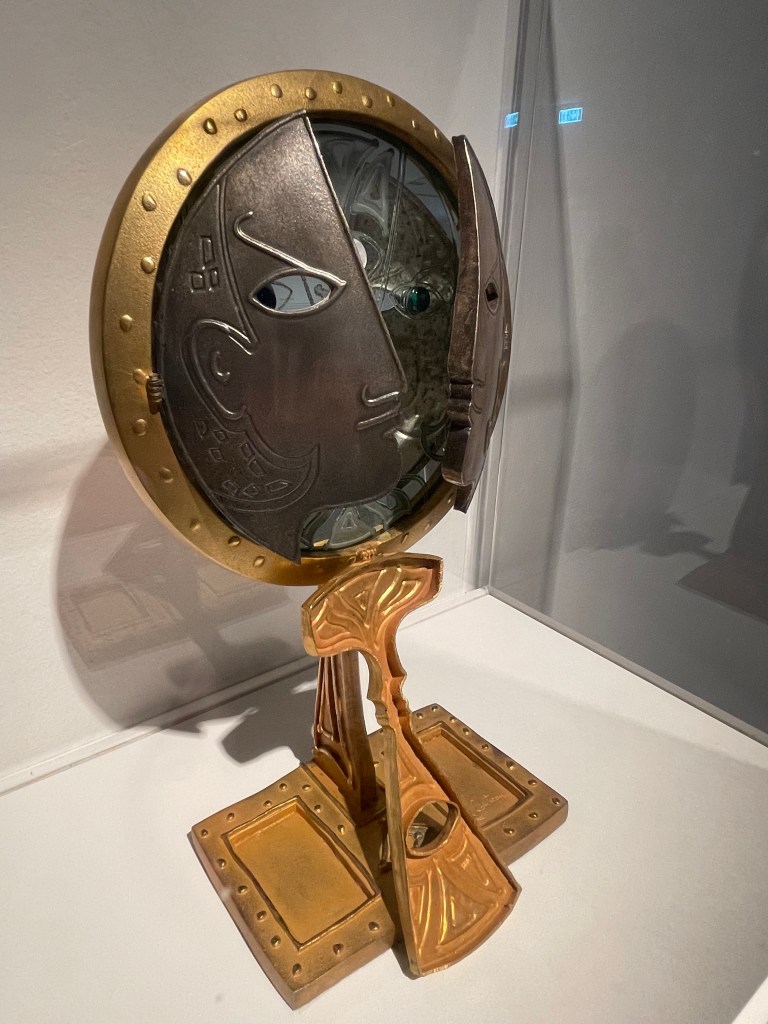
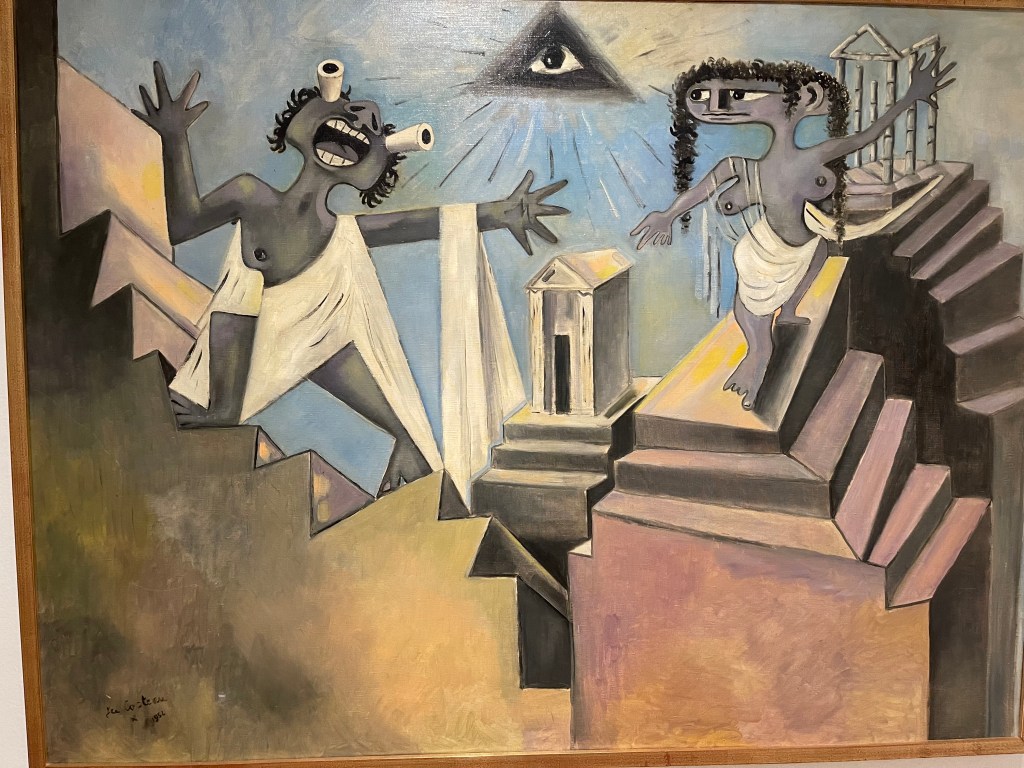
As well as a host of well known names such as Salvador Dali, Henri Laurens, Max Ernst and Pablo Picasso, a special exhibition was being presented, dedicated to Jean Maurice Eugène Clément Cocteau a french poet, playwright, novelist, designer, film director, visual artist and critic. He was one of the foremost artists of the surrealistavant-garde, and Dadaist movements and an influential figure in early 20th century art, and a drug addict! The largest picture in the above gallery is one of his, as is the ‘interesting’ one below, Violinist, Study for a Poster for the Menton Music Festival circa 1920.

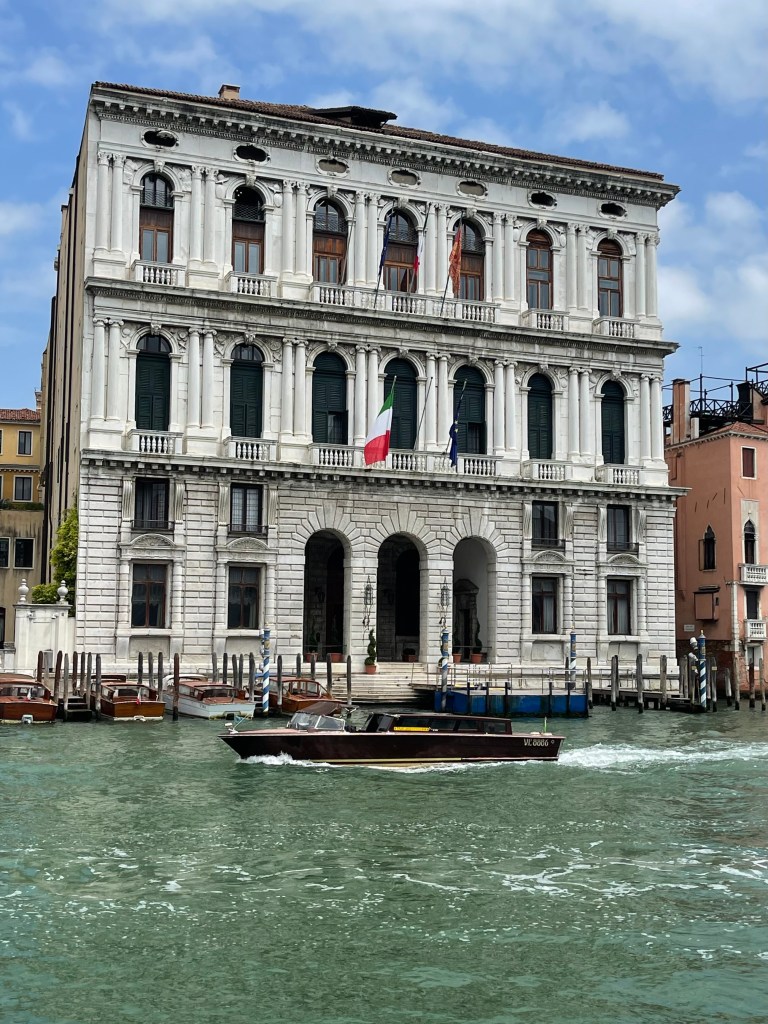
There is a lovely view of the Venice Prefect building ‘canal side’, and a delightful cafe selling homemade delights and serving coffee and tea, oh well, when in Venice.

Much of his work ‘didn’t do it for me’, but there were a few that seemed to be a route into his mind, probably during a drug ‘high’ in some cases, nonetheless I thoroughly enjoyed Penny’s collection and Jean Cocteau was definitely interesting, it’s really worth a visit if you are in Venice, I got a copy of the 257 page guide with the complete collection with pictures, as many are not on display.

During my research I had read a little about the famous Venetian ‘rowing boat’, the Gondoler. These magnificent craft are built by hand, without plans, from memory in a A Squero, a factory dedicated to their production and I was trying to arrange a visit, unfortunately they were so busy, they did not have time to allow a tour but I still made for Squero Di San Trovaso, an iconic location, and cicchetti stop, I was peckish! There is another Squero to the north of the city where you can also arrange a visit, but I found out too late, it’s more of a museum and restoration project though.

Continuing to plan, a trip to one of two Leonardo de Vinci exhibitions, via the Ponte dei Pugni, the ‘Bridge of Fists’ where disputes were settled by a ‘punch up’, I noticed at least three towers in Venice that had varying degrees of lean, fingers crossed they will be sorted before they lean to far and collapse!

Banksy has been to Venice, and managed to paint ‘The Migrant Child’ dated 2019, it’s going to be restored thanks to Italy’s culture ministry, its certainly a tourist stop for those in the know, located at ‘shhhh”, explore and find it yourself, it’s really very poignant.

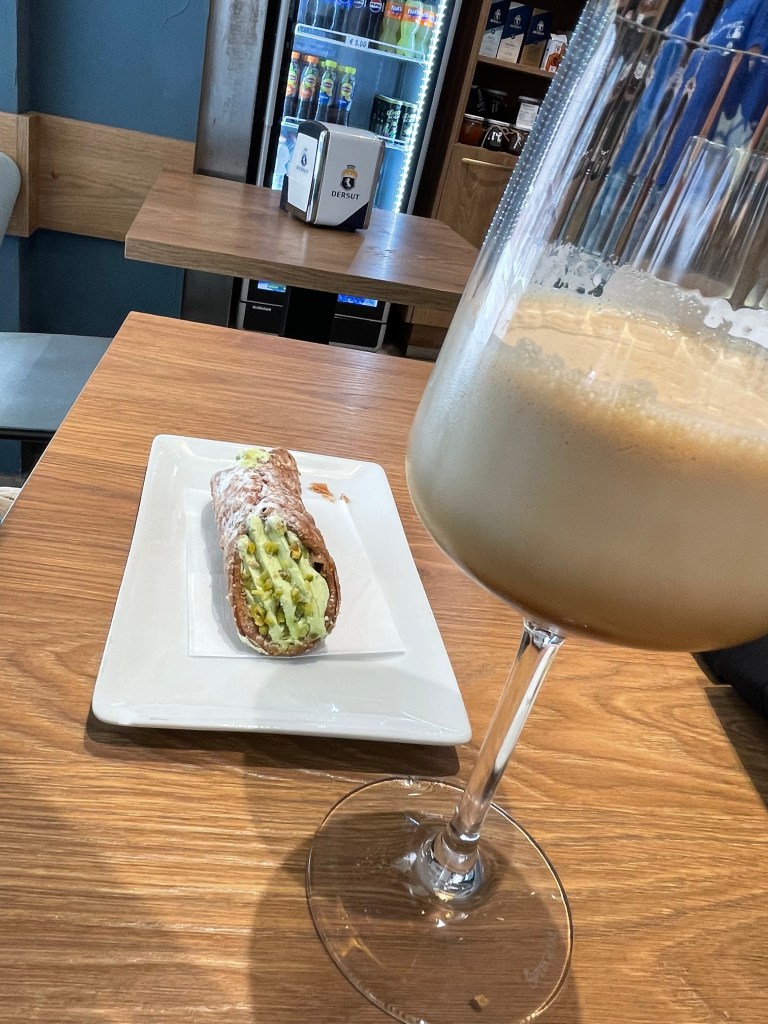
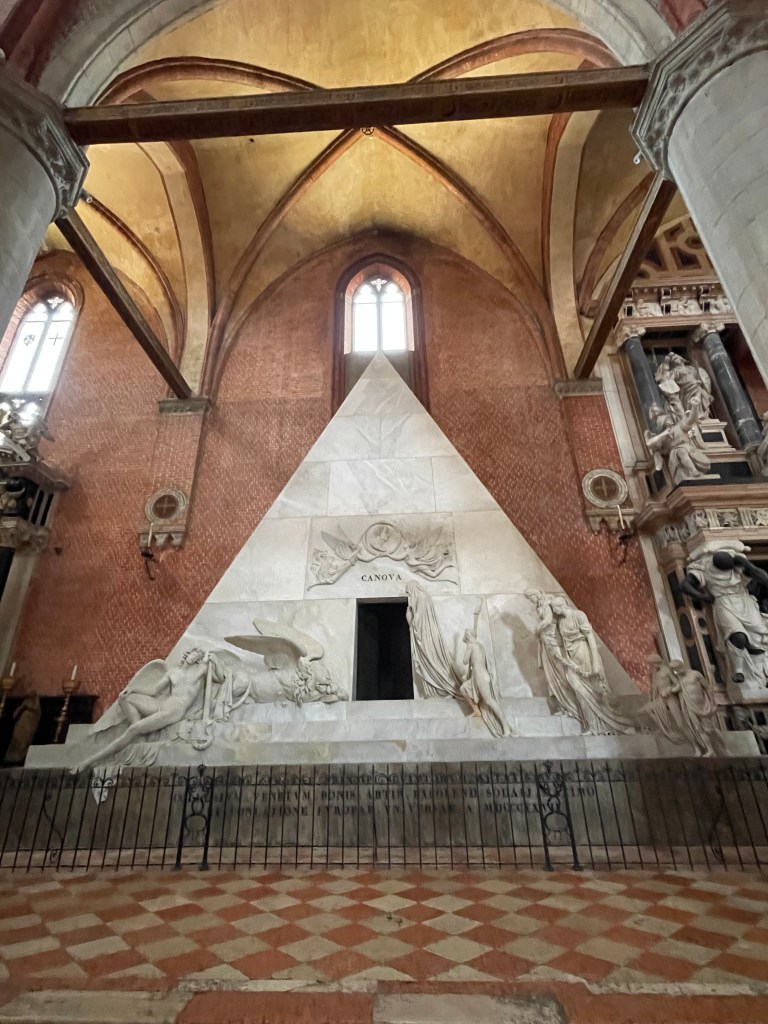
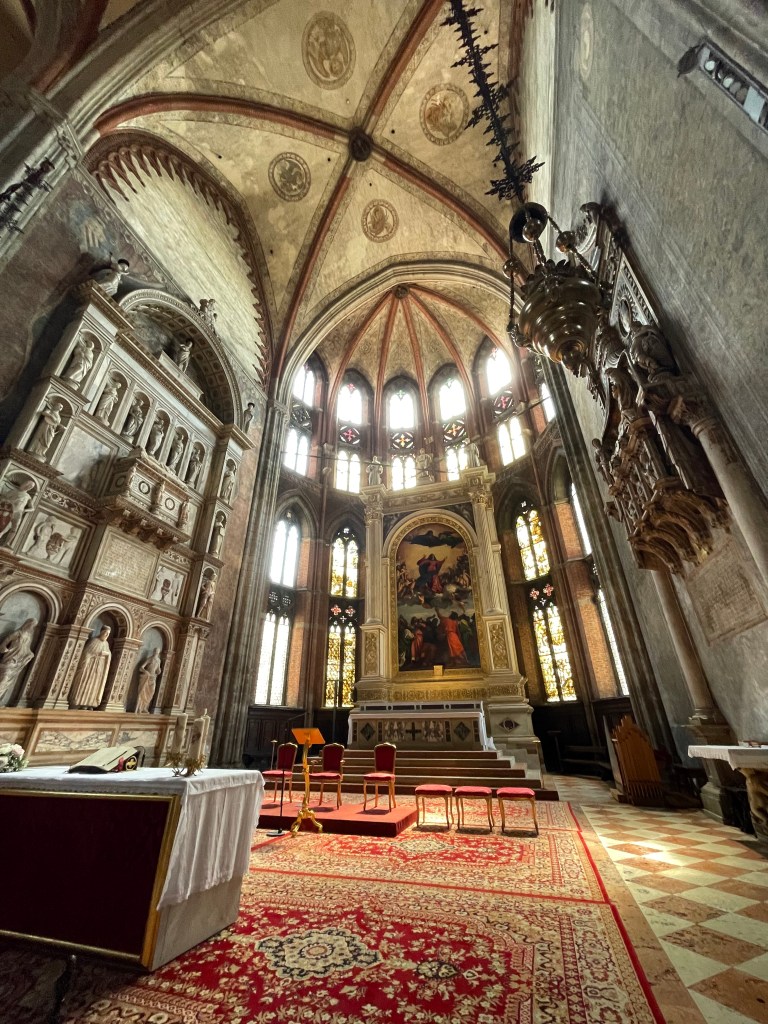
It was time for a quick pit stop before the next visit, Botegga del Caffé Dersut was right next to the Basilica Di Santa Maria Gloriosadei Frari and serves delicious cannoli and the most refreshing iced ‘shakerto’, chilled coffee in my case infused with cardamom, delicious.

The Basilica was amazing, and almost completely empty which had been the theme throughout the day, I don’t do crowds, my better half has suspected I might be slightly ADHD and possibly OCD for many years, in more recent times I just prefer space and try to avoid confined areas and places that are crowded, luckily, so far, the day had been almost dreamy. Another guide to add to the collection and descriptions of the magnificent paintings, carvings and architecture, a stunning place to visit.

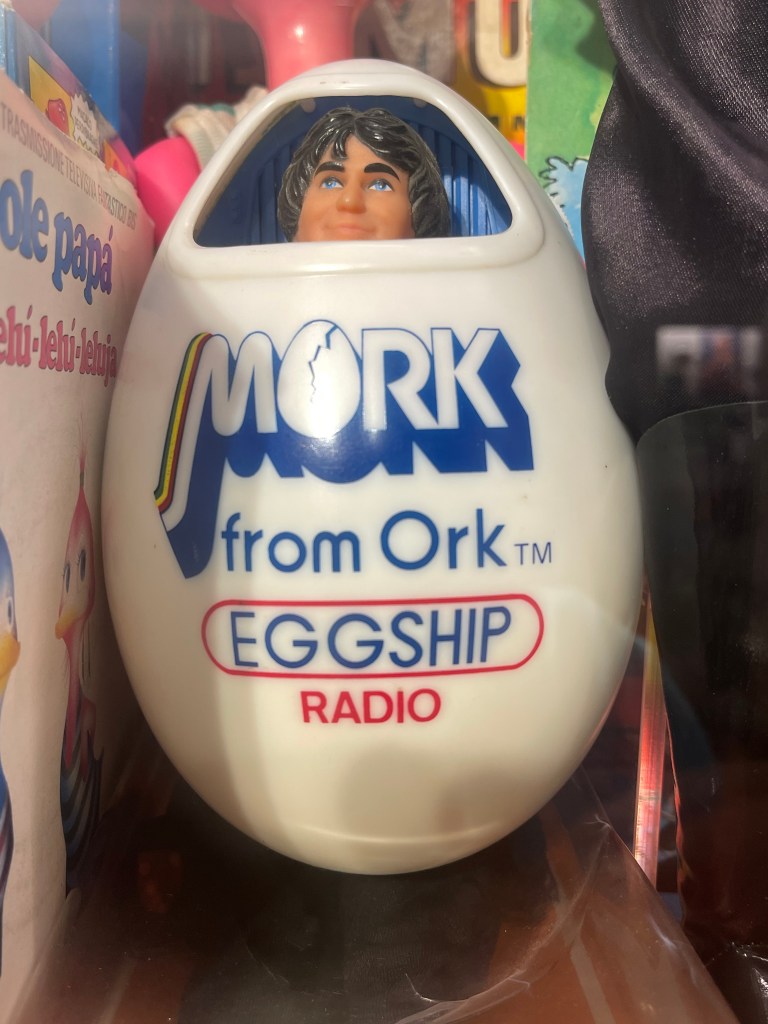
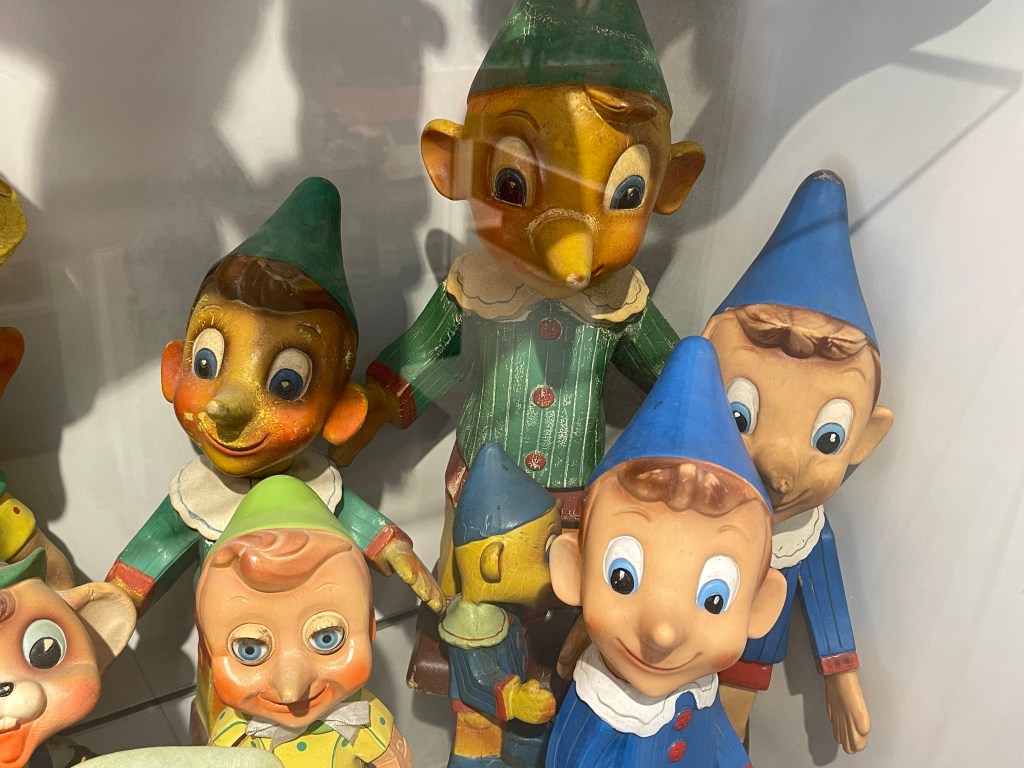
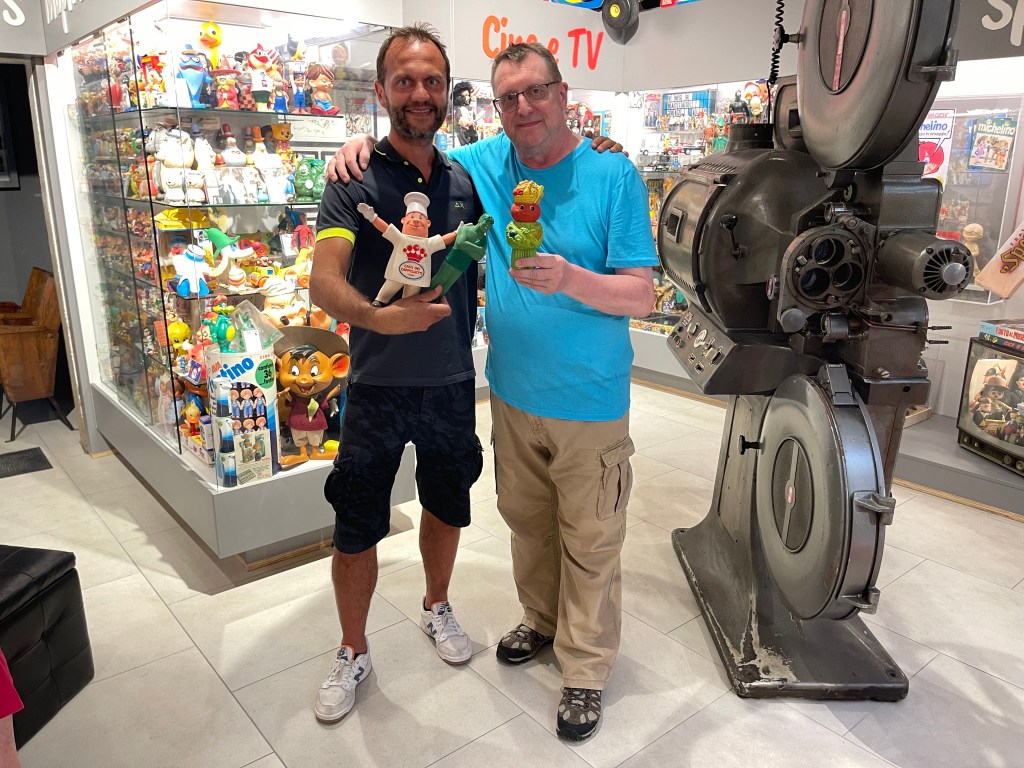
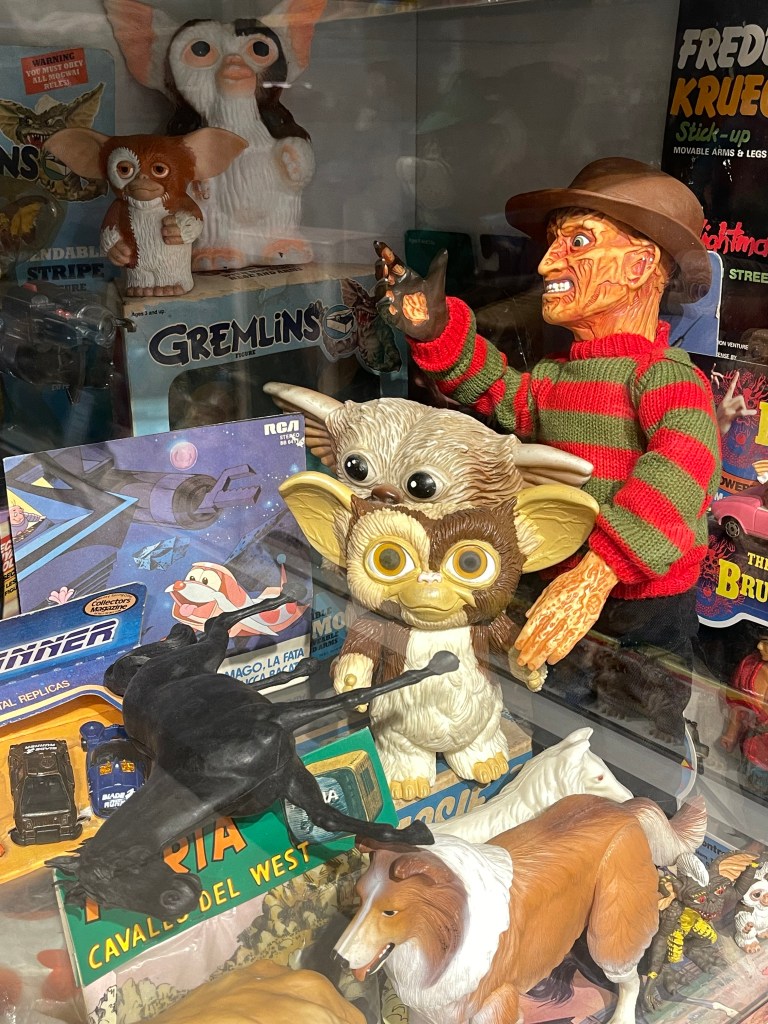
The last stop of the day was just brilliant, and certainly a ‘must do’ if you have even the slightest interest in the history of cartoons, cinema and the wonderment of the huge numbers of characters that have been created over the years, from Popeye to Pinocchio, Laurel and Hardy to Mork and Mindy the Venice Vintage Toys Museum contains over 5000 pieces, so many extremely rare, curated by the passionate Fabrizio Fontanella, what a place to finish the days touring.

I spent ages looking through the various cabinets and displays, being taken back to my childhood, black and white memories morphing into colour as technology developed, a few particularly caught my eye but one grabbed my attention.

My first ever international blog post was way back in June 2013, I had just come back from Masseria Montenapoleone in Puglia, southern Italy on my first week long cookery school. I was taught to cook real Italian food by the most amazing ‘nona’, she was just brilliant. In the picture I am making the original Tiramisu with the ‘proper’ biscuits. Now try and find them in the pictures above, the Tiramisu was perfect!

The day had been brilliant, the planning worked, timings were good and the Toy Museum had been an unexpected surprise taking me back to my first trip to Italy, to an amazing cookery school. Thank-you Fabrizio for taking the time to talk me through the exhibits, and removing some foodie ones for a photograph or two.

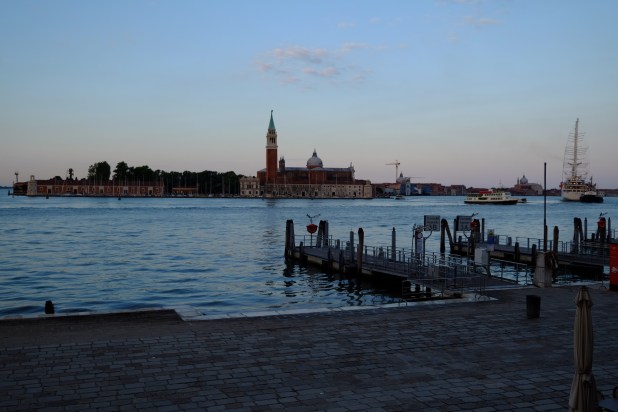
As I made my way back to the hotel, I notice another 80 degree tower!, I was convinced it had a slight lean. After a relax, refresh and change of clothes I was off to dinner at an iconic restaurant, featured in the film starring Jonnie Depp and Angelina Jolie, ‘The Tourist’, The Hotel Danieli. Unfortunately, it was too windy to eat on the terrace, but the dining room was opulent and views very pleasant looking out to the lagoon.

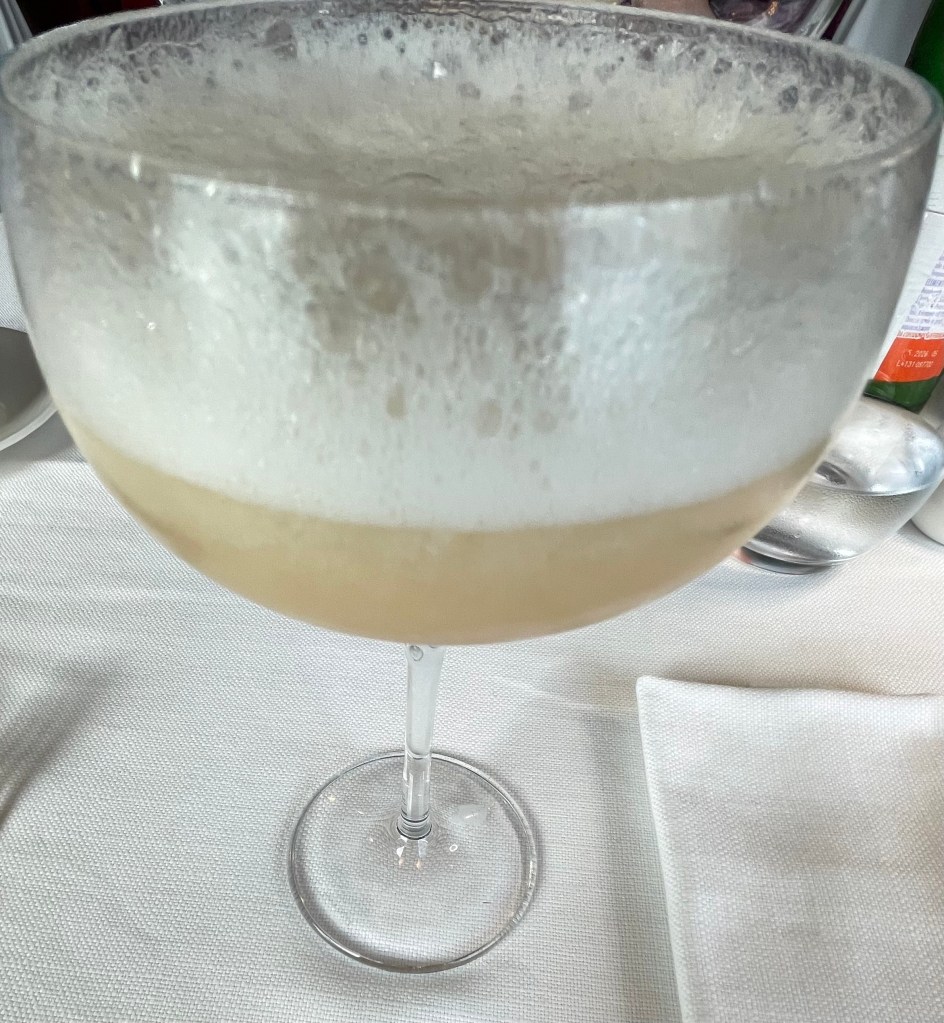
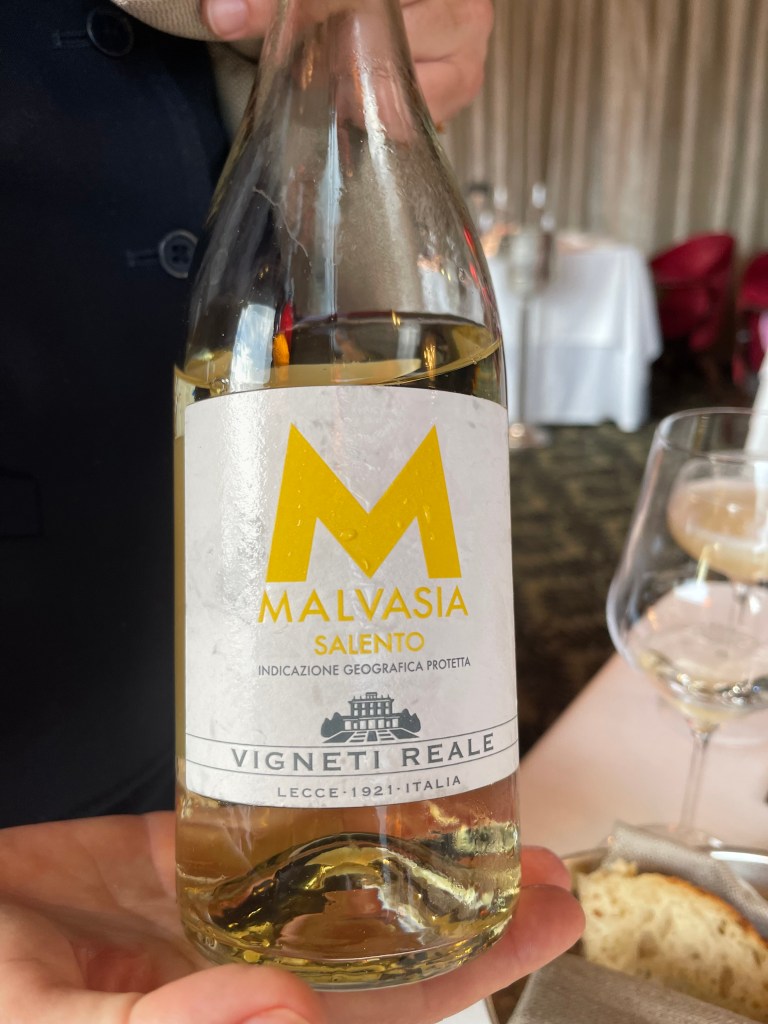
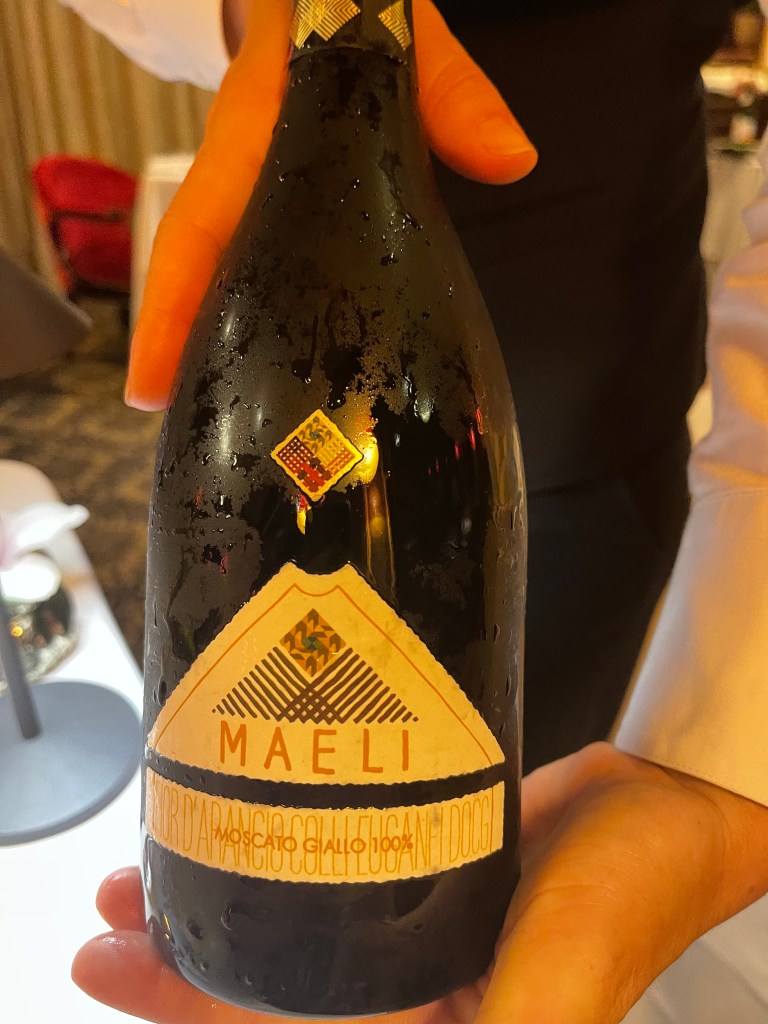
Impeccable service was obvious from the moment I arrived to the time I left, it would have been rude not to try a Bellini before starting the tasting menu and wine flight, which proved to be a delicious experience from start to finish.

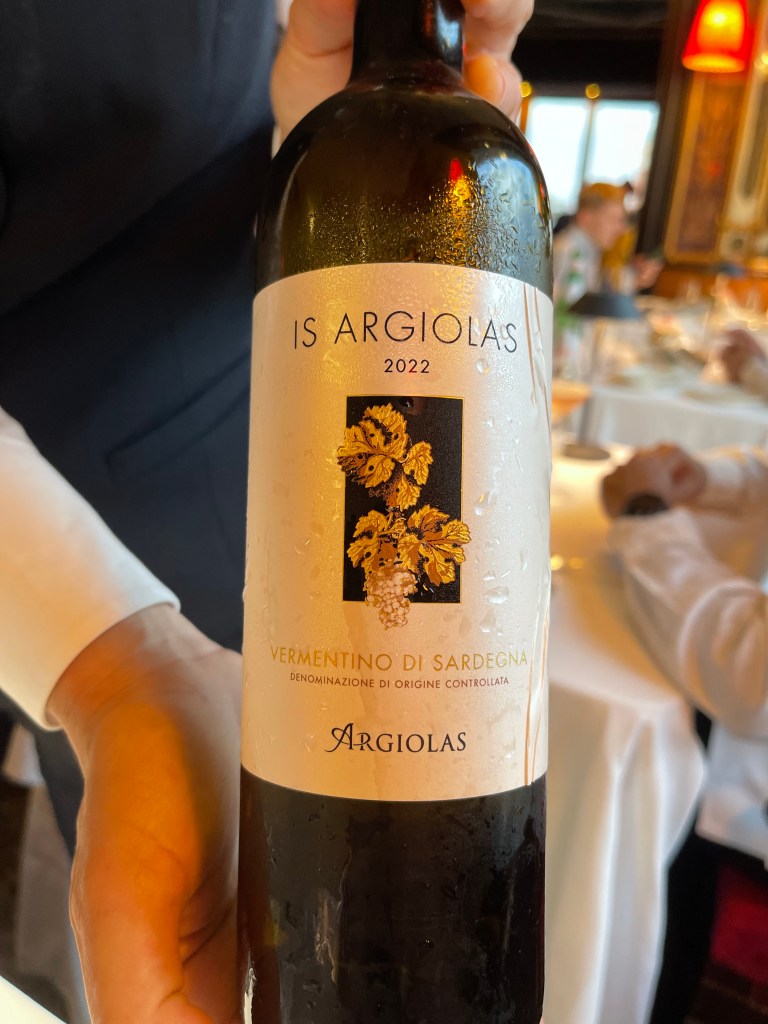
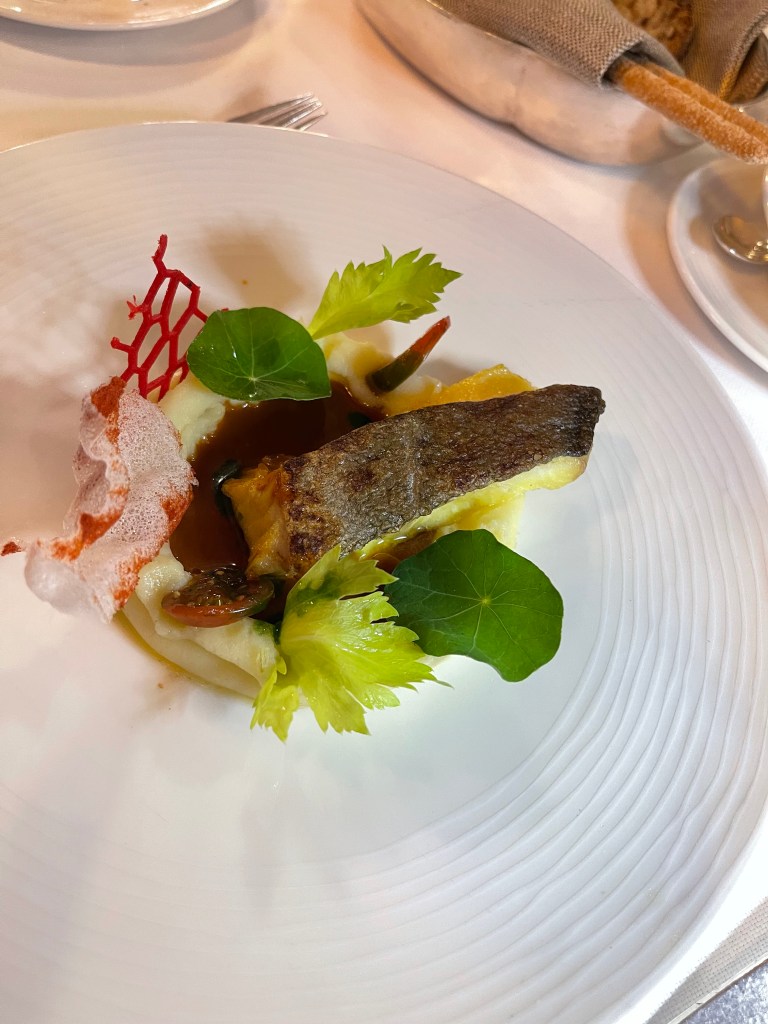
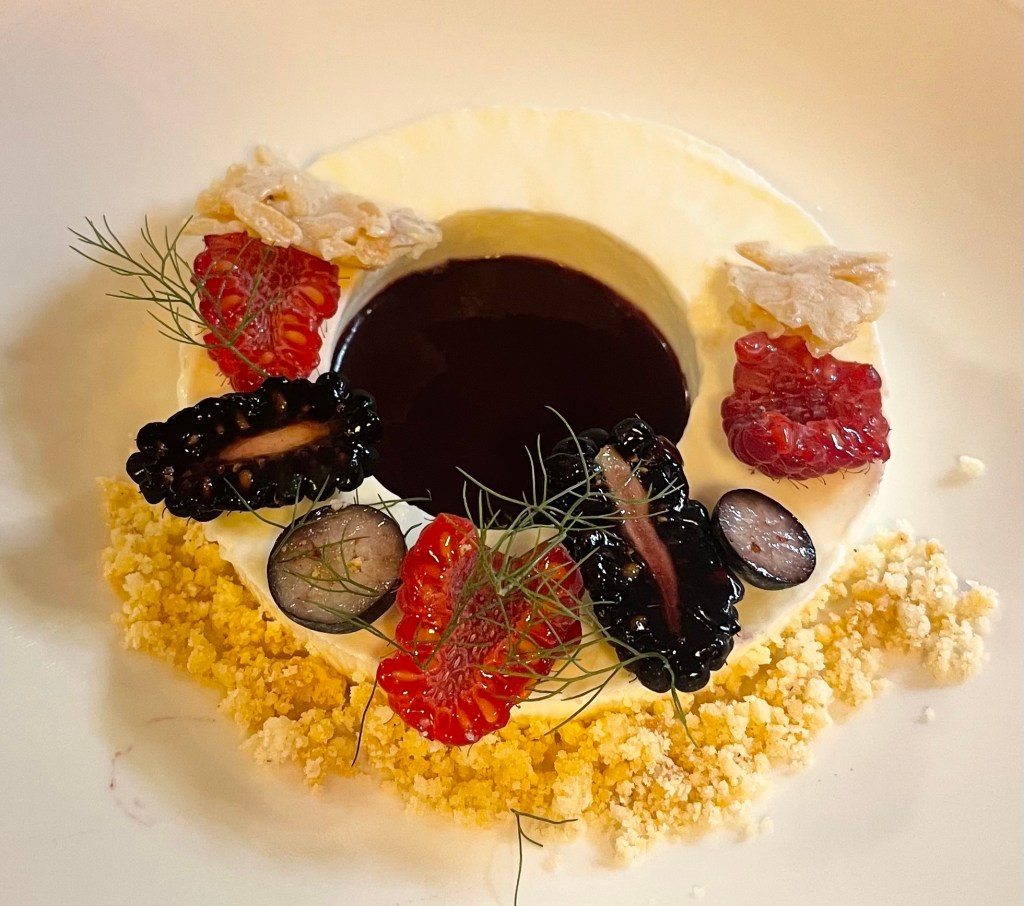
Freshly made bread was really good, the Baccalà Mantecato delicate but flavourful, the Rissoto I felt could have done with another minute in the pan, it had a slight chalkiness to the texture, but it still tasted damn good, the Saffron Cod was a delight, the Panna Cotta perfectly wobbly and not rubbery or firm.

Day one had been a complete success, yes I was a tad tired (being polite here), I felt overwhelmed by the days adventure and walking back towards the hotel I noticed ‘that’ leaning tower in the night sky, tell me it’s not leaning slightly, maybe even more than slightly.

……………………. Until Next Time ………………. L8ers …………………..